

Introduction
For generations, farmers treated crop stalks, manure, and spoiled produce as waste. Burn it, dump it, or spread it—end of story. But today, a smarter approach is taking hold: agricultural resource recycling. This practice treats every stalk, stem, and scrap as a potential resource, closing the loop between production and reuse. Let’s explore how this works, what it can do for your farm, and the tools you’ll need.
What Is Agricultural Resource Recycling?
Agricultural resource recycling is the process of collecting, processing, and reusing materials that were once considered waste. It’s not just about being eco-friendly—it’s about creating a circular system where nothing is truly thrown away.
Common materials for agricultural resource recycling include:
Crop residues: Corn stalks, wheat straw, rice husks, sugarcane bagasse
Animal waste: Cow, chicken, and pig manure
Food processing leftovers: Spoiled vegetables, fruit peels, grain screenings
Agro-industrial byproducts: Coffee pulp, nut shells, cotton gin trash
These materials are rich in carbon, nitrogen, and organic matter—exactly what healthy soil and energy systems need.
What Can You Make with Agricultural Resource Recycling?
The possibilities for agricultural resource recycling are surprisingly diverse:
Organic Fertilizer: Composted manure and crop residues create nutrient-rich soil amendments.
Biogas: Anaerobic digestion of manure and food waste produces methane for heating or electricity.
Fuel Pellets: Dried and compressed crop stalks can replace firewood or coal.
Animal Bedding: Composted straw or sawdust makes clean, absorbent bedding.
Growing Media: Processed coconut husks or rice hulls become alternatives to peat moss.
By implementing agricultural resource recycling, farmers can replace purchased inputs, generate new income streams, and reduce their environmental footprint.
Key Equipment for Agricultural Resource Recycling
First you need compost these materials first and then you can taking next steps.
The Horizontal Fermentation Tank is a state-of-the-art equipment designed for the effective aerobic fermentation of organic waste, agricultural residues, sludge, and other compostable materials. Unlike vertical tanks, the horizontal design allows for larger capacity and more uniform fermentation.
The Horizontal Fermentation Tank is widely used in the production of organic fertilizers and compost, offering numerous advantages in terms of efficiency, control, and environmental impact.
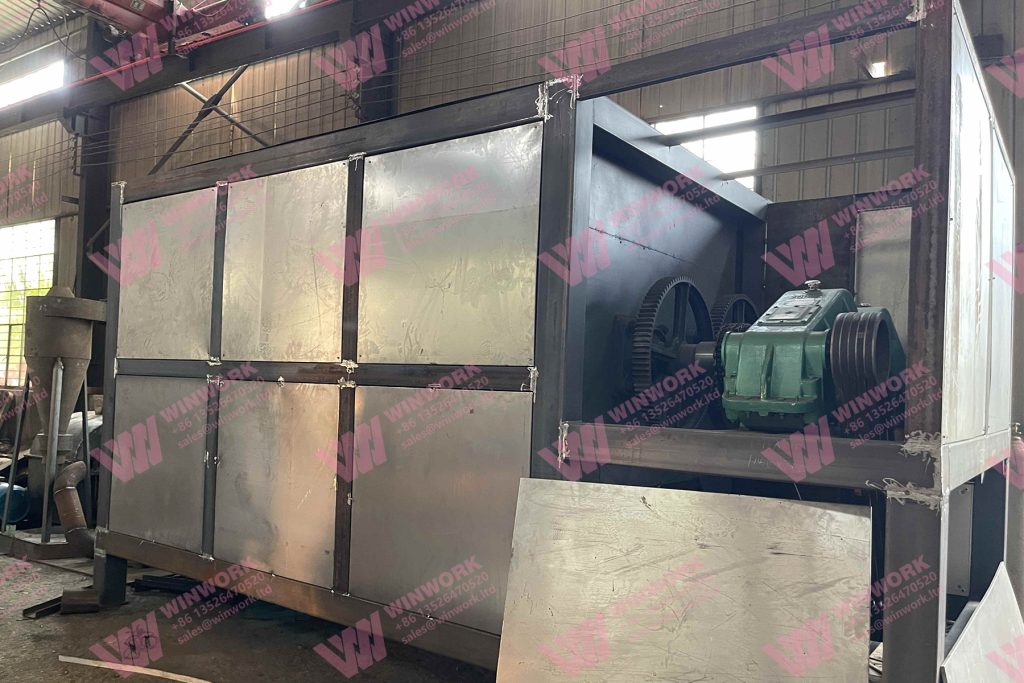
Horizontal fermentation tank
And then you can crush your materials and it will be easier to granulate. Horizontal crusher, also known as horizontal semi-wet material crusher, is a kind of crushing equipment specially designed to deal with high humidity, organic materials, especially suitable for organic fertilizer production in the material pre-treatment.
Horizontal crusher adopts a unique double-stage rotor structure, can effectively deal with high humidity materials, such as livestock and poultry manure, city garbage, crop residues and so on. It has high crushing efficiency, even material size, no blockage, no sticking phenomenon, and is one of the indispensable key equipments in organic fertilizer production line.
The new type organic fertilizer granulator has the advantages of high granule quality, uniform finished particles, stable operation of the equipment, etc. It is suitable for the granulation of light and fine powder materials, and is an important equipment in the organic fertilizer production line.
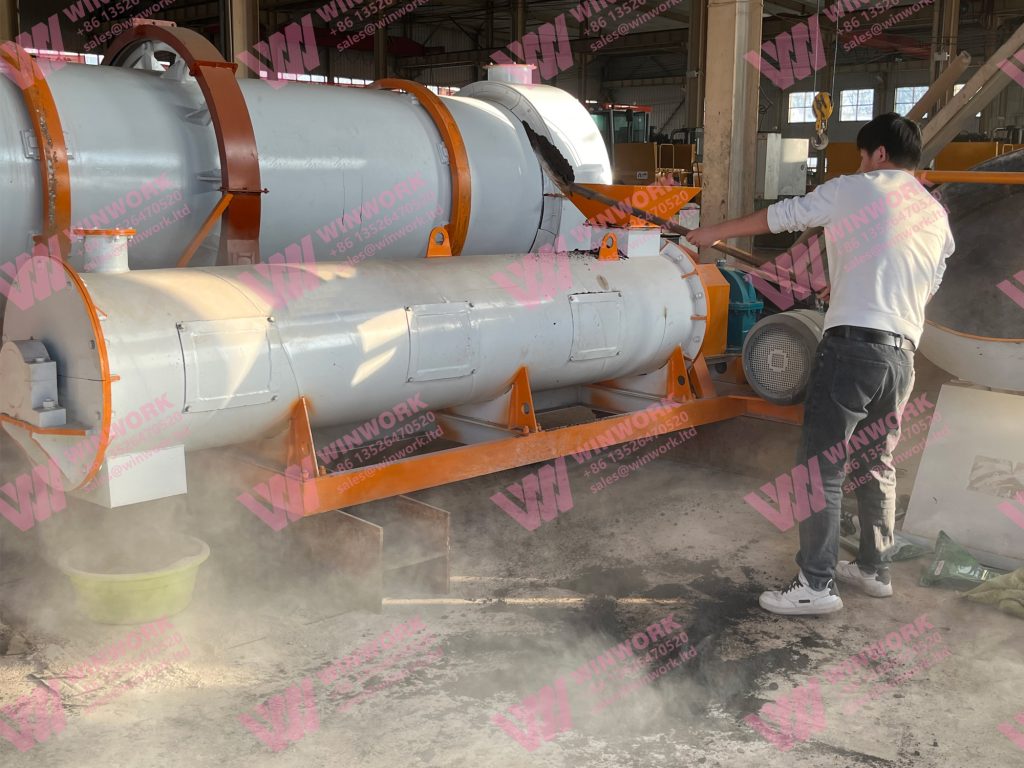
New type organic fertilizer granulator experiment
The rotary drying and cooling machine is a kind of high-efficiency equipment integrating drying and cooling, which is widely used in chemical industry, fertilizer, mining industry, building materials and other industries.
Because it always generating gases and dust, so it is necessary to attach a dust removal with this machine. The rotary drying and cooling machine realizes the continuous drying and cooling process of materials in the same body, which saves space and equipment investment and simplifies the process.
The rotary drying and cooling machine has the advantages of large processing capacity, strong adaptability, easy operation and maintenance, energy saving and environmental protection, etc. It is an indispensable and important equipment in the production of fertilizers.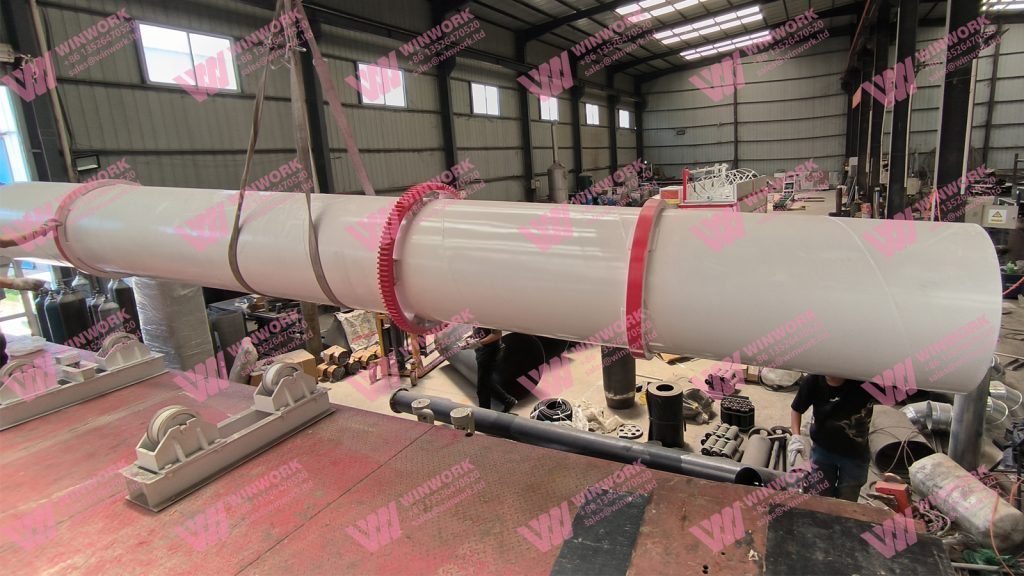
And that’s the whole process of turning agricultural waste into fertilizer and benefit for the land and environment. And it can also promote the ecological development of green production.That’s really good way.
FAQ
Q1: Can I recycle all types of agricultural waste together?
A: Yes, but balance is key. Mix high-nitrogen waste (manure) with high-carbon waste (straw) in a 1:3 ratio. This prevents smelly, slow decomposition.
Q2: How long does agricultural resource recycling take?
A: Composting takes 2–3 months; biogas production takes 2–4 weeks; pelletizing adds 1–2 days. Patience pays in agricultural resource recycling!
Q3: Is agricultural resource recycling messy?
A: Not with proper equipment! Shredders and enclosed composters contain dust and odors. It’s far cleaner than open burning or dumping.
Q4: Do I need permits for selling recycled products?
A: Small-scale sales (local farmers) usually don’t require permits. For larger operations, check local regulations on organic fertilizer or fuel labeling.
Q5: Can I use diseased plant material?
A: Avoid it. High-temperature composting (55°C+) kills most pathogens, but some hardy spores survive. Better safe than sorry in agricultural resource recycling.
Q6: How do I know if my compost is ready?
A: It should be dark brown, crumbly, and smell earthy. No original waste should be recognizable.
Q7: Is biogas safe for small farms?
A: Yes! Modern digesters have safety valves and sensors. Start with a small system (5–10 cows’ manure) to learn the ropes.
Q8: What’s the ROI for agricultural resource recycling equipment?
A: Most farmers break even in 1–3 years. Selling compost, biogas, or pellets offsets costs quickly.
Q9: Can I use rice husks in agricultural resource recycling?
A: Yes! Rice husks are high in silica but low in nutrients. Mix them with manure to balance carbon and nitrogen.
Q10: Where can I learn more?
A: Local agricultural extension offices, online courses, or equipment suppliers offer workshops on agricultural resource recycling.
Conclusion
Agricultural resource recycling is more than a green trend—it’s a practical, profitable way to transform farm waste into valuable resources. By using shredders, compost turners, digesters, and pelletizers, farmers can close the loop, cut costs, and build a more sustainable operation. Whether you’re managing 10 acres or 1,000, the right agricultural resource recycling strategy fits your scale and budget. The sooner you start, the sooner you’ll see cleaner air, richer soil, and fatter profits.
For more details, please feel free to contact us.
Email: sales@lanesvc.com
Contact number: +8613526470520
Whatsapp: +8613526470520
Get A Quote