

Introduction
Let’s face it: farming is all about logistics. You have animals in one barn this season and another barn next season. You have crop waste in the field and manure in the pen. The old way meant hauling heavy waste to a single, centralized pile. But what if the composter could come to the waste? That’s the promise of the mobile composting bin. This article gives you a straight-shooting analysis of mobile composting bins—no fluff, just the facts on whether this technology is right for your farm. And here we can analyse this Analysis of Mobile Composting Bins.
What is a Mobile Composting Bin?
Before we dive deep into our analysis of mobile composting bins, let’s define the tool. Unlike a stationary compost windrow that stays in one place, a mobile bin is a self-contained unit—usually on wheels or a trailer—that you can tow behind a tractor or truck. It allows you to compost manure and organic waste right where it’s generated. It is helpful for us to Analysis of Mobile Composting Bins.
The Core Analysis of Mobile Composting Bins: Pros and Cons
Any good analysis of mobile composting bins has to start with the bottom line: what are the real-world advantages and disadvantages?
The Pros (Why Farmers Love Them):
Logistics Win: The biggest advantage in any analysis of mobile composting bins is flexibility. You can move the bin to the chicken coop one week and the cattle pen the next. It is helpful for us to Analysis of Mobile Composting Bins.
Labor Savings: You load the waste directly into the bin where it lies. This eliminates the need for constant loading and hauling with a front-end loader.
Odor Control: Many mobile units are sealed or have biofilters, which can significantly reduce smells compared to an open pile.
Faster Processing: Because they are often agitated daily, these bins create high heat quickly, speeding up the composting process.
The Cons (The Reality Check):
Initial Cost: A high-quality, heavy-duty mobile composter can cost anywhere from $5,000 to over $20,000, depending on size.
Tractor Dependency: To get the full benefit of the mobile composting bin, you need a tractor with a PTO (Power Take-Off) to agitate the material.
Capacity Limits: While convenient, a single mobile bin can’t hold as much as a massive stationary windrow. You might need multiple units. It is helpful for us to Analysis of Mobile Composting Bins.
Ground Pressure: If your soil is soft or wet, a heavy, wheeled bin can get stuck or cause ruts in your pasture.
How It Works: The Process Inside the Bin
A proper analysis of mobile composting bins must explain the mechanics. You load your manure and carbon source like straw into the bin. Then, you use the PTO shaft connected to your tractor to run an internal auger or paddle system. This turns the material inside the bin without you having to move it to another location. The internal heat rises, killing pathogens, and in a few weeks, you have finished compost.
Equipment Needed for Your Analysis of Mobile Composting Bins
To make this system work, you need more than just the bin itself:
The Mobile Composting Bin/Trailer: The star of the show. Look for models with a built-in agitator.
Compact Tractor with PTO: Essential for powering the bin’s turning mechanism.
Solid-Liquid Separator (Highly Recommended): To pre-treat manure before it goes into the mobile composting bin, ensuring the right moisture content.
Shredder/Crusher: To prepare your carbon sources (straw, leaves) so they mix well inside the confined space of the bin. It is helpful for us to Analysis of Mobile Composting Bins.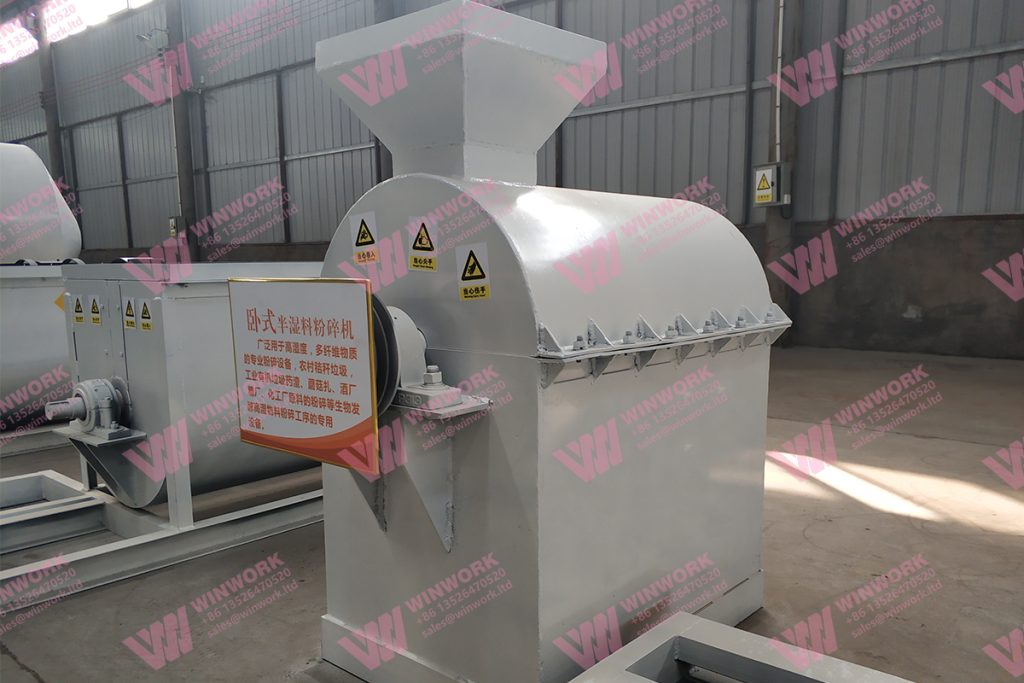
Real Farm Example
Sarah and Mike run a 50-goat dairy. They were struggling with goat manure piling up and contaminating their grazing areas. They invested $9,500 in a mid-sized mobile composting bin.
They moved the bin directly into the barn during kidding season.
They reduced manure hauling time by 15 hours per month.
Within 4 weeks, they had 3 tons of high-quality compost ready for their vegetable garden.
“Our analysis of mobile composting bins was simple: the labor savings alone paid for the unit in two years,” Sarah says.

FAQ: Your Questions About Mobile Composting Bins Answered
Q1: Can a mobile composting bin handle just manure?
A: It can, but you’ll get better results by mixing in a carbon source like sawdust or straw. This prevents the bin from becoming a smelly, soggy mess.
Q2: Will the bin damage my lawn or pasture?
A: If the bin is very heavy and your ground is soft, it can cause compaction or ruts. It’s best to move it along established paths or hardened surfaces.
Q3: How is this different from a compost tumbler?
A: A compost tumbler is usually small and manually rotated. A mobile composting bin is a heavy-duty, tractor-powered machine designed for commercial volumes.
Q4: Is the finished compost safe to use?
A: Yes. The high heat generated inside the agitated bin effectively kills pathogens and weed seeds, making it safe for crops.
Q5: What size tractor do I need?
A: Most small to mid-sized mobile composters require a compact tractor in the 25-50 HP range. Always check the manufacturer’s specs.
Q6: Can I leave the bin in the field all winter?
A: You can, but snow and ice can make it hard to move. It’s often better to keep it in a sheltered spot and add waste as needed.
Q7: Does the agitation system use a lot of fuel?
A: Not really. Agitating the bin for 10-15 minutes a day uses very little diesel compared to the fuel saved by not hauling loads of manure.
Q8: Where can I buy one?
A: Many agricultural equipment dealers now carry brands specializing in mobile composting bins, or you can order them directly from manufacturers online.
Conclusion
The verdict from our analysis of mobile composting bins is clear: if your farm generates waste in multiple, scattered locations, this is a game-changing technology. While the upfront cost is higher than a simple static pile, the labor savings, logistical freedom, and speed of composting make it a worthy investment. Don’t let your manure tie you down—move your composting operation to where it’s needed most.
For more details, please feel free to contact us.
Email: sales@lanesvc.com
Contact number: +8613526470520
Whatsapp: +8613526470520
Get A Quote