

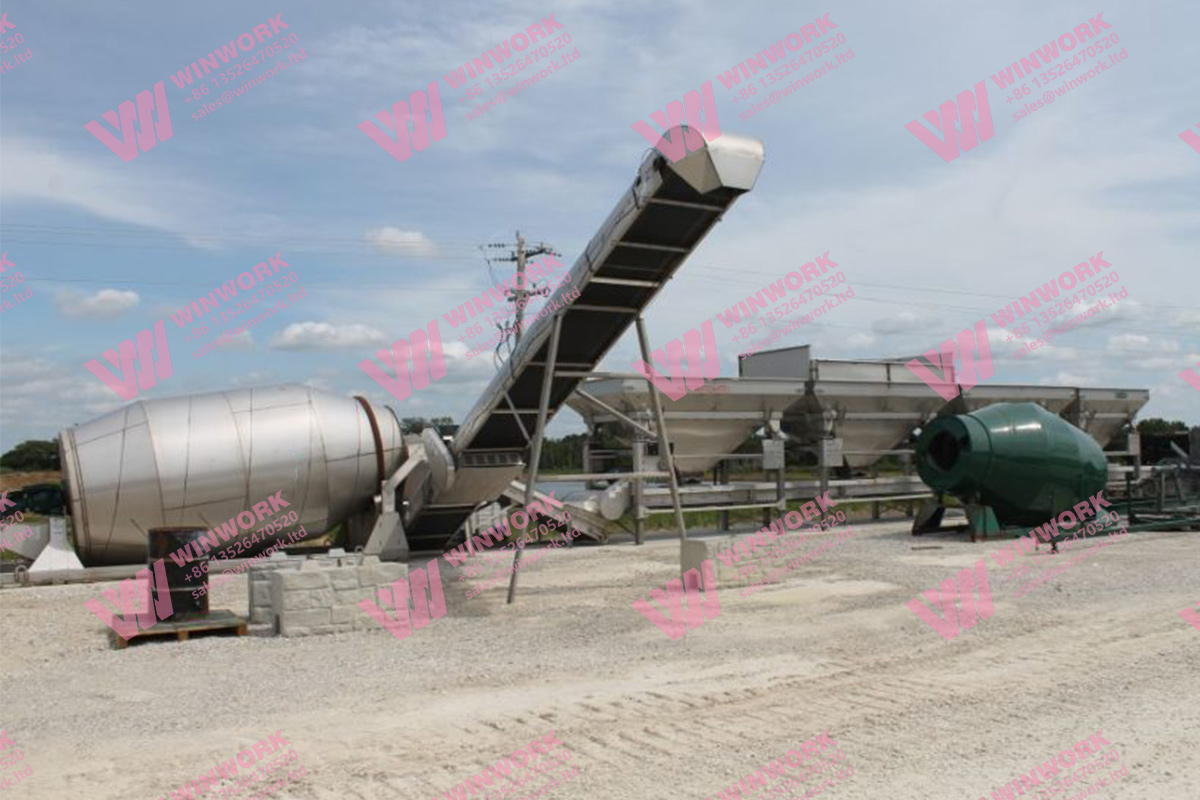
In recent years, BB fertilizers, also known as bulk blending fertilizers, have gained strong momentum in regional and emerging agricultural markets. Compared with traditional compound fertilizer granulation, BB fertilizer production focuses on physical blending of different granules while preserving their original nutrient integrity. As market demand shifts toward flexibility, fast delivery, and customized nutrient ratios, BB fertilizer production line design has become a critical factor determining whether a project succeeds or fails.
A poorly planned BB fertilizer production line design often leads to segregation, inaccurate ratios, unstable output, and customer complaints. In contrast, a well-engineered BB fertilizer production line design ensures consistent blending quality, lower operating cost, and long-term scalability. For investors, manufacturers, and agricultural cooperatives, understanding the engineering logic behind BB fertilizer production line design is no longer optional—it is essential.
This article provides a complete, engineering-oriented explanation of BB fertilizer production line design, covering material behavior, equipment configuration, process flow, automation logic, quality control, and long-term operation strategy. The focus is not on theory, but on practical design principles that directly affect blending accuracy and commercial performance.
Understanding BB Fertilizer and Its Production Characteristics
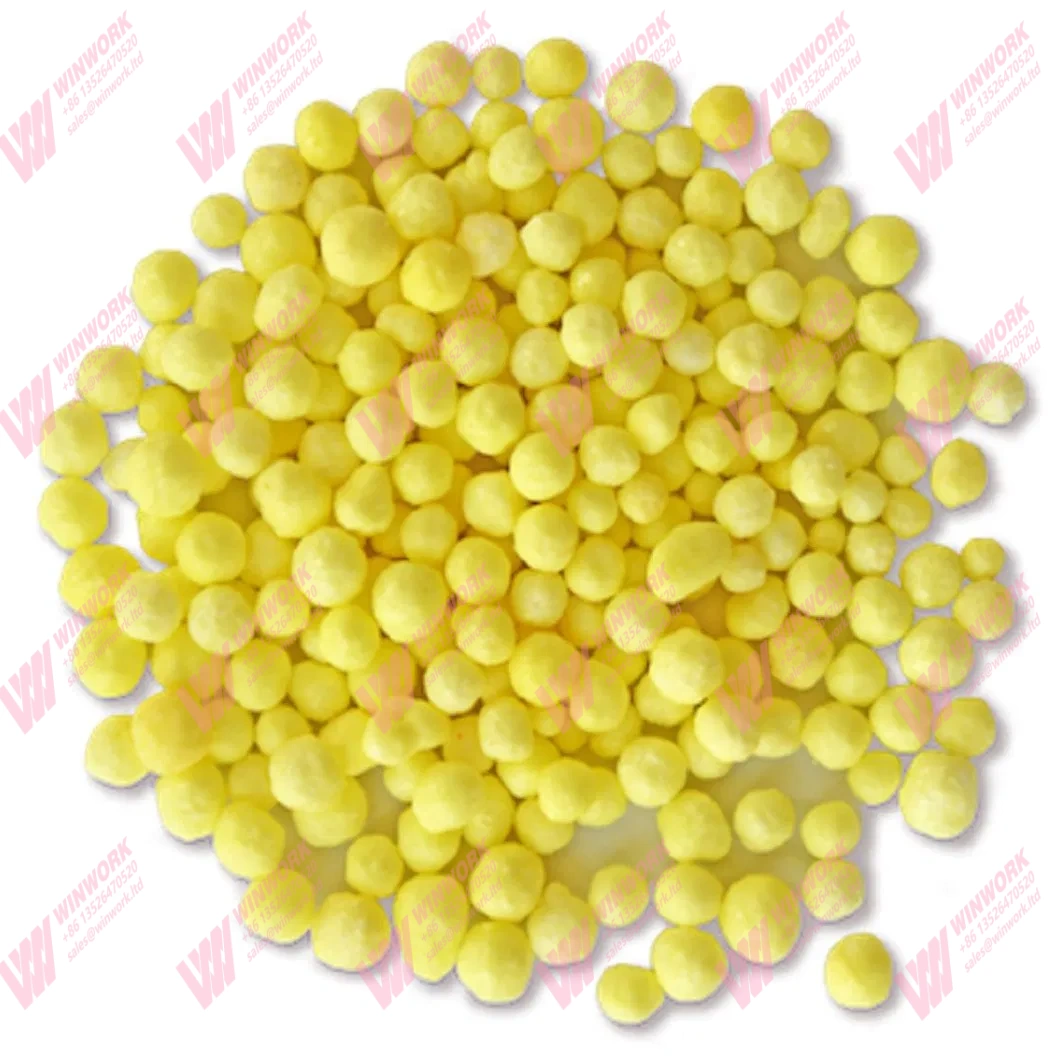
Before discussing BB fertilizer production line design, it is important to understand how BB fertilizer differs from granulated compound fertilizer. BB fertilizer is produced by physically mixing finished fertilizer granules such as urea, DAP, MAP, potassium chloride, or potassium sulfate. Each granule retains its original physical and chemical structure.
Because there is no chemical reaction or granulation process, it relies heavily on mechanical accuracy rather than thermal processing. This means that blending precision, particle compatibility, and material flow control become the core technical challenges.
Another defining feature of BB fertilizer is customization. Different regions, crops, and seasons require different nutrient ratios. A flexible BB fertilizer production design allows quick formula changes without long downtime or complex adjustments, making it ideal for localized fertilizer supply.
Principle 1: Raw Material Compatibility Is the Foundation of BB Fertilizer Production Line Design
One of the most common mistakes in BB fertilizer production line design is ignoring raw material compatibility. Since BB fertilizer relies on physical blending, differences in particle size, density, and shape can directly cause segregation during mixing, conveying, or packaging.
An effective BB fertilizer production line starts with raw material analysis. Engineers must evaluate granule size distribution, bulk density, surface hardness, and moisture sensitivity. Materials with similar physical properties blend more uniformly and remain stable during handling.
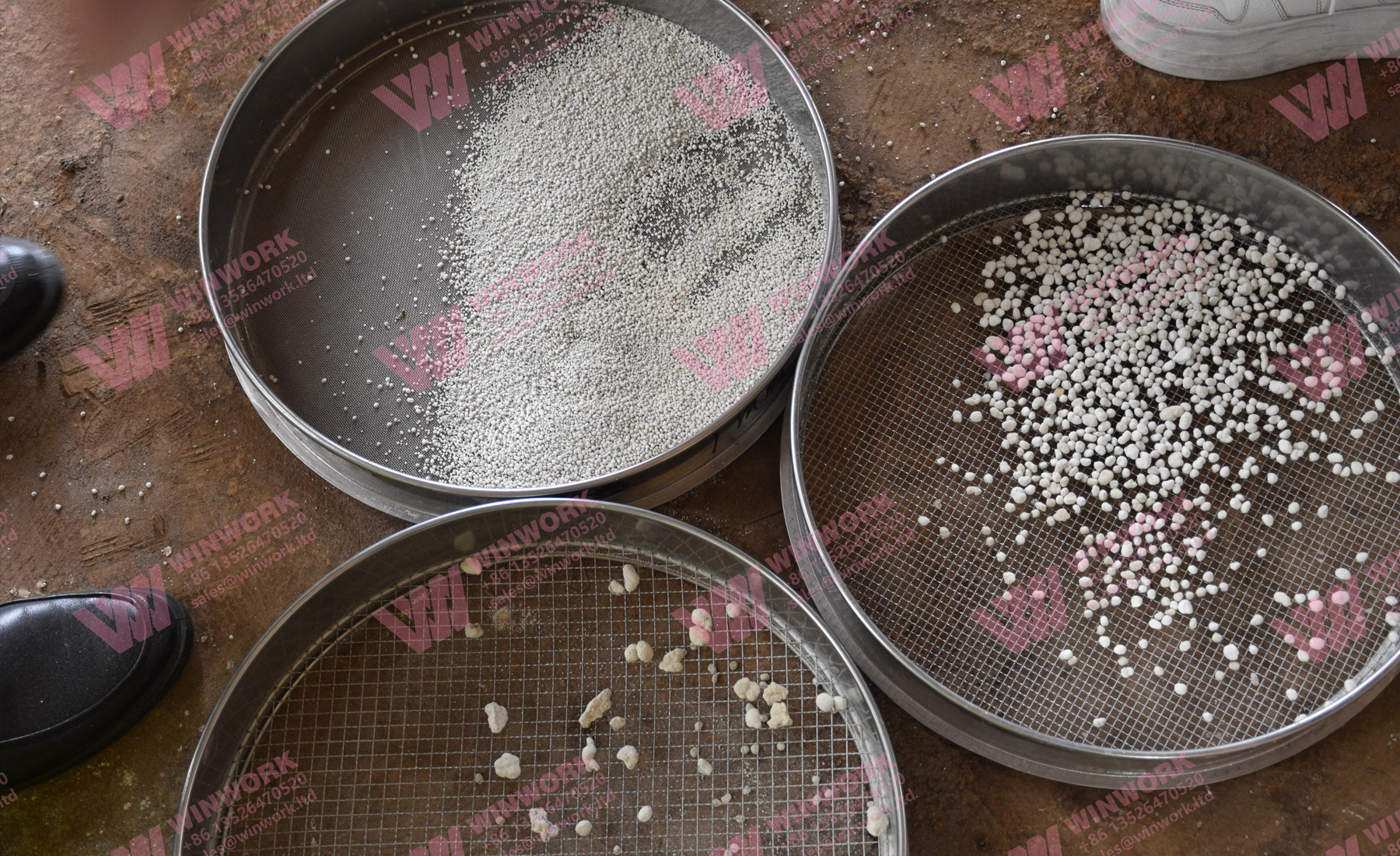
In practice, BB fertilizer production line often includes screening before batching and mixing or grading systems to align particle sizes before blending. This step significantly reduces segregation risk and improves final product consistency. Without this foundation, even the most advanced mixer cannot compensate for incompatible raw materials.
Principle 2: Accurate Dosing Systems Define the Quality of BB Fertilizer Production Line Design
Dosing accuracy is the core of BB fertilizer production line design. Unlike granulated fertilizer, where nutrients are chemically bonded, BB fertilizer depends entirely on correct proportioning of individual components. Any dosing error directly translates into nutrient deviation.
Modern BB fertilizer production design typically adopts multi-bin batching systems equipped with electronic weighing sensors. Each raw material is stored separately and discharged according to the preset formula. High-precision load cells ensure that each component meets strict tolerance limits.
In advanced BB fertilizer production line design, automatic formula management systems allow operators to switch nutrient ratios through software rather than mechanical adjustment. This not only improves accuracy but also reduces human error and speeds up production changeover.
Principle 3: Mixer Selection Is the Core Equipment Decision
Mixer selection is one of the most critical decisions in BB fertilizer production line design. The mixer must achieve uniform blending without damaging granules or generating excessive fines.
Horizontal mixers and double shaft mixers are the most commonly used equipment in BB fertilizer production line. Horizontal mixers provide gentle yet effective mixing, making them suitable for materials with similar particle sizes. Double shaft mixers offer stronger mixing force and shorter mixing time, which is beneficial for larger capacities.
A well-designed BB fertilizer production line design balances mixing efficiency with material protection. Over-mixing can cause granule breakage, while under-mixing leads to uneven nutrient distribution. The mixer’s speed, fill ratio, and mixing time must be carefully engineered rather than arbitrarily set.
Principle 4: Material Flow Control Prevents Segregation After Mixing
Many BB fertilizer production line design failures occur not in the mixer, but after mixing. Even perfectly blended materials can segregate during conveying, storage, or packaging if material flow is poorly controlled.
An optimized BB fertilizer production design minimizes vertical drops and long free-fall distances. Belt conveyors or low-speed bucket elevators are often preferred over screw conveyors when handling blended fertilizer. These choices reduce vibration and particle separation.
Buffer bins and surge hoppers are also critical elements in BB fertilizer production design. They help stabilize material flow and prevent pulsation, which can otherwise disrupt blend uniformity before packaging.
Principle 5: Packaging Accuracy Reflects the Overall Quality of BB Fertilizer Production Line Design
Packaging is the final checkpoint where blending accuracy becomes visible. A reliable BB fertilizer production line design integrates high-precision packaging machines that ensure consistent bag weight and nutrient distribution.
Automatic weighing and filling machines equipped with digital control systems are widely used in modern BB fertilizer production line. These machines not only improve efficiency but also provide data feedback for production monitoring and quality assurance.
In addition, proper bag sealing and conveying systems protect the blended fertilizer from moisture absorption and mechanical disturbance during transportation. Packaging is not just an output step—it is an extension of BB fertilizer production line design quality control.
Process Flow Overview of a Typical BB Fertilizer Production Line Design
A standard BB fertilizer production line design follows a clear and efficient process flow. Raw materials are first stored in separate bins, then accurately weighed and discharged into the mixer. After uniform blending, the mixture is conveyed gently to a buffer hopper before packaging.
Each stage in the BB fertilizer production line is optimized to maintain blending integrity. Unlike granulation lines, there is no drying, cooling, or crushing stage, which significantly reduces energy consumption and system complexity.
This streamlined process is one of the key advantages of BB fertilizer production design, especially for manufacturers seeking fast installation and quick return on investment.
Key Equipment of BB Fertilizer Production Line Design
A well-designed BB fertilizer production line design depends on the coordination of several core machines, each playing a specific role in ensuring blending accuracy, material stability, and flexible operation. Proper equipment selection and customization are essential to meet different formulas, capacities, and regional market needs.
Raw Material Dosing System
The dosing system ensures accurate weighing and feeding of different fertilizer components according to the formula. It can be customized in terms of weighing range, hopper size, and number of bins to support flexible formulation switching.
Batching Scale and Feeding Unit
Batching scales control the precise proportion of each raw material before mixing. These units can be customized for higher accuracy, anti-corrosion materials, or automated formula control based on production requirements.
BB Fertilizer Mixer
The mixer is responsible for uniform blending without damaging fertilizer granules. Mixing volume, internal structure, and discharge method can be customized to match different material characteristics and output capacities.
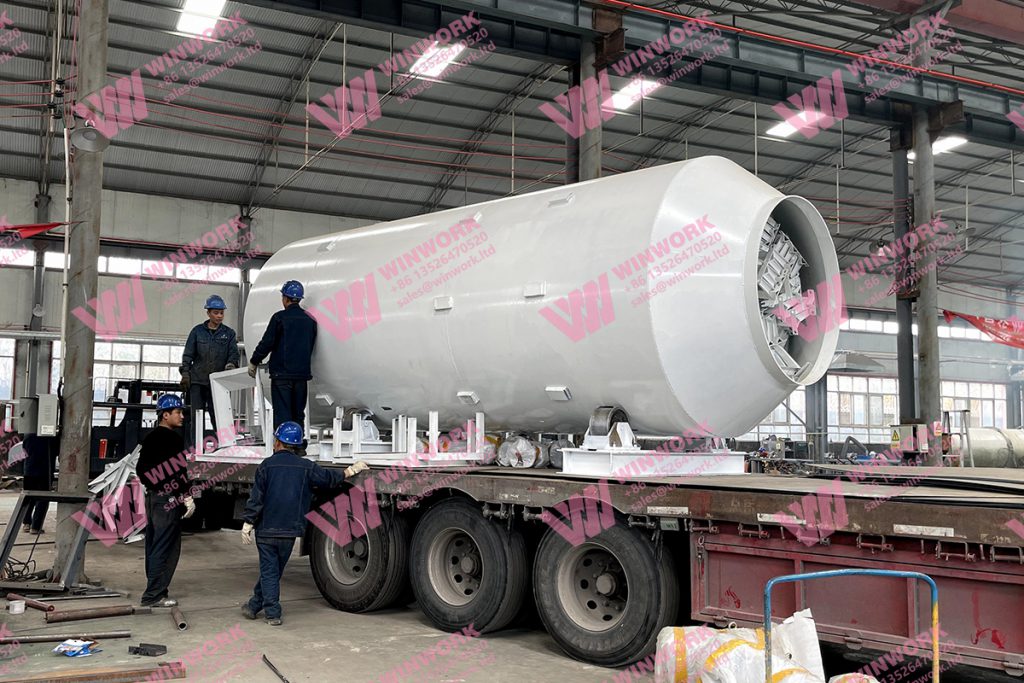
Delivery of five-meter drum mixer
Bucket Elevator or Belt Conveyor
Conveying equipment transfers mixed materials smoothly between processing stages. Elevator height, conveying capacity, and wear-resistant components can be customized based on plant layout and material abrasiveness.
Buffer Hopper
The buffer hopper stabilizes material flow before packaging and prevents segregation caused by intermittent feeding. Hopper capacity, lining material, and discharge structure can be customized to improve flow consistency.
Automatic Packaging Machine
Packaging machines ensure accurate weighing and clean bagging of finished BB fertilizer products. Bag size range, weighing accuracy, and automation level can be customized for different market packaging standards.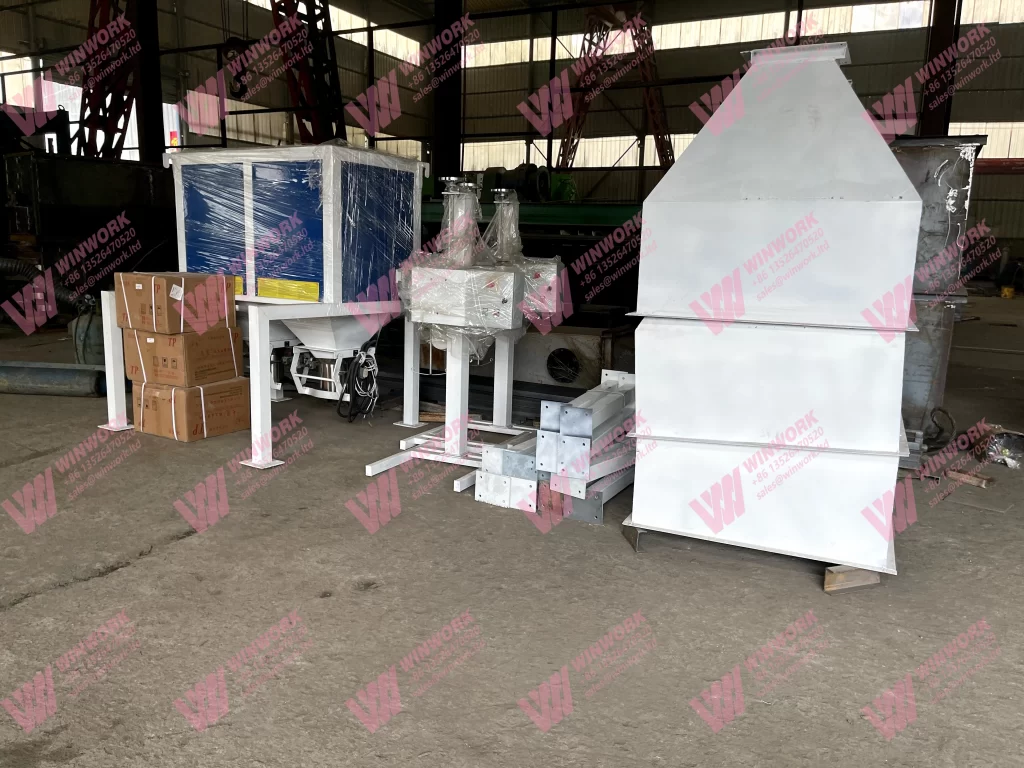
Dust Collection System
Dust collectors reduce material loss and improve workplace cleanliness during dosing, mixing, and packaging. Air volume, filter type, and collection points can be customized to meet local environmental regulations.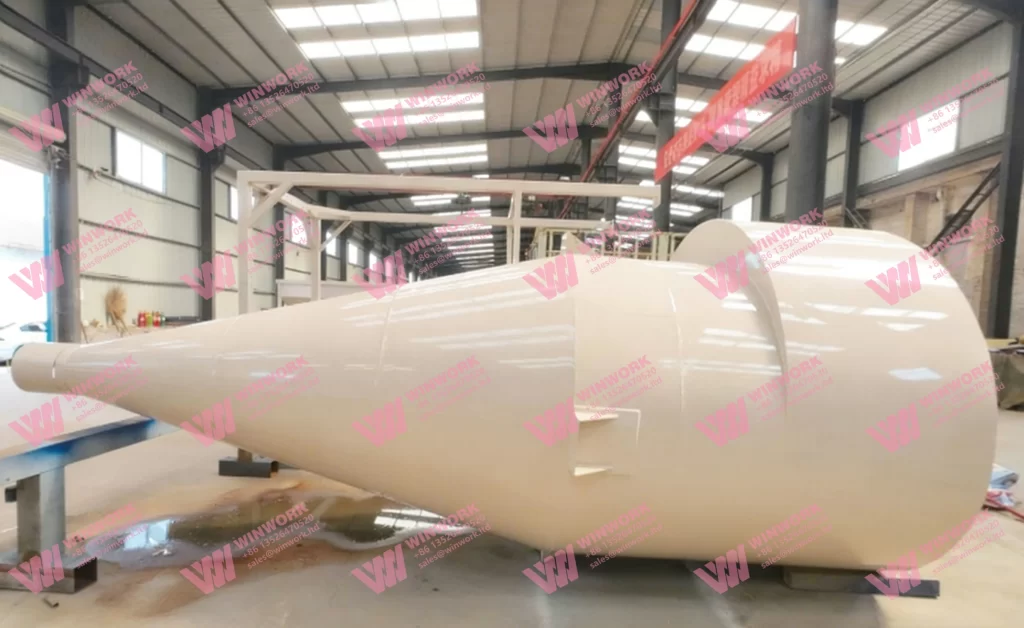
Central Control System
The control system integrates dosing, mixing, conveying, and packaging operations into a unified workflow. Control logic, automation level, and data recording functions can be customized to support future upgrades and production expansion.
Automation and Control Strategy in BB Fertilizer Production Line Design
Automation plays an increasingly important role in BB fertilizer production line design. Even small and medium-scale plants benefit from basic PLC control systems that manage dosing, mixing time, and packaging parameters.
A well-integrated BB fertilizer production line design allows real-time monitoring of material flow, batch accuracy, and output volume. This data-driven approach improves production stability and simplifies troubleshooting.
Automation also supports traceability. Each batch produced under a specific BB fertilizer production line design can be recorded and traced, which is valuable for quality assurance and customer confidence.
Capacity Planning and Scalability Considerations
Capacity planning is a strategic aspect of BB fertilizer production line design. Typical capacities range from 5 to 30 tons per hour, depending on market demand and investment scale. Oversizing the system increases capital cost without guaranteed return, while undersizing limits growth potential.
A smart BB fertilizer production design adopts modular equipment layout. This allows manufacturers to expand capacity by adding batching bins or upgrading mixers without rebuilding the entire system.
Scalability ensures that the BB fertilizer production design remains viable as market demand grows, protecting the initial investment over the long term.
Energy Efficiency and Cost Advantages of BB Fertilizer Production Line Design
One of the strongest advantages of BB fertilizer production line design is low energy consumption. Since there is no thermal processing, energy use is mainly limited to motors for conveying, mixing, and packaging.
Compared with granulated fertilizer plants, BB fertilizer production design significantly reduces electricity and fuel costs. This makes BB fertilizer production particularly attractive in regions with high energy prices or limited infrastructure.
Lower operating cost improves profit margins and allows manufacturers to offer competitive pricing while maintaining quality.
Quality Control Measures in BB Fertilizer Production Line Design
Quality control is an integral part of BB fertilizer production line design. Sampling systems are often installed after mixing or packaging to verify nutrient ratios and blending uniformity.
Regular calibration of weighing systems is essential to maintain long-term accuracy. A professional BB fertilizer production design includes easy-access calibration points and maintenance-friendly layouts.
By integrating quality control into the process, manufacturers ensure that every batch meets specification without excessive rework or waste.
Common Problems and Solutions in BB Fertilizer Production Line Design
Segregation, dosing deviation, and equipment wear are the most common challenges in BB fertilizer production line design. These issues usually stem from improper equipment selection or insufficient understanding of material behavior.
Effective solutions include particle size alignment, improved flow design, and preventive maintenance planning. A mature BB fertilizer production design anticipates these issues rather than reacting to them after production starts.
Experience-driven engineering is often the difference between a theoretical design and a commercially successful BB fertilizer production line design.
Application Scenarios for Different Markets
BB fertilizer production line design is widely applied in regional fertilizer plants, agricultural cooperatives, and export-oriented blending facilities. Each application scenario requires a slightly different design focus.
For local markets, flexibility and quick formula switching are priorities. For export operations, packaging precision and blend stability during transport become more important. A well-adapted BB fertilizer production line design responds to these differences without unnecessary complexity.
Long-Term Value of a Well-Planned BB Fertilizer Production Line Design
Beyond immediate production, BB fertilizer production line design influences brand reputation, customer trust, and operational sustainability. Consistent product quality builds long-term relationships with distributors and farmers.
A reliable BB fertilizer production line design also reduces downtime, maintenance cost, and operator dependency. Over time, these factors contribute more to profitability than initial equipment price.
Conclusion
BB fertilizer production line design is not simply about assembling machines—it is about understanding material behavior, process logic, and market demand. From raw material compatibility to automation strategy, every design decision affects blending accuracy and commercial performance.
For manufacturers seeking flexible, low-risk, and scalable fertilizer production, a professionally engineered BB fertilizer production line design offers a proven and sustainable solution. When designed correctly, it becomes a long-term asset rather than just a production facility.
For more details, please feel free to contact us.
Email: sales@lanesvc.com
Contact number: +8613526470520
Whatsapp: +8613526470520
Get A Quote