

Introduction
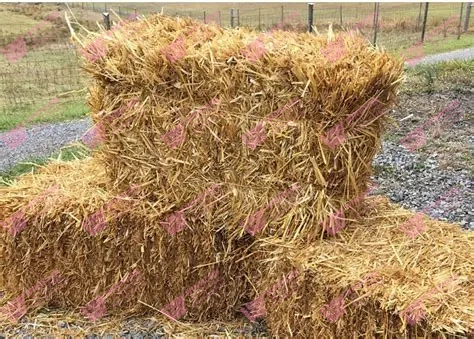
On any farm, crop straw and animal manure are two of the most common forms of waste. Straw piles up after harvest, and manure accumulates daily in barns and pens. For years, many farmers dealt with them separately—spreading manure on fields, burning or discarding straw. But those methods waste nutrients, cause pollution, and miss a golden opportunity. The smart approach is to mix them together, and the benefits of mixing crop straw with manure for utilization are hard to beat. This pairing creates a balanced compost that’s cheaper to produce, better for soil, and easier to sell.
Why Mix Crop Straw with Manure? Understanding the Benefits of Mixing Crop Straw with Manure for Utilization
Manure is loaded with nitrogen, phosphorus, and potassium—nutrients plants need to grow. But it’s also wet, dense, and prone to smelling bad. Straw, on the other hand, is high in carbon but low in nutrients. Alone, neither makes the perfect fertilizer. Together, they complement each other perfectly. This is the Benefits of Mixing Crop Straw with Manure for Utilization.
When you blend them, you get several advantages
Balanced composting: The carbon from straw feeds the microbes that break down the nitrogen in manure, preventing ammonia smells and speeding up decomposition.
Improved texture: Straw keeps the compost fluffy and aerated, so oxygen reaches all parts of the pile. This is essential for the high-temperature phase that kills weed seeds and pathogens.
Reduced waste: Instead of burning straw or paying to dispose of manure, you turn both into one useful product. This is the Benefits of Mixing Crop Straw with Manure for Utilization.
Better soil structure: The finished compost holds water, improves drainage, and supports beneficial soil life.
Higher profits: A well-made compost from mixed materials sells for more than plain manure or straw alone.
This is the essence of the benefits of mixing crop straw with manure for utilization—turning two liabilities into one valuable resource. These are the Benefits of Mixing Crop Straw with Manure for Utilization.
How to Mix Crop Straw with Manure for Utilization: Step-by-Step
Gather Materials
Collect fresh manure from your livestock and dry straw from your fields. Aim for a ratio of about three parts straw to one part manure by volume. This balance is key to getting the full benefits of mixing crop straw with manure for utilization.
Shred and Prepare
Use a small electric shredder or crusher to chop the straw into pieces 5–10 cm long. This makes it easier to mix and speeds up decomposition. The manure should be relatively free of large bedding clumps.
This step is to cut the materials as the straw is very long and hard so it is difficult to having latter steps. And several machines you can choose to start the material processing.
Blend Thoroughly
Spread the straw and manure in alternating layers, then mix them with a pitchfork or mechanical mixer. The goal is a uniform blend with no dry patches or soggy mounds. After treat all the materials then you can blend them together, cause your aim is to let the two things complement each other. And this step you can see many mixers are suited for you. These are the Benefits of Mixing Crop Straw with Manure for Utilization.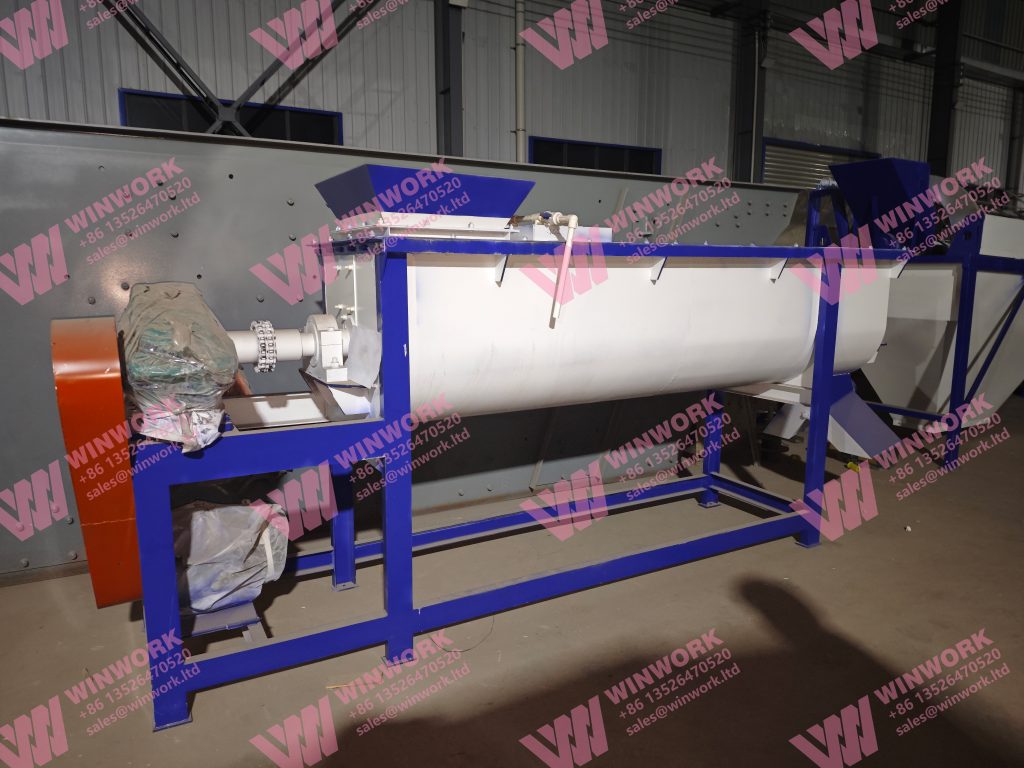
Build and Turn the Pile
Form the mixture into windrows or place it in composting bins. Turn the pile every 3–7 days with a compost turner to add oxygen. The internal temperature should reach 55–70°C and stay there for several days to kill pathogens and weed seeds.
Cure and Finish
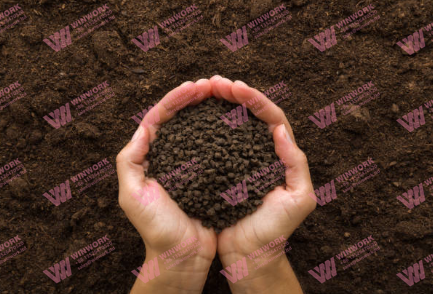
After the active composting phase, let the material cure for 4–6 weeks. The temperature will drop, and the compost will mature into a dark, crumbly, earthy-smelling product ready for use or sale.
Equipment That Helps Unlock the Benefits of Mixing Crop Straw with Manure for Utilization
You don’t need a big budget to get started. A simple straw shredder or crusher costs $800 to $2,000 and makes blending much easier. A basic compost turner, either hand-operated or powered by a tractor PTO, runs $1,000 to $3,000 and is vital for maintaining the heat that kills harmful organisms. A solid-liquid separator can be useful if your manure is very wet, helping you adjust moisture levels for better composting. For small farms, solar drying racks or a small rotary dryer can prepare the finished compost for storage or packaging. All of this equipment supports the benefits of mixing crop straw with manure for utilization without requiring massive upfront investment.
Real Farm Example
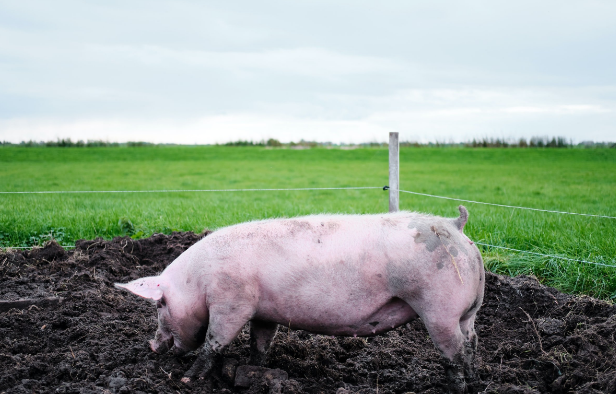
The Mas grow wheat and corn and raise 30 cows. Previously, they burned straw and paid to spread raw manure. After learning about the benefits of mixing crop straw with manure for utilization, they bought a $1,500 shredder and a $2,200 compost turner. They began blending straw with manure to produce 10 tons of compost annually. They replaced 80 percent of their synthetic fertilizer purchases and sold the surplus for $130 a ton. Within two years, the equipment paid for itself and added $1,000 in net income. Mixing straw and manure was the simplest change we ever made, but the benefits of mixing crop straw with manure for utilization have been huge, says Mr. Ma.
FAQ: Your Questions About the Benefits of Mixing Crop Straw with Manure for Utilization Answered
Q1: Can I mix any type of straw with manure?
A: Yes. Wheat, rice, corn, and barley straw all work well. Just shred them first.
Q2: How wet should the mixture be?
A: Like a wrung-out sponge. Too dry slows composting; too wet causes smells.
Q3: Will mixing straw and manure reduce odors?
A: Yes. The carbon in straw absorbs nitrogen and prevents ammonia smells.
Q4: How long does it take to make compost this way?
A: With regular turning, 2–3 months for active composting plus 1 month curing.
Q5: Can I use this compost on all crops?
A: Yes. It’s safe for vegetables, grains, orchards, and pastures.
Q6: Do I need special skills?
A: Basic knowledge of composting is enough. Monitoring temperature and moisture helps.
Q7: How much can I earn from selling this compost?
A: Prices vary, but screened compost often sells for $80–$200 per ton.
Q8: What if I don’t have a tractor?
A: Hand-operated tools and manual turning work for small operations.
Q9: Can I add other materials like leaves or sawdust?
A: Yes. Any carbon-rich material helps balance the mix.
Q10: How do I start using the benefits of mixing crop straw with manure for utilization?
A: Begin with a small pile using straw and manure. Add a shredder and turner as you scale up.
Conclusion
The benefits of mixing crop straw with manure for utilization go beyond waste reduction. This simple practice creates a balanced, high-quality compost that improves soil, cuts fertilizer costs, and opens new income streams. By using affordable equipment and following basic steps, farmers can turn two common waste products into one profitable solution. Whether you grow grains or raise livestock, tapping into the benefits of mixing crop straw with manure for utilization can make your farm more sustainable, more productive, and more profitable.
For more details, please feel free to contact us.
Email: sales@lanesvc.com
Contact number: +8613526470520
Whatsapp: +8613526470520

Get A Quote