

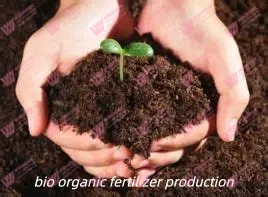
Sustainable agriculture has become a global priority, and bio organic fertilizer plays a vital role in improving soil fertility, enhancing crop yield, and reducing environmental impact. Producers who focus on optimizing bio organic fertilizer production can achieve higher efficiency, consistent product quality, and profitability.
This article explores strategies to maximize bio organic fertilizer production efficiency, covering raw materials, equipment, microbial activity, workflow optimization, quality control, environmental compliance, and technological innovations.
Selecting High-Quality Raw Materials of Bio Organic Fertilizer Production
The foundation of efficient bio organic fertilizer production lies in the quality of raw materials. Sources like animal manure, crop residues, food waste, and compostable byproducts provide the nutrients necessary for microbial activity. Consistency in particle size and moisture content is crucial for uniform fermentation. Pre-treatment processes, such as shredding, crushing, and mixing, ensure homogeneity, which accelerates microbial decomposition, shortens processing time, and improves nutrient retention in the final product.
Combining different types of organic materials allows producers to fine-tune NPK ratios, creating fertilizers suitable for specific crops or soil types. Proper raw material selection reduces the risk of uneven fermentation and helps maintain consistent nutrient levels across batches. This preparation is a key factor in long-term bio organic fertilizer production efficiency.
Optimizing Composting Conditions in Bio Organic Fertilizer Production
Composting is the core of bio organic fertilizer production. Maintaining optimal temperature, moisture, and aeration supports microbial activity while preventing anaerobic zones that reduce nutrient quality. Temperatures between 55–65°C promote pathogen elimination and microbial growth, converting organic matter into nutrient-rich compost.
Mechanical compost turners or aeration systems enhance oxygen distribution, accelerating decomposition and preventing uneven fermentation. Automated monitoring systems for temperature, moisture, and pH allow producers to maintain consistent conditions and respond quickly to deviations. Well-managed composting also minimizes odor and contributes to environmentally sustainable operations.
Key Equipment in Bio Organic Fertilizer Production
A modern bio organic fertilizer production line consists of several critical machines, each serving a specific function to ensure efficient and high-quality production. The main equipment includes:
Compost Turner – This machine is used during the fermentation stage to mix raw organic materials, ensuring uniform aeration and microbial activity. It helps accelerate the decomposition process and prevents anaerobic zones that could produce unpleasant odors.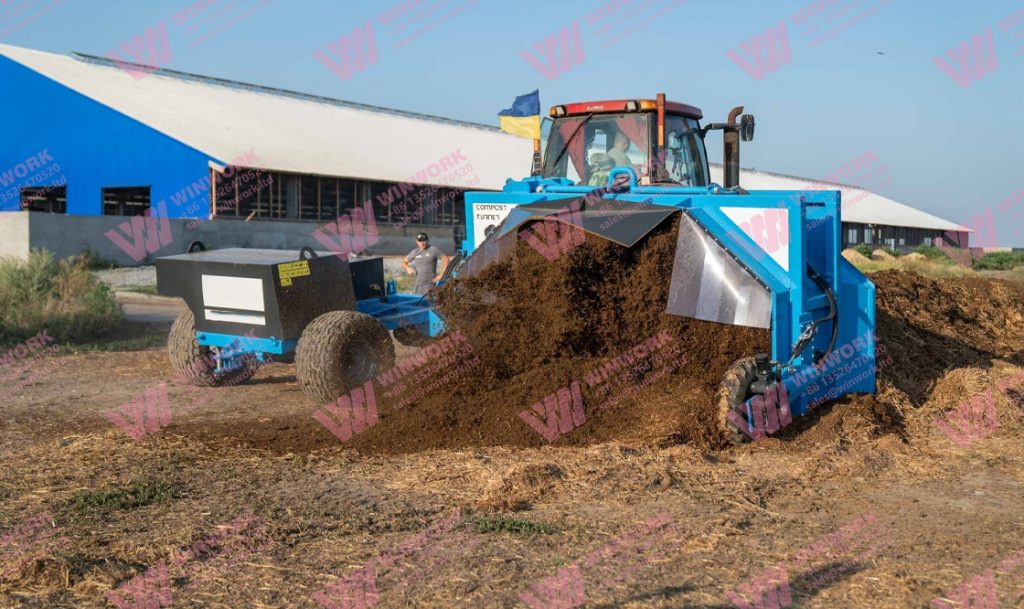
Crusher – Crushers reduce the size of raw materials like crop residues, animal manure, and organic byproducts. Smaller particles increase surface area, which improves microbial decomposition and ensures a more consistent nutrient profile in the final fertilizer.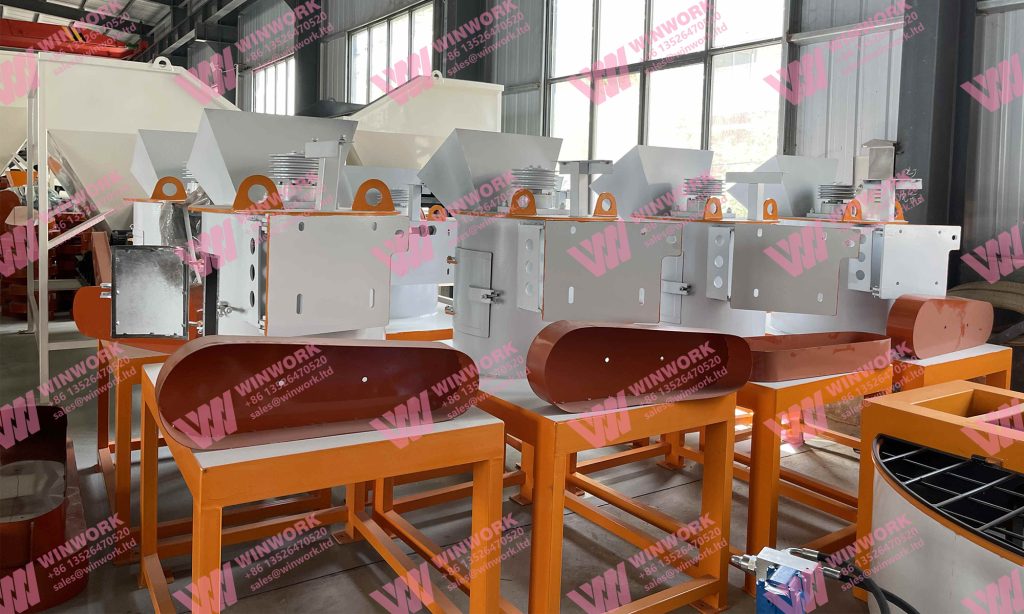
Mixer – Mixers blend different raw materials and additives to maintain a balanced nutrient ratio. This ensures uniformity in the compost and helps achieve the desired NPK levels for specific crops or soil types.
Granulator – Granulators convert fermented compost into uniform pellets. Pelletizing makes the fertilizer easier to handle, transport, and store. It also ensures more even application in the field, improving crop nutrient uptake.
Dryer and Cooler – After granulation, dryers remove excess moisture to stabilize the pellets, while coolers reduce the temperature to prevent caking during storage. Proper drying and cooling extend shelf life and maintain nutrient quality.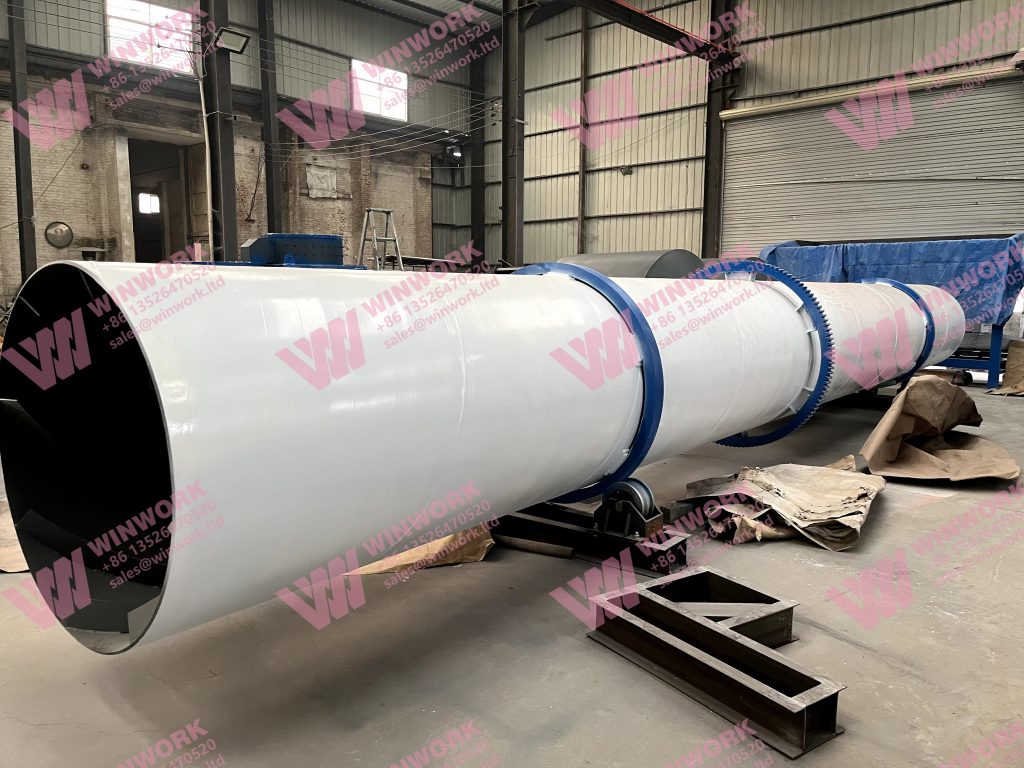
Screening Machine – Screening removes oversized or undersized pellets, ensuring uniform size distribution. Oversized material can be crushed and recycled, while undersized pellets are returned to the granulator, reducing waste.
Packaging Machine – Automated packaging systems weigh, bag, and seal finished fertilizer pellets. This ensures consistent weight, protects the product from moisture, and facilitates easier handling and transport.
Using this set of equipment, producers can streamline bio organic fertilizer production, improve consistency, reduce labor costs, and maintain high throughput. Each machine plays a crucial role, and proper integration of all machines ensures smooth production from raw material handling to finished product packaging.
Enhancing Microbial Activity in Bio Organic Fertilizer Production
Microbial inoculants accelerate decomposition and improve nutrient availability. Beneficial bacteria and fungi enhance nitrogen fixation, phosphorus solubilization, and organic matter breakdown. Applying microbial additives at the proper stage ensures stable fermentation and consistent final product quality. Regular monitoring of microbial populations prevents contamination and allows adjustment of process parameters for optimal efficiency. Maintaining a healthy microbial ecosystem is critical for consistent bio organic fertilizer production.
Streamlining the Production Workflow about Bio Organic Fertilizer Production
Optimizing workflow is key for efficiency. Continuous fermentation systems reduce idle time between stages, while conveyor systems automate material transfer, minimizing manual handling. Real-time sensors monitoring moisture, temperature, and pH maintain optimal composting conditions.
Streamlined workflow enables faster scaling as demand grows, ensuring that production remains stable even during peak periods. Studies show that such process optimization can increase production efficiency by up to 30 percent. Smooth workflow integration also improves energy utilization and reduces waste.
Quality Control and Standardization of Bio Organic Fertilizer Production
Consistent quality is essential in bio organic fertilizer production. Regular testing of nutrient content, moisture, and pellet size ensures compliance with standards. Standard operating procedures across all production stages reduce variability, guaranteeing that every batch meets expected specifications.
Investment in laboratory equipment and staff training supports reliable monitoring and early identification of production issues. Quality control improves product consistency, reduces waste, and contributes to higher overall efficiency.
Environmental Compliance and Sustainability of Bio Organic Fertilizer Production
Sustainable bio organic fertilizer production requires careful management of emissions, odor, and wastewater. Ventilation, dust collection, and wastewater treatment systems help maintain compliance with environmental regulations while reducing ecological impact. Incorporating sustainable practices, such as recycling process water and minimizing energy use, contributes to long-term operational stability.
Producers that focus on environmentally responsible methods benefit from improved reputation and better alignment with modern agricultural practices. Sustainability measures also reduce costs associated with energy consumption and regulatory compliance.
Technological Innovations in Bio Organic Fertilizer Production
Automation and technology play an increasingly important role. Automation in feeding, mixing, granulation, drying, and packaging reduces manual errors. Advanced sensors and control systems provide real-time data on fermentation, granulation, and moisture content. Data analytics identify bottlenecks and highlight areas for process optimization. Using renewable energy sources, such as biogas recovered from fermentation, reduces operational costs and supports sustainable bio organic fertilizer production.
Customization and Market Considerations
Producers can adjust nutrient ratios, pellet sizes, and moisture content to meet the needs of different crops or soils. Customized fertilizers improve performance for specific applications and help maintain customer satisfaction. Planning production according to seasonal demand and regional requirements ensures efficient use of resources and avoids overproduction or shortages.
Storage and Handling of Finished Products
Proper storage and handling are crucial for maintaining quality. Dried pellets should be stored in well-ventilated, moisture-free facilities to prevent degradation or mold. Automated packaging ensures precise weight and secure sealing, minimizing loss during storage or transport. Efficient handling supports consistent quality and preserves nutrient content, completing the production cycle.
Maintenance and Staff Training in Bio Organic Fertilizer Production
Regular maintenance of compost turners, crushers, mixers, granulators, dryers, screeners, and packaging machines is essential to avoid downtime. Lubrication, cleaning, and part replacement extend equipment life and ensure consistent performance. Staff training on proper operation and monitoring of key parameters like moisture and temperature is vital to maintain stable production. Clear procedures help minimize human error and improve overall output.
Data Monitoring and Process Optimization
Recording and analyzing production data helps identify inefficiencies and optimize the process. Parameters such as fermentation time, temperature, moisture, pellet size, and throughput provide insight for continuous improvement. Data-driven decision-making allows for higher consistency, reduced waste, and more predictable outputs. Integrating monitoring software can automate tracking and support scalability in bio organic fertilizer production.
Conclusion
Efficient bio organic fertilizer production depends on careful selection of raw materials, optimized composting, modern equipment, microbial management, workflow optimization, quality control, environmental compliance, technological integration, customization, proper storage, maintenance, and data-driven process optimization. A well-designed production line, including compost turners, crushers, mixers, granulators, dryers, screeners, and packaging machines, ensures high throughput and consistent product quality. Combining these strategies allows producers to meet increasing demand while maintaining sustainability, efficiency, and high product standards.
For more details, please feel free to contact us.
Email: sales@lanesvc.com
Contact number: +8613526470520
Whatsapp: +8613526470520
Get A Quote