

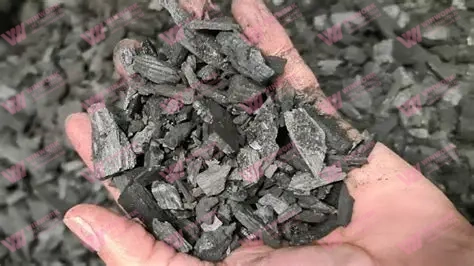
Introduction: Why Biomass Carbonization Equipment Matters More Than Ever
With the rapid growth of biochar applications in agriculture, soil remediation, carbon sequestration, and renewable energy, biomass carbonization equipment has become a core investment for modern biomass processing plants. Unlike traditional charcoal kilns, industrial carbonization systems are designed for continuous operation, precise temperature control, and stable output quality.
However, many projects fail to achieve expected performance not because of raw material limitations, but due to improper equipment selection or poorly designed carbonization flow. Understanding how biomass carbonization equipment works—and what truly affects its efficiency—is essential before making any technical or financial decisions.
This article breaks down the structure, working principles, equipment configurations, and key selection criteria of industrial biomass carbonization systems, helping you avoid common design mistakes and maximize long-term returns.
What Is Biomass Carbonization Equipment?
Biomass carbonization equipment refers to an integrated industrial system that converts organic biomass materials into biochar through controlled thermal decomposition under limited or oxygen-free conditions.
Typical feedstock includes:
- Agricultural waste (rice husk, straw, corn stalks)
- Forestry residues (wood chips, sawdust)
- Livestock manure (after drying)
- Organic industrial by-products
Unlike open or batch kilns, industrial systems emphasize:
- Continuous feeding and discharge
- Stable temperature zones
- Gas recovery and reuse
- Automated control
Technology Trend 1: Continuous Carbonization Replacing Batch Processing
One of the most significant developments in biomass carbonization equipment is the transition from batch-type furnaces to continuous carbonization systems. Continuous designs allow stable feeding, controlled residence time, and consistent carbonization temperature, which directly improves biochar quality.
Industrial users increasingly prefer continuous biomass carbonization equipment because it reduces downtime, lowers labor dependence, and supports large-scale production. This trend is particularly evident in regions where biomass feedstock supply is stable and long-term processing contracts are in place.
In large installations, continuous reactors are typically integrated into a full carbonization production line, including feeding systems, gas recovery units, and cooling sections.
Technology Trend 2: Broader Compatibility With Biomass Feedstock Types
Early-generation biomass carbonization equipment often suffered from narrow raw material compatibility. Current industrial designs emphasize adaptability to diverse biomass types such as rice husk, sawdust, wood chips, coconut shell, palm fiber, and sludge-derived biomass.
This flexibility is achieved through adjustable feeding mechanisms, variable-speed conveyors, and optimized reactor geometry. As a result, modern biomass carbonization equipment can maintain stable operation even when raw material moisture content and particle size fluctuate.
From a market perspective, equipment with wide feedstock tolerance is more attractive to operators seeking to reduce raw material procurement risks.
Technology Trend 3: Integration of Auxiliary Equipment for System Stability
Industrial carbonization is no longer centered on a single furnace. A complete biomass carbonization equipment system typically includes multiple auxiliary machines to ensure stable and safe operation.
Common supporting equipment includes:
- Crushing machines for biomass size control
- Horizontal mixers
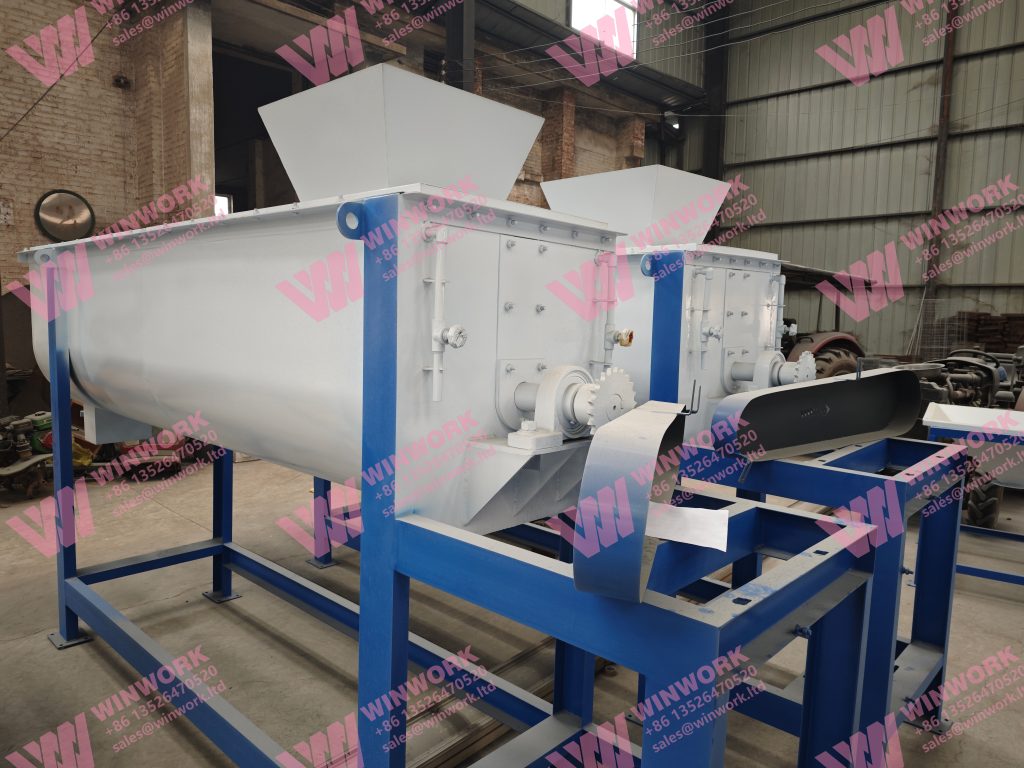
- Double roller granulator
- Carbonization furnace
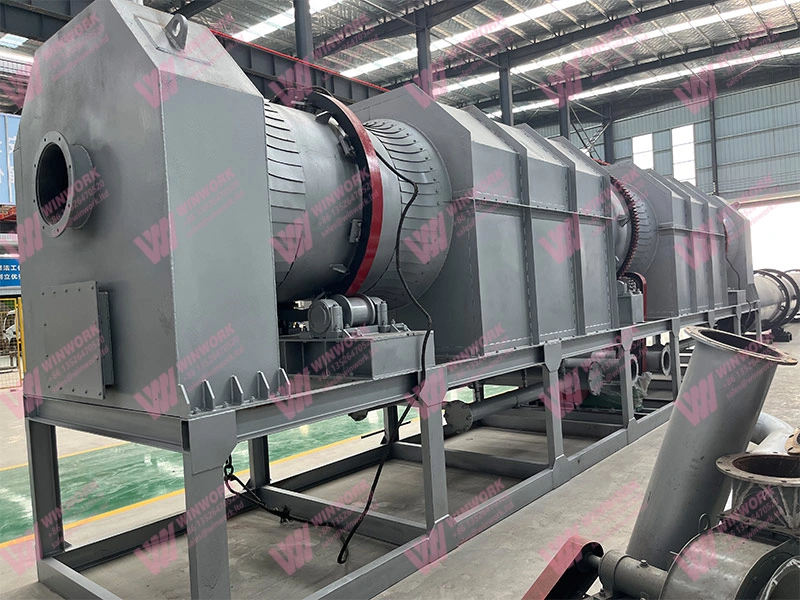
- Drying systems to reduce moisture before carbonization
- Carbonization reactors as the core thermal unit
- Gas combustion chambers for exhaust gas treatment
- Cooling and discharging units for finished biochar
- Coating machine
- Rotary Screener
- Packaging machine
The coordination between these machines directly determines production efficiency. Poor matching often leads to unstable temperature control, excessive gas emissions, or unplanned shutdowns.
Technology Trend 4: Emission Control and Environmental Compliance as Core Design Factors
Environmental regulation has become a decisive factor influencing biomass carbonization equipment design. Industrial buyers increasingly require closed-loop systems capable of handling pyrolysis gas, dust, and odor emissions.
Modern equipment integrates secondary combustion chambers, cyclone dust collectors, and wet or dry gas purification systems. These features allow biomass carbonization equipment to meet local environmental standards while recovering heat energy for reuse in the process.
From an industry standpoint, emission compliance is no longer an optional upgrade but a baseline requirement for market acceptance.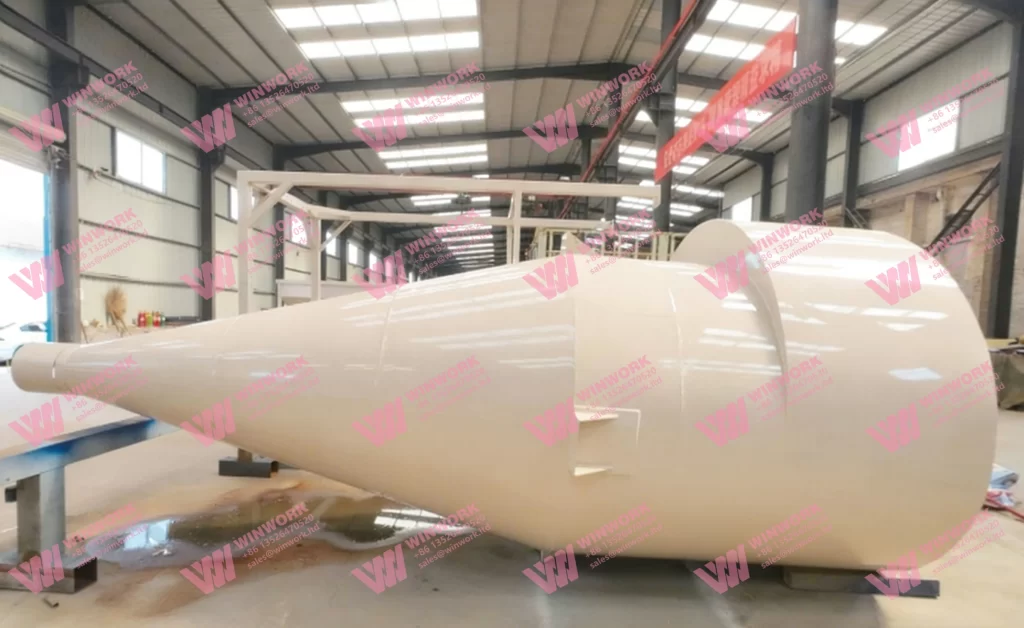
Technology Trend 5: Automation and Intelligent Control Systems
Automation has rapidly become a standard feature of advanced biomass carbonization equipment. PLC-based control systems enable real-time monitoring of temperature, feeding rate, gas pressure, and discharge speed.
Automated control improves production consistency and reduces the risk of human error, particularly in continuous carbonization lines. For large plants, centralized control rooms allow operators to manage the entire biomass carbonization equipment system with minimal staffing.
This trend aligns with broader industrial digitalization initiatives across the renewable energy and environmental equipment sectors.
Technology Trend 6: Modular Design for Scalable Production Capacity
Another notable trend is modularization. Manufacturers now offer biomass carbonization equipment in modular units that can be expanded as production demand grows.
Instead of replacing entire systems, operators can add parallel carbonization modules, feeding units, or gas treatment components. This approach lowers initial investment risk and supports phased capacity expansion.
Modular biomass carbonization equipment is particularly suitable for emerging markets and pilot projects transitioning toward industrial-scale operation.
7 Key Factors That Affect Equipment Performance
Several critical factors determine the performance and efficiency of biomass carbonization equipment. Paying attention to these aspects helps optimize output, improve product quality, and reduce operating costs.
Feedstock Type and Size Consistency
The type and uniformity of feedstock strongly influence heat distribution in biomass carbonization equipment. Irregular particle sizes or mixed densities cause uneven carbonization, reducing overall conversion efficiency and product consistency.
Moisture Control Accuracy
Accurate moisture control is essential for stable carbonization. Excessive or inconsistent moisture increases energy demand and causes fluctuating reactor temperatures, lowering throughput.
Reactor Sealing Performance
Proper sealing ensures the reactor maintains an oxygen-limited environment. Air leakage can trigger partial oxidation, leading to carbon loss and temperature instability.
Temperature Control Zones
Multi-zone temperature regulation allows precise control of heating, reaction, and cooling stages. This improves uniformity of carbonization and ensures consistent product quality.
Gas Recycling Efficiency
Efficient gas recycling provides a significant portion of the thermal energy required for carbonization. Low recovery rates increase fuel consumption and raise operational costs.
Automation Level
Higher automation reduces reliance on manual intervention and human error. PLC-controlled systems improve process stability, data traceability, and long-term optimization.
Equipment Material and Wear Resistance
Using high-temperature-resistant materials enhances structural stability and durability. Poor material quality accelerates wear, increases maintenance needs, and elevates operating costs for biomass carbonization equipment.
Market Outlook: Biomass Carbonization Equipment as a Long-Term Industrial Asset
Industry analysts project sustained growth in the biomass carbonization equipment market, driven by biochar demand in agriculture, metallurgy, water treatment, and environmental remediation.
As applications expand, buyers are placing greater emphasis on equipment reliability, process stability, and lifecycle cost rather than short-term pricing advantages. This shift favors manufacturers capable of delivering complete, well-engineered biomass carbonization equipment solutions with proven industrial references.
Conclusion
The evolution of biomass carbonization equipment reflects a broader transformation in biomass utilization and renewable carbon production. Continuous operation, feedstock adaptability, integrated auxiliary systems, emission control, automation, and modular scalability have become defining characteristics of modern industrial carbonization lines.
As environmental policies tighten and biomass resource utilization becomes more strategic, demand for high-performance biomass carbonization equipment is expected to remain strong. For industrial operators, understanding these technology trends is essential for making informed, future-oriented investment decisions.
For more details, please feel free to contact us.
Email: sales@lanesvc.com
Contact number: +8613526470520
Whatsapp: +8613526470520

Get A Quote