

Introduction
The is a vital part of producing high-quality cat litter. Granulation transforms raw materials, such as clay, wood, or plant-based fibers, into small, uniform pellets that meet the needs of both pets and their owners. The process involves multiple stages, and each requires specialized equipment to ensure optimal efficiency and product quality.
In this article, we’ll walk you through the 5 main steps of the granulation process, helping you understand how to optimize your production line for better performance and consistent results.
5 Key Steps in the Cat Litter Granulation Process
- Raw Material Preparation
The first step in the cat litter granulation process is preparing the raw materials. This can include natural materials like clay, wood, coconut husk, or corn. Depending on the material, pre-processing may be needed, such as cleaning, grinding, and shredding.
Primary Equipment: Wood Crusher
The wood crusher breaks down larger wood materials, such as logs or shavings, into smaller, uniform pieces suitable for granulation.
- Drying the Raw Material
Once the materials are prepared, they need to be dried. The drying process removes excess moisture, which can affect the final product’s consistency, absorbency, and performance. The ideal moisture content for granulation is around 8%-12%.
Primary Equipment: Rotary Dryer
The rotary dryer efficiently dries the raw material using heat and airflow, reducing moisture to the required level. This step ensures that the materials are ready for granulation and prevents issues such as clumping or poor absorbency in the final product.
- Granulation Process
Granulation is the core of the cat litter granulation process, where the dried raw material is transformed into small, uniform pellets. The size and shape of these pellets are essential for achieving optimal absorbency, odor control, and consistency.
Primary Equipment: Cat Litter Granulator
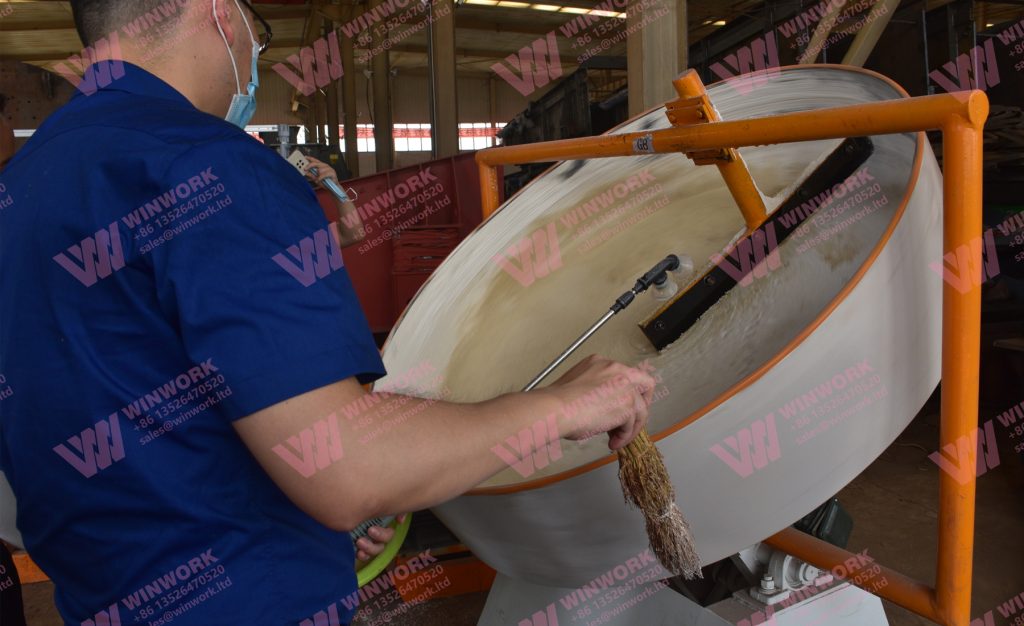
The granulator shapes the dried material into pellets. This machine plays a crucial role in controlling the size, shape, and consistency of the pellets. Granulators can produce pellets in various shapes—typically cylindrical or spherical—and ensure that the pellets are uniform, which is vital for achieving consistent product quality.
- Cooling and Screening
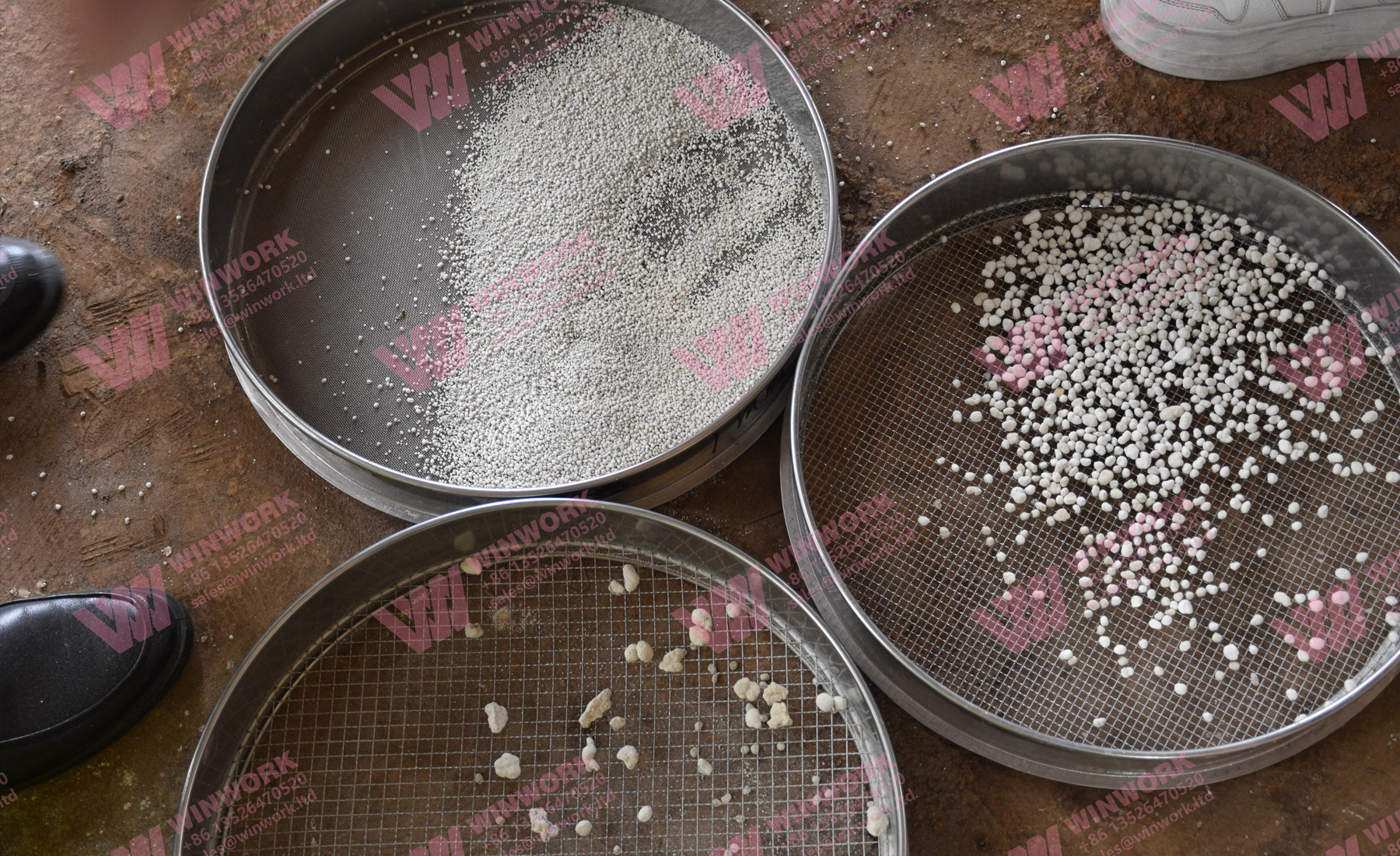
After granulation, the pellets must be cooled to maintain their shape and prevent moisture reabsorption. The cooling process also stabilizes the pellets, ensuring they are ready for packaging.Screening helps check out the unqualified granules and put them back to reprocess,which ensures the size and quality of final products.
Primary Equipment: Rotary Cooling Machine
A rotary cooling machine or fluid bed cooler is used to bring the temperature of the pellets down to room temperature. This prevents the pellets from becoming too soft or sticky, ensuring they maintain their shape.
Primary Equipment: Vibrating Screen Machine
After cooling, the pellets pass through a vibrating screen. This machine separates uniform pellets from any oversized or undersized particles, ensuring that only high-quality pellets proceed to the packaging stage. The screener improves product consistency and helps to eliminate defective pellets.
- Packaging the Finished Product
The final step in the cat litter granulation process is packaging the finished pellets. Automated packaging systems ensure that each bag of cat litter is filled accurately and sealed securely, ready for sale.
Primary Equipment: Automatic Packaging Machine
The automatic packaging machine weighs and packages the finished cat litter into bags of various sizes. This machine helps to streamline the packaging process, increase speed, and reduce human error, ensuring that each bag is consistently filled with the right amount of product.
Benefits of Optimizing the Cat Litter Granulation Process
Investing in a high-quality cat litter granulation production line brings numerous benefits, both in terms of product quality and production efficiency:
Increased Efficiency: Automated machines, such as the granulator and vibrating screen, increase production speed, reduce manual labor, and minimize downtime.
Consistent Product Quality: With machines that precisely control pellet size, shape, and moisture content, the granulation process ensures that each batch of cat litter meets the required standards.
Reduced Waste: The proper use of equipment like the rotary dryer and vibrating screen minimizes material waste by ensuring that only quality pellets move forward in the process.
Cost Reduction: Optimizing the process with the right equipment helps reduce production costs, particularly in terms of raw material waste, labor, and energy consumption.
Higher Output: A well-optimized production line allows manufacturers to meet growing demand and deliver products at a higher rate.
Common Problems and Solutions in Cat Litter Granulation Process
In the actual operation of the cat litter granulation process, several issues may occur, affecting production efficiency and product quality. Here are the common problems and solutions:
Low granulation rate: The granulation rate may be low due to high moisture content or improper pressure. Adjusting the moisture level and granulator settings can improve the granulation efficiency.
Dusty pellets: Dusty pellets are usually caused by excessive fines in the raw materials. Using a vibrating screen and properly adjusting the crushing size can reduce dust and improve pellet quality.
Uneven pellet size: Pellet sizes may be uneven because of worn granulator parts or inconsistent feeding. Replacing worn parts and stabilizing the feed rate can ensure uniform pellets.
Pellet deformation: Pellets may deform if cooling is insufficient after granulation. Improving the rotary drying and cooling settings helps maintain pellet shape and integrity.
Machine clogging: Clogging can occur due to sticky raw materials or improper temperature during granulation. Pre-drying the materials and adjusting the granulation temperature can prevent blockages.
Frequently Asked Questions about cat litter granulation process
- What is the most important step in the cat litter granulation process?
The most crucial step is the granulation stage, as it determines the size, shape, and consistency of the cat litter pellets. - Can I use the same equipment for wood-based and natural cat litter production?
Yes, many of the same machines, like the granulator and dryer, can be used for both wood-based and natural cat litter production. - How do I ensure consistent product quality in the cat litter granulation process?
Investing in high-quality equipment such as the vibrating screen and ensuring precise control over each stage can help maintain consistent product quality. - Why is energy efficiency important in a cat litter production line?
Energy-efficient equipment reduces operational costs and supports sustainable manufacturing, which is crucial for long-term profitability.
Conclusion
The cat litter granulation process is crucial for producing high-quality, efficient cat litter. By investing in the right equipment for each stage—raw material preparation, drying, granulation, cooling, and packaging—manufacturers can optimize their production lines, ensuring consistent product quality and high efficiency.
Understanding the role of each machine, such as the wood crusher, rotary dryer, granulator, vibrating screen, and automatic packaging machine, is essential for businesses looking to scale their production while maintaining the highest quality standards. Whether you’re just starting or upgrading your existing production line, optimizing the cat litter granulation process will enable you to meet the growing demand for quality cat litter products.
For more details, please feel free to contact us.
Email: sales@lanesvc.com
Contact number: +8613526470520
Whatsapp: +8613526470520
Get A Quote