

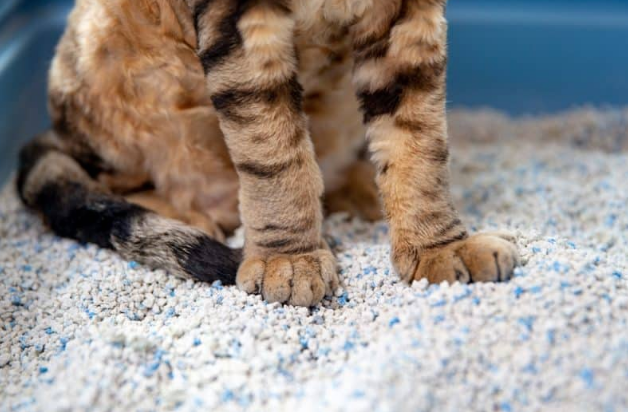
Growing Demand for Efficient Cat Litter Production
The global pet care market continues to expand, driving increasing demand for reliable cat litter products. Manufacturers are under pressure to deliver stable quality, high output, and competitive pricing. In this context, cat litter manufacturing equipment has become the foundation of efficient cat litter production.
Whether producing bentonite cat litter, tofu cat litter, or other biodegradable alternatives, manufacturers rely on specialized machinery to ensure uniform particle size, strong granule structure, and efficient moisture control. Proper equipment selection directly impacts production stability, operating cost, and long-term competitiveness.
Common Raw Materials Used in Cat Litter Manufacturing
Cat litter production involves a wide range of raw materials, each requiring specific processing methods. Cat litter manufacturing equipment must be adaptable to these material characteristics.
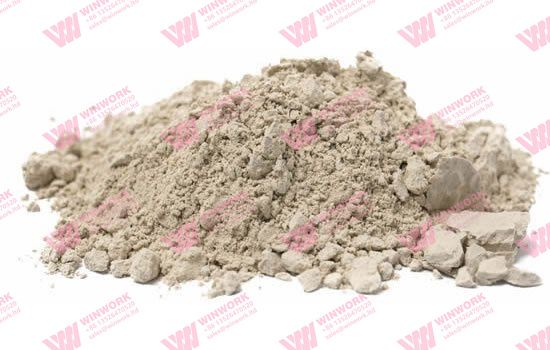
Typical raw materials include bentonite clay, tofu residue, corn starch, cassava fiber, wood powder, and other plant-based materials. Bentonite requires strong crushing and granulation capacity, while tofu and organic materials demand precise moisture control and gentle pellet forming. Efficient equipment ensures smooth processing regardless of raw material type, reducing waste and improving final product consistency.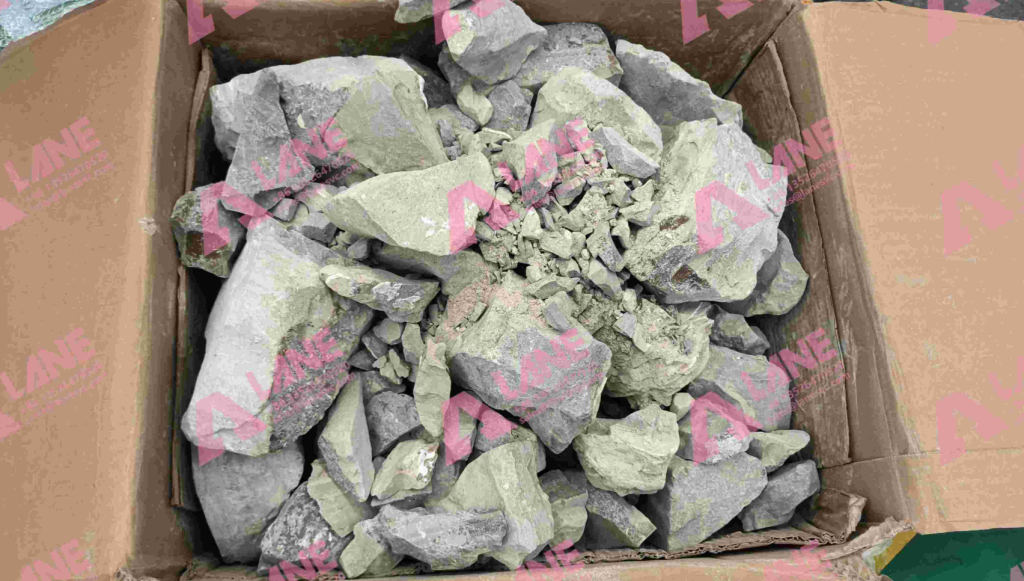
Key Equipment Units in a Cat Litter Production Line
A complete cat litter production line consists of multiple interconnected machines. Modern cat litter manufacturing equipment integrates these units into a continuous and efficient workflow.
Crushing equipment prepares raw materials by reducing particle size and ensuring uniform feeding. Mixing systems then combine raw materials with binders or additives to improve granulation performance. Granulation machines form pellets with controlled size and density, which is essential for dust control and absorbency.
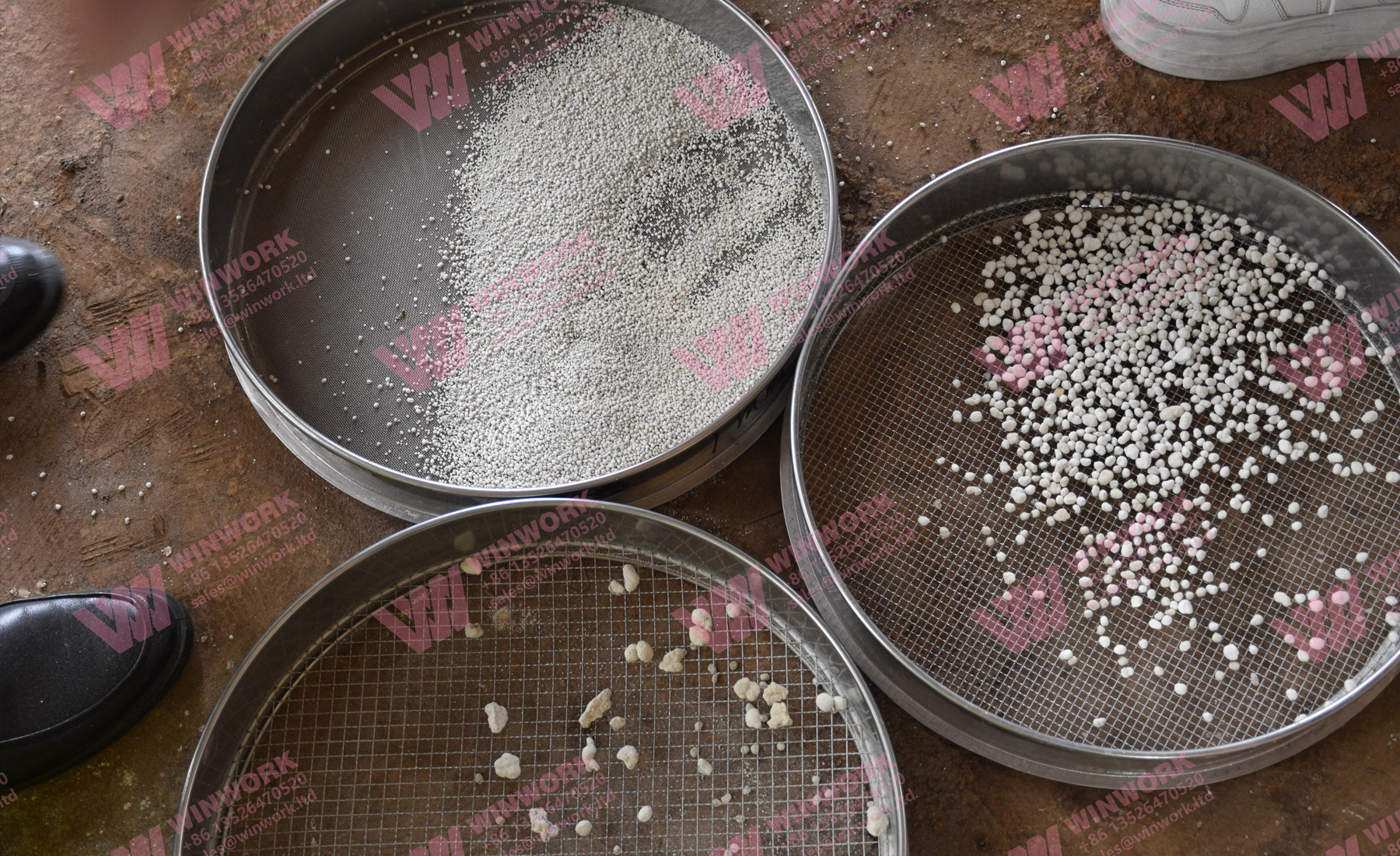
Drying equipment removes excess moisture to improve product stability, while cooling machines prevent pellet deformation during storage. Screening equipment separates qualified pellets from fines, and packing machines ensure efficient and clean packaging for shipment. Each unit contributes to overall production efficiency.
Granulation Technology and Pellet Quality Control
Granulation is one of the most critical stages in cat litter production. Advanced cat litter manufacturing equipment uses optimized granulation technology to achieve consistent pellet size and strength.
Disc granulators and drum granulators are commonly used, depending on production capacity and raw material properties. Proper granulation reduces dust, enhances water absorption, and improves clumping performance. Stable pellet quality also minimizes breakage during transportation and storage, reducing customer complaints and product loss.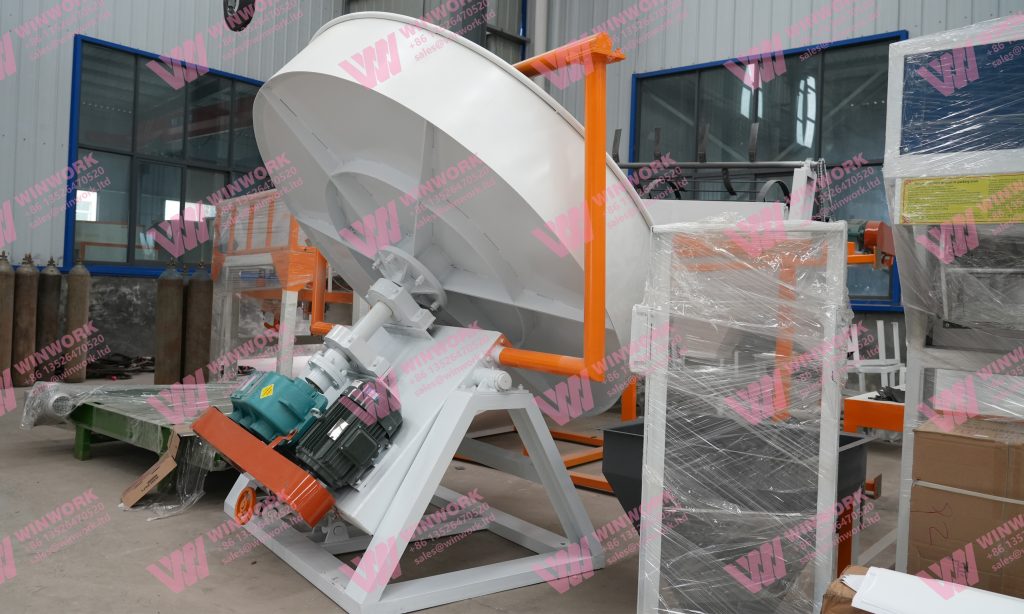
Automation and Energy Efficiency Advantages
Modern cat litter manufacturing equipment increasingly incorporates automation and energy-saving design. Automated control systems regulate feeding rates, moisture levels, and drying temperature, ensuring stable production with minimal manual intervention.
Energy-efficient motors and optimized airflow systems reduce power consumption while maintaining output. For manufacturers, this translates into lower operating costs and improved production predictability. Automation also improves workplace safety and reduces dependence on skilled labor.
Adaptability for Different Cat Litter Types
One major advantage of advanced cat litter manufacturing equipment is its flexibility. Production lines can be adjusted to manufacture different cat litter products using the same core equipment.
By modifying raw material ratios, granulation parameters, or drying conditions, manufacturers can switch between bentonite cat litter, tofu cat litter, or other biodegradable products. This adaptability allows factories to respond quickly to market trends and diversify product offerings without major equipment replacement.
Operational Challenges and Practical Solutions
During cat litter production, common challenges include material sticking, uneven granulation, excessive dust, and unstable moisture content. High-quality cat litter manufacturing equipment addresses these issues through improved design and precise control.
Anti-sticking liners, adjustable granulation angles, and efficient dust collection systems enhance operational stability. Reliable equipment minimizes downtime and maintenance frequency, supporting continuous production and consistent product quality.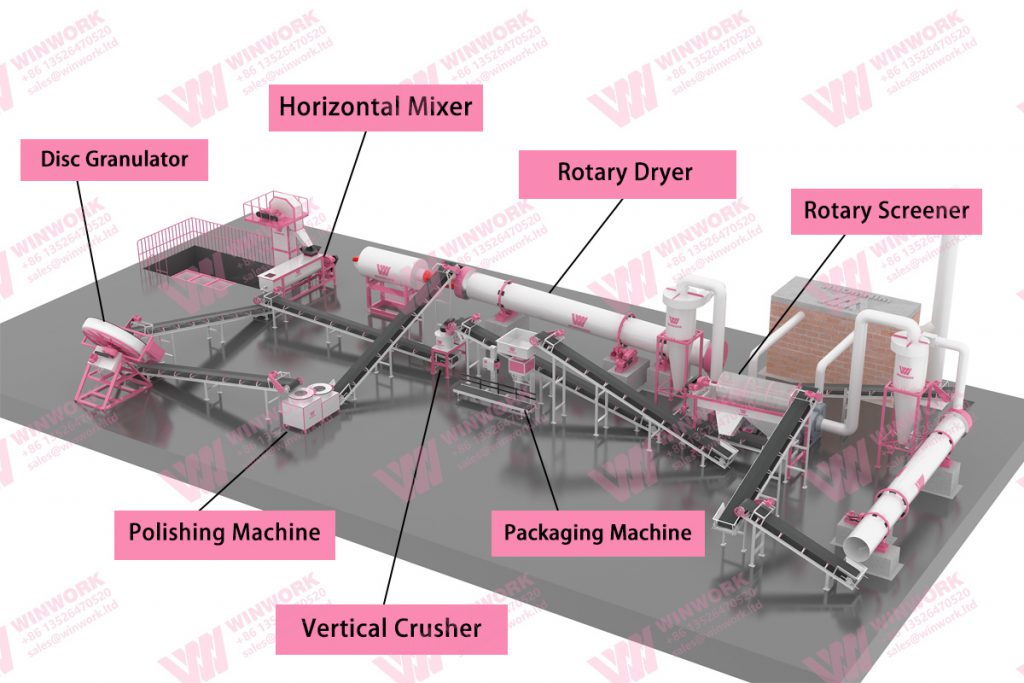
Frequently Asked Questions(FAQ) About Cat Litter Manufacturing Equipment
1. What types of cat litter can be produced using cat litter manufacturing equipment?
Cat litter manufacturing equipment can be used to produce bentonite cat litter, tofu cat litter, corn-based cat litter, wood pellet cat litter, and other biodegradable varieties by adjusting processing parameters.
2. How does cat litter manufacturing equipment affect pellet quality?
Proper equipment design ensures uniform granulation, controlled moisture content, and reduced dust, all of which directly influence pellet strength, absorbency, and product stability.
3. Is cat litter manufacturing equipment suitable for small-scale production?
Yes. Cat litter manufacturing equipment can be configured for small, medium, or large-scale production. Modular designs allow manufacturers to start with lower capacity and expand gradually.
4. What factors should be considered when selecting cat litter manufacturing equipment?
Key factors include raw material characteristics, target production capacity, automation level, energy efficiency, and long-term maintenance requirements.
5. Can cat litter manufacturing equipment support automated production lines?
Modern cat litter manufacturing equipment is compatible with automated control systems, enabling precise monitoring of feeding, granulation, drying, and packaging processes.
Conclusion
Modern cat litter manufacturing equipment provides the efficiency and stability required for consistent cat litter production. By supporting precise granulation, effective drying, and reliable process control, well-designed equipment helps manufacturers reduce costs and maintain product quality. In the long term, optimized equipment configuration supports sustainable production and competitive growth.
For more details, please feel free to contact us.
Email: sales@lanesvc.com
Contact number: +8613526470520
Whatsapp: +8613526470520
Get A Quote