

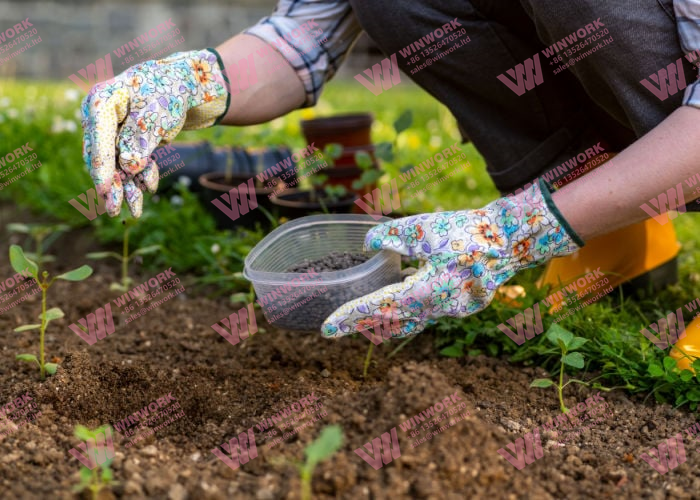
Introduction
Amid the global push for sustainable agriculture and resource recycling, chicken manure to fertilizer is gaining attention from farmers and gardening enthusiasts alike. But how to turn chicken manure into organic fertilizer at home? Do you have some interests on it? Coincidentally you can read this press release explains how poultry waste can be transformed into high‑quality organic fertilizer, detailing the chicken manure to fertilizer process, common equipment, key benefits, and an FAQ section to address practical concerns, helping readers master the full cycle from manure collection to finished fertilizer and achieve cost savings, soil improvement, and waste reduction.
In recent years, rising chemical fertilizer prices and stricter environmental regulations have moved chicken manure to fertilizer from niche experimentation to mainstream practice. Many people search for how to turn chicken manure into organic fertilizer at home— and the answer is a definite yes and it is easy. With proper treatment and suitable equipment, chicken manure can be converted into a safe, effective organic fertilizer. This article focuses on chicken manure to fertilizer, covering raw material characteristics, fertilizer manufacturing workflow, typical equipment, and proven benefits for both home and farm use.
The Resource Potential of Poultry Waste
Chicken manure is rich in nitrogen, it take up about 1.5%–2.5%, phosphorus 1.0%–2.0%, potassium 0.5%–1.0%, plus abundant organic matter and micronutrients, making it a natural source of fast‑ and slow‑release nutrients. However, fresh chicken manure has high moisture which is usually 65%–75% and a low carbon‑to‑nitrogen ratio around 10:1, so direct application can burn roots and encourage pests and disease. Therefore, chicken manure to fertilizer processing is essential to sanitize and stabilize the material before use.
For home users, answering “how to turn chicken manure into organic fertilizer at home?”means simplifying the process and using small, easy‑to‑operate equipment. For larger farms, establishing a full fertilizer manufacturing line ensures consistent output and quality.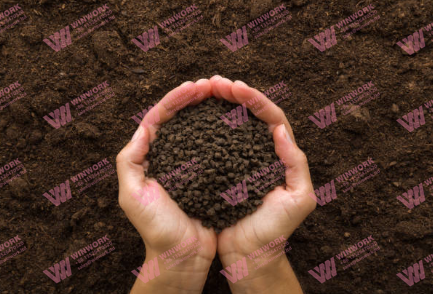
Chicken Manure to Fertilizer Process
First is to collect them. Gather fresh manure and remove impurities like feathers and grit. This step is the foundation of chicken manure to fertilizer and directly affects fermentation efficiency.
If you are a small scale or just in your home, you don’t need to buy a ferment tank, you can just turn the materials with human labor.
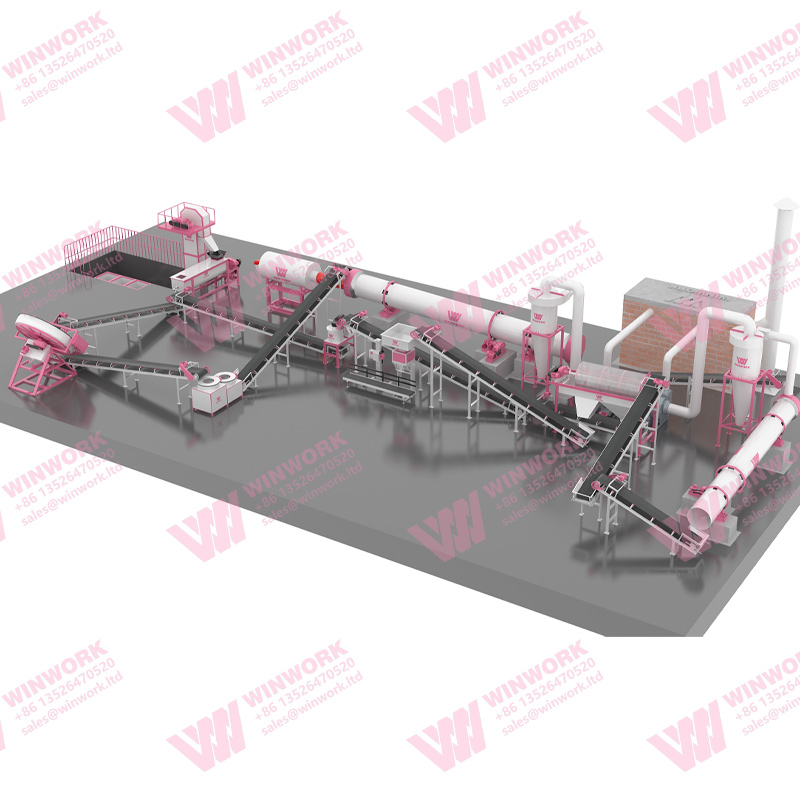
Industrial Scale or big business: Employ a ferment tank with precise temperature 55–70 °C, moisture 50%–60%, and aeration control, completing fermentation in 7–15 days. This equipment is the core of large‑scale chicken manure to fertilizer production.
The tank you can take consider of this kind. The Horizontal Fermentation Tank is a state-of-the-art equipment designed for the effective aerobic fermentation of organic waste, agricultural residues, sludge, and other compostable materials. Unlike vertical tanks, the horizontal design allows for larger capacity and more uniform fermentation.
The Horizontal Fermentation Tank is widely used in the production of organic fertilizers and compost, offering numerous advantages in terms of efficiency, control, and environmental impact.
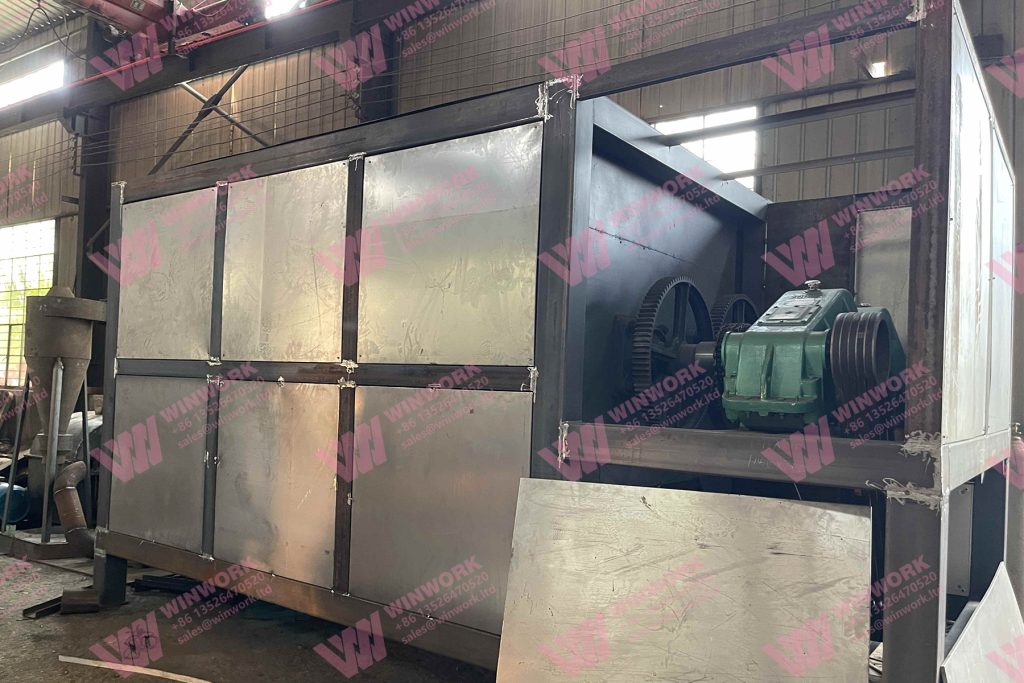
Horizontal fermentation tank
After the previous step of fermentation is completed, these raw materials may clump together. At this time, a crusher is needed to crush them into a state that is convenient for granulation. Similarly, if there is a small amount of material, it can be crushed manually or a small crusher can be made by oneself. If it is a large-scale breeding farm, these devices can be chosen for the crusher at this time.
Horizontal crusher, also known as horizontal semi-wet material crusher, is a kind of crushing equipment specially designed to deal with high humidity, organic materials, especially suitable for organic fertilizer production in the material pre-treatment.
Horizontal crusher adopts a unique double-stage rotor structure, can effectively deal with high humidity materials, such as livestock and poultry manure, city garbage, crop residues and so on. It has high crushing efficiency, even material size, no blockage, no sticking phenomenon, and is one of the indispensable key equipments in organic fertilizer production line.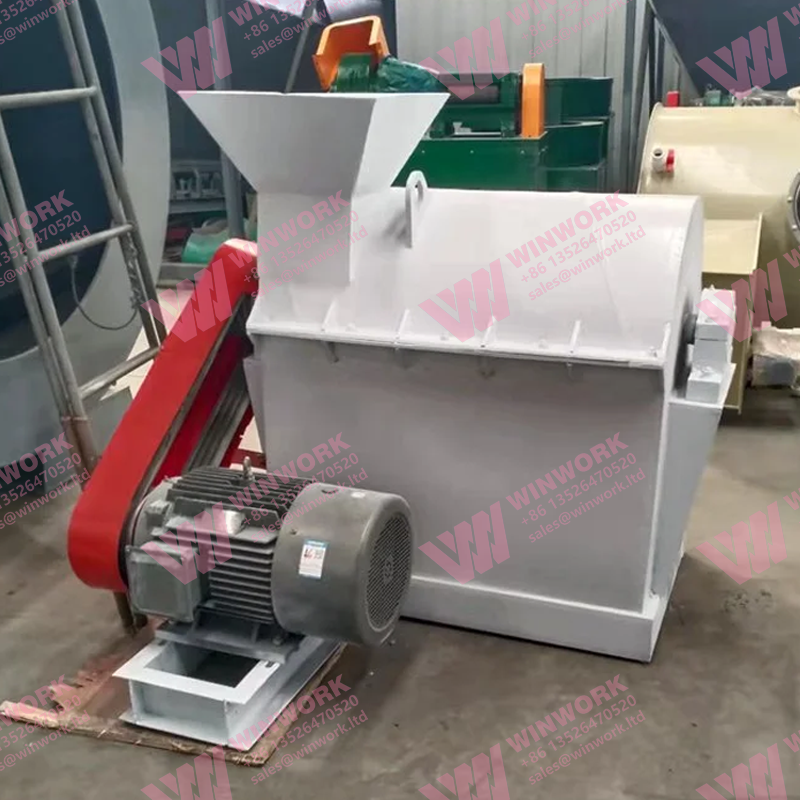
After this step, you can add some additive to make the manure can be granulated, then you can start your next step.
This step is granulation which is optional but important.
If it is small and in small quantities, manual pressing can be carried out to compress the fertilizer into granules or shape it, which is convenient for storage. Large-scale farms can purchase professional granulators, which can be used for a long time and at the same time improve work efficiency.
Rotary drum granulator is a kind of high efficient molding machinery, which can process raw materials into specific shapes of particles. As the core equipment of compound fertilizer production line, rotary drum granulator is suitable for cold and hot granulation as well as large-scale production of high, medium and low concentration compound fertilizer.
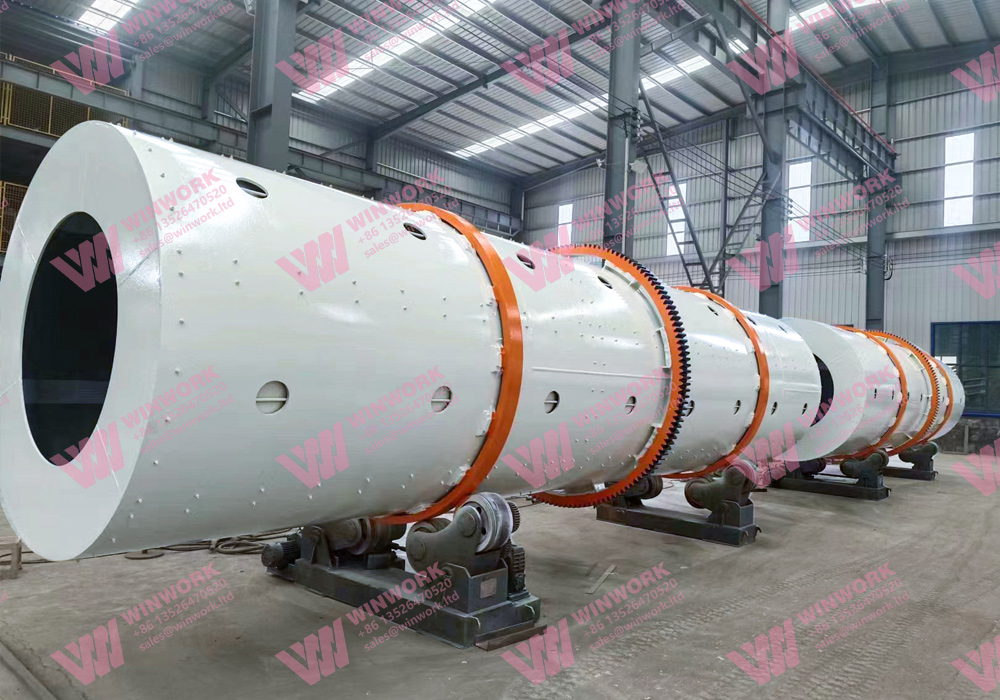
compound fertilizer production in Malaysia
Then if necessary, you can dry and cool it for a long time storage, or if you just use it quickly, it is not necessary to cost a dryer and cooler machine. These machines for example The rotary drying and cooling machine is a kind of high-efficiency equipment integrating drying and cooling, which is widely used in chemical industry, fertilizer, mining industry, building materials and other industries.
The rotary drying and cooling machine realizes the continuous drying and cooling process of materials in the same body, which saves space and equipment investment and simplifies the process.
The rotary drying and cooling machine has the advantages of large processing capacity, strong adaptability, easy operation and maintenance, energy saving and environmental protection, etc. It is an indispensable and important equipment in the production of fertilizers.
Five Key Benefits of Chicken Manure to Fertilizer
Lower Costs: Manure is free on‑site; after initial equipment investment, production costs are 30%–50% lower than commercial fertilizer.
Superior Fertility: Retains fast‑acting nitrogen and long‑lasting organic matter, improves soil structure, water retention, and fertility; long‑term use can increase yields 10%–20%.
Environmental Protection: Reduces ammonia and methane emissions from open manure piles, supporting circular economy goals.
Flexible Formulation: Tailor nutrient ratios to specific crops (vegetables, fruit trees, flowers), avoiding wasteful over‑ or under‑application.
Supply Independence: Insulates operations from external market volatility, securing planting schedules.
FAQ
Q1: How to turn chicken manure into organic fertilizer at home? Is all chicken manure suitable?
A1: Most manure is suitable, but remove bedding debris and contaminants. Always ferment fresh manure first to prevent root burn from high nitrogen and heat.
Q2: Why does chicken manure to fertilizer smell bad during fermentation?
A2: Odors arise from ammonia volatilization or anaerobic conditions. Keep moisture around 50%–60%, add carbon sources (straw) to raise C/N to ~25:1, and use covered or sealed containers to contain smells.
Q3: What basic equipment is needed for home chicken manure to fertilizer?
A3: Minimum: fermentation bin or sealed compost box, shovel or small turning tool, crushing sieve, drying rack. Optional: simple pellet press.
Q4: Can chicken manure to fertilizer match commercial fertilizer nutrient levels?
A4: Yes. Adding mineral supplements (rock phosphate, potassium sulfate) and testing allows NPK and organic matter contents comparable to commercial organic fertilizers
Q5: Why do homemade chicken manure to fertilizer pellets fall apart?
A5: Likely due to too little moisture or binder. Increase liquid ratio (5%–10%) and check equipment speed/pressure settings.
Conclusion
It explains the process, equipment needs, and benefits of converting chicken manure into organic fertilizer, and answers common questions in an FAQ. Frequent use of chicken manure to fertilizer throughout highlights its pivotal role in resource utilization. Mastering chicken manure to fertilizer technology and equipment enables waste valorization, cost reduction, soil enhancement, and emission cuts — a practical route to greener, more productive agriculture.
For more details, please feel free to contact us.
Email: sales@lanesvc.com
Contact number: +86 13526470520
Whatsapp: +86 13526470520
Get A Quote