

Introduction
The global demand for clumping cat litter is growing rapidly, driven by rising pet ownership and increasing awareness of pet hygiene. For manufacturers and investors, setting up a clumping cat litter production line is a profitable opportunity to enter this expanding market. Unlike simple cat litter machines or small-scale equipment, a full clumping cat litter production line integrates multiple stages—from raw material processing to final packaging—ensuring high efficiency and consistent product quality.
Understanding the components, workflow, and advantages of a clumping cat litter production line is essential for equipment buyers, factory owners, and entrepreneurs planning to invest in this industry. In this article, we will cover the key aspects, including production stages, equipment, workflow, efficiency optimization, cost considerations, and maintenance tips.
-
What is a Clumping Cat Litter Production Line?
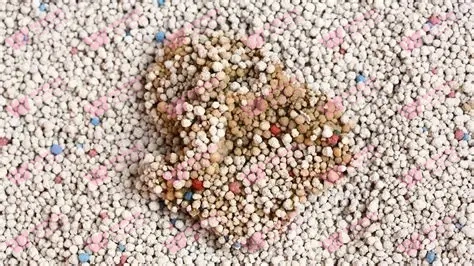
A clumping cat litter production line is a set of specialized machines designed to produce cat litter that can form clumps when exposed to moisture. Clumping cat litter is preferred by pet owners because it simplifies cleaning, reduces odor, and increases hygiene.
The production line typically includes:
- Raw material preparation
- Mixing and granulation
- Drying and cooling
- Screening and packaging
Compared to standalone machines, a full clumping cat litter production line ensures continuous production, uniform product quality, and higher automation levels. It allows manufacturers to produce tons of cat litter per day while maintaining consistent clumping performance and low dust content.
-
Key Raw Materials for Clumping Cat Litter
The main raw materials for clumping cat litter include:
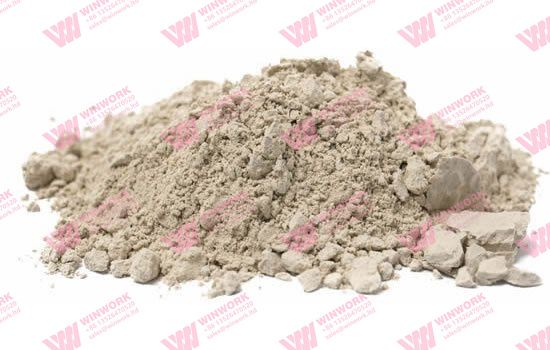
Bentonite clay: Provides natural clumping properties due to its high sodium content.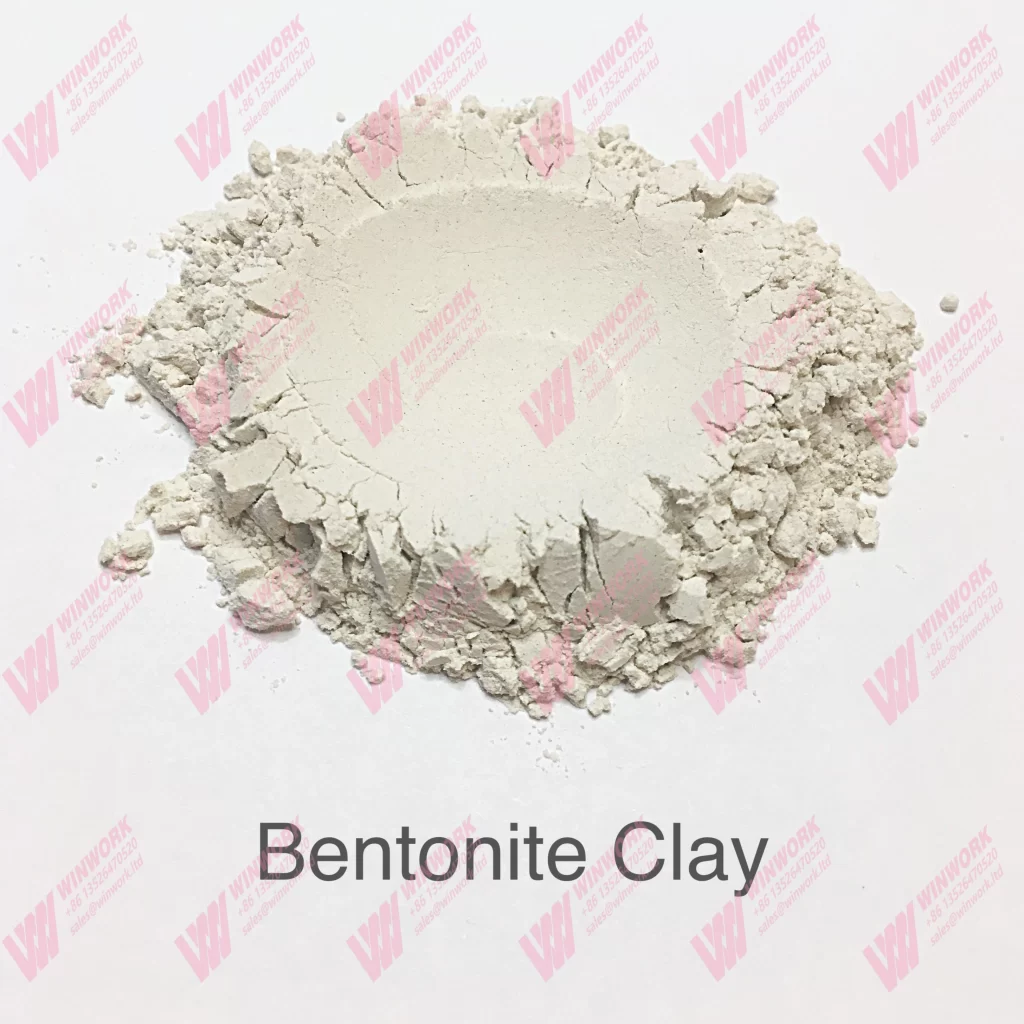
Natural absorbent earth: Improves absorption and dust control.
Additives: Fragrances, antibacterial agents, or performance enhancers.
Proper preparation and proportioning of raw materials are critical for producing high-quality clumping cat litter. The production line ensures precise mixing and homogenization, which directly affects clumping efficiency and customer satisfaction.
-
Essential Equipment in a Clumping Cat Litter Production Line
Raw Material Processing Equipment
Crusher: Reduces large bentonite or other raw materials into fine powder for uniform granulation. Efficient crushing ensures consistent particle size and prevents clogging in subsequent machines.
Mixer: Homogenizes raw materials with additives. Uniform mixing guarantees even distribution of performance enhancers, fragrance, and antibacterial agents.
Granulation Equipment
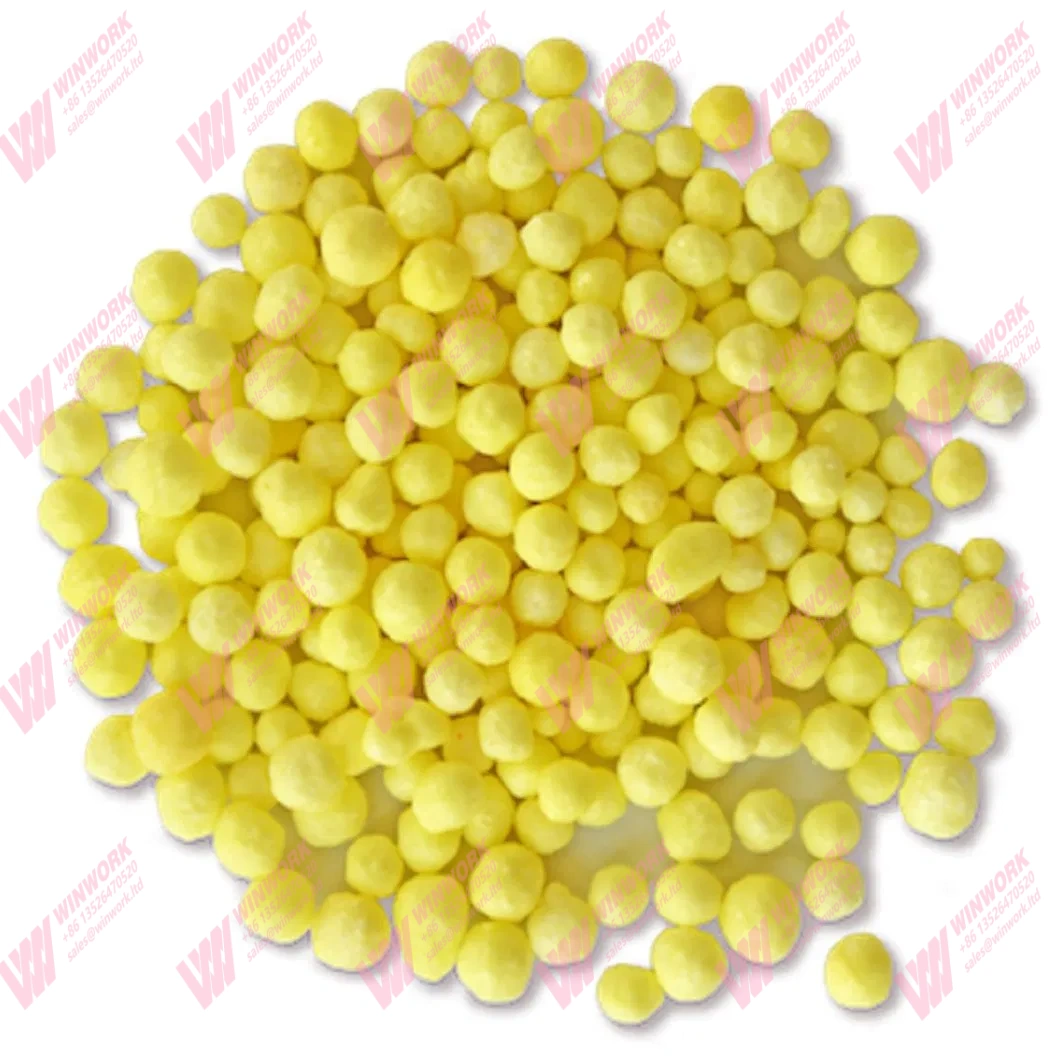
Granulator: Converts powdered raw materials into small, dense granules. Flat die granulators, disc granulators, or rotary drum granulators can be used depending on production scale. Granulation improves product handling, reduces dust, and ensures high-quality clumping.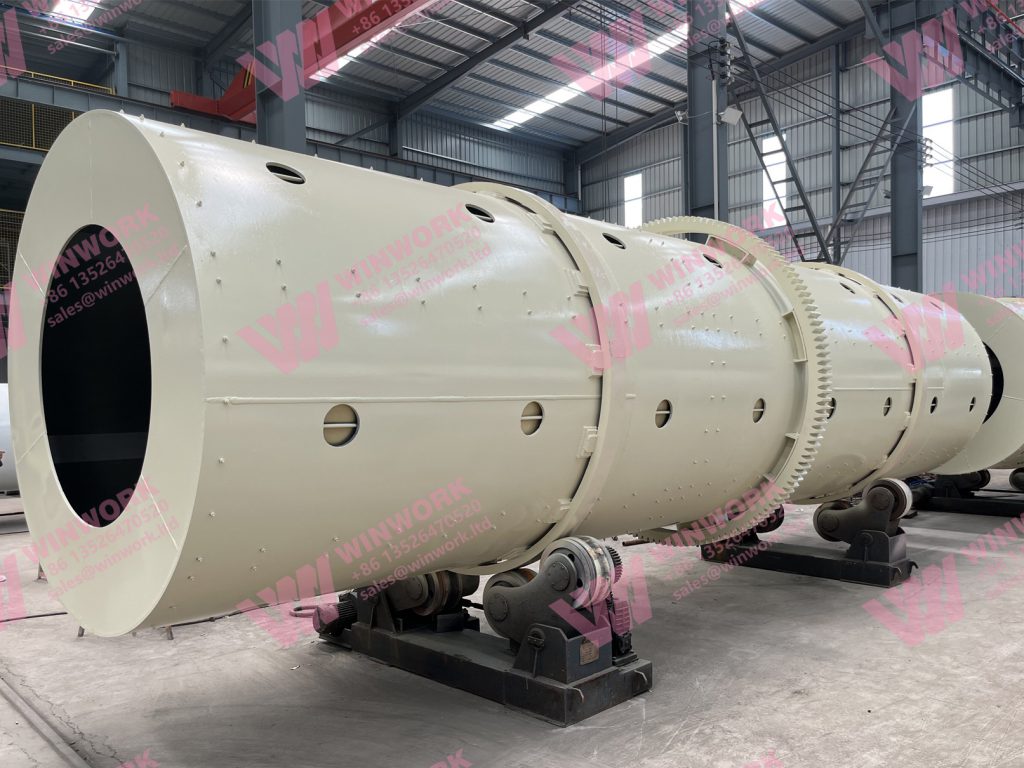
Drying and Cooling Equipment
Rotary Dryer: Removes moisture from granules to prevent bacterial growth and caking. Efficient drying increases shelf life and storage stability.
Rotary Cooler: Cools hot granules to ambient temperature, strengthening granule integrity and reducing breakage during handling.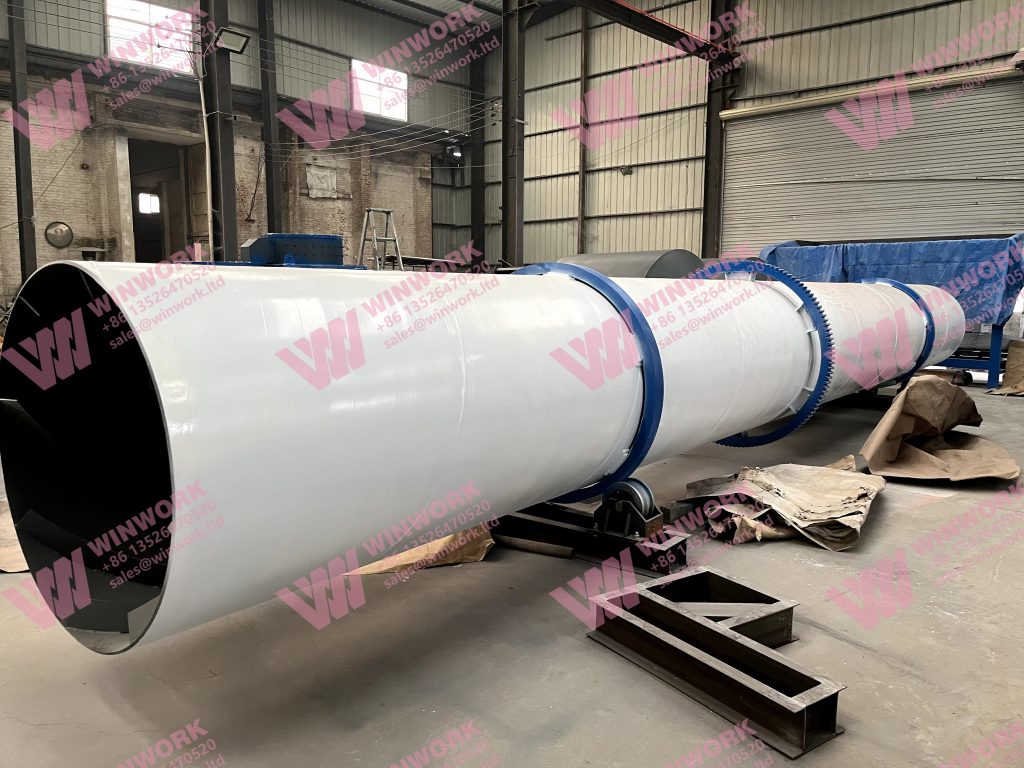
Screening and Packaging Equipment
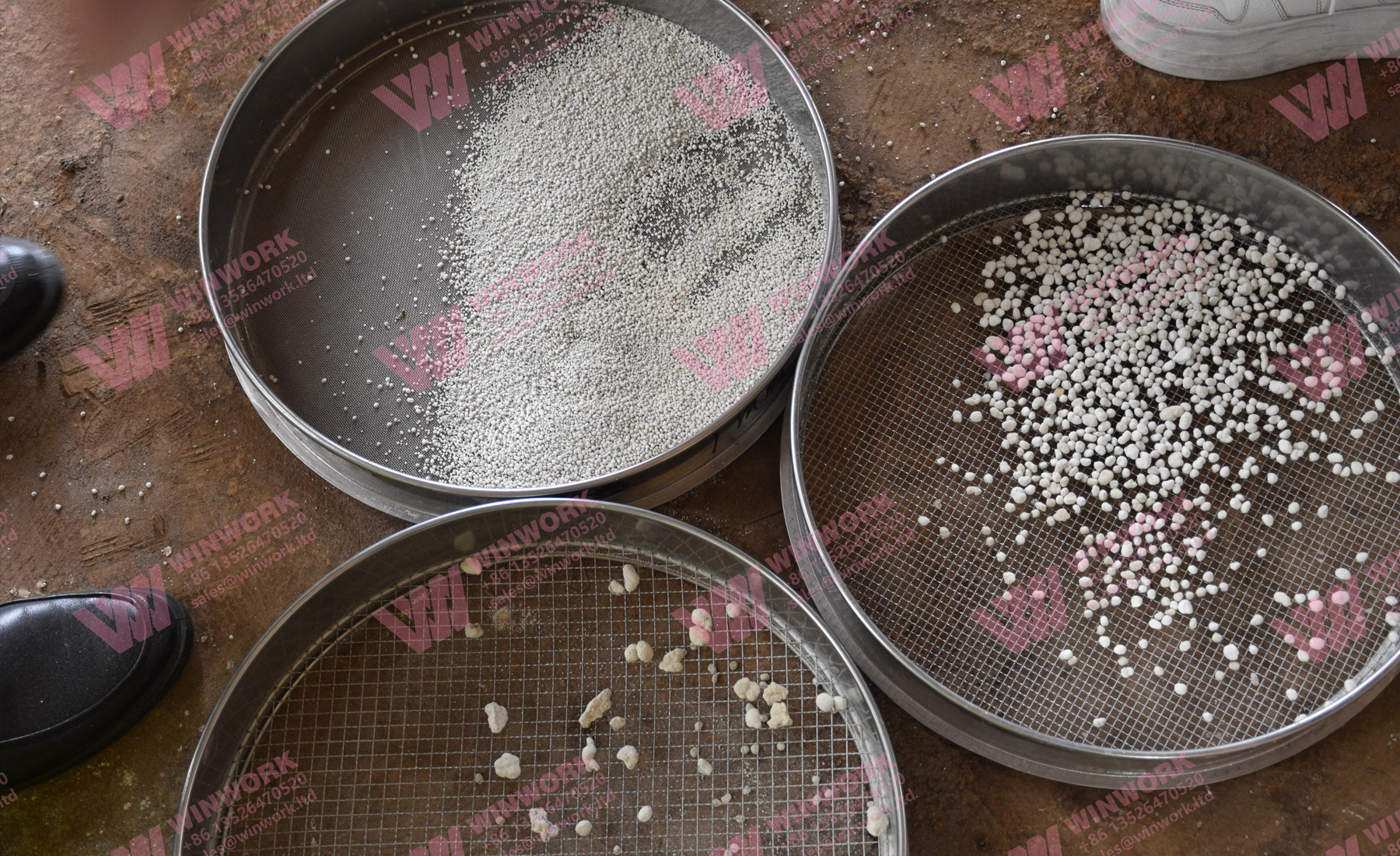
Vibrating Screen: Separates granules by size, ensuring uniform product quality. Oversized particles are returned for reprocessing, while fine powder can be recycled.
Automatic Packaging Machine: Weighs and packs cat litter efficiently into bags or bulk containers. Automation reduces labor costs and improves consistency.
Conveying Systems
Conveyors and Elevators: Connect each production stage for smooth material transfer, maintaining continuous production flow and minimizing downtime.
The integration of all these machines in a clumping cat litter production line ensures high production efficiency and reduces manual labor.
-
Production Workflow
The typical workflow of a clumping cat litter production line includes several carefully coordinated steps to ensure consistent product quality, high clumping performance, and efficient large-scale production:
Crushing: Raw bentonite, natural absorbent, and other base materials are first crushed into fine powder using a high-efficiency crusher. Crushing ensures uniform particle size, which is critical for effective granulation and consistent clumping. Proper crushing also prevents blockages in the mixing and granulation machines, improving overall workflow efficiency.
Mixing: The crushed powders are thoroughly blended with additives such as fragrances, antibacterial agents, or moisture control additives in a high-speed mixer. Uniform mixing ensures that each granule contains the correct proportion of raw materials and additives, which is essential for consistent clumping performance and odor control. At this stage, quality checks can be implemented to adjust ratios before granulation.
Granulation: The mixed powder is then processed in a granulator—such as a rotary drum granulator, disc granulator, or flat die granulator—to form uniform granules. Granulation improves the handling properties of the litter, reduces dust, and strengthens granules to resist breakage during drying and packaging. The choice of granulator and settings affects granule size, density, and overall quality.
Drying: Granules are dried in a rotary dryer to reduce moisture content to an optimal level. Proper drying prevents microbial growth, improves shelf life, and ensures granules do not stick together or degrade during storage. Temperature and drying time must be carefully controlled to maintain product integrity.
Cooling: After drying, hot granules are passed through a rotary cooler to reduce their temperature to ambient levels. Cooling strengthens the granules, reduces brittleness, and prevents condensation in the packaging stage. Proper cooling also protects downstream equipment from heat-related damage.
Screening: The cooled granules are passed through a vibrating screen to separate oversized or undersized particles. Oversized granules are crushed and recycled, while fine powder is returned to the mixer or granulator. Screening ensures uniform granule size, which improves clumping performance and maintains a high-quality final product.
Packaging: Finally, the finished clumping cat litter is automatically weighed and packed using an advanced packaging machine. Automated packing improves efficiency, reduces labor costs, and ensures consistent bag weight. Options include bulk packaging for industrial buyers or small retail bags for direct sales. Additional quality control can be performed to check clumping ability, moisture content, and packaging integrity.
This complete workflow, when properly managed, ensures that each batch of clumping cat litter meets industry standards, maximizes production capacity, minimizes waste, and produces a high-quality, market-ready product.
-
Advantages of a Clumping Cat Litter Production Line
High Automation: Reduces labor costs and human error. Advanced automation ensures that the production process runs smoothly, minimizing downtime and improving overall efficiency. Manufacturers can focus on scaling operations rather than manual supervision.
Consistent Quality: Uniform granule size and clumping ability. Automated mixing, granulation, and screening maintain product consistency, which increases customer satisfaction and brand reputation. Consistent quality also reduces returns and complaints, saving costs in the long run.
Large Capacity: Can produce several tons of cat litter daily. High-capacity production lines allow factories to meet growing market demand and fulfill large orders without delays. This capacity advantage can help manufacturers expand distribution channels and enter new markets.
Low Dust and Waste: Efficient processing reduces powder loss. The combination of granulation, screening, and controlled drying minimizes dust generation, creating a cleaner working environment. Less waste also translates to lower raw material costs and higher profit margins.
Scalability: Equipment can be upgraded or expanded as demand grows. Manufacturers can start with a medium-scale line and later add more machines or integrate advanced technologies. This flexibility ensures long-term investment value and supports business growth.
Investing in a complete clumping cat litter production line allows manufacturers to maintain a competitive edge in the market, increase production efficiency, and produce high-quality products that meet industry standards.
-
Cost Considerations of a clumping cat litter production line
When evaluating a clumping cat litter production line, consider:
Equipment cost: Depends on production capacity, automation level, and manufacturer reputation.
Raw material cost: Bentonite, natural absorbent earth, and additives are the primary cost drivers.
Operational cost: Labor, electricity, and maintenance.
Space requirements: Production line layout affects efficiency and future scalability.
A well-planned production line reduces operational costs while maximizing output and product quality.
-
Maintenance and Operation Tips
Regular Cleaning: Prevents material buildup in granulators and conveyors.
Lubrication: Keeps moving parts in granulators, dryers, and packaging machines running smoothly.
Inspection: Routine checks on belts, motors, and screens avoid unexpected downtime.
Calibration: Ensure mixers and packaging machines are accurately calibrated for consistent product quality.
Proper maintenance extends equipment lifespan and ensures stable production.
-
Market Trends and Investment Potential
The clumping cat litter market is expanding globally, with increased demand in Asia, North America, and Europe. Consumers prefer clumping formulas for convenience and hygiene, creating a stable demand curve.
For equipment manufacturers, investing in a clumping cat litter production line offers:
- Higher ROI due to growing pet ownership
- Opportunities for customized cat litter formulations
- Expansion potential into international markets
Conclusion
A clumping cat litter production line is a valuable investment for manufacturers seeking efficiency, high-quality production, and market competitiveness. By integrating crushers, mixers, granulators, dryers, coolers, screens, and packaging machines, the production line ensures consistent product quality and reduces labor and operational costs.
Choosing the right equipment, managing workflow efficiently, and maintaining machines properly can significantly improve output and product reliability. For B2B clients and investors, understanding the benefits of a clumping cat litter production line is essential for long-term profitability and success in the growing pet hygiene industry.
For more details, please feel free to contact us.
Email: sales@lanesvc.com
Contact number: +86 13526470520
Whatsapp: +86 13526470520
Get A Quote