

What is the first step in complete organic fertilizer plant design?
The initial step involves feasibility analysis and planning. This includes assessing raw material availability (animal manure, crop residues, food waste), determining production capacity requirements, analyzing market demand, and evaluating budget constraints. For a 20,000 tons per year production line, you may need to prepare 100-200 tons of materials per day. This phase also involves selecting the plant location and ensuring compliance with local environmental regulations.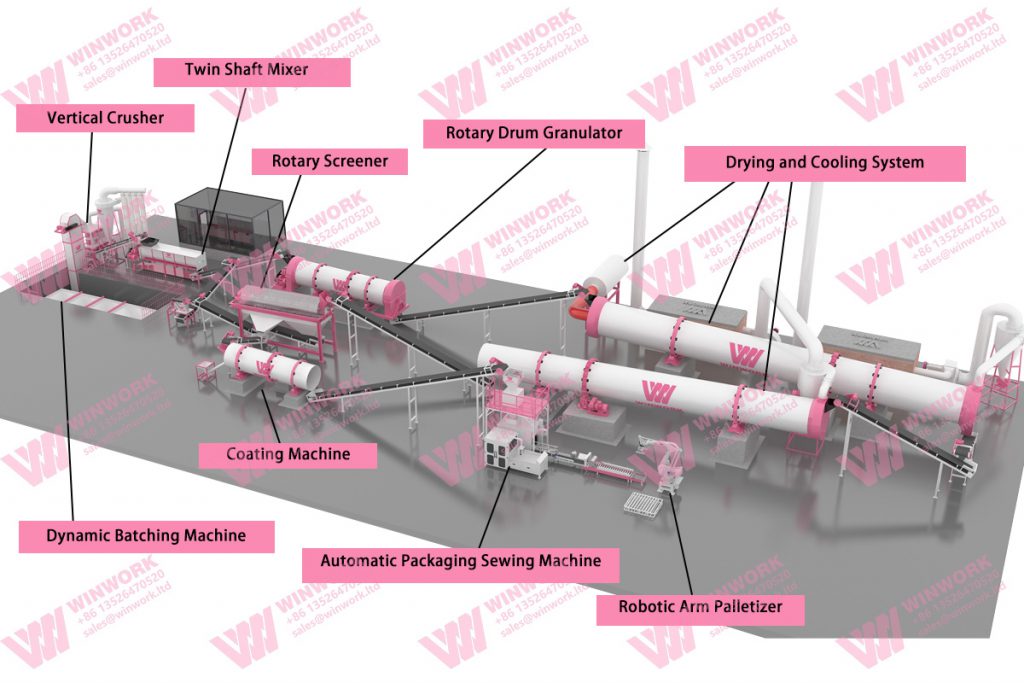
What are the key components of complete organic fertilizer plant design?
- Raw Material Handling: Collection, sorting, and preprocessing of organic materials, including shredding or grinding large materials to facilitate decomposition.
- Fermentation System: Controlled decomposition using fermentation tanks or piles, with regular turning and monitoring of temperature, moisture, and pH levels.
- Crushing and Mixing: Equipment to break down fermented materials and blend them with additives for optimal nutrient balance.
- Granulation System: Machinery to shape mixed materials into uniform granules using disc granulators or rotary drum granulators.
- Drying and Cooling: Equipment to reduce moisture content and cool the finished product.
- Screening and Packaging: Systems for separating different particle sizes and packaging the final product.
- Environmental Control: Odor management, dust collection, and waste treatment systems.

How do I determine the right production capacity for my complete organic fertilizer plant design?
- Raw Material Availability: Assess the quantity and type of organic waste available in your region.
- Market Demand: Research local and regional demand for organic fertilizers.
- Investment Budget: Consider available capital for equipment, land, and infrastructure.
- Land Availability: Ensure sufficient space for the plant and future expansion.
Small-scale plants typically process 1-5 tons per day, medium-scale 5-20 tons per day, and large-scale plants can handle 20+ tons per day.
What are the critical technical considerations in complete organic fertilizer plant design?
- Process Flow: Designing an efficient material flow to minimize handling and energy consumption.
- Equipment Selection: Choosing appropriate machinery based on raw material characteristics and production capacity.
- Automation Level: Deciding on the degree of automation, from manual operations to fully automated systems.
- Energy Efficiency: Incorporating energy-saving technologies and heat recovery systems.
- Environmental Compliance: Ensuring the design meets all local environmental regulations for emissions, noise, and waste management.
What certifications and standards should complete organic fertilizer plant design comply with?
- ISO Standards: ISO 9001 for quality management and ISO 14001 for environmental management.
- CE Certification: For equipment safety and compliance with European standards.
- Local Environmental Regulations: Air quality, water discharge, and waste management standards.
What support services are included in complete organic fertilizer plant design?
- Technical Consultation: Process design and equipment selection based on specific requirements.
- Installation Guidance: On-site supervision during equipment installation.
- Operator Training: Comprehensive training for production teams.
- After-sales Support: Technical support, spare parts supply, and maintenance services.
- Process Optimization: Ongoing support to improve production efficiency and product quality.
Common Questions About Complete Organic Fertilizer Plant Design
Question 1: What maintenance is required for organic fertilizer equipment for small farms?
Regular maintenance includes daily equipment inspection, proper lubrication, cleaning after use, and regular replacement of wear parts. Our equipment comes with comprehensive maintenance guidelines.
Question 2: Can I buy just one machine instead of a full line?
Yes. We sell all our fertilizer production equipment individually. Many of our clients start with one or two key machines, like a compost turner or a crusher, and then expand their production line over time as their business grows. We are here to support you at every stage.
Question 3: How much space do I need for a small-scale production line?
A complete setup typically requires 200-500 square meters, including production area, raw material storage, and finished product storage.
Summary
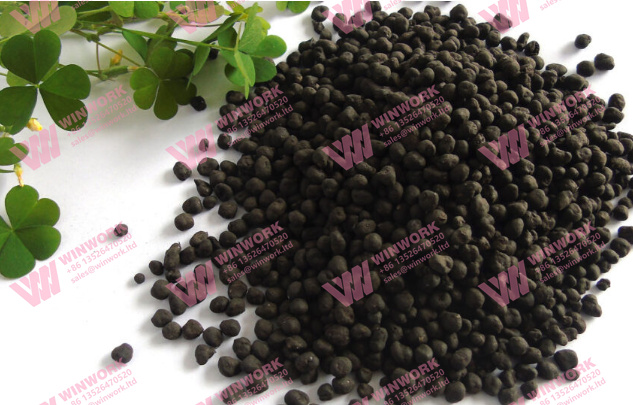
The organic fertilizer manufacturing process step by step is a systematic workflow that requires careful execution of each stage—from raw material preparation to packaging. Mastering this step-by-step process ensures the production of high-quality organic fertilizer, supporting sustainable agriculture and improving profitability. With the right equipment and guidance, even small-scale operations can efficiently implement the organic fertilizer manufacturing process step by step. Whether you’re producing fertilizer for your own farm or commercial purposes, following this step-by-step guide will set you up for success.
For more details, please feel free to contact us.
Email: sales@lanesvc.com
Contact number: +8613526470520
Whatsapp: +8613526470520

Get A Quote