


In modern agriculture, efficiency and sustainability are more important than ever. Compound fertilizer manufacturing plays a crucial role in enhancing crop yield and maintaining soil health. With the right equipment and production line, farmers and manufacturers can significantly improve productivity while reducing operational costs. This article explores the processes, key equipment, and advantages of an advanced compound fertilizer manufacturing system.
What is Compound Fertilizer Manufacturing?
Compound fertilizer manufacturing involves combining essential nutrients such as nitrogen (N), phosphorus (P), and potassium (K) into a single product. These fertilizers, often called NPK fertilizers, provide balanced nutrition to plants, promoting faster growth and higher yields. The demand for this manufacturing has increased due to its efficiency in improving crop production and supporting sustainable agriculture.
Modern manufacturing integrates automated compound fertilizer production lines with precision equipment, ensuring consistent product quality and reducing waste.
Key Raw Materials
High-quality raw materials are the foundation of effective compound fertilizer manufacturing. Common ingredients include:
- Urea: Primary source of nitrogen
- Phosphate fertilizer (DAP): Supplies plants with essential phosphorus for strong roots and healthy growth
- Potassium chloride: Supplies potassium
- Trace elements: For vitamins and minerals for plants balance
Each raw material is carefully crushed, screened, and mixed in precise proportions to maintain nutrient consistency throughout the fertilizer, which is essential for efficient manufacturing.
The Compound Fertilizer Manufacturing Process
The main process consists of several crucial steps:
- Mixing
All raw materials are blended in high-efficiency mixers. Proper mixing ensures uniform nutrient distribution and prepares the material for granulation, which is key in compound fertilizer manufacturing.
- Granulation
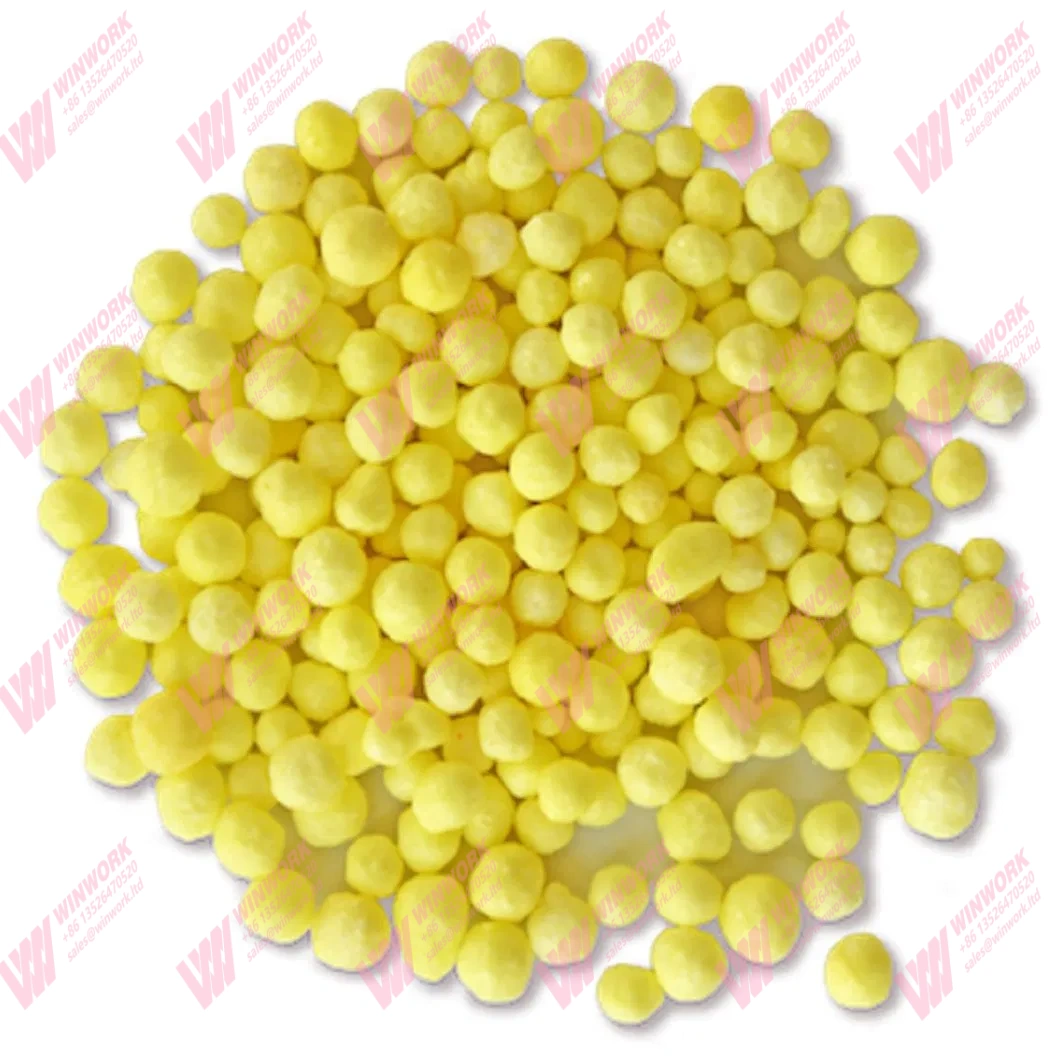
Granulation converts blended powders into durable, uniform pellets. Depending on plant capacity, manufacturers can choose disc granulators, rotary drum granulators, or two-in-one granulators. Advanced granulation ensures better solubility and reduced dust, a critical aspect of manufacturing.
- Drying and Cooling
After granulation, pellets are dried and cooled using rotary dryers and coolers. This ensures stability during storage and transport and is an essential step in professional compound fertilizer manufacturing.
- Screening
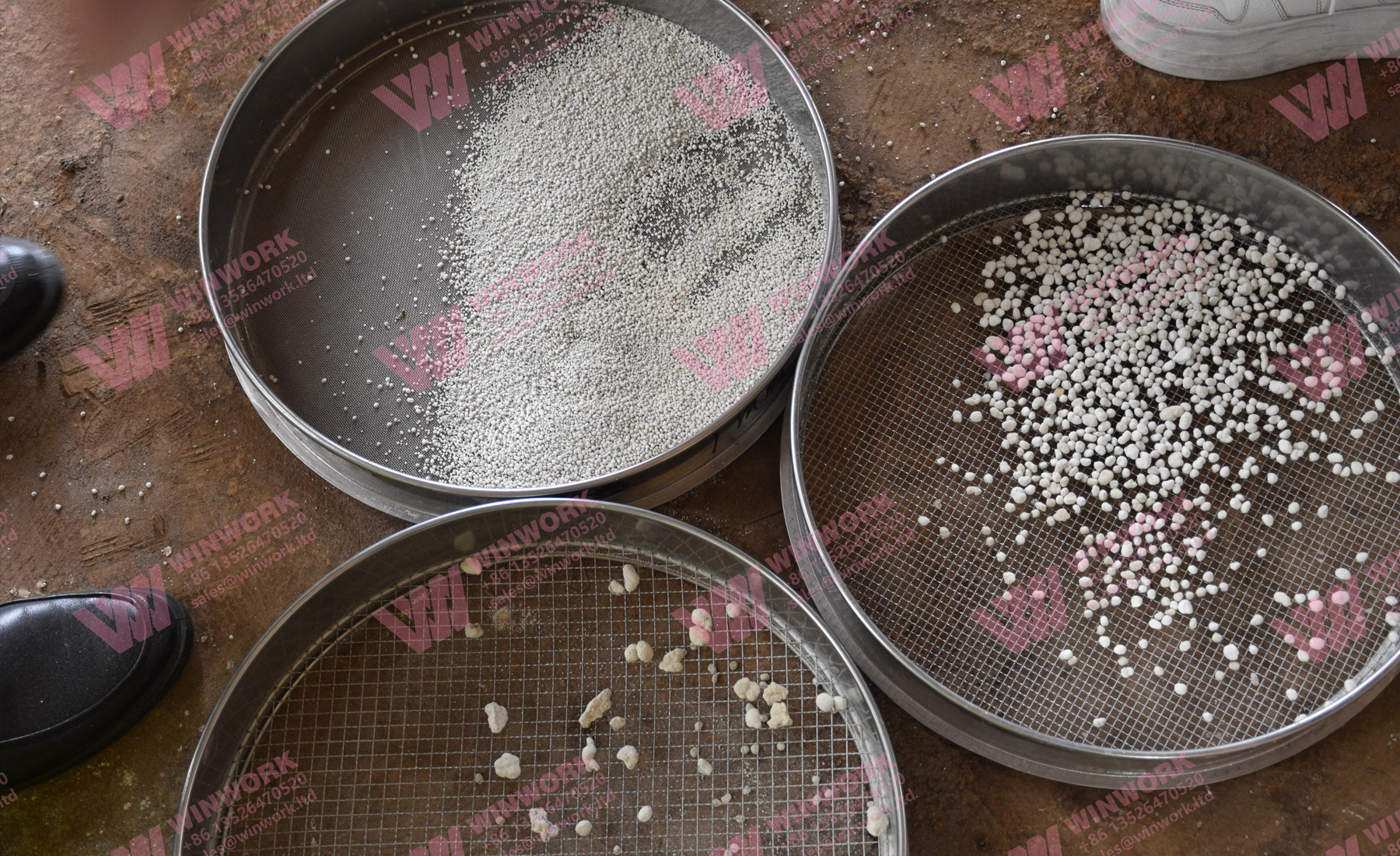
Screening separates oversized or undersized pellets, maintaining consistent particle size. Oversized material is returned to the granulator, reducing waste and improving efficiency in this manufacturing.
- Packaging
Automated packaging machines improve speed and accuracy while reducing labor costs, completing the production cycle of compound fertilizer manufacturing.
Essential Equipment for Compound Fertilizer Manufacturing
Investing in high-quality equipment is key to successful compound fertilizer manufacturing. The most critical machines include:
- Crusher
Crushing raw materials into fine powders is the first step in compound fertilizer manufacturing. The most commonly used crushers are:
- Hammer Crusher: Ideal for soft to medium-hard materials like urea and phosphate rock.
- Double Shaft Crusher: Designed for semi-wet or sticky materials, preventing blockages while maintaining high output.
- Semi-Wet Crusher: Specialized for high-moisture materials, commonly used in organic-inorganic compound fertilizer production.
These crushers ensure raw materials are processed efficiently for granulation, a vital part of compound fertilizer manufacturing.
- Mixer
Mixing guarantees uniform nutrient distribution, essential in compound fertilizer manufacturing:
- Double Shaft Mixer: High-efficiency mixing for large-scale production.
- Horizontal Mixer: Suitable for medium to large-scale production.
- Disc Mixer: Ideal for small to medium batches or precise nutrient ratios.
- Granulator
Granulation is the core of compound fertilizer manufacturing:
- Disc Granulator: Efficient for small to medium-scale NPK fertilizer production.
- Rotary Drum Granulator: Widely used in large-scale plants for consistent, high-quality granules.
- Two-in-One Granulator: Combines granulation and drying, improves granule strength, and reduces energy consumption.
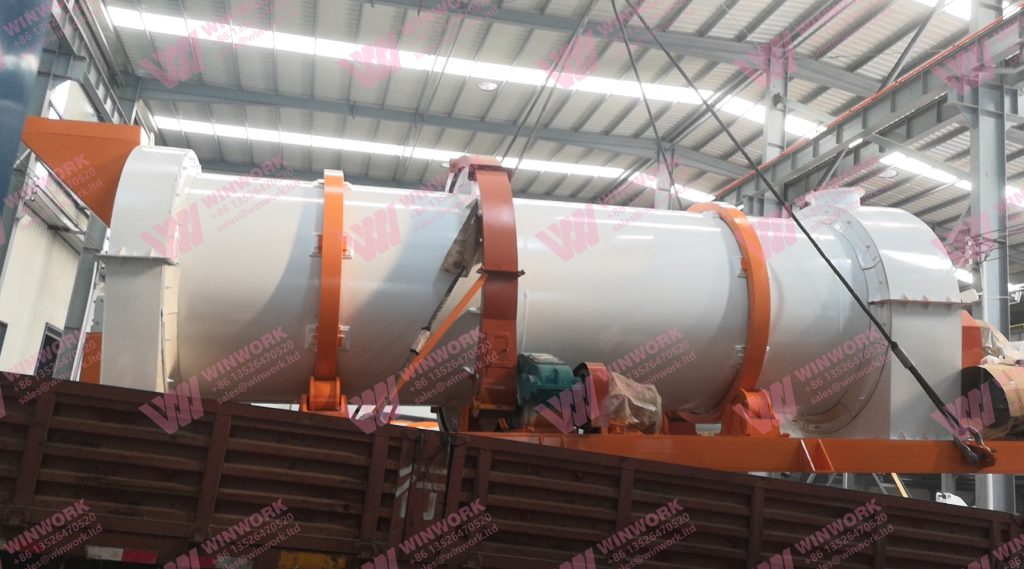
two-in-one granulator shipment
- Rotary Dryer and Cooler
Removes moisture and cools pellets efficiently, ensuring stability and preventing caking, essential for high-quality compound fertilizer manufacturing.
- Rotary Screener
Separates oversized and undersized pellets, returns unqualified granules for reprocessing, and maintains consistent granule quality in compound fertilizer manufacturing.
Efficient final handling is key:
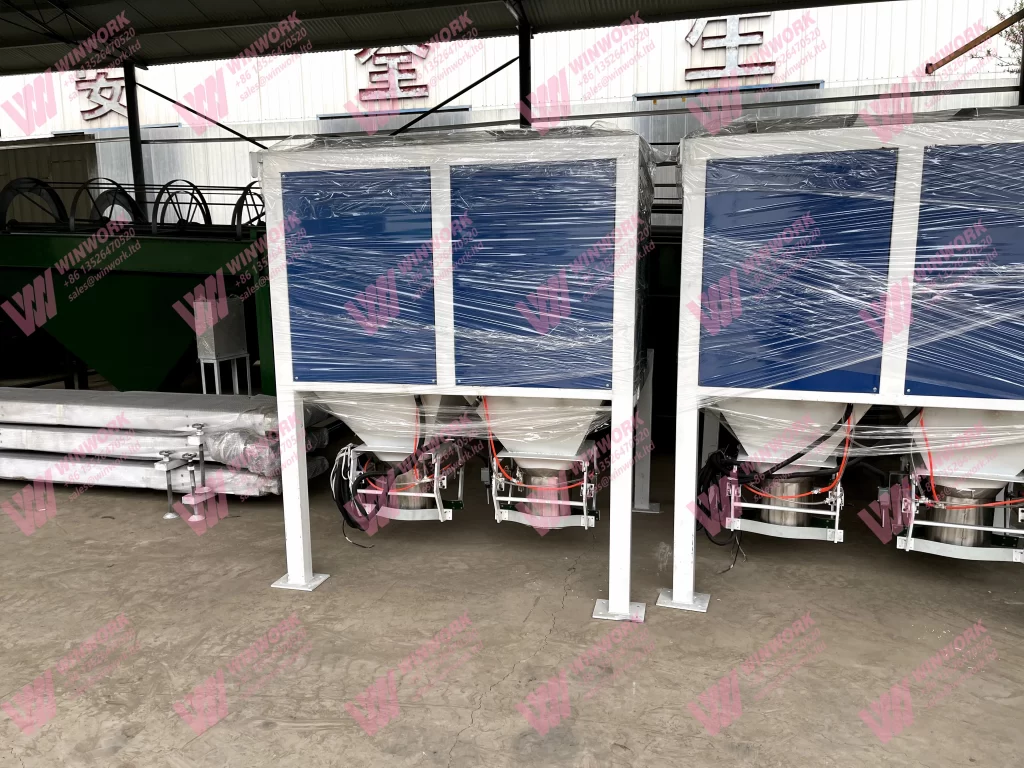
- Automatic Packaging Machine: High-speed, large-scale operations.
- Single Granule Packaging Machine: Flexible for smaller batches.
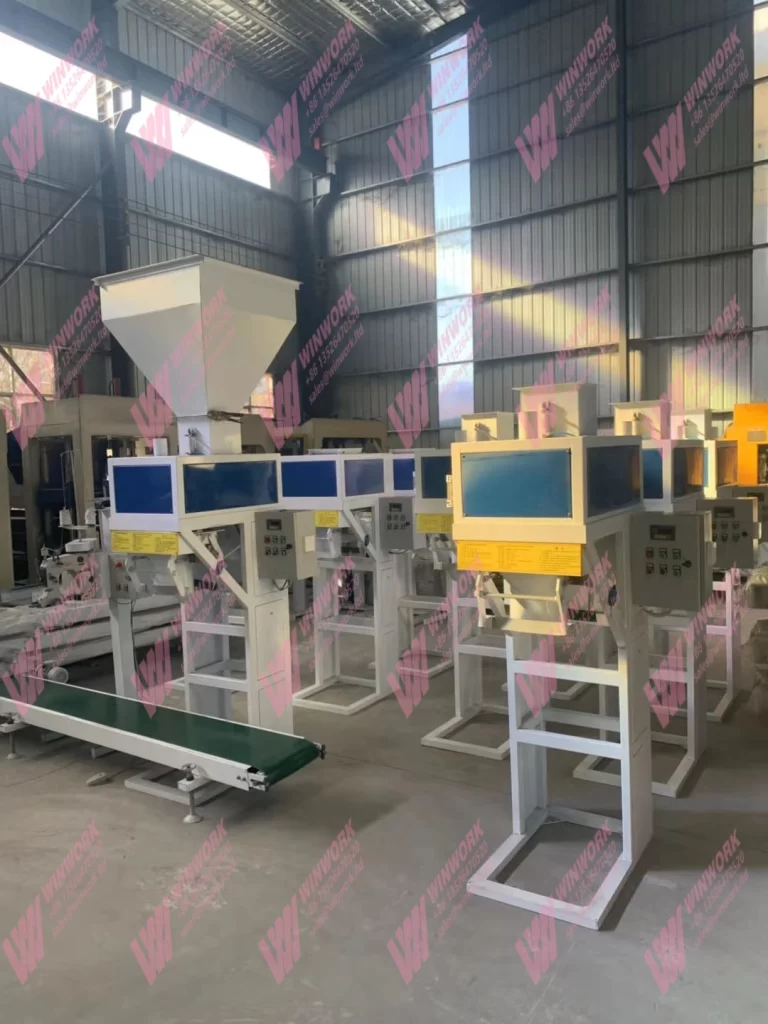
- Double Station Packaging Machine: Improves efficiency in medium to large production lines.
Advantages of Modern Compound Fertilizer Manufacturing
Increased crop yield: Modern compound fertilizer systems provide scientifically balanced nutrients, which promote stronger root development and healthier plant growth. As a result, crop yields can increase by up to 35%, helping improve agricultural productivity.
Energy efficiency: The use of advanced production equipment and optimized manufacturing processes significantly reduces power consumption, lowers energy costs, and improves overall operational efficiency.
High-quality pellets: Modern granulation technology produces fertilizer pellets with uniform size, consistent nutrient content, and good solubility, ensuring even application and better nutrient absorption by crops.
Automation: Automated control systems reduce reliance on manual labor, minimize human error, enhance production stability, and improve workplace safety while lowering labor costs.
Environmentally friendly: Integrated dust collection, emission control, and proper storage systems help reduce pollution, prevent nutrient loss, and ensure compliance with environmental protection standards.
These benefits make modern compound fertilizer manufacturing an efficient, reliable, and sustainable solution for agricultural and industrial applications.
Applications of Compound Fertilizers
Fertilizers produced through modern compound fertilizer manufacturing lines are used in:
- Agricultural crops: wheat, corn, rice, soybeans
- Horticulture: fruits, vegetables, flowers
- Turf management: golf courses, lawns, and gardens
Custom NPK ratios can meet specific crop requirements, maximizing output.
Conclusion
Efficient compound fertilizer manufacturing is essential for modern agriculture. By integrating advanced production lines and high-quality equipment, manufacturers can produce fertilizers that boost crop yield, improve soil health, and reduce operational costs. Investing in reliable machinery ensures long-term productivity and sustainable farming practices.
With a properly designed compound fertilizer manufacturing system, crop yield can increase by 35% or more, making it a vital solution for the future of agriculture.
For more details, please feel free to contact us.
Email: sales@lanesvc.com
Contact number: +86 13526470520
Whatsapp: +86 13526470520
Get A Quote