

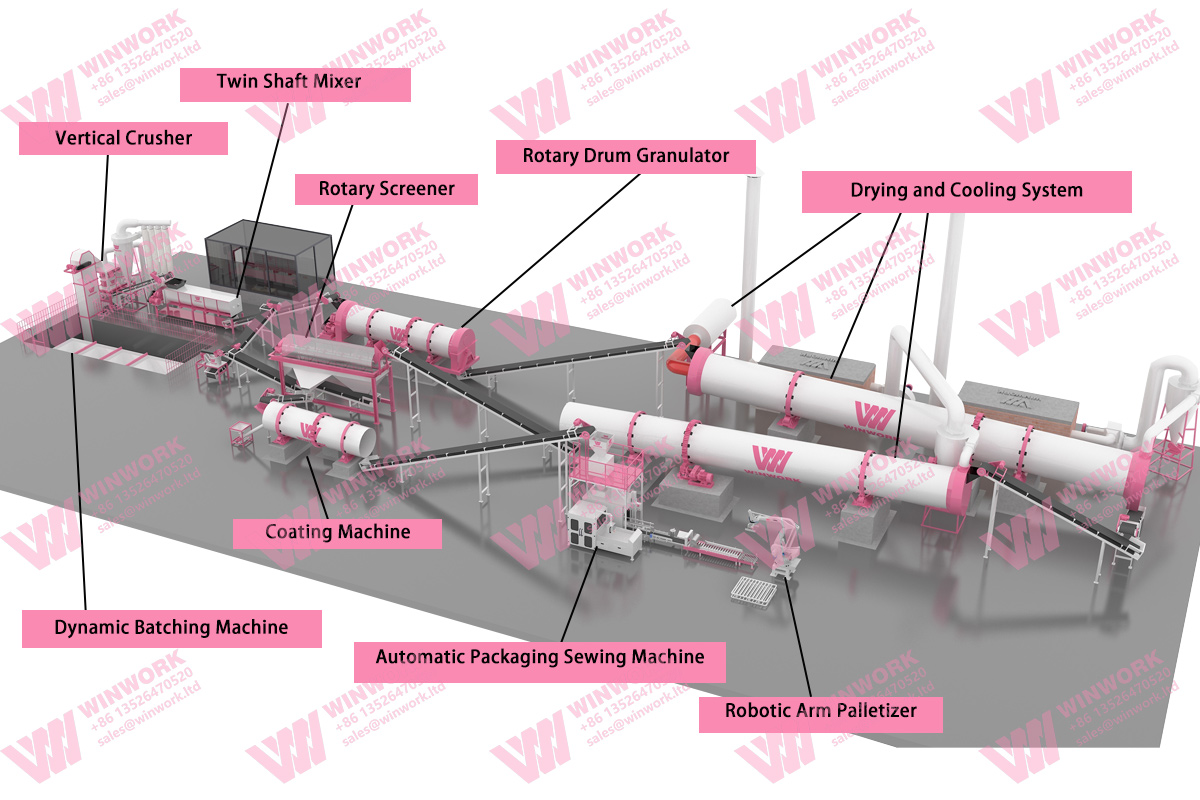
In today’s agricultural industry, the demand for high-efficiency fertilizers is growing rapidly. A compound fertilizer plant allows manufacturers to produce fertilizers that supply multiple nutrients in one product, improving crop yields and soil fertility.
Setting up a compound fertilizer plant requires careful planning, the right equipment, and a solid understanding of production processes. This article provides a detailed guide on how to establish a compound fertilizer plant, from site selection to production management, ensuring maximum efficiency and profitability.
What Is a Compound Fertilizer Plant?
A compound fertilizer plant is a production facility designed to manufacture fertilizers containing more than one nutrient, such as nitrogen (N), phosphorus (P), and potassium (K). Unlike single-nutrient fertilizers, compound fertilizers are more balanced, providing crops with the essential nutrients needed for growth.
Modern compound fertilizer plants typically include systems for raw material handling, batching, mixing, granulation, drying, cooling, screening, and packaging. Plants can be customized according to production capacity, fertilizer formulas, and local market demands. Choosing the right type of compound fertilizer plant is crucial for achieving high efficiency and consistent product quality.
Step 1: Site Selection for a Compound Fertilizer Plant
Selecting a suitable location is the first step in setting up a compound fertilizer plant. Factors to consider include:
Proximity to raw materials: Fertilizer production relies on materials such as urea, ammonium phosphate, potassium chloride, and sulfur. Reducing transportation costs improves overall profitability.
Accessibility: Choose a site near highways, railways, or ports to facilitate distribution.
Water and power supply: Reliable water and electricity are essential for smooth plant operation.
Environmental regulations: Ensure compliance with local environmental standards regarding emissions, wastewater, and dust control.
A well-chosen site lays the foundation for efficient operation of a compound fertilizer plant.
Step 2: Designing the Layout of a Compound Fertilizer Plant
An effective plant layout ensures smooth workflow and maximizes production efficiency. Key considerations include:
Raw material storage: Design silos and warehouses to store large volumes of raw materials safely.
Production flow: Arrange equipment logically from raw material handling to packaging to minimize handling time.
Safety zones: Include emergency exits, fire protection, and proper ventilation.
Expansion potential: Allow space for future upgrades or additional production lines.
Proper planning of the compound fertilizer plant layout ensures a safe and cost-effective operation.
Step 3: Selecting Equipment for a Compound Fertilizer Plant
Choosing the right equipment is the most critical step when setting up a compound fertilizer plant. Equipment directly affects production capacity, fertilizer quality, and operational efficiency. The key equipment for a compound fertilizer plant includes:
Raw Material Batching and Feeding System
This system accurately measures and delivers all raw materials, including urea, ammonium phosphate, and potassium chloride. Automated screw conveyors and digital weighing modules ensure consistent nutrient ratios and efficient feeding for continuous production.
Granulator
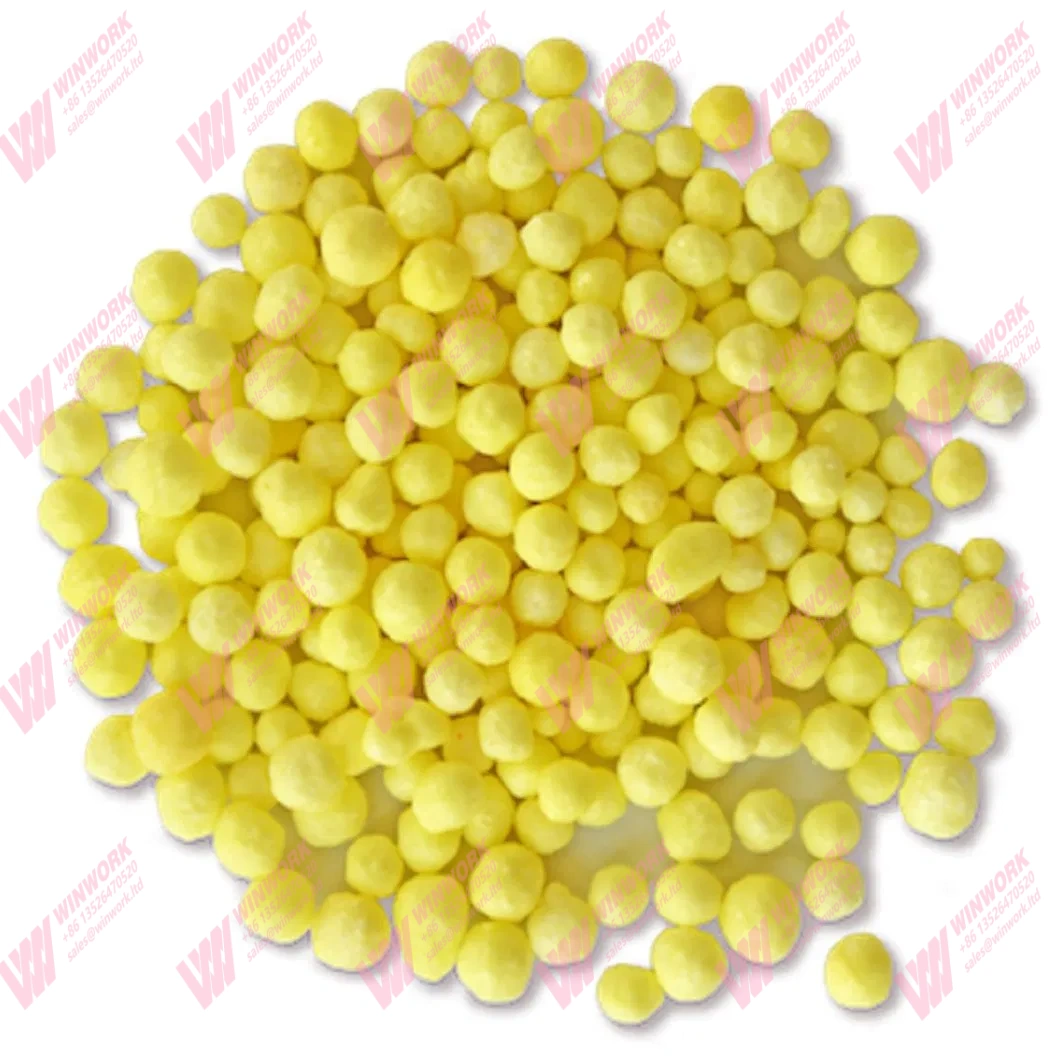
Granulators convert powdered raw materials into uniform granules suitable for storage and application. Options like rotary drum, disc, and double roller granulators offer flexibility in granule size, production scale, and energy efficiency.
Drying and Cooling Machines
Rotary dryers remove excess moisture from granules while cooling units prevent clumping and stabilize product quality. Modern units also optimize energy use and maintain nutrient integrity during the drying and cooling process.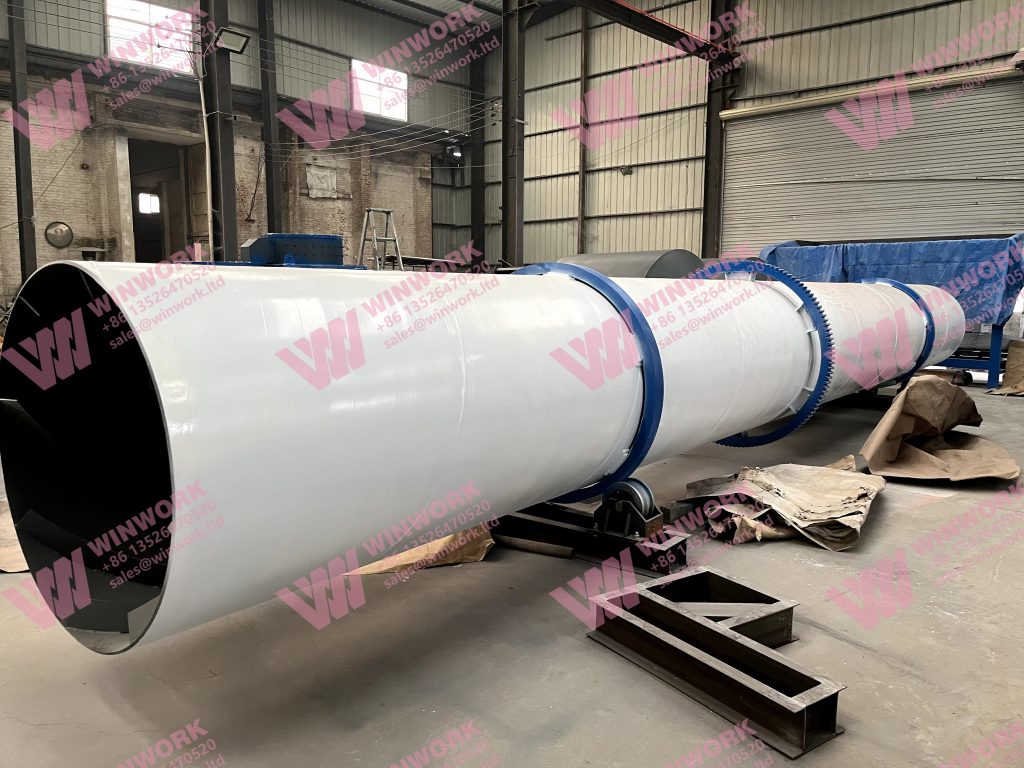
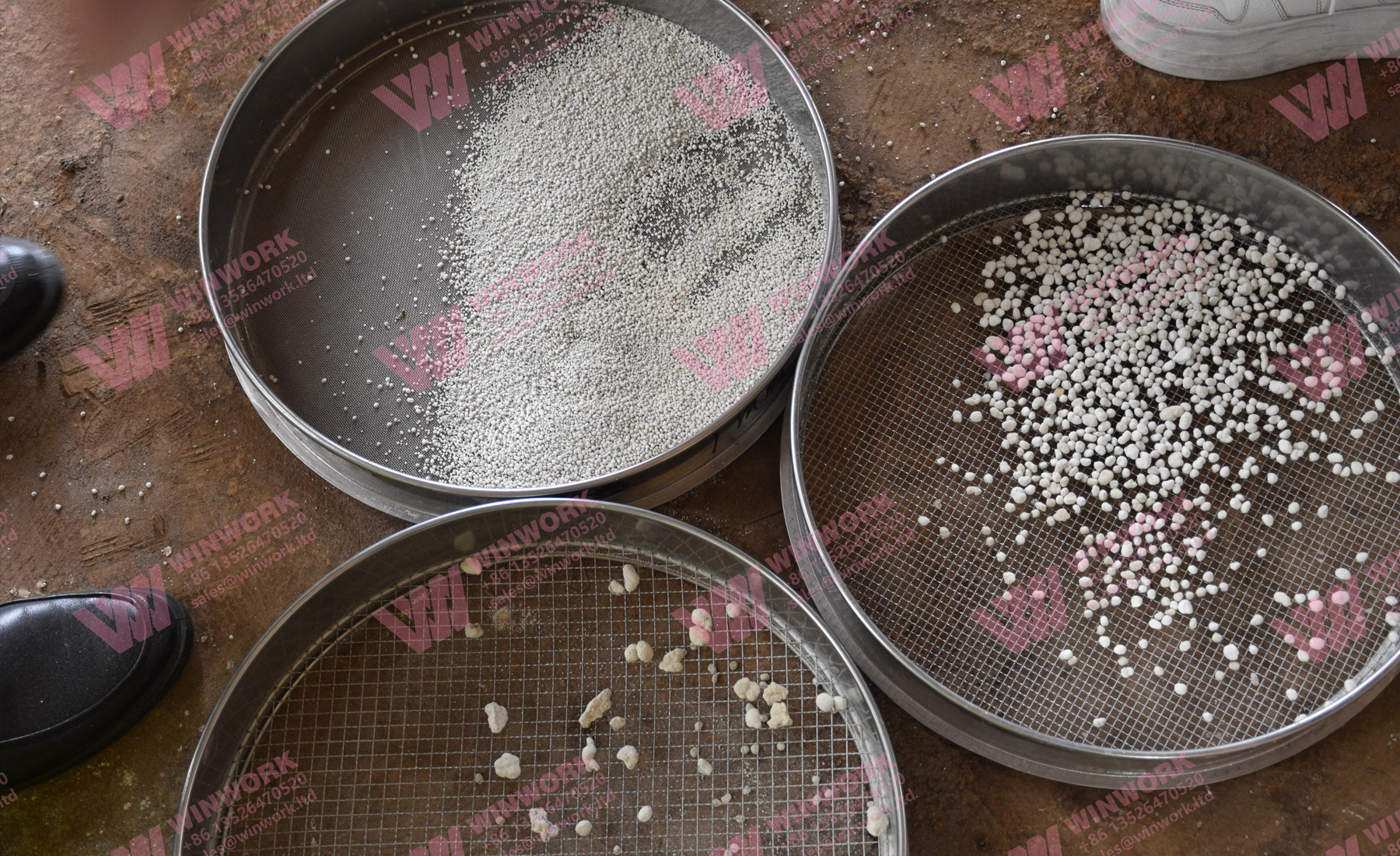
Screening Machines
Screening separates qualified granules from oversized or undersized particles, improving product uniformity and marketability. Rejected granules are recycled, minimizing waste and ensuring consistent output.
Packaging System
Packaging machines automatically weigh, fill, seal, and label fertilizer bags or bulk containers. Flexible systems can handle various bag sizes and support automated production for efficiency and accuracy.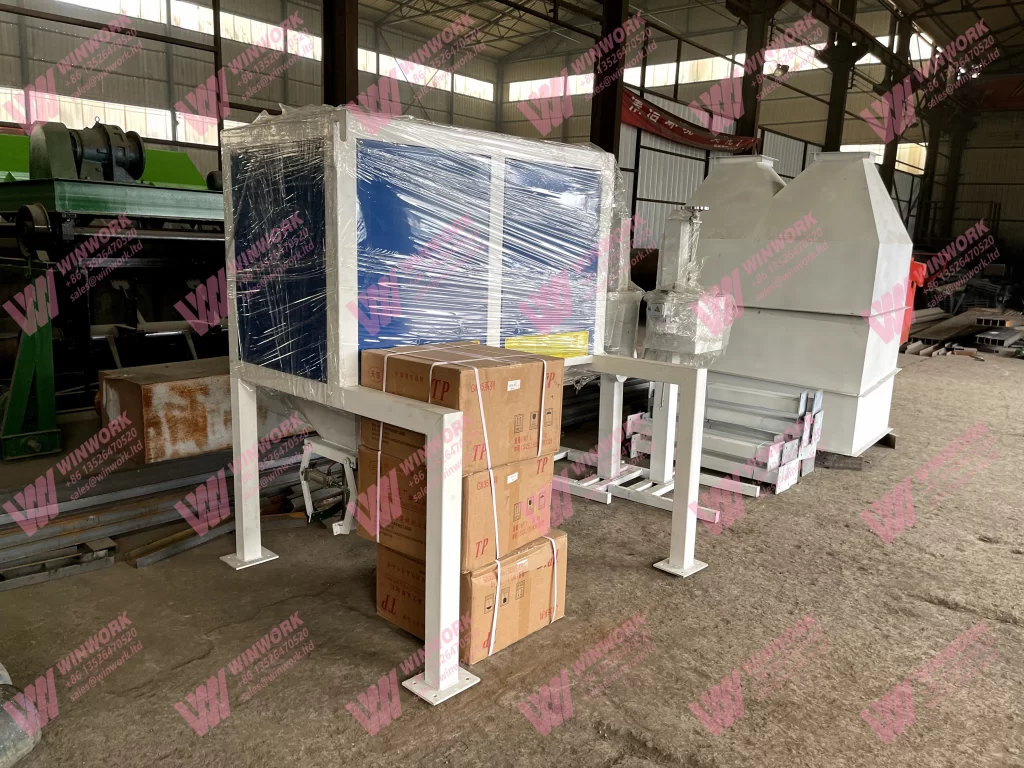
Optional Supporting Equipment
Conveyors, elevators, dust collectors, and centralized control systems support smooth operation and environmental compliance. These auxiliary units enhance safety, automation, and overall plant efficiency.
Selecting reliable, energy-efficient, and easy-to-maintain equipment is essential for a successful compound fertilizer plant. Properly chosen machinery ensures high-quality fertilizer, reduces costs, and allows flexible adaptation to different production requirements.
Step 4: Production Process of a Compound Fertilizer Plant
The production process in a compound fertilizer plant involves several key steps:
Raw Material Preparation:
Raw materials such as urea, ammonium phosphate, and potassium chloride are crushed and pre-mixed to achieve precise nutrient ratios. This step ensures uniformity and improves granulation efficiency in subsequent stages.
Granulation:
Powdered materials are processed in a granulator to form uniform granules. Proper granulation enhances product stability, nutrient retention, and ease of handling during drying and packaging.
Drying and Cooling:
Granules are dried to remove excess moisture, preventing caking or spoilage. Cooling units then reduce granule temperature to stabilize quality and maintain nutrient integrity.
Screening and Recycling:
Granules are screened to separate oversized or undersized particles. Rejected materials are recycled back into the production line, minimizing waste and ensuring consistent product size.
Packaging:
Finished fertilizers are packed according to market demand, whether in bags or bulk containers. Automated packaging improves accuracy, reduces labor, and ensures products are ready for storage and shipment.
Following this workflow ensures a compound fertilizer plant consistently produces high-quality, market-ready products while optimizing efficiency and resource use.
Step 5: Choosing the Fertilizer Formula
A key advantage of a compound fertilizer plant is the ability to produce customized nutrient formulas. Factors to consider:
Crop requirements: Different crops need different NPK ratios.
Soil conditions: Conduct soil tests to determine nutrient deficiencies.
Market demand: Offer products suitable for local or international markets.
Slow-release or water-soluble options: Adjust production lines for specialized fertilizers.
By tailoring formulas, a compound fertilizer plant can meet diverse agricultural needs and maximize sales.
Step 6: Operational Management of a Compound Fertilizer Plant
Efficient operation is critical for profitability in a compound fertilizer plant. Key management practices include:
Automation: Use automated batching, mixing, and packaging systems to reduce labor costs and improve consistency.
Quality control: Regularly test granule size, nutrient content, and moisture levels.
Maintenance: Schedule regular equipment checks to avoid downtime.
Inventory management: Maintain optimal stock levels of raw materials and finished products.
Good operational management ensures smooth production and high efficiency in a compound fertilizer plant.
Step 7: Investment and Profitability
Investing in a compound fertilizer plant can yield significant returns if managed properly:
High production capacity: Modern plants produce several tons per hour, meeting market demand.
Raw material optimization: Accurate batching reduces waste and increases ROI.
Scalable design: Plants can expand or upgrade as business grows.
Energy efficiency: Using advanced equipment reduces operational costs and environmental impact.
A well-designed compound fertilizer plant balances production efficiency, product quality, and cost-effectiveness, ensuring long-term profitability.
Environmental and Safety Considerations
Operating a compound fertilizer plant requires strict attention to environmental and safety standards:
Dust and emission control: Install proper dust collectors and emission filters.
Waste management: Recycle production waste to minimize environmental impact.
Worker safety: Provide training, protective gear, and emergency protocols.
Energy conservation: Use energy-efficient equipment to reduce the carbon footprint.
Compliance with these standards enhances the reputation and sustainability of a compound fertilizer plant.
Conclusion
Setting up a compound fertilizer plant involves careful planning, proper site selection, advanced equipment, and effective management. By following these seven steps, manufacturers can build a highly efficient and profitable plant capable of producing high-quality fertilizers to meet agricultural demands.
With automation, tailored formulas, and sustainable practices, a compound fertilizer plant is a smart investment for anyone looking to succeed in the modern fertilizer industry.
For more details, please feel free to contact us.
Email: sales@lanesvc.com
Contact number: +86 13526470520
Whatsapp: +86 13526470520
Get A Quote