

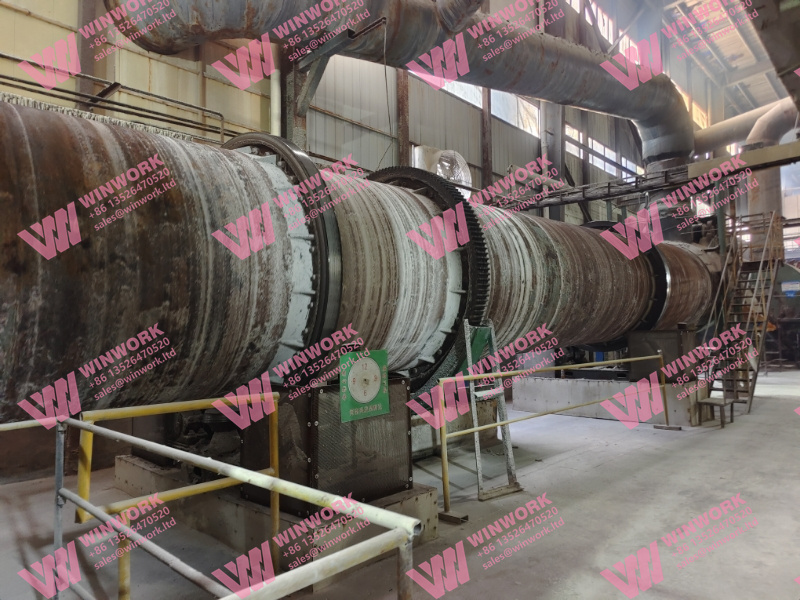
What is Compound Fertilizer Plant Design?
Compound fertilizer plant design involves the systematic planning and engineering of production facilities that manufacture NPK (Nitrogen, Phosphorus, Potassium) fertilizers. This comprehensive process encompasses everything from raw material handling and processing to granulation, drying, cooling, and packaging. The design must balance technical efficiency, environmental compliance, operational safety, and economic viability to create a sustainable and profitable production facility.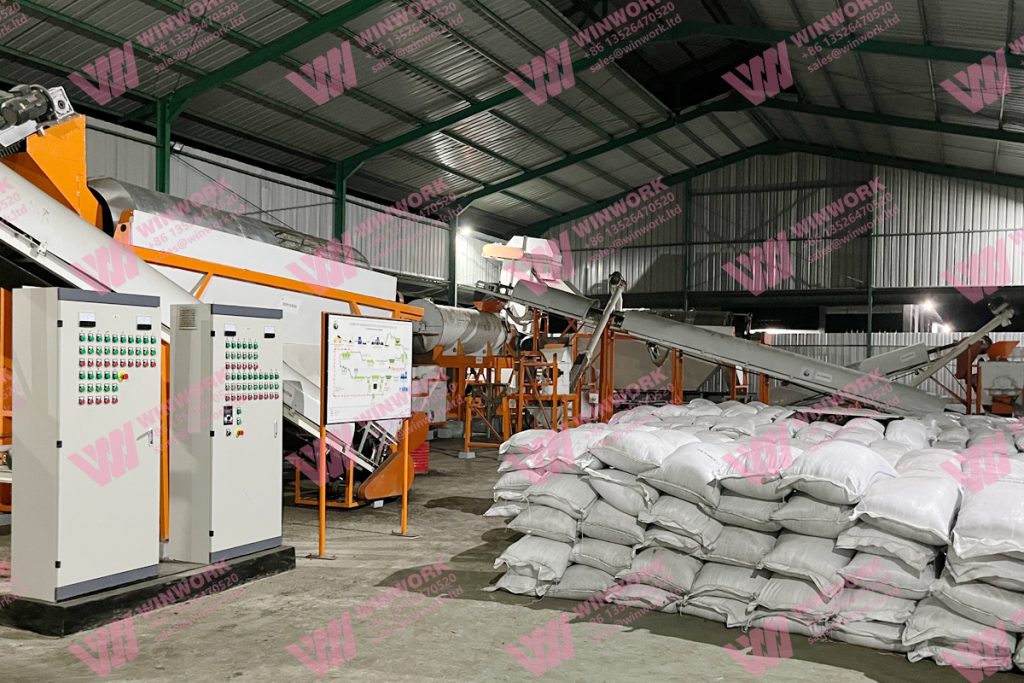
Key Design Considerations
The first critical decision in compound fertilizer plant design is determining the production capacity. This depends on market demand, raw material availability, and investment budget.
Small-scale operations typically require 1-2 tons per hour, while large-scale facilities may need 15-20 tons per hour. The design should include provisions for future expansion, allowing for capacity increases as market demand grows.
Beyond production capacity, the compound fertilizer plant design must consider raw material characteristics, including particle size, moisture content, and chemical composition, as these factors directly influence equipment selection and process parameters.
The choice of granulation technology—whether dry granulation using double roller granulators or wet granulation with disc or rotary drum granulators—significantly impacts equipment requirements, energy consumption, and product quality.
The compound fertilizer plant design must also address material handling systems, including conveyor systems, bucket elevators, and pneumatic conveying systems, to ensure efficient material flow throughout the production process.
Additionally, the design should incorporate adequate storage facilities for raw materials, intermediate products, and finished goods, with proper inventory management systems to prevent material degradation and ensure production continuity.
Process Flow Design
A well-designed process flow in the compound fertilizer plant design is essential for operational efficiency. The standard production line includes several key stages: raw material dosing, mixing, granulation, drying, cooling, classification, coating, and packaging. Each stage must be meticulously designed to ensure seamless material flow and optimal processing conditions. The granulation process is particularly critical, with options including rotary drum granulation, disc granulation, or extrusion granulation, each offering distinct advantages depending on raw material characteristics and desired product specifications.
Equipment Selection
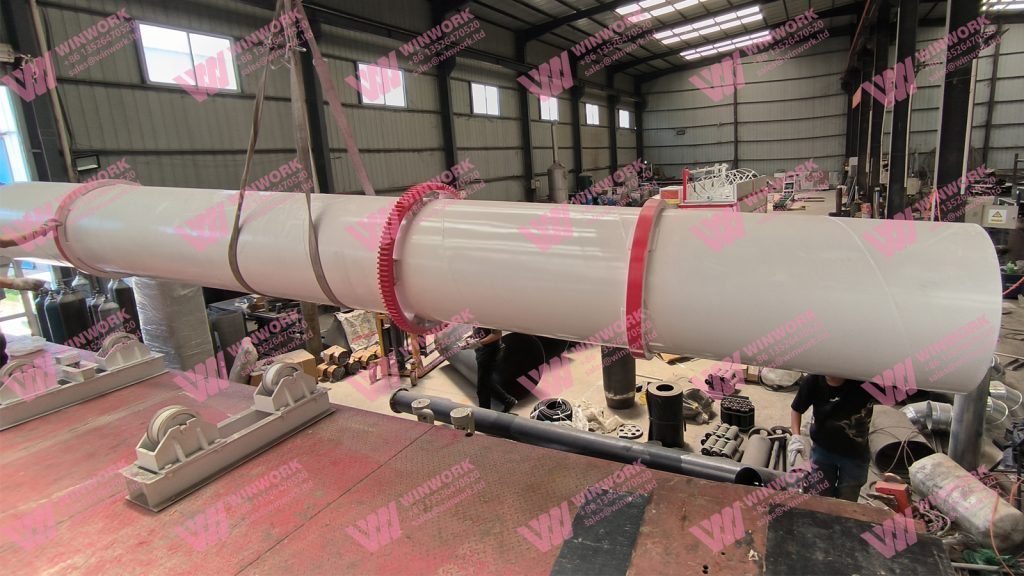
Choosing the right equipment is paramount to the success of a compound fertilizer plant design. The equipment configuration must align with production capacity requirements and process needs. Key equipment includes batching systems, crushers, mixers, granulators, dryers, coolers, screening machines, and packaging systems. The choice between dry granulation and wet granulation processes significantly impacts equipment requirements and investment costs. Dry granulation using double roller granulators requires less equipment and lower initial investment, while wet granulation with disc or rotary drum granulators offers higher output and better granule quality but demands additional drying and cooling equipment
Maintenance Strategies
Implementing a systematic maintenance strategy is crucial for maximizing equipment lifespan and minimizing downtime. Daily maintenance routines should include pre-shift inspections, mid-production monitoring, and post-production cleaning protocols. Critical components in the compound fertilizer plant design such as granulator blades, conveyor scrapers, and dryer liners require regular inspection and replacement according to established schedules. Predictive maintenance techniques, including vibration analysis and condition monitoring, can help detect potential failures before they cause significant downtime. Proper maintenance practices can increase operational uptime by up to 40% while reducing repair costs.
FAQs About Compound Fertilizer Plant Design
1. What are the main raw materials required?
Key raw materials include nitrogen sources (urea, ammonium sulfate), phosphorus sources (single superphosphate, triple superphosphate), potassium sources (potassium chloride, potassium sulfate), and fillers or binders as needed.
2. What is the difference between dry and wet granulation processes?
Dry granulation uses double roller granulators with lower equipment requirements and investment, while wet granulation with disc or rotary drum granulators offers higher output and better granule quality but requires additional drying and cooling equipment.
3. What production capacity should I start with?
Small-scale operations typically start with 1-2 tons per hour, while large-scale facilities may require 15-20 tons per hour. The compound fertilizer plant design should include provisions for future expansion to accommodate market growth.
4. How much does it cost to build a compound fertilizer plant?
Equipment costs typically account for 40-50% of total project cost, with additional expenses for land, construction, raw material inventory, labor, and working capital. Costs vary significantly based on production capacity and technology choices.
5. What maintenance practices are essential for plant operation?
Daily maintenance routines should include pre-shift inspections, mid-production monitoring, and post-production cleaning. Critical components require regular inspection and replacement schedules, while predictive maintenance techniques can detect potential failures early.
Conclusion
Designing a compound fertilizer plant requires a holistic approach that balances technical requirements, environmental compliance, operational efficiency, and financial viability. By carefully considering production process design, equipment selection, plant layout, automation systems, and maintenance strategies, manufacturers can build facilities that deliver consistent product quality, meet regulatory requirements, and achieve sustainable profitability. The key to success lies in thorough planning, selecting reliable equipment suppliers, and implementing robust operational and maintenance practices that ensure long-term success in the competitive fertilizer market.

For more details, please feel free to contact us.
Email: sales@lanesvc.com
Contact number: +86 13526470520
Whatsapp: +86 13526470520

Get A Quote