

Introduction
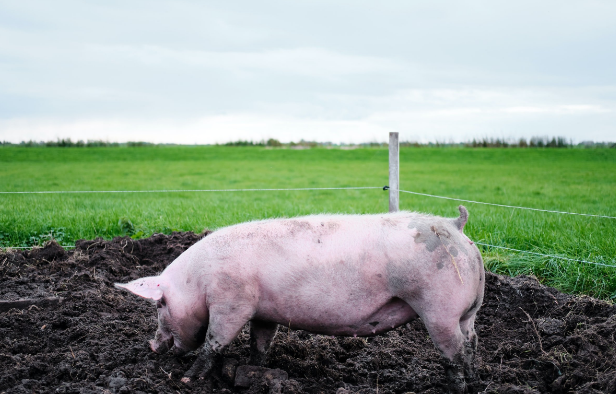
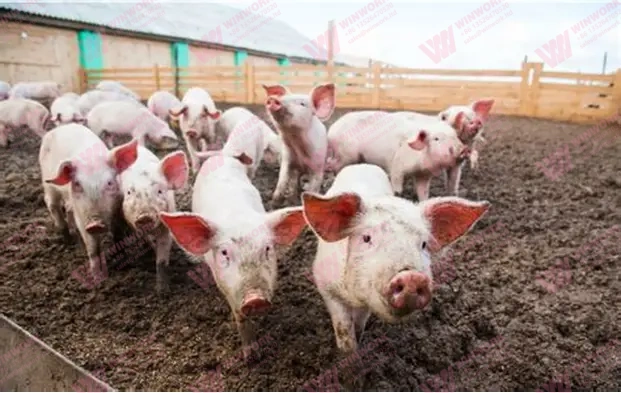
Step onto any traditional pig farm, and the first thing that hits you is the smell. For decades, farmers have seen pig manure as a liability: a pollutant that needs to be disposed of, often at a steep cost. But what if that same manure could power your farm, fertilize your crops, and fatten your wallet? This isn’t a fantasy; it’s a practical reality through the process of converting pig farm manure into fertilizer. This isn’t just about cleaning up; it’s about plugging into a circular economy that turns a negative expense into a positive income stream.
Why Converting Pig Farm Manure into Fertilizer Is a Game-Changer
The old model is broken. You pay for feed, pay for energy, pay for chemical fertilizers, and then pay again to get rid of the manure. The modern approach to converting pig farm manure into fertilizer breaks this cycle. By treating manure as a resource, you can:
Slash Energy Bills: Generate free biogas to heat pig pens and water.
Eliminate Fertilizer Costs: Produce premium organic fertilizer for your own crops or for sale.
Achieve Self-Sufficiency: Move towards a closed-loop system where nothing is wasted.
Boost Profits: Sell excess fertilizer and energy back to the community.
The Step-by-Step Guide to Converting Pig Farm
Manure into Fertilizer
This process is simpler than you think. Here is the roadmap for effectively converting pig farm manure into fertilizer:
Step 1: Collection and Solid-Liquid Separation
The first rule of thumb is “separate early, separate often.” Pig manure is typically a slurry, which is inefficient to compost directly. The first piece of equipment you need is a Solid-Liquid Separator. This machine squeezes the slurry, giving you two products: a dry, stackable solid cake and a nutrient-rich liquid. This is the critical first step in converting pig farm manure into fertilizer because it allows you to process each fraction optimally.
Step 2: Anaerobic Digestion for Energy
That liquid fraction is liquid gold. Pump it into an Anaerobic Digester Tank. In this sealed, heated tank, bacteria eat the waste and produce methane-rich biogas. This gas is piped to a Biogas Generator or boiler. Suddenly, your pig farm is producing its own heat and electricity. This step is the engine of the operation, making converting pig farm manure into fertilizer an energy-positive process.
Step 3: Composting the Solids
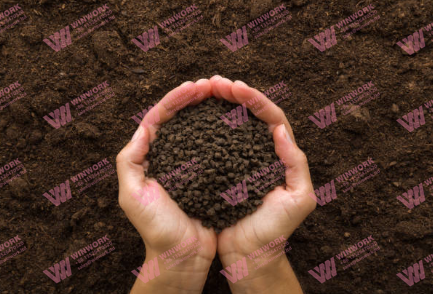
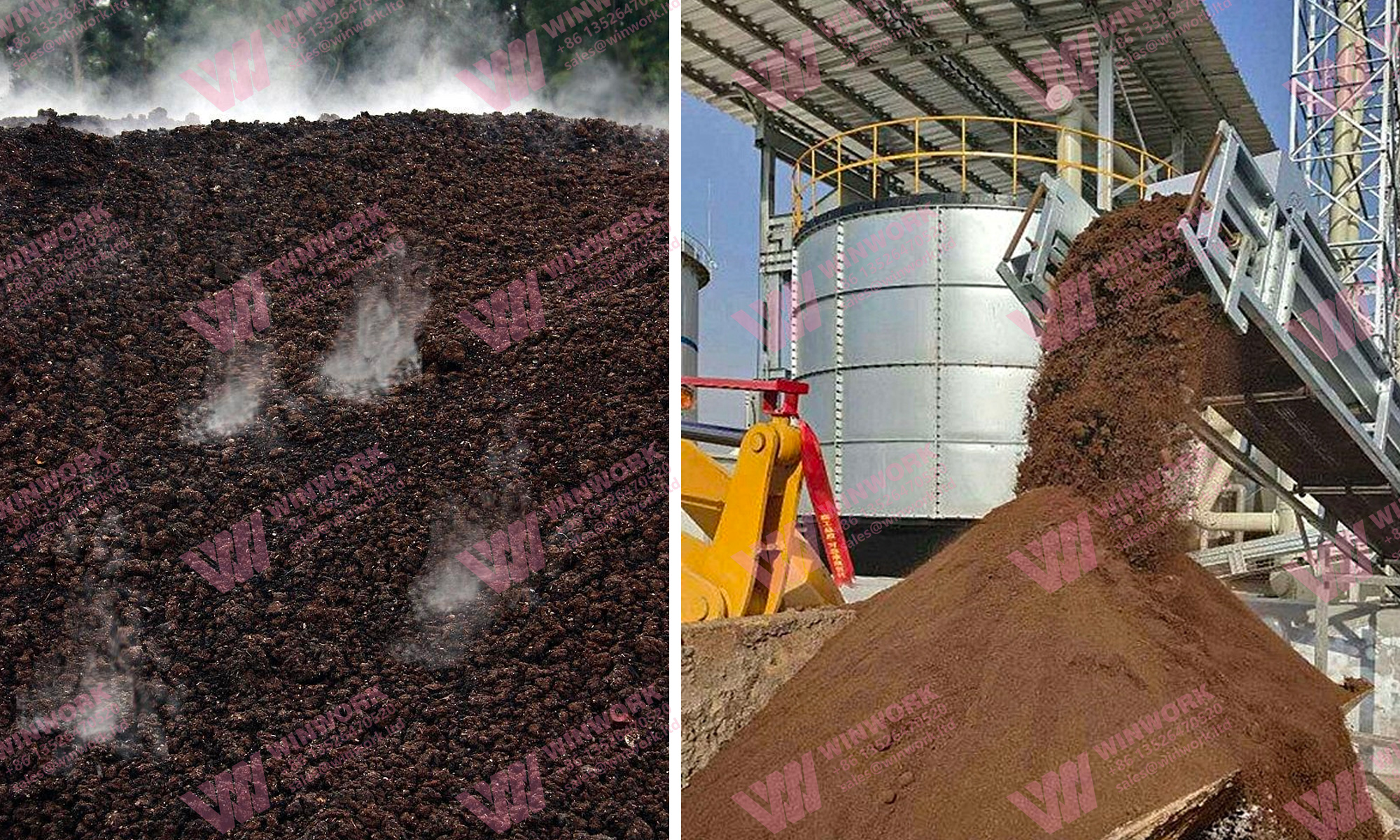
The solid cake from the separator is perfect for making high-quality fertilizer. Mix it with carbon-rich materials like straw or sawdust. Use a Compost Turner to aerate the piles. The material heats up, killing pathogens and weed seeds. Within a couple of months, you have a dark, crumbly, earthy-smelling compost. This is the core product of converting pig farm manure into fertilizer.
Step 4: Pelletizing for Profit
Why sell a bulky commodity when you can sell a premium product? Feed the finished compost into a Flat Die Pelletizer. This machine compresses the material into uniform, dense pellets. These are easy to bag, transport, and apply—commanding a much higher price at market. This final step maximizes the return on your investment in converting pig farm manure into fertilizer.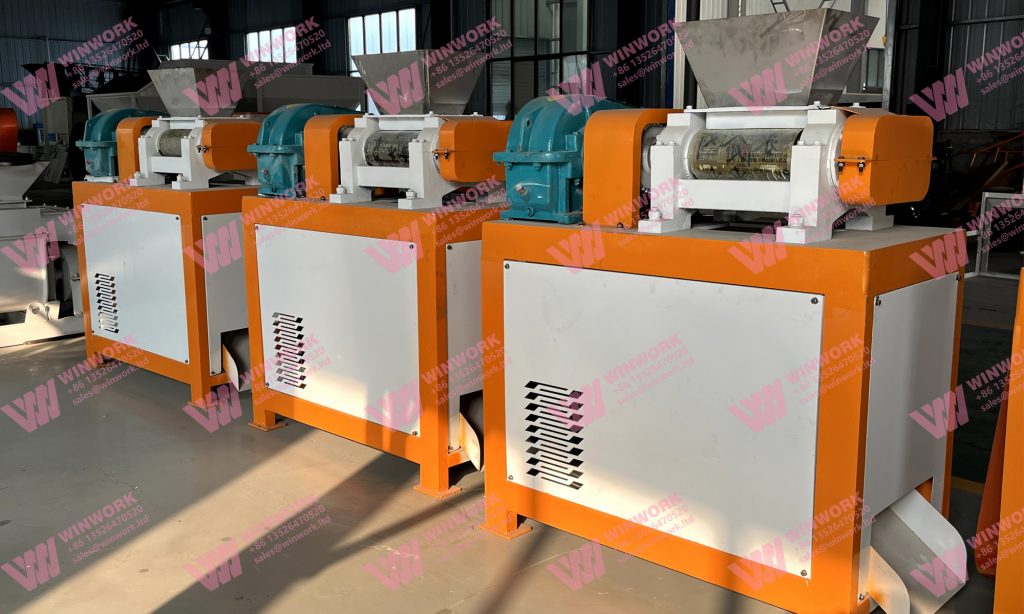
Essential Equipment for Converting Pig Farm Manure into Fertilizer
You don’t need a massive budget to start. Focus on these key, affordable machines:
Screw Press Solid-Liquid Separator: The workhorse that starts the entire process ($1,500–$3,000).
Anaerobic Digester Tank: Can be a DIY welded steel tank or a prefabricated unit ($8,000–$25,000).
Biogas Generator: A modified diesel generator can often be converted to run on biogas for cheap power.
Compost Turner: A simple windrow turner or a small tractor-mounted unit ($1,000–$4,000).
Flat Die Pelletizer: The key to adding value and making your product professional ($2,000–$4,500).
Real Farm Example
The Lius were spending $300 a month on propane to heat their farrowing rooms and $200 a month on chemical fertilizers. After implementing a system for converting pig farm manure into fertilizer with a $2,000 separator, a $15,000 digester, and a $3,000 pelletizer, the changes were dramatic.
Their propane bill dropped to zero.
They stopped buying chemical fertilizers entirely.
They sold 15 tons of fertilizer pellets to local orchards for $180/ton.
Their annual profit increased by over $6,000. “Converting pig farm manure into fertilizer was the best decision we ever made,” says Mr. Liu. “It paid for itself in less than two years.”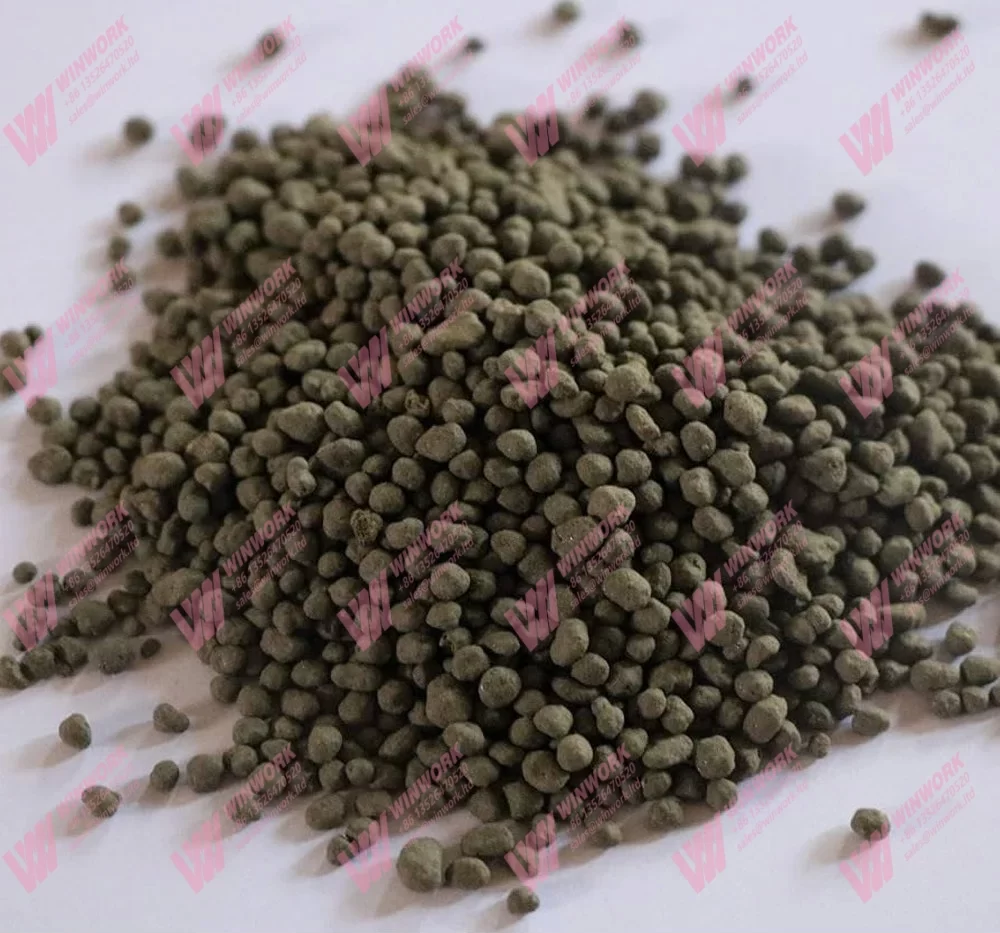
FAQ: Your Questions About Converting Pig Farm Manure into Fertilizer Answered
Q1: Is converting pig farm manure into fertilizer expensive to start?
A: The initial investment for a digester and separator is the largest cost, but it is far cheaper than building a waste lagoons system. Most farmers see a return on investment within 2-3 years through savings and sales.
Q2: Does the process smell bad?
A: No. The anaerobic digester is completely sealed, trapping all odors. The composting process, when managed correctly with aeration, should smell earthy, not rotten.
Q3: Can I really run a generator on pig manure gas?
A: Yes. Biogas from pig slurry has a high methane content, making it an excellent fuel. You just need to scrub out the sulfur and moisture first.
Q4: What if I don’t have crops to use the fertilizer on?
A: That’s fine! The market for high-quality organic fertilizer is huge. Nurseries, landscaping companies, and vegetable farmers are all potential customers.
Q5: How much manure do I need?
A: A farm with 100 pigs produces roughly 1.5 to 2 cubic meters of slurry per day, which is enough to run a small-scale system for converting pig farm manure into fertilizer.
Q6: Is it difficult to maintain?
A: Not at all. Daily checks involve monitoring the digester temperature and gas pressure. The compost turner requires a few hours of work a week. It’s far less labor-intensive than constantly cleaning out smelly pits.
Q7: Can I use this method for other animals?
A: Absolutely. While this guide focuses on converting pig farm manure into fertilizer, the same equipment works perfectly for cattle, chicken, or duck manure.
Q8: What happens in winter?
A: Digesters need to stay warm (around 35°C / 95°F). Insulation and a small heating element (powered by the biogas itself!) keep the bacteria happy and active year-round.
Q9: Do I need a license to sell the fertilizer?
A: For small-scale, local sales, you usually don’t need a special license, but your product should be tested for nutrient content. Check your local agricultural regulations.
Q10: Where do I start with converting pig farm manure into fertilizer?
A: Start by calculating your daily manure output and your energy needs. This will tell you the size of the digester required for your converting pig farm manure into fertilizer project.
Conclusion
The days of viewing pig manure as a problem are over. By adopting a smart strategy for converting pig farm manure into fertilizer, you are not just managing waste—you are building a more resilient, profitable, and environmentally friendly farm. The technology is accessible, the methods are proven, and the financial benefits are clear. Whether you have 50 pigs or 500, the path to energy independence and soil health starts with converting pig farm manure into fertilizer. Stop paying to get rid of it, and start making money from it.
For more details, please feel free to contact us.
Email: sales@lanesvc.com
Contact number: +8613526470520
Whatsapp: +8613526470520
Get A Quote