

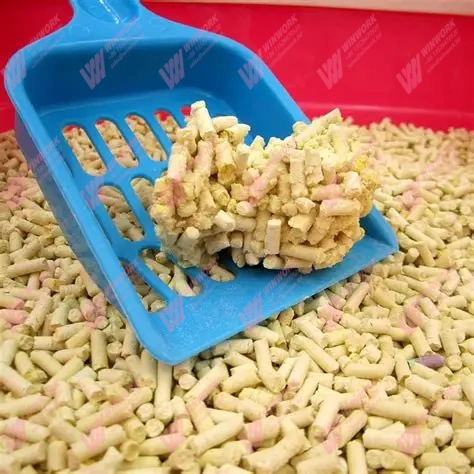
Introduction: Why Corn Cat Litter Is Gaining Momentum in Australia
In recent years, Australia has seen a steady shift toward sustainable and biodegradable pet products. Among these alternatives, corn-based cat litter has attracted increasing attention due to its plant-based origin, low dust, and environmental benefits. Behind this trend, manufacturers are actively investing in a Corn Cat Litter Production Line in Australia to meet growing demand while maintaining competitive production costs.
Compared with traditional bentonite litter, corn cat litter requires a different production approach. Raw materials behave differently, moisture control becomes more critical, and equipment selection has a direct impact on efficiency and product consistency. For Australian manufacturers, optimizing a Corn Cat Litter Production Line in Australia is not only about output, but also about achieving higher efficiency, lower waste, and compliance with local environmental standards.
This article explains why Australia is an ideal market for corn cat litter, the challenges manufacturers face, and how a well-designed Corn Cat Litter Production Line in Australia can help improve production efficiency by up to 30%.
Why Australia Is a Strong Market for Corn Cat Litter Production
Australia has several structural advantages that support the development of corn-based cat litter manufacturing.
Strong Environmental Regulations and Consumer Awareness
Australian consumers are highly aware of sustainability and environmental impact. Biodegradable and plant-based products are increasingly preferred, especially in pet care. A Corn Cat Litter Production Line in Australia aligns well with national sustainability goals and retail expectations.
Government regulations and retailer requirements also favor products with low environmental impact. This pushes manufacturers to invest in cleaner and more efficient production systems rather than traditional mineral-based solutions.
Availability of Agricultural Byproducts
Australia has access to corn-related agricultural byproducts that can be processed into cat litter raw materials. This makes local sourcing possible and reduces dependence on imported materials. When properly processed, these raw materials perform well in a Corn Cat Litter Production Line in Australia, offering stable pellet formation and good absorbency.
Export-Oriented Manufacturing Environment
Many Australian producers do not only serve the domestic market but also export to Asia-Pacific regions. A stable Corn Cat Litter Production Line in Australia allows manufacturers to meet export quality standards while controlling costs and maintaining consistent output.
Key Challenges in Corn Cat Litter Manufacturing in Australia
Although the market outlook is positive, corn-based cat litter production comes with its own technical challenges.
Moisture Sensitivity of Corn-Based Materials
Corn fibers and starch-based materials are highly sensitive to moisture variation. Inconsistent moisture content can lead to weak pellets, excessive dust, or drying inefficiencies. This makes moisture control one of the most critical aspects of a Corn Cat Litter Production Line in Australia.
Pellet Strength and Durability
Unlike mineral pellets, corn-based pellets rely more on proper mixing, binding, and granulation pressure. Without suitable equipment, pellets may break during packaging or transport. This is a common issue when production lines are not specifically designed for plant-based materials.
Energy Cost and Drying Efficiency
Drying is one of the highest energy-consuming stages. Australian energy costs make it essential to design an energy-efficient Corn Cat Litter Production Line in Australia that minimizes heat loss while maintaining stable moisture reduction.
How to Configure a Corn Cat Litter Production Line in Australia
Recommended Capacity: 3–5 T/H for Stable Market Supply
For most manufacturers, a 3–5 T/H corn cat litter production line in Australia is considered the most practical configuration. This capacity range balances equipment investment, operating cost, and market demand, especially for companies serving both domestic sales and exports.
A 3–5 T/H system allows stable continuous production without excessive energy consumption. Compared with oversized systems, this configuration reduces idle capacity risks while maintaining flexibility for future expansion of the corn cat litter production line in Australia.
Granulator Selection for Corn-Based Materials
Granulation is the core step that directly affects pellet strength and appearance. In a corn cat litter production line in Australia, granulator selection depends on raw material characteristics and output requirements.
Disc granulators are suitable for manufacturers requiring flexible pellet size control and frequent formula adjustments.
Rotary drum granulators are preferred for higher output stability and stronger pellet formation under continuous operation.
For most 3–5 T/H systems, rotary drum granulators offer better consistency in a corn cat litter production line in Australia, especially when targeting export-grade products.
Drying Key Points for Corn Cat Litter Production
Drying performance has a direct impact on energy cost and final product quality. In a corn cat litter production line in Australia, drying must remove moisture evenly without overheating pellets.
Key drying considerations include:
- Controlled temperature to avoid pellet cracking
- Proper residence time to stabilize moisture content
- Efficient heat utilization to reduce fuel consumption
An optimized drying system significantly improves output stability and reduces operating costs across the corn cat litter production line in Australia.
Equipment & Solutions: The Real Value Behind the Production Line
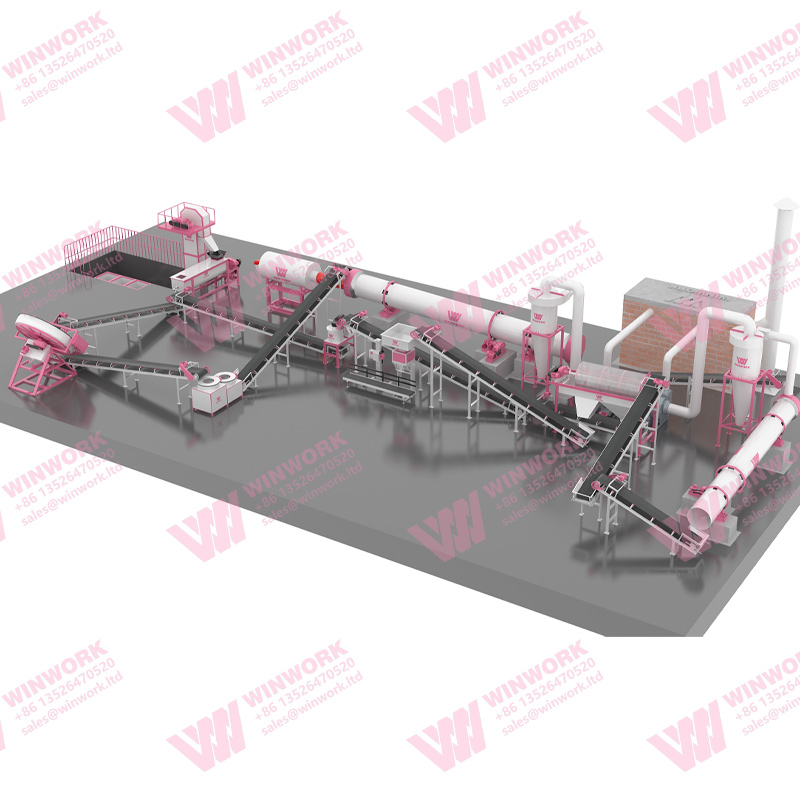
In a corn cat litter production line in Australia, equipment selection directly determines product consistency, production efficiency, and long-term operating cost. Below are the core machines and the practical value each one delivers.
Crushing
Crushers reduce corn-based raw materials to a uniform particle size, which improves granulation stability and prevents material buildup. This step ensures smoother downstream processing and lowers equipment wear over long-term operation.
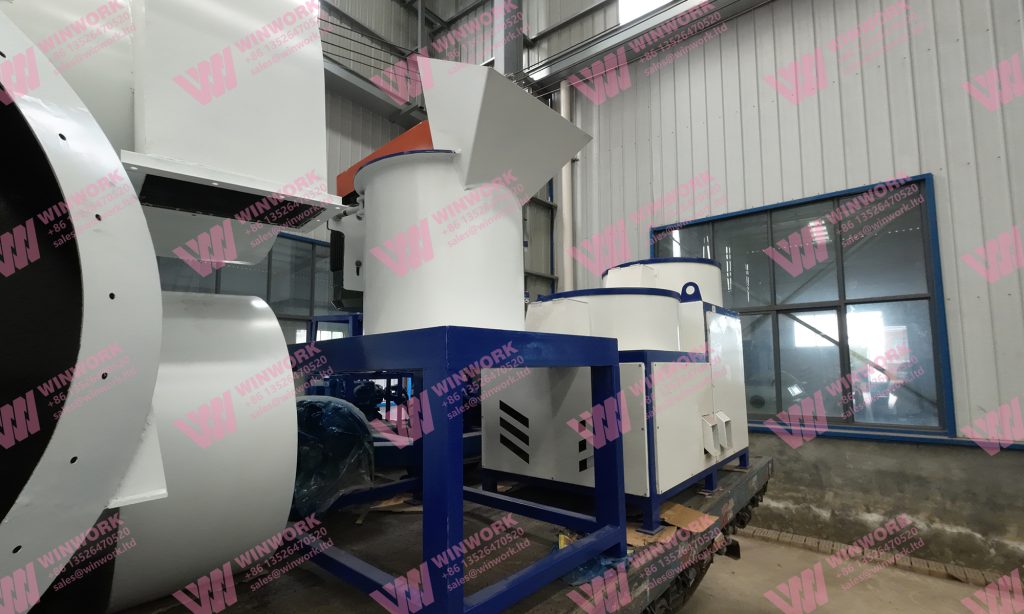
Vertical Crusher
High-Efficiency Mixing System
Mixers ensure even distribution of moisture and natural binders throughout the corn material. Proper mixing improves pellet strength, reduces dust generation, and increases overall yield consistency.
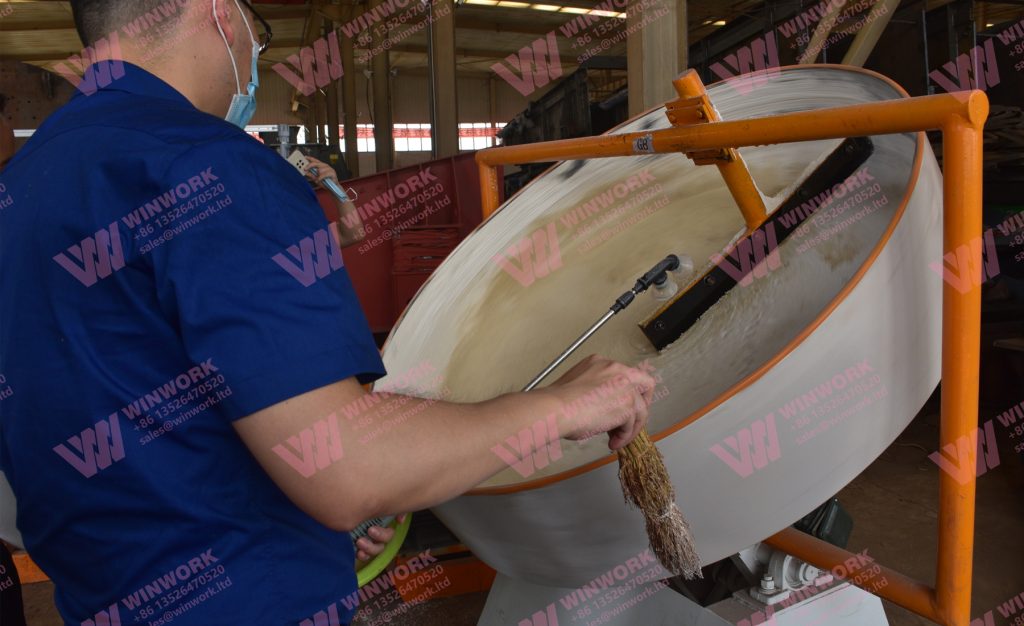
Granulation System (Disc or Rotary Drum Granulator)
Granulators define pellet size, density, and surface quality. Disc granulators offer flexible control for 3–5T/H capacity, while rotary drum granulators provide stronger pellets for continuous production and higher throughput.
Drying & Cooling System
Dryers reduce moisture to stable levels without damaging pellet structure, while coolers prevent deformation during packaging and storage. Efficient thermal control lowers energy consumption and improves finished product durability.
Screening & Recycling System
Screening machines separate qualified pellets from fines and oversized particles. Recycled material is returned to granulation, improving raw material utilization and reducing production waste.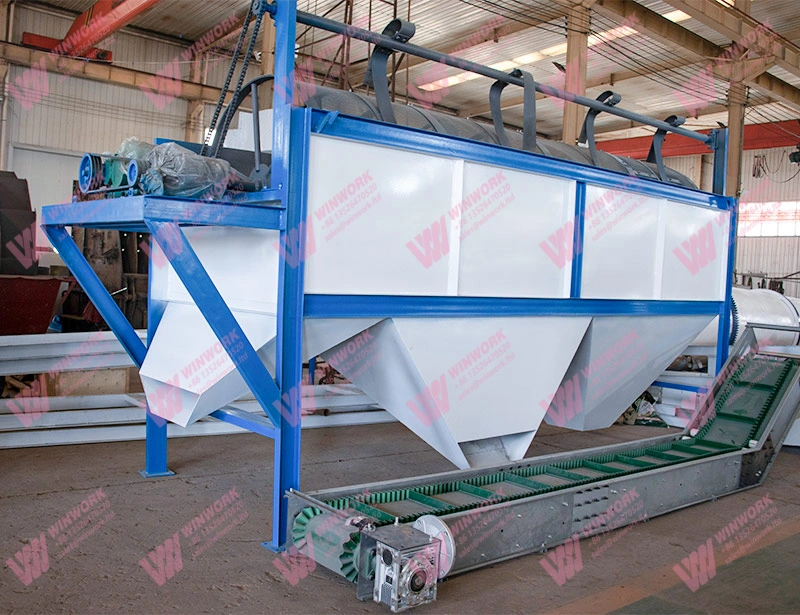
Automatic Packaging System
Packaging machines ensure accurate weighing, consistent bag quality, and reduced labor dependency. This final step improves logistics efficiency and supports export-ready packaging standards.
When properly integrated, these systems form a reliable and cost-efficient corn cat litter production line in Australia, delivering stable output, predictable operating costs, and long-term manufacturing value.
Dry Granulation or Wet Granulation: Which Is Better for Corn Cat Litter Granulation Process in Australia?
When designing a corn cat litter production line in Australia, choosing between dry granulation and wet granulation is a critical technical decision. Each method affects pellet quality, energy consumption, and operating cost differently.
Dry Granulation Process
Dry granulation forms pellets using the natural moisture content of corn-based raw materials, without adding extra water. This method reduces drying load, lowers energy consumption, and simplifies process control.
For Australia, where energy costs are relatively high, dry granulation is often preferred for small to medium-capacity lines (3–5T/H) due to its lower operating cost and easier maintenance.
Wet Granulation Process
Wet granulation requires adding water or binders during mixing to improve pellet bonding strength. While this method produces smoother pellets with higher mechanical strength, it also increases drying demand and overall energy usage.
Wet granulation is more suitable for large-scale production lines or when raw materials have low natural binding properties.
Key Comparison for Australian Manufacturers
Dry granulation offers better cost control and faster startup, while wet granulation provides higher pellet uniformity at the expense of higher energy consumption. The choice depends on production scale, raw material quality, and long-term cost strategy.
Recommended Solution
For most medium-scale operations, a dry granulation-based corn cat litter production line in Australia delivers the best balance between pellet quality, energy efficiency, and investment return.
How Manufacturers Improve Efficiency by 30%
Efficiency improvement is achieved through a combination of technical and operational factors.
Reduced Material Waste
Closed-loop recycling systems within the Corn Cat Litter Production Line in Australia reduce fines and material loss, directly lowering raw material costs.
Lower Energy Consumption per Ton
Optimized drying and balanced production flow reduce energy usage per ton of finished product, improving overall profitability.
Stable Continuous Operation
Automation reduces downtime and manual intervention. A stable Corn Cat Litter Production Line in Australia operates more consistently, allowing manufacturers to meet delivery schedules and maintain customer trust.
Equipment Selection and Supplier Support
Choosing the right equipment supplier is as important as choosing the equipment itself.
Reliable suppliers provide process design guidance, installation support, and long-term technical service. This ensures that a Corn Cat Litter Production Line in Australia operates efficiently throughout its lifecycle.
Durable components and readily available spare parts reduce maintenance costs and production interruptions.
Who Should Invest in a Corn Cat Litter Production Line in Australia?
A Corn Cat Litter Production Line in Australia is particularly suitable for:
Existing cat litter manufacturers expanding into biodegradable products
- Agricultural processors adding value to corn byproducts
- Investors targeting sustainable pet care markets
- Export-oriented producers serving Asia-Pacific regions
For these users, corn-based cat litter offers both market growth potential and regulatory advantages.
Long-Term Market Outlook
Demand for plant-based and biodegradable cat litter is expected to continue growing. Early investment in a Corn Cat Litter Production Line in Australia allows manufacturers to build technical experience, brand credibility, and stable customer relationships.
As environmental standards become stricter, production lines designed specifically for corn-based materials will outperform generic systems in both efficiency and compliance.
Frequently Asked Questions about Corn cat litter production line in Australia
Q1: Can existing mineral cat litter equipment be reused?
In most cases, partial modification is possible, but a dedicated corn cat litter production line in Australia performs significantly better due to different raw material behavior.
Q2: Is a 3–5 T/H line suitable for new investors?
Yes. This capacity offers a lower entry risk while maintaining scalability within a corn cat litter production line in Australia.
Q3: How important is automation?
Automation improves consistency and reduces labor dependency, making it a critical factor for long-term operation of a corn cat litter production line in Australia.
Conclusion
A well-designed Corn Cat Litter Production Line in Australia is more than a production system—it is a strategic investment in efficiency, sustainability, and long-term competitiveness. By addressing raw material behavior, moisture control, granulation technology, and energy efficiency, manufacturers can realistically improve operational efficiency by up to 30%.
For Australian producers seeking to enter or expand in the biodegradable cat litter market, investing in a reliable and properly configured Corn Cat Litter Production Line in Australia provides a strong foundation for stable output, controlled costs, and future growth.
For more details, please feel free to contact us.
Email: sales@lanesvc.com
Contact number: +86 13526470520
Whatsapp: +86 13526470520
Get A Quote