


Introduction
Building an eco-farm sounds expensive. Solar panels, organic soil treatments, water-saving systems—these things can add up fast. But the truth is, with the right approach, you can construct a productive, sustainable farm on a budget. The secret lies in understanding the key points of cost control in eco-farm construction. This means choosing low-cost yet durable materials, using equipment that serves multiple purposes, and designing the farm so that waste from one process becomes input for another. The result is a lean operation that grows more with less.
Why Focus on Key Points of Cost Control in Eco-Farm Construction?
Many eco-farms fail not because the ideas are wrong, but because they spend too much upfront. High initial costs lead to debt, which makes it hard to survive the first few years. By concentrating on key points of cost control in eco-farm construction, you can:
Lower building and equipment expenses
Reduce ongoing operational costs
Increase income by reusing waste and producing salable goods
Build a system that pays for itself faster
This approach lets you start small, prove the concept, and expand without financial stress.
The Main Key Points of Cost Control in Eco-Farm Construction
Use Local and Recycled Materials
Save money by sourcing materials locally. Old shipping pallets make great compost bins or fencing. Reclaimed bricks or stones work for walkways and foundations. Local timber is cheaper than imported materials and reduces transport emissions. This is one of the most effective key points of cost control in eco-farm construction because it cuts both cash outlay and environmental impact.
Design Multi-Use Structures
Build barns or sheds that serve more than one purpose. A livestock shelter can double as a composting area. A greenhouse can grow seedlings in spring and house poultry in winter. This flexibility means you need fewer buildings, which is a major key point of cost control in eco-farm construction.
Invest in Versatile Equipment
Choose tools that can handle several jobs. A compost turner can aerate manure piles and crop residues. A shredder can process straw, leaves, and food scraps. A flat die pelletizer can turn compost into fertilizer pellets or bedding material. Buying multi-purpose equipment is smarter than purchasing single-use machines, and it’s a critical key point of cost control in eco-farm construction.
Integrate Waste Recycling Systems
Plan from the start to reuse everything. Chicken manure mixed with straw becomes compost. Crop stalks fed into an anaerobic digester produce biogas for heating and liquid fertilizer for fields. This integration slashes input costs and creates extra income, which is the heart of key points of cost control in eco-farm construction.
Start Small and Scale Up
Begin with a pilot section—say, half an acre of vegetables and a small poultry unit. Test your systems, learn what works, and expand gradually. Starting small prevents overinvestment and allows you to refine your methods, another vital key point of cost control in eco-farm construction.
Use Passive Renewable Energy
Instead of expensive solar arrays, start with passive designs. Orient greenhouses to catch winter sun. Use natural windbreaks to reduce heating needs. Collect rainwater from roofs for irrigation. These measures cost little but deliver lasting savings, fitting perfectly into key points of cost control in eco-farm construction.
Equipment That Supports Key Points of Cost Control in Eco-Farm Construction
You don’t need brand-new, high-tech gear. A second-hand compost turner can cost half the price of a new one and work just as well. A basic shredder for manure and straw runs $800 to $2,000 and handles multiple materials. A manual solid-liquid separator costs under $1,500 and reduces manure volume for composting or biogas. For drying, simple solar racks or a small rotary dryer keep costs down. A flat die pelletizer under $3,000 can turn compost into marketable pellets. All of this equipment aligns with key points of cost control in eco-farm construction by delivering maximum function for minimum spend.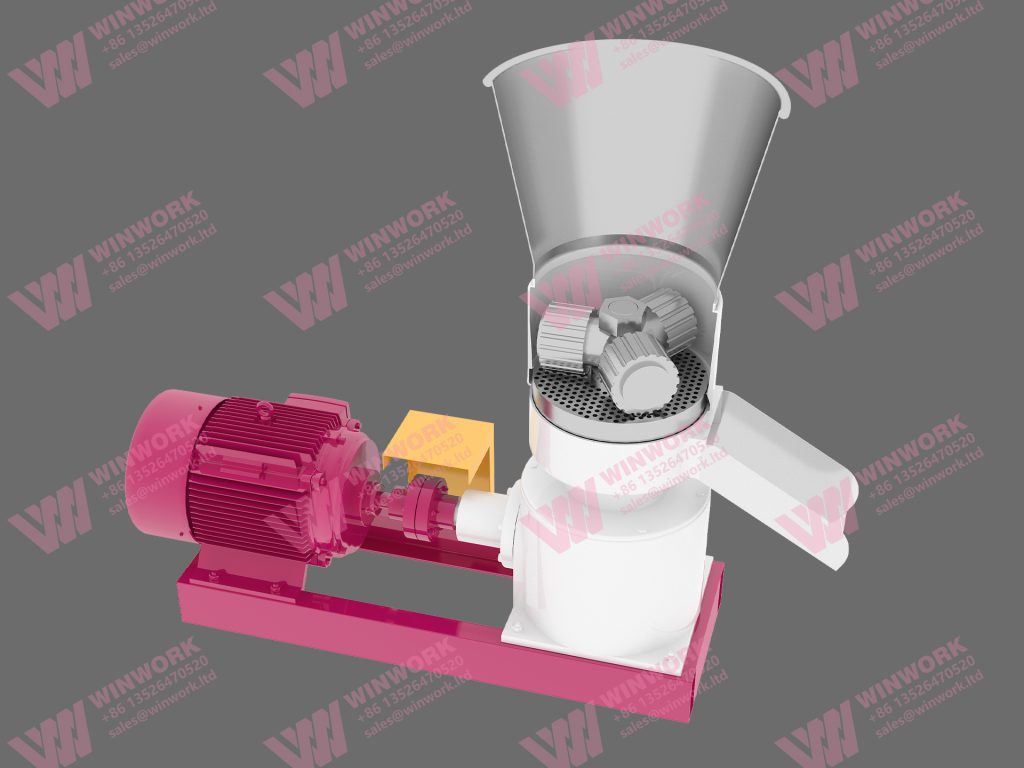
Real Farm Example: The Yang Family’s 5-Acre Eco-Farm
The Yangs wanted to build an eco-farm but had limited funds. By applying key points of cost control in eco-farm construction, they used reclaimed wood for raised beds, built a combined poultry and composting shed, and bought a used $1,200 shredder. They mixed chicken manure with rice straw to make compost, which replaced chemical fertilizers. Within two years, their operating costs dropped 40 percent, and they earned $3,000 annually from compost and pellet sales. “Focusing on key points of cost control in eco-farm construction let us grow without going into debt,” says Mrs. Yang.
FAQ: Your Questions About Key Points of Cost Control in Eco-Farm Construction Answered
Q1: Can I really build an eco-farm cheaply?
A: Yes. The key points of cost control in eco-farm construction focus on local materials, multi-use structures, and versatile equipment to keep expenses low.
Q2: What’s the most expensive part of eco-farm construction?
A: Usually buildings and equipment. Controlling costs here through design and smart purchasing is critical.
Q3: How do I choose the right equipment?
A: Look for machines that can perform multiple tasks, like shredders that handle manure and straw.
Q4:Should I start with renewable energy systems?
A: Passive systems like solar orientation and rainwater harvesting are low-cost starters. Add active systems like solar panels later.
Q5: How do I integrate waste recycling?
A: Plan manure composting, crop residue digestion, and water reuse from day one. This cuts input costs and boosts income.
Q6: Can I use second-hand equipment?
A: Absolutely. Many second-hand compost turners, shredders, and separators work like new and cost much less.
Q7: How long until the farm pays for itself?
A: With good key points of cost control in eco-farm construction, many small eco-farms break even in 2–4 years.
Q8: What if I don’t have much land?
A: Start small. Even a quarter acre with integrated composting and poultry can demonstrate the benefits.
Q9: How do I find local materials?
A: Check salvage yards, farms clearing old structures, and local classified ads.
Q10: What’s the biggest mistake to avoid?
A: Overspending early on single-use systems. Always look for ways to reuse materials and equipment.
Conclusion
The key points of cost control in eco-farm construction are not just about pinching pennies—they’re about building a smarter, more resilient farm. By using local and recycled materials, designing multi-use buildings, investing in versatile equipment, and integrating waste recycling, you can create a profitable eco-farm without massive debt. These strategies lower your costs, increase your income, and make your farm truly sustainable. Whether you dream of a small homestead or a larger operation, applying the key points of cost control in eco-farm construction will help you grow green—and grow smart.
For more details, please feel free to contact us.
Email: sales@lanesvc.com
Contact number: +8613526470520
Whatsapp: +8613526470520
Get A Quote