

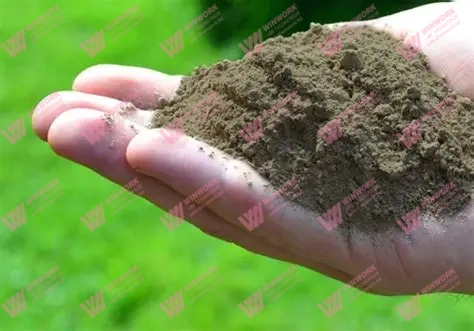
In recent years, the global demand for organic fertilizers has increased significantly due to the rising awareness of environmental sustainability and the harmful effects of chemical fertilizers on both soil health and the environment. As organic farming becomes more widespread, the demand for efficient, high-quality, and customized organic fertilizer equipment is growing.
This article talks about the essential aspects of customized organic fertilizer equipment, focusing on its key types, parts that can be customized, the benefits it offers, and factors to consider when choosing the right equipment. Whether you’re setting up a new organic fertilizer production line or upgrading your existing equipment, this guide will provide valuable insights to make an informed decision.
What is Customized Organic Fertilizer Equipment?
Customized organic fertilizer equipment refers to a set of machinery specifically designed for producing organic fertilizers, with each piece tailored to meet the unique production requirements of different fertilizer manufacturers. Organic fertilizers are made from natural materials, such as plant, animal, or microbial substances, which must be processed into fine granules or liquids that can be used efficiently for agricultural purposes.
While generic fertilizer machines can be used for organic fertilizer production, customized organic fertilizer equipment is built to address specific needs based on raw material properties, production capacity, and the desired final product. For example, customized organic fertilizer equipment may feature different configurations to accommodate diverse organic materials, ensure better nutrient distribution, or increase energy efficiency during production.
The Main Types of Customized Organic Fertilizer Equipment
Customized organic fertilizer equipment can mean many things, including the type of machine, its operational capabilities, and the specific features that optimize production. There are several types of equipment used in the production of organic fertilizers, and each can be customized based on the needs of the production line.
- Customized Organic Fertilizer Compost Turner
Before raw materials like animal manure, crop residues, and plant waste are processed into organic fertilizers, they typically undergo composting. Compost turners play a critical role in ensuring proper aeration and mixing during this process. Customized compost turners optimize composting efficiency, accelerating the decomposition of organic materials and ensuring high-quality organic fertilizer. There are three main types of compost turners, each tailored for different production needs:
Groove Type Compost Turner: This type of turner is designed for use in trench-like composting systems. The groove-type compost turner is highly effective for aerating compost piles, ensuring even mixing of organic materials. It can be customized with various turning speeds, widths, and depths depending on the composting scale and the types of raw materials used.
Crawler Compost Turner: The crawler compost turner is ideal for large-scale composting operations. It moves over the compost pile using crawler tracks, ensuring stable movement over uneven surfaces. Customization options include different track lengths, turning capacities, and engine power. Crawler turners are perfect for managing large quantities of organic waste and are often used in industrial-scale fertilizer production.
Wheel Type Compost Turner: This is a versatile compost turner that moves using wheels, providing more flexibility and maneuverability compared to crawler models. It’s especially effective for aerobic composting in open fields. Customization options typically include wheel size, turning width, and adjustable height to accommodate different compost pile sizes.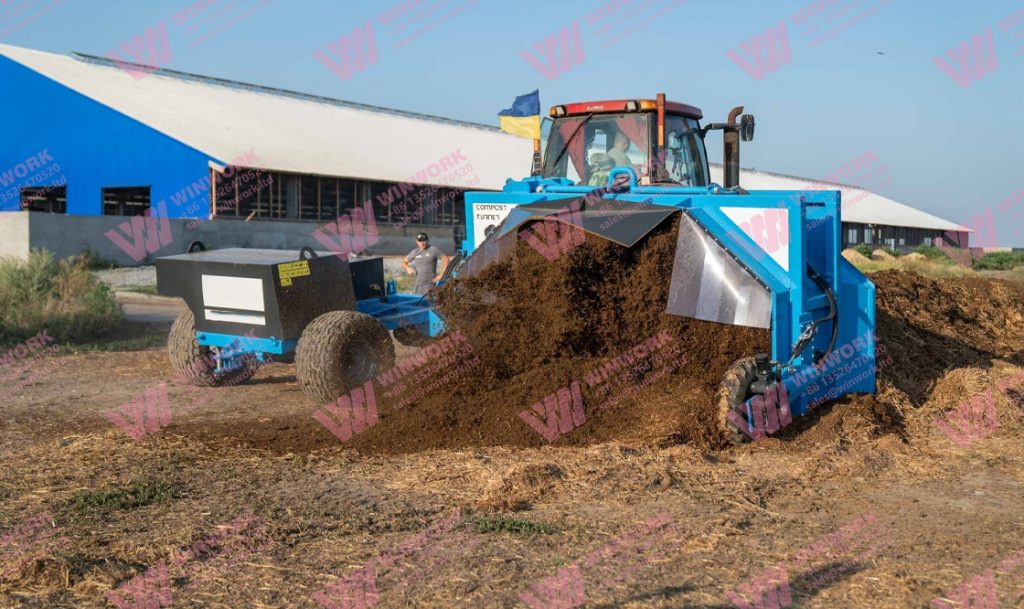
- Organic Fertilizer Crusher
The first step in the organic fertilizer production process is crushing raw materials into smaller, uniform particles. customized organic fertilizer equipment such as crushers ensure that materials such as animal manure, crop residue, and compost are broken down to the required size for subsequent processes.
Hammer Crushers: Ideal for soft, fibrous materials like plant waste. These crushers can be customized with different hammer designs and sizes to accommodate various raw materials.
Vertical Crushers: Used for harder materials, such as animal manure, that need to be ground more finely. Vertical crushers can be customized with adjustable rotor speeds and capacities based on production needs.
Horizontal Crushers: They can be customized with multiple crushing chambers and different blade configurations to optimize the crushing process. They are particularly effective for large-scale production lines and can handle a higher volume of material, making them ideal for manufacturers requiring consistent particle sizes.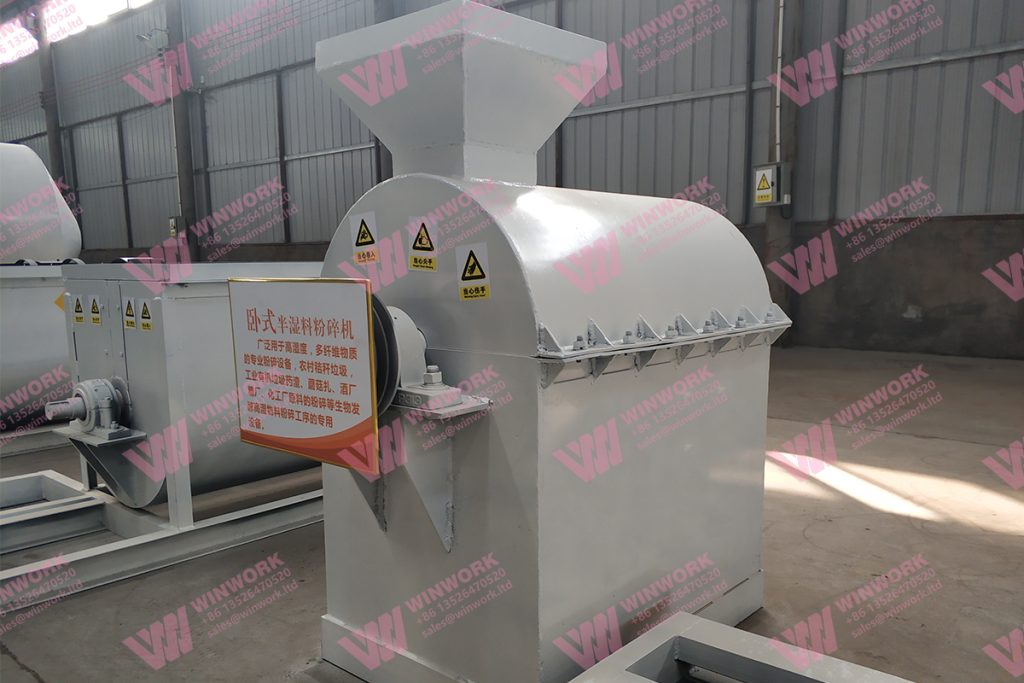
- Organic Fertilizer Mixer
Once the materials are crushed, they need to be blended into a uniform mixture. Customized mixers can ensure an even distribution of nutrients, which is essential for producing high-quality organic fertilizers.
Horizontal Mixers: Popular for large-scale organic fertilizer production, horizontal mixers ensure thorough blending of raw materials. Customization may include adjustable mixing speeds and specialized mixing paddles for different raw material types.
Vertical Mixers: Suitable for smaller-scale production lines, vertical mixers provide efficient blending for composts, animal manures, and organic materials with varying moisture content.
- Organic Fertilizer Granulator
The granulation process is key to producing uniform, easily applied organic fertilizers. A customized organic fertilizer granulator ensures that the raw material is transformed into granules of the desired size and hardness.
Rotary Drum Granulators: These machines are often customized to handle larger-scale production with varying capacities. They can be designed to increase granulation efficiency and improve the quality of granules.
New Type Organic Fertilizer Granulators: The new type granulator is a versatile, energy-efficient option designed specifically for organic fertilizer production. These granulators are known for their ability to produce granules with a high density and uniform size. Customization can include adjustments to granulation speed, moisture control, and addition of binders or other additives to optimize granule formation.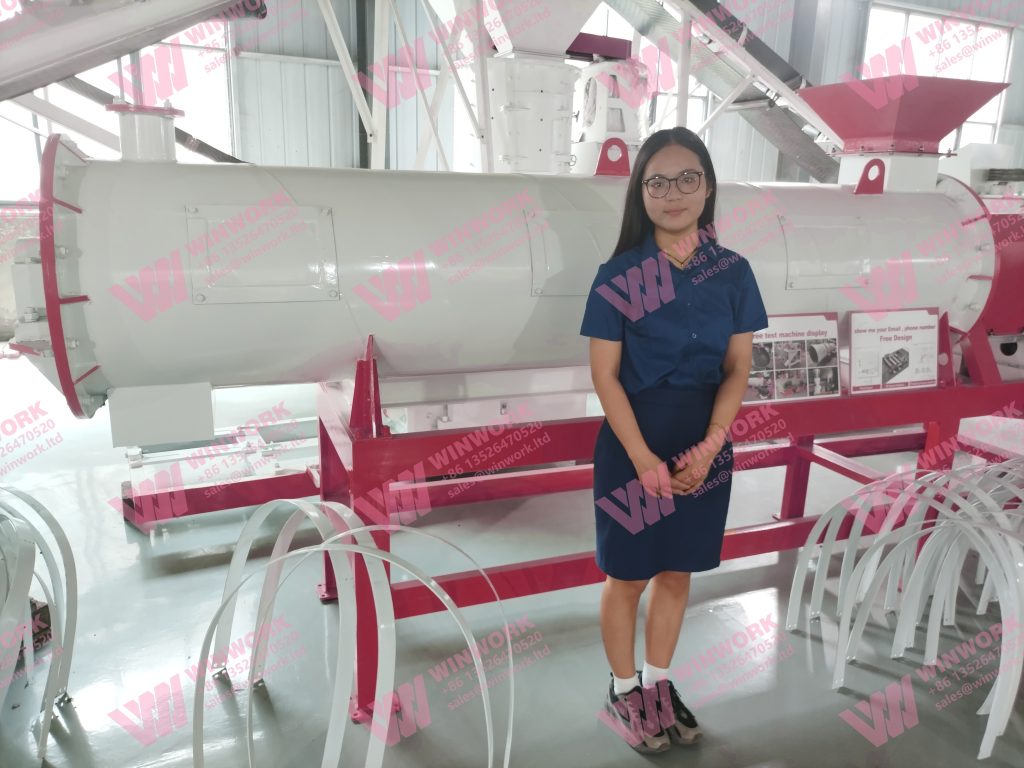
Double Roller Granulators: For certain organic fertilizers, double roller granulators can be customized to create high-density, high-hardness granules without the need for additional binders.
- Organic Fertilizer Dryerand Cooler
After granulation, rotary drying and cooling machines ensure organic fertilizer granules reach the right moisture levels and remain intact for storage and transport.
Rotary Drying Function: The rotary dryer removes excess moisture from granules, customizable with varying drum sizes, heating methods, and speeds to match specific drying needs.
Rotary Cooling Function: After drying, the rotary cooler stabilizes granules by regulating air circulation, preventing heat damage and maintaining granule quality during storage.
- Organic Fertilizer Screening Machine
To ensure that the fertilizer meets the required specifications, a screening machine is used to separate oversize and undersize granules. Customized screening machines allow for better control over the granule size, improving the overall product quality.
Vibrating Screener: Customized vibrating screens can be adjusted to separate granules of different sizes efficiently, ensuring that only high-quality granules are passed through to the final packaging.
Rotary Screener: The rotary screener separates oversize and undersize granules to ensure only uniform-sized, high-quality granules are selected for packaging. Customizable with different mesh sizes, it ensures granules meet the required specifications.
- Packaging Equipment
Once the organic fertilizers are granulated and cooled, they need to be packaged for distribution. Customized packaging machines are designed to handle varying sizes and packaging methods, including bulk bags, sacks, and smaller containers.
Automatic Packaging Systems: Customized packaging systems can handle different types of packaging and ensure that each package is filled precisely with the right quantity of fertilizer.
Single Granule Packaging Machine: The single granule packaging machine is designed for packing individual granules in precise quantities, often used for small, high-value fertilizers. This system can be customized to handle different types of granules and packaging sizes, ensuring accurate, fast, and efficient filling for retail distribution.
Double Station Packaging Machine: The double station packaging machine is ideal for high-volume fertilizer production. It allows two separate packaging lines to work simultaneously, increasing productivity and reducing labor costs. Customizable features include packaging size, weight precision, and packing speed, making it perfect for large-scale operations.
Which Parts Can Be Customized in Different Organic Fertilizer Equipment?
The ability to customize different parts of organic fertilizer equipment is one of the main reasons why manufacturers opt for customized organic fertilizer machinery. Depending on the specific needs, the following parts of the equipment can often be customized:
- Raw Material Feeding Systems
Feeding systems are essential to ensure a consistent and smooth flow of materials into various parts of the production line. Custom feeders can be designed to handle specific raw materials like animal manure, compost, or plant residues, ensuring optimal flow rates and preventing clogging or waste.
- Rotors and Mixing Paddles
In equipment like crushers and mixers, rotors and mixing paddles can be customized to accommodate specific materials. For example, different paddle designs may be required for organic matter with higher moisture content, or for very fibrous or sticky materials.
- Granulation Size and Shape Control
Granulators can be customized to control the size, shape, and hardness of the fertilizer granules. For example, by adjusting the rotational speed, angle, or pressure, manufacturers can produce granules that meet particular size specifications or nutrient release rates.
- Cooling and Drying Capacity
Both cooling and drying systems can be customized to handle various types of organic fertilizers with differing moisture content. Custom features can include adjustable air temperature, airflow direction, and moisture control systems that optimize energy consumption and improve processing efficiency.
- Automation and Control Systems
Automated control systems are often tailored to meet specific production line needs. This may include the addition of PLC systems for monitoring temperature, humidity, and pressure during the fertilizer manufacturing process. These control systems can also optimize operational efficiency by automating functions such as feeding, mixing, and packaging.
The Benefits of Customized Organic Fertilizer Equipment
Investing in customized organic fertilizer equipment offers numerous advantages for manufacturers who want to produce high-quality, cost-effective fertilizers. Here are some of the key benefits:
- Higher Production Efficiency
Customized equipment is designed to optimize the fertilizer production process, increasing efficiency and minimizing bottlenecks. Whether you need more precise mixing, faster drying, or higher-quality granulation, custom equipment can meet your specific needs to boost output.
- Improved Product Quality
Tailored machines ensure that the organic fertilizers produced meet the desired quality standards. Customizable parameters such as granule size, moisture content, and nutrient distribution allow manufacturers to fine-tune the product for specific market demands.
- Better Raw Material Handling
With the ability to customize the equipment to suit different types of organic materials, manufacturers can handle a wide range of raw materials more effectively. This flexibility allows for improved material processing, reducing waste and maximizing the use of available resources.
- Energy Efficiency
Customized organic fertilizer equipment can be optimized for energy consumption, reducing the overall energy costs in the production process. Whether it’s designing an energy-efficient drying system or using low-power mixers, customization can significantly lower operating expenses.
- Enhanced Sustainability
As organic farming continues to grow, sustainability is key. Customized equipment enables better control over resource use and waste management, helping manufacturers reduce their environmental footprint. Customization can ensure that raw materials are processed efficiently, and that waste is minimized throughout the production cycle.
Key Factors to Consider When Choosing Customized Organic Fertilizer Equipment
Choosing the right customized organic fertilizer equipment is a critical decision that can significantly impact your production efficiency, product quality, and profitability. Here are some key factors to consider when selecting equipment for your production line:
- Production Capacity
Ensure that the equipment you choose matches your desired production scale. Whether you’re producing small batches or operating a large-scale fertilizer factory, the equipment must be able to handle the required capacity efficiently without compromising on quality.
- Raw Material Properties
The equipment should be customized to handle the specific characteristics of the raw materials used in your fertilizer production. For example, the moisture content, particle size, and density of materials like animal manure, compost, and plant residues will impact the choice of crushers, mixers, and granulators.
- Customization Options
Make sure the equipment can be tailored to meet your specific production needs, whether that’s through adjusting granulation sizes, optimizing drying times, or adding automation controls. Customization should focus on improving efficiency, reducing waste, and enhancing product quality.
- Energy Efficiency
Given the high energy consumption of fertilizer production processes, selecting equipment that is energy-efficient is vital. Look for options that can help lower operational costs, such as energy-efficient dryers, coolers, and granulators.
- After-Sales Service and Support
Choose a supplier that offers strong after-sales support, including installation, maintenance, and troubleshooting services. A reliable supplier ensures that your equipment remains operational for a long time and that any issues are resolved quickly.
Conclusion
Customized organic fertilizer equipment offers a range of benefits that allow manufacturers to produce high-quality fertilizers efficiently and sustainably. From mixing and granulation to cooling and packaging, customized machinery helps optimize each stage of the production process, ensuring consistent quality and improved output. By considering key factors like production capacity, raw material properties, and energy efficiency, you can choose the right equipment for your business needs.
Investing in customized organic fertilizer equipment is a smart decision for manufacturers who want to stay competitive in the growing organic farming market. If you’re ready to enhance your production line, don’t hesitate to explore customized solutions that can meet your unique requirements and help boost your business’s success.
For more details, please feel free to contact us.
Email: sales@lanesvc.com
Contact number: +86 13526470520
Whatsapp: +86 13526470520
Get A Quote