

Introduction
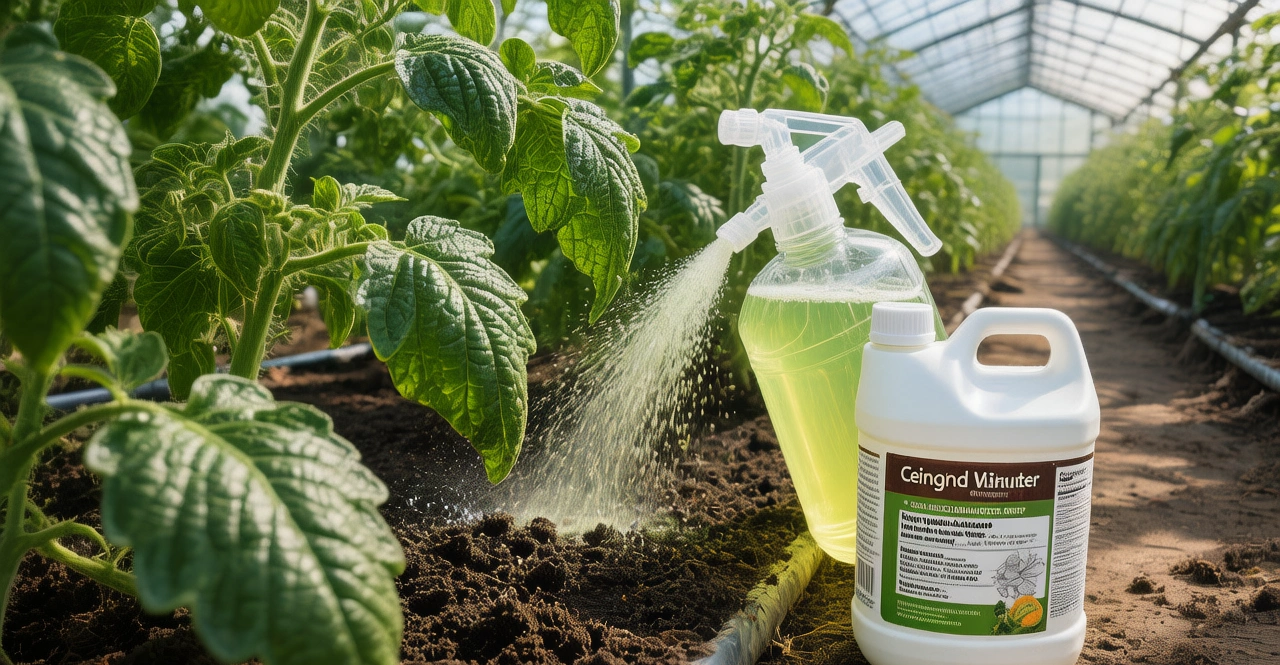
For decades, farmers have relied on chemical fertilizers to boost yields. They work fast, but at a cost: polluted waterways, dead zones in oceans, and soil that gets addicted to synthetic inputs. Today, a better way is gaining traction: eco-friendly fertilization. This approach uses natural, renewable, or low-impact methods to feed crops, and it’s not just good for the planet—it’s good for your bottom line. Let’s break down why eco-friendly fertilization matters, how to do it, and what tools you’ll need.
Fertilizer Pros and Cons
To understand eco-friendly fertilization, we first need to compare the options:
Chemical Fertilizers
Pros: Fast-acting, high nutrient concentration, easy to apply.
Cons: Kills soil microbes, leaches into groundwater, causes algal blooms, and requires constant reapplication.
Organic Fertilizers
Pros: Improves soil structure, releases nutrients slowly, supports beneficial microbes, and reuses waste.
Cons: Slower results, lower nutrient density, and requires proper processing.
Eco-Friendly Fertilization
Pros: Combines the best of both worlds—uses natural materials, minimizes pollution, and builds long-term soil health.
Cons: Needs more planning and initial investment in equipment.
The takeaway? Eco-friendly fertilization isn’t about abandoning productivity; it’s about working with nature instead of against it.
How to Practice Eco-Friendly Fertilization: 5 Key Steps
Switching to eco-friendly fertilization doesn’t have to be complicated. Here’s a simple road map,
Test Your Soil
Know what your soil lacks before adding anything. A $20 soil test reveals nutrient levels and pH, so you don’t over-apply. This is the first rule of eco-friendly fertilization—only add what’s needed.
Use Compost and Manure
Recycle farm waste! Composted cow manure, chicken litter, or crop residues add slow-release nutrients and organic matter. This is the backbone of eco-friendly fertilization for small to mid-sized farms.
Crawler compost turner is an advanced compost turning equipment, specially designed for compost fermentation process, with the advantages of high efficiency, stability, easy operation and so on.
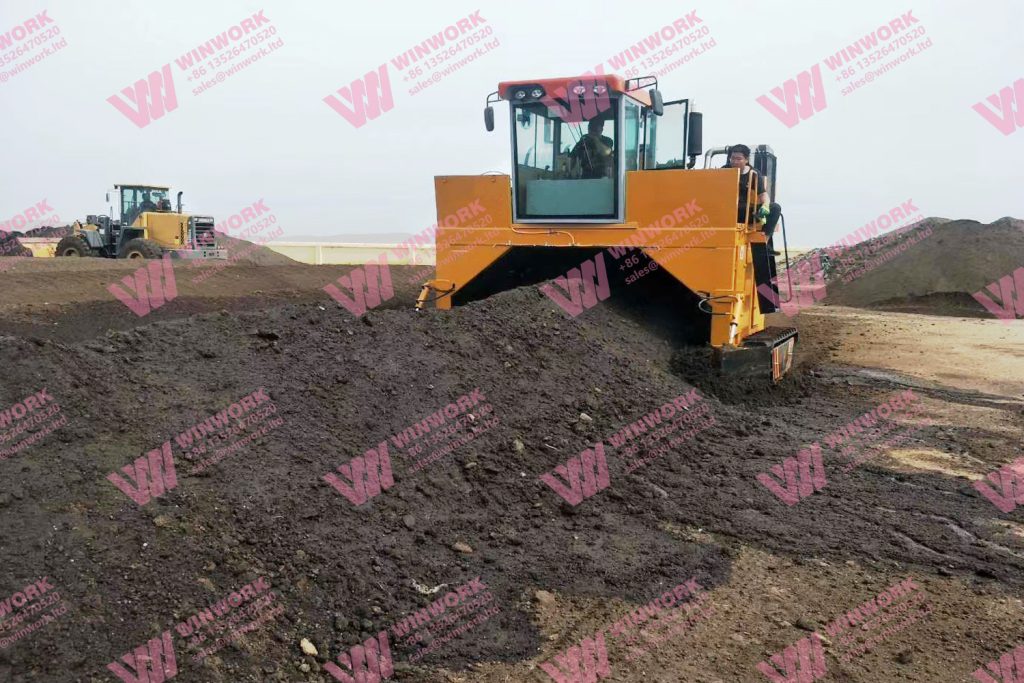
Compost Turner Working Site
Crawler compost turner realizes automatic operation through crawler walking system, which is the necessary equipment for producing organic fertilizer granules and widely used in organic fertilizer production line.
Composting can make a preparation for your materials, and this will be better for your next step.
Try Biofertilizers
These are living microbes that help plants absorb nutrients naturally. They’re cheap, safe, and boost soil health—key to eco-friendly fertilization.
Apply Slow-Release Organics
Pelletized compost, bone meal, or seaweed extract release nutrients over months, not days. This reduces runoff and ensures plants get fed when they need it.
Precision Application
Use tools like a fertilizer spreader or drip irrigation with fertigation to apply nutrients exactly where they’re needed. This cuts waste and pollution—core to eco-friendly fertilization.
Equipment for Eco-Friendly Fertilization: What You’ll Need
Horizontal crusher, also known as horizontal semi-wet material crusher, is a kind of crushing equipment specially designed to deal with high humidity, organic materials, especially suitable for organic fertilizer production in the material pre-treatment.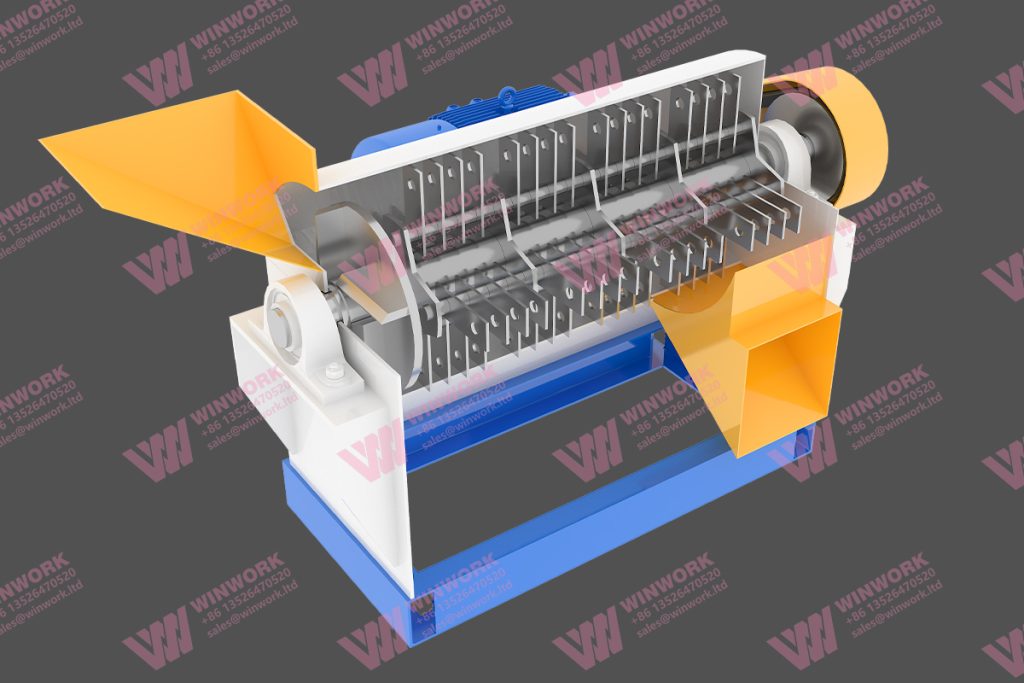
Rotary drum granulator is one of the key equipment in the fertilizer industry, suitable for cold and hot granulation and large-scale production of high, medium and low concentration compound fertilizers. The main working method is wet granulation of pellets.
Rotary Screener is a kind of efficient and durable screening equipment, which is widely used in mining, chemical industry, coal, building materials, metallurgy and other industries for grading and screening of materials.
Rotary Screener separates the materials effectively through the rotating movement of the drum, with high screening precision and large handling capacity, and has the advantages of simple structure, convenient operation and low maintenance cost.
Rotary Screener is especially suitable for screening wet viscous materials or a variety of particle size mixture of materials, can be in a variety of complex conditions of stable operation.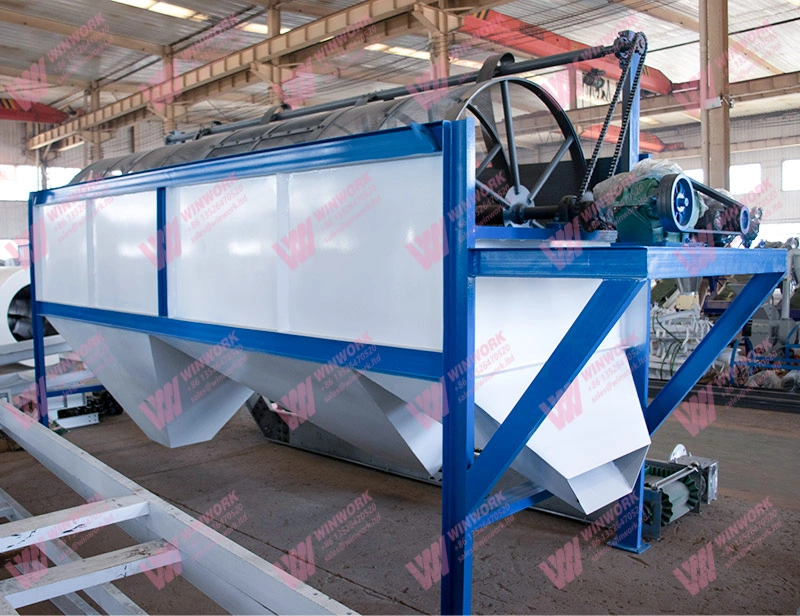
FAQ
Q1: Is eco-friendly fertilization more expensive?
A: Not long-term! While initial equipment costs exist, you’ll save on chemicals, water, and soil repair. Most farms break even in 1–2 years.
Q2: How long does it take to see results?
A: Compost and biofertilizers take 1–3 months to show effects. But soil health improvements (better water retention, more microbes) happen within weeks.
Q3: Can I use 100% organic methods?
A: Yes! Many farmers go fully organic with eco-friendly fertilization using compost, manure, and cover crops. It’s harder but possible.
Q4: Do I need to change crops for eco-friendly fertilization?
A: No, but some crops (like legumes) work better with biofertilizers since they fix their own nitrogen.
Q5: How do I store compost or manure?
A: Keep it covered to prevent nutrient loss. A simple tarp or enclosed bin works. This is basic eco-friendly fertilization storage.
Q6: Is biofertilizer safe for kids/pets?
A: Yes! Biofertilizers are natural microbes, not chemicals. They’re safer than synthetic options.
Q7: Can I mix chemical and organic fertilizers?
A: You can, but it defeats the purpose of eco-friendly fertilization. Stick to one system for best results.
Q8: How do I know if my soil is “healthy”?
A: Look for earthworms, good drainage, and dark color. A soil test confirms it. Healthy soil is the goal of eco-friendly fertilization.
Q9: What if I have sandy soil?
A: Compost and organic matter are essentialfor sandy soil. They improve water and nutrient retention—key to eco-friendly fertilization in poor soils.
Q10: Where can I learn more?
A: Local extension offices, organic farming groups, or equipment suppliers offer workshops on eco-friendly fertilization.
Conclusion
Eco-friendly fertilization is more than a trend—it’s a smarter, more sustainable way to farm. By using compost, biofertilizers, and precision tools, you can grow healthy crops, protect the environment, and save money. Whether you’re a backyard gardener or a large-scale farmer, the principles of eco-friendly fertilization apply. The sooner you start, the sooner you’ll see the benefits: cleaner water, richer soil, and a more resilient farm.
For more details, please feel free to contact us.
Email: sales@lanesvc.com
Contact number: +8613526470520
Whatsapp: +8613526470520
Get A Quote