

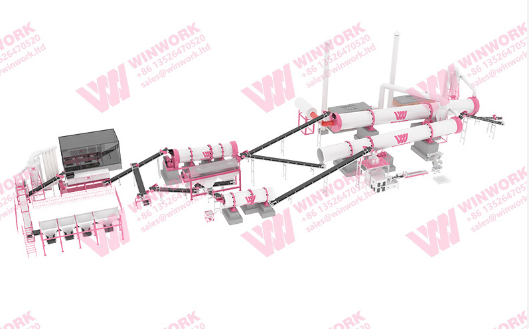
With the rapid development of competitive agricultural input market,how to choose the most efficient fertilizer production line has become a really critical questions for fertilizer manufacturers,investors and agricultural enterprises.Efficient fertilizer production line can not only increase profit,product quality and production capacity,but also can reduce operating costs which will finally affect overall business performance.Fertilizer manufacturers should seriously take the proper option of fertilizer production line into account.
As a professional fertilizer equipment and production line manufacturer, we understand that different fertilizer types require different technical solutions. Organic fertilizer, NPK fertilizer, BB fertilizer, liquid fertilizer, and even cat litter production all demand specialized system design. This article provides a comprehensive, in-depth comparison of the most common fertilizer production systems to help you identify the most efficient fertilizer production line for your specific project.
Why Efficiency Matters in Fertilizer Manufacturing?
Efficiency in fertilizer manufacturing goes far beyond simple output volume. An efficient fertilizer production line optimizes raw material utilization, minimizes energy consumption, reduces labor dependency, and ensures consistent product quality. These factors directly influence production cost per ton and overall return on investment.
In markets where fertilizer prices fluctuate and competition is intense, an efficient fertilizer production line allows producers to remain competitive even under price pressure. High efficiency also improves production stability, reduces downtime, and extends equipment service life, which is especially important for large-scale fertilizer plants.
Defining an Efficient Fertilizer Production Line
This kind of fertilizer production line is a complete, well-integrated system that converts raw materials into finished fertilizer products with minimal waste, low energy consumption, and stable output. It is not defined by a single machine, but by how well all equipment works together.
Key characteristics of the fertilizer production line include:
Optimized Process Flow
An optimized process flow allows materials to move smoothly through each step. This is the foundation of the fertilizer production line.
Proper Equipment Matching
Each machine must match the raw material and production target. Good matching improves stability in fertilizer production lines.
Balanced Production Capacity
All machines should work at similar capacity levels. This prevents bottlenecks in this production line.
High Automation Level
Automation reduces labor needs and human errors. It also improves consistency in the fertilizer production line.
Stable Long-Term Operation
Stable operation depends on strong equipment and easy maintenance. This keeps the it running reliably over time.
From raw material preparation to final packaging, every stage must be designed to support efficiency.
Core Components of an Efficient Fertilizer Production Line
Regardless of fertilizer type, every efficient fertilizer production line includes several fundamental sections. The efficiency of each section directly contributes to the overall system performance.
Raw Material Handling and Crushing
Raw material preparation is the first step in any fertilizer production line. Crushers must be selected based on material hardness, moisture content, and fiber structure. Proper crushing improves downstream mixing, granulation, and drying efficiency.
Batching and Mixing System
Accurate batching and uniform mixing are essential for fertilizer quality. Automatic batching system can control the proportion and volume of raw materials by adjusting the speed of belts which is super important in compound,BB and NPK fertilizer production line.Then the batched materials will be sent to mixing system which ensures consistent nutrient distribution and stable granulation performance.
Granulation System
Granulation is the core process in most fertilizer production lines. The choice of granulation technology has a major impact on production efficiency, energy consumption, and product appearance. A well-designed granulation section is a defining feature of an efficient fertilizer production line.
Drying, Cooling, and Screening
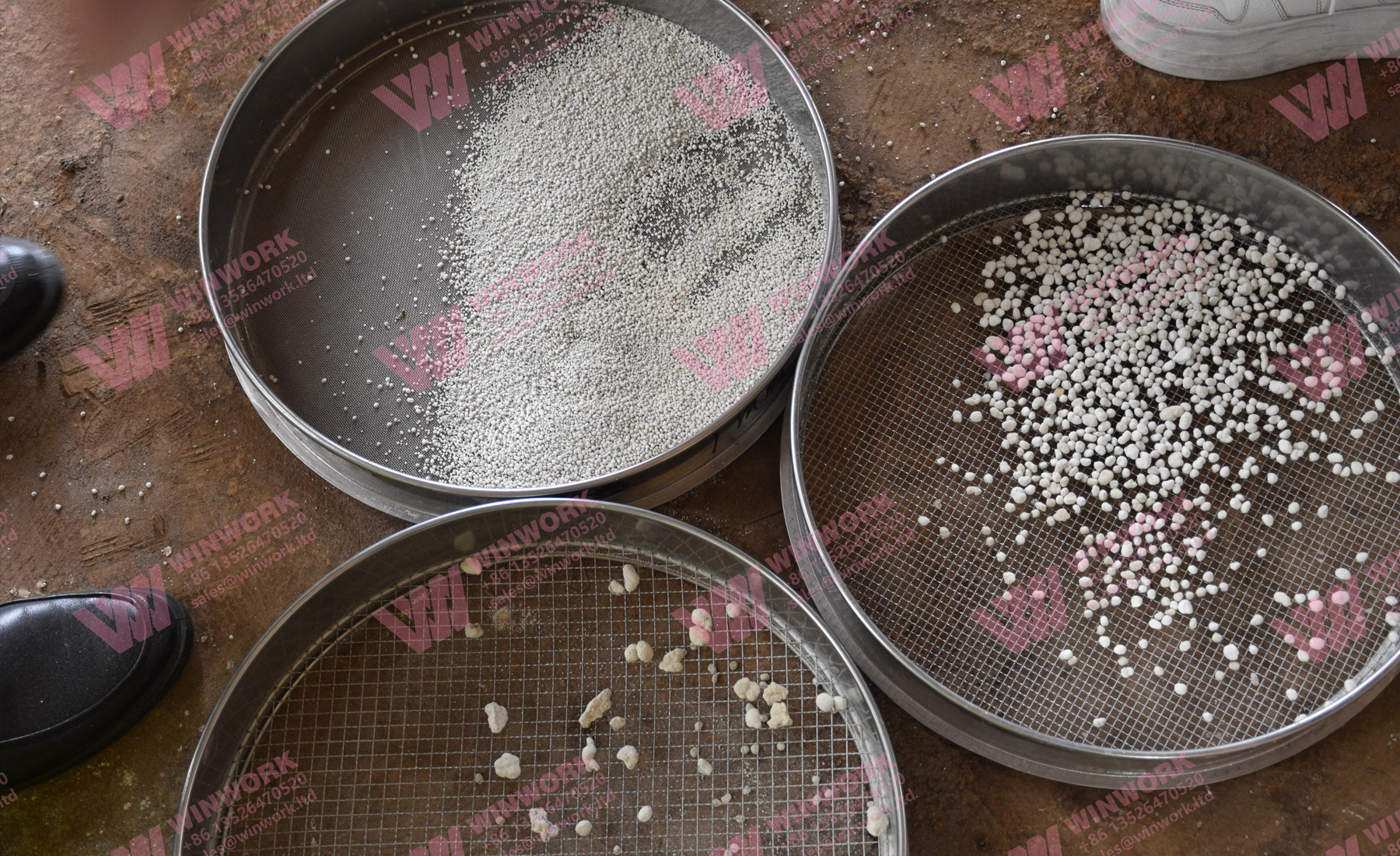
Moisture control and particle size classification ensure product stability and market acceptance.,functioning by rotary dryers and coolers.Screening system will check out final granules to find out whether they are qualified or not and send the unqualified ones to crushing machine to get a higher utility rate of raw materials.
Packaging and Automation
Automated packaging improves labor efficiency and ensures consistent product weight and appearance. In the fertilizer production line, packaging systems are designed to match upstream capacity without creating bottlenecks.
Organic Fertilizer: A Highly Efficient Fertilizer Production Line for Sustainable Agriculture
Organic fertilizer production has grown rapidly due to increasing demand for sustainable agriculture and soil improvement. An efficient organic fertilizer production line focuses on handling high-moisture, fibrous raw materials such as manure, crop residues, and organic waste.
Why Organic Fertilizer Lines Are Efficient
Organic fertilizer raw materials are often low-cost or even free. When processed through an organic fertilizer production line, these materials can be converted into high-value products with strong market demand.
Key efficiency advantages include:
- Low raw material cost
- Flexible formulation options
- Strong policy and environmental support
Typical Organic Fertilizer Production Line Configuration
An efficient organic fertilizer production line usually includes compost turners, crushers, mixers, organic fertilizer granulators, dryers, coolers, screening machines, and packaging systems. The integration of composting and granulation is critical to achieving high efficiency.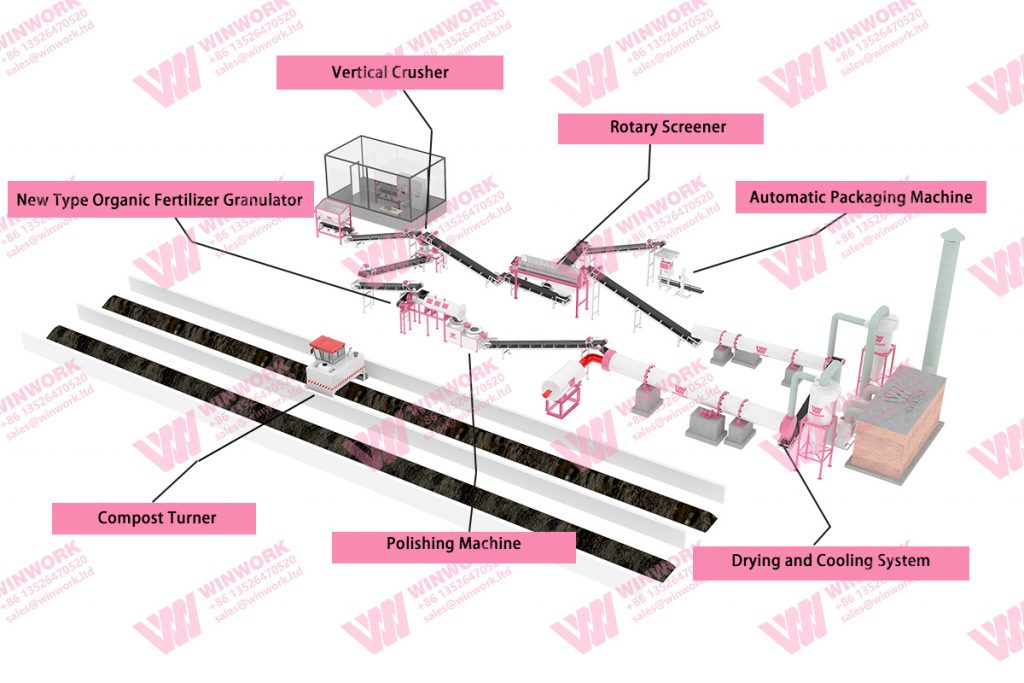
NPK Fertilizer: High-Capacity Efficient Fertilizer Production Line for Commercial Markets
NPK fertilizer production requires precise nutrient control and stable granulation performance. An efficient NPK fertilizer production line is typically designed for large-scale, continuous operation.
Efficiency Advantages of NPK Production Lines
NPK fertilizer plants benefit from economies of scale. A properly designed NPK fertilizer production line can produce thousands of tons per year with consistent quality.
Key efficiency factors include:
- Continuous rotary drum granulation
- High automation level
- Optimized energy utilization
Equipment Selection for NPK Efficiency
Rotary drum granulators, rotary dryers, and centralized control systems are essential components of an efficient NPK fertilizer production line.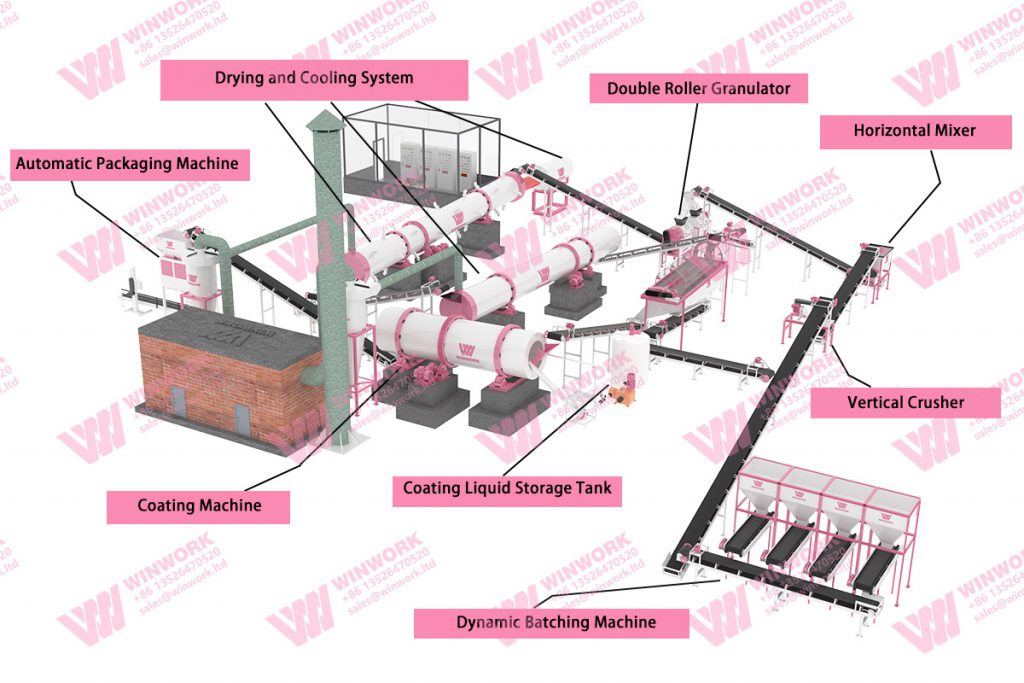
BB Fertilizer: The Simplest Efficient Fertilizer Production Line
BB fertilizer production focuses on physical blending rather than chemical reactions or granulation. This makes it one of the simplest and most efficient production line options available.
Why BB Fertilizer Lines Are Highly Efficient
BB fertilizer production requires fewer processing steps, resulting in:
- Low energy consumption
- Minimal equipment investment
- Fast production startup
An efficient BB fertilizer production line typically includes batching systems, mixers, and packaging machines.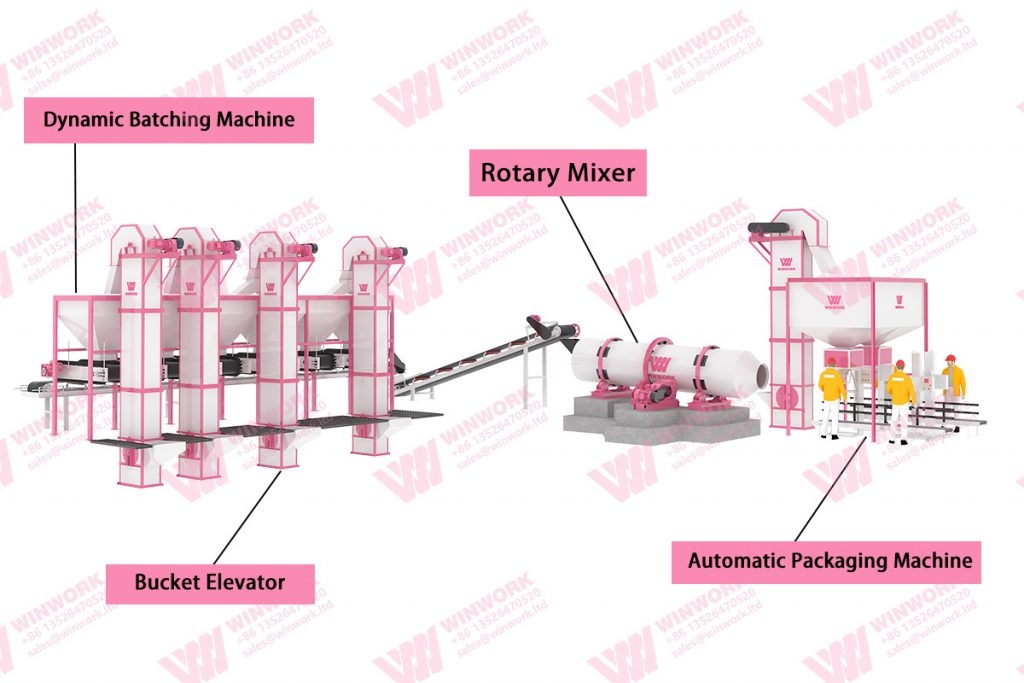
Liquid Fertilizer: A Modern Efficient Fertilizer Production Line with Low Energy Use
Liquid fertilizer production is gaining popularity due to ease of application and high nutrient availability. An efficient liquid fertilizer production line eliminates granulation and drying processes, significantly reducing energy consumption.
Efficiency Characteristics of Liquid Fertilizer Lines
Liquid fertilizer lines offer:
- Compact equipment layout
- Low power consumption
- High automation potential
These features make liquid systems an efficient production line choice for producers targeting modern agricultural markets.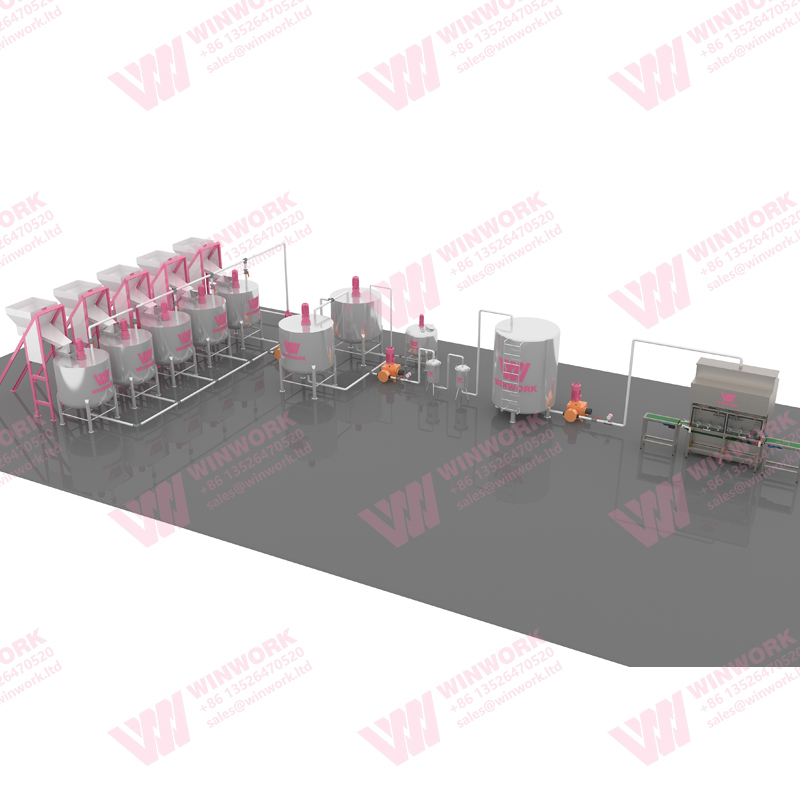
Comparing Different Efficient Fertilizer Production Line Options
When evaluating the most efficient fertilizer production line, it is essential to compare different systems based on real production needs.
| Fertilizer Type | Efficiency Focus | Investment Level | Production Scale |
| Organic Fertilizer | Raw material utilization | Medium | Small to large |
| NPK Fertilizer | High output stability | High | Large |
| BB Fertilizer | Simple process | Low | Small to medium |
| Liquid Fertilizer | Energy saving | Medium | Small to medium |
Each system can be an efficient production line when properly designed and matched to the target market.
Automation: A Key Factor in an Efficient Fertilizer Production Line
Automation plays a critical role in improving efficiency. An automated efficient fertilizer production line reduces labor cost, minimizes human error, and ensures stable long-term operation.
Automation benefits include:
- Consistent product quality
- Reduced operating cost
- Improved safety and monitoring
Modern fertilizer plants increasingly rely on automated control systems to maximize the efficiency of the fertilizer production line.
Energy Efficiency and Environmental Performance
Energy consumption is one of the largest operating costs in fertilizer production. An efficient fertilizer production line minimizes unnecessary energy loss through optimized equipment selection and process design.
Energy-saving measures include:
- High-efficiency motors
- Optimized dryer design
- Heat recovery systems
Environmental compliance is also easier to achieve with efficiency in fertilizer production line due to reduced emissions and waste.
Customization: The Foundation of an Efficient Fertilizer Production Line
No two fertilizer projects are identical. Raw material characteristics, market requirements, and investment budgets all influence system design. A truly efficient fertilizer production line must be customized rather than copied from standard layouts.
Customization includes:
- Equipment selection
- Capacity matching
- Layout optimization
This approach ensures that every section of the fertilizer production line operates at maximum efficiency.
Cost Control Through an Efficient Fertilizer Production Line
Although high-efficiency systems may require higher initial investment, an efficient fertilizer production line significantly reduces long-term operating costs.
Cost savings come from:
- Lower energy consumption
- Reduced maintenance frequency
- Higher product yield
Over time, these advantages make a fertilizer production line the most economical choice.
Common Mistakes That Reduce Production Line Efficiency
Many fertilizer plants fail to achieve expected efficiency due to poor planning and improper equipment selection. These mistakes often increase operating costs and reduce the overall performance of an efficient fertilizer production line.
Oversized or Undersized Equipment
Oversized equipment increases initial investment and energy consumption without improving output. Undersized equipment, on the other hand, creates bottlenecks that limit the efficiency of the fertilizer production line.
Ignoring Raw Material Characteristics
Different raw materials have different moisture content, particle size, and flowability. Ignoring these factors can lead to poor granulation performance and unstable operation in a fertilizer production line.
Poor Process Integration
Lack of coordination between crushing, mixing, granulation, and drying stages reduces overall efficiency. A poorly integrated process causes material accumulation, repeated handling, and unnecessary downtime.
Avoiding these common mistakes is critical to building an efficient fertilizer production line with stable output and low operating costs. Proper planning, material analysis, and process integration help maximize equipment performance and long-term profitability.
Choosing the Right Supplier for an Efficient Fertilizer Production Line
The supplier’s experience and technical capability directly affect system efficiency. A professional supplier provides:
- Complete production line design
- Equipment manufacturing and testing
- Installation and training support
- After-sale services
Working with an experienced manufacturer is critical to achieving a fertilizer production line with high efficiency.
Future Trends in Efficient Fertilizer Production Lines
The fertilizer industry continues to evolve. Future efficient fertilizer production line designs will focus on:
Higher Automation
Higher automation reduces manual operation and labor costs in fertilizer plants. It helps a fertilizer production line maintain stable output and consistent product quality.
Smarter Control Systems
Smarter control systems allow real-time monitoring of key operating parameters. They make the fertilizer production line easier to manage and adjust during production.
Greater Flexibility for Multiple Products
Flexible designs allow efficiency in fertilizer production line to produce different fertilizer types. This helps manufacturers respond quickly to market demand changes.
Future efficient fertilizer production lines will focus on automation, intelligence, and flexibility. These trends improve productivity while supporting long-term sustainable fertilizer production.
Frequently Asked Questions about Efficient Fertilizer Production Line
- What makes an efficient fertilizer production line different from a standard one?
An efficient fertilizer production line is designed with optimized process flow, matched equipment capacity, and lower energy and labor consumption to achieve stable, cost-effective output. - Which fertilizer type are the most efficient for beginners?
BB fertilizer production lines are often considered the most efficient fertilizer production line for beginners due to their simple process, low investment, and fast startup. - Can one fertilizer production line produce multiple fertilizer types?
Yes, a customized efficient fertilizer production line can be designed with flexible modules to produce organic, compound, or liquid fertilizer with minimal adjustment. - Does higher automation always mean a more efficient fertilizer production line?
Higher automation usually improves consistency and reduces labor costs, but the most efficient fertilizer production line balances automation level with production scale and budget. - How long does it take to recover investment in an efficient fertilizer production line?
Depending on fertilizer type, capacity, and market demand, most efficient fertilizer production lines achieve payback within one to three years.
Conclusion
So, what is the most efficient fertilizer production line? The answer depends on your raw materials, target market, production scale, and investment strategy. Organic fertilizer, NPK fertilizer, BB fertilizer, and liquid fertilizer systems can all be an efficient one when properly designed and implemented.
Rather than focusing on a single machine or the lowest upfront cost, successful producers evaluate the complete system. A well-designed efficient fertilizer production line delivers stable output, consistent quality, and strong long-term returns.
As an equipment and production line manufacturer, we believe that efficiency is not a feature—it is a system-level outcome. With the right design, technology, and support, an efficient fertilizer production line becomes the foundation of a profitable and sustainable fertilizer business.
For more details, please feel free to contact us.
Email: sales@lanesvc.com
Contact number: +8613526470520
Whatsapp: +8613526470520
Get A Quote