


Introduction: Why Fertilizer Production Machine Lifespan Matters
When investing in industrial equipment, few questions are as important as lifespan. For fertilizer manufacturers, understanding fertilizer production machine lifespan is not only a technical concern but also a core business decision. Equipment lifespan directly affects return on investment, production stability, maintenance planning, and long-term competitiveness.
In real-world fertilizer plants, machines rarely fail suddenly. Instead, performance gradually declines due to wear, improper operation, or unsuitable design choices. A fertilizer production machine lifespan of 5 years versus 15 years can mean the difference between a profitable operation and a constant maintenance burden.
Many buyers assume lifespan is fixed by brand or price. In reality, fertilizer production machine lifespan is shaped by multiple controllable factors, from raw material characteristics to daily operating habits. This article breaks down those factors in a practical, engineering-oriented way and explains how different fertilizer production machines naturally have different service life expectations.
Understanding Fertilizer Production Machine Lifespan in Industrial Practice
Before analyzing specific factors, it is important to define what fertilizer production machine lifespan actually means in industrial terms. Lifespan does not refer to how long a machine exists physically, but how long it can operate at acceptable efficiency, safety, and product quality levels.
In fertilizer plants, equipment is usually considered at the end of its effective lifespan when:
- Output capacity drops significantly
- Maintenance frequency becomes uneconomical
- Product quality becomes unstable
- Safety risks increase
A realistic fertilizer production machine lifespan typically ranges from 5 to 15 years, depending on equipment type and operating conditions. Some core machines can exceed this range with proper design and maintenance, while others are naturally more consumable.
Factor 1: Equipment Type and Mechanical Structure
The first and most fundamental factor affecting fertilizer production machine lifespan is the type of equipment itself. Different machines experience very different mechanical stresses.
For example, granulation equipment such as rotary drum granulators or double roller granulators are subject to continuous friction, compression, and impact. Their fertilizer production machine lifespan is heavily influenced by wear-resistant lining materials, bearing quality, and structural rigidity.
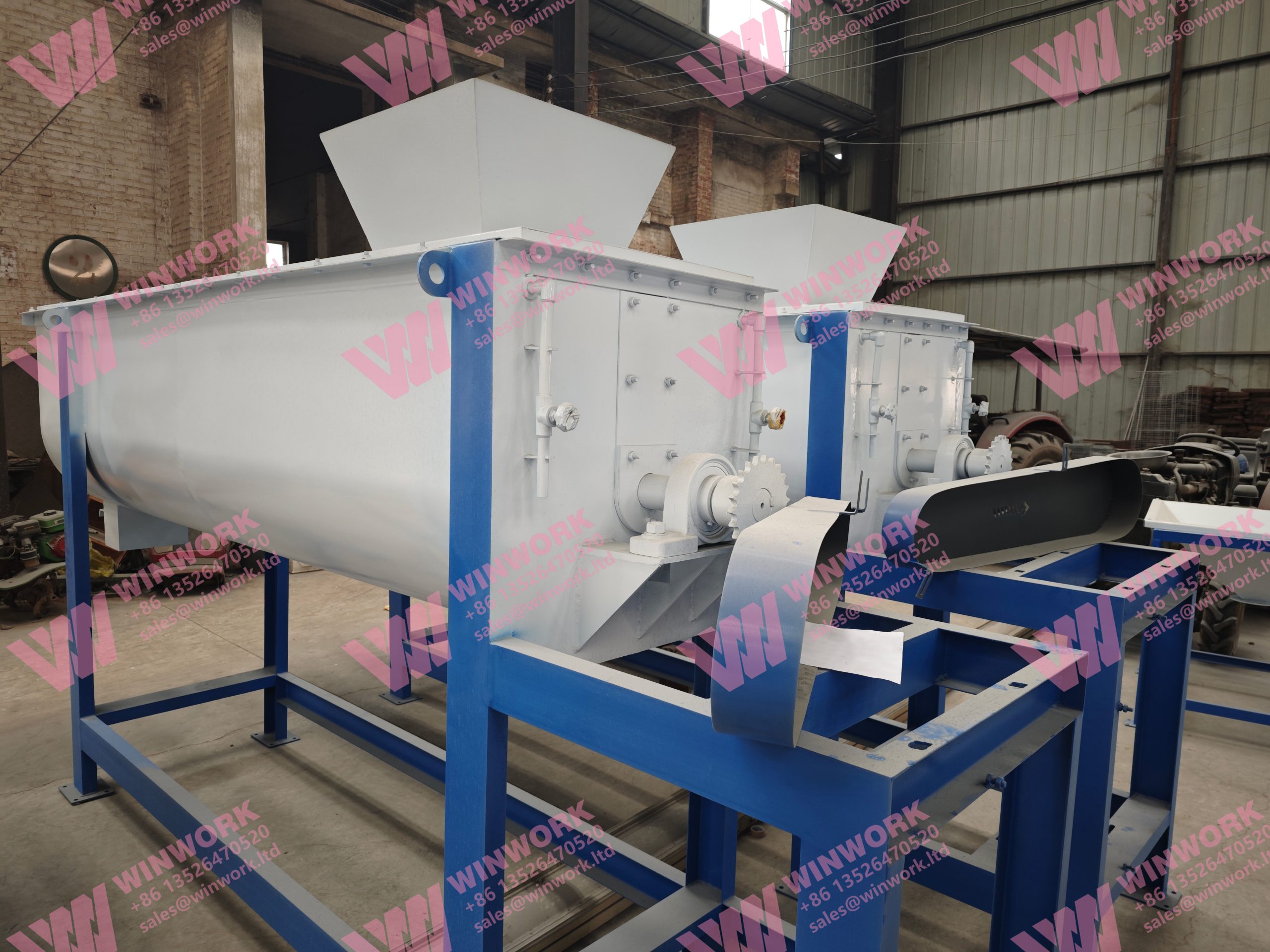
In contrast, mixing equipment such as horizontal mixers or BB fertilizer blenders experience lower mechanical stress. Under normal conditions, their fertilizer production machine lifespan often exceeds 10 years with minimal structural degradation.
Dryers, coolers, and crushers typically fall between these extremes. Crushers face high-impact wear, while dryers face thermal fatigue and corrosion. Understanding the inherent stress profile of each machine is the foundation of realistic lifespan planning.
Factor 2: Raw Material Properties and Abrasiveness
Raw material characteristics play a decisive role in fertilizer production machine lifespan. Fertilizer materials vary widely in hardness, moisture content, corrosiveness, and particle shape.
High-abrasion materials such as phosphate rock, potassium chloride, or recycled fertilizer fines significantly accelerate wear in crushers, conveyors, and granulators. In these cases, fertilizer production machine lifespan depends heavily on the use of wear-resistant steel, replaceable liners, and reinforced transmission systems.
Moisture-sensitive materials can also shorten lifespan indirectly. Excess moisture leads to material buildup, corrosion, and uneven loading, all of which increase mechanical stress. Plants that ignore material compatibility often experience reduced fertilizer production machine lifespan even with high-quality equipment.
Factor 3: Design Quality and Engineering Margins
Not all machines with the same name are designed to the same standard. Engineering margin is a key but often invisible factor behind fertilizer production machine lifespan.
Well-designed fertilizer equipment includes:
- Oversized bearings and shafts
- Reasonable safety factors in load calculations
- Uniform stress distribution in rotating components
Poorly designed machines may technically meet capacity requirements but operate at the edge of their mechanical limits. This dramatically shortens fertilizer production machine lifespan, especially under continuous operation.
In fertilizer plants designed for long-term operation, conservative mechanical design consistently outperforms aggressive cost-cutting in terms of total lifecycle cost.
Factor 4: Operating Conditions and Load Stability
Actual operating conditions often differ from design assumptions. Continuous overload, frequent start-stop cycles, and unstable feeding directly reduce fertilizer production machine lifespan.
For example, granulators designed for 10 tons per hour may operate safely at that level but suffer rapid wear if consistently pushed to 12 or 13 tons per hour. Similarly, frequent production interruptions cause thermal expansion and contraction in dryers, accelerating fatigue damage.
Stable, predictable operation is one of the most effective ways to extend fertilizer production machine lifespan without additional investment.
Factor 5: Maintenance Strategy and Spare Part Quality
Maintenance is not just about fixing problems; it is a core determinant of fertilizer production machine lifespan. Preventive maintenance consistently outperforms reactive repair strategies.
Key maintenance practices that extend lifespan include:
- Regular lubrication schedules
- Timely replacement of wear parts
- Periodic alignment and balancing checks
Equally important is spare part quality. Low-cost replacement parts may reduce short-term expenses but often shorten fertilizer production machine lifespan by introducing secondary wear or vibration.
Plants that view maintenance as an investment rather than a cost consistently achieve longer equipment service life.
Factor 6: Operator Skill and Process Discipline
Human factors are often underestimated in fertilizer production machine lifespan analysis. Improper operation, delayed response to abnormal noise, or incorrect parameter settings can cause long-term damage.
Well-trained operators understand:
- Normal vibration and temperature ranges
- Early warning signs of wear
- Correct startup and shutdown procedures
Strong process discipline reduces accidental overloads and operating errors, directly contributing to longer fertilizer production machine lifespan across all equipment types.
Lifespan Expectations for Different Fertilizer Production Machines
Understanding average lifespan ranges for different machines helps investors plan realistically.
Crusher Machines
Crushers typically have a fertilizer production machine lifespan of 5–8 years. Wear parts such as hammers, rollers, or plates require regular replacement, while the main structure can last longer with proper maintenance.
Granulators
Granulators usually fall in the 8–12 year range. Rotary drum granulators may last longer with proper lining replacement, while double roller granulators depend heavily on roller material and pressure control.
Drying and Cooling Systems
Dryers and coolers often reach 10–15 years. Thermal stress and corrosion are the main limiting factors. Proper insulation and temperature control significantly extend fertilizer production machine lifespan in these systems.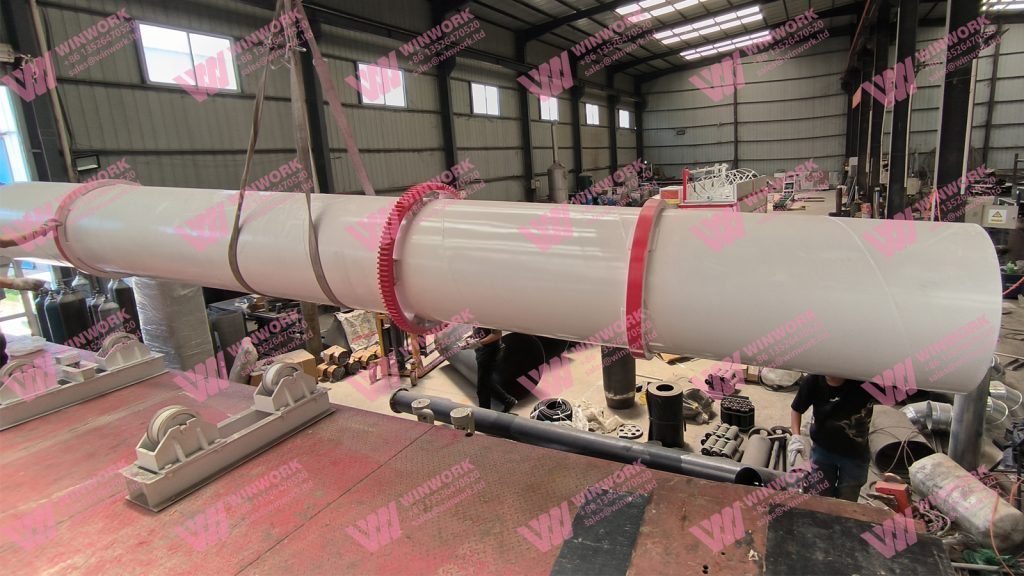
Mixers
Mixers generally have the longest lifespan, often exceeding 12–15 years. Their relatively low mechanical stress makes them structurally durable when properly maintained.
Conveying Equipment
Belt conveyors and bucket elevators typically last 8–12 years. Chains, belts, and bearings are consumables, but the main structure can operate much longer.
Packaging Machines
Packaging machines usually have a fertilizer production machine lifespan of 8–10 years, largely determined by sensor reliability, control systems, and mechanical precision.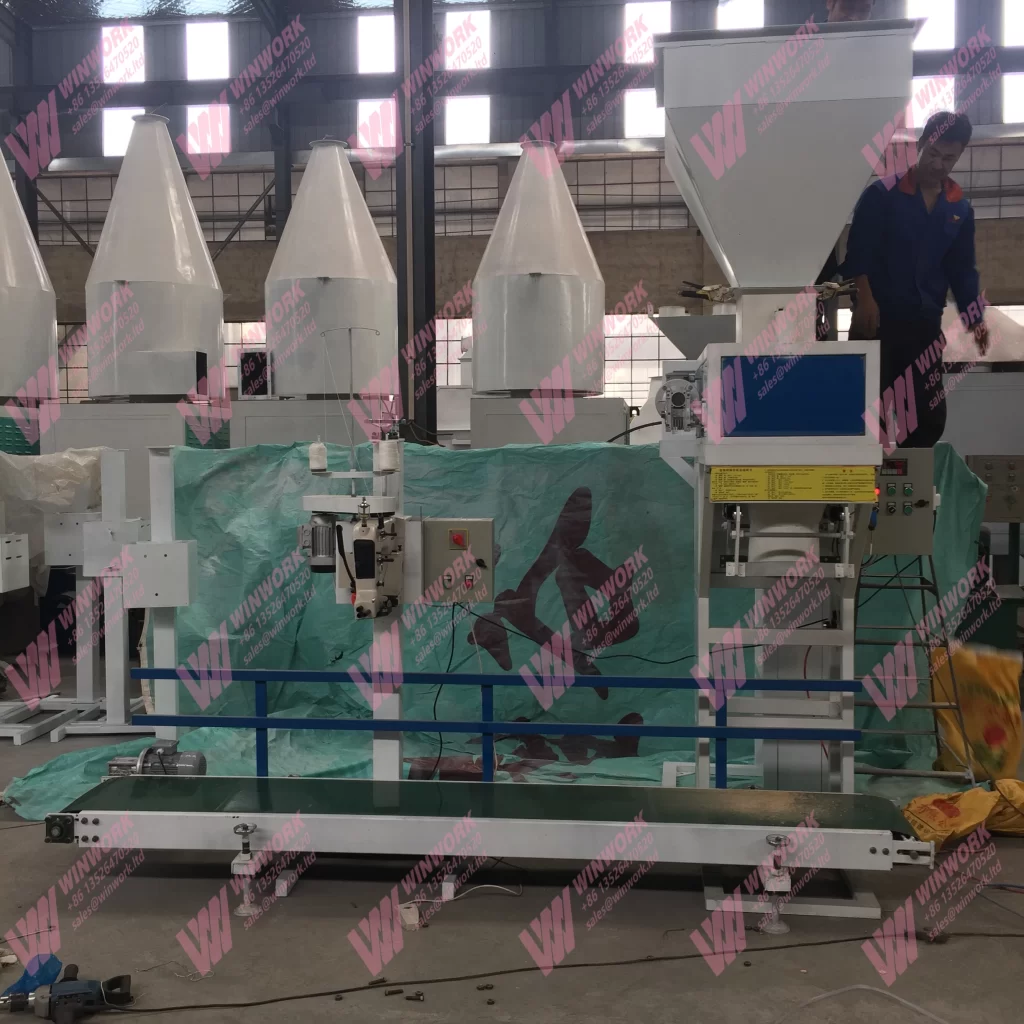
How Lifecycle Cost Relates to Fertilizer Production Machine Lifespan
Initial equipment price is only a fraction of total ownership cost. Fertilizer production machine lifespan directly determines lifecycle cost per ton of fertilizer produced.
Longer lifespan spreads capital cost over more output, reduces downtime losses, and stabilizes production planning. In many cases, a machine with a higher purchase price but longer fertilizer production machine lifespan delivers lower total cost over time.
This is why experienced fertilizer producers focus on lifecycle value rather than upfront savings.
Extending Fertilizer Production Machine Lifespan Through Smart Design Choices
Modern fertilizer plants increasingly adopt modular and maintenance-friendly designs to extend equipment lifespan.
Examples include:
- Replaceable wear liners
- Modular drive systems
- Easy-access inspection ports
These design features do not eliminate wear, but they prevent wear from damaging core structures, effectively extending fertilizer production machine lifespan without major reconstruction.
Common Misconceptions About Fertilizer Production Machine Lifespan
One common misconception is that higher automation automatically guarantees longer lifespan. In reality, automation improves control consistency, but mechanical wear still depends on material and load conditions.
Another misconception is that lifespan is fixed at installation. In fact, fertilizer production machine lifespan continues to be shaped by daily operational decisions throughout its service life.
Understanding these realities helps manufacturers make better long-term decisions.
Planning Equipment Replacement Based on Lifespan Data
Smart plants plan replacement before failure occurs. By tracking performance indicators and maintenance records, manufacturers can predict the remaining fertilizer production machine lifespan with reasonable accuracy.
Planned replacement avoids emergency shutdowns and allows capital investment to be scheduled strategically rather than reactively.
How Fertilizer Production Machine Lifespan Affects Investment Risk and ROI
From an investment perspective, fertilizer production machine lifespan is closely linked to project risk control and capital recovery speed. Equipment whose lifespan is shorter than expected increases unplanned downtime, raises spare part consumption, and often forces premature reinvestment. These factors directly reduce internal rate of return, especially in small and mid-scale fertilizer projects.
A longer fertilizer production machine lifespan, on the other hand, provides predictable depreciation cycles and more stable cash flow. Investors can align equipment lifespan with market expansion plans, avoiding capacity bottlenecks or sudden replacement pressure. In regions with fluctuating fertilizer demand, equipment that maintains reliable performance over 10–15 years offers significant strategic flexibility.
For this reason, experienced investors evaluate fertilizer production machine lifespan not only as a technical parameter, but as a core financial indicator influencing long-term project sustainability.
Conclusion
Fertilizer production machine lifespan is not determined by a single factor, nor is it purely a matter of equipment price. It is the result of engineering design, material compatibility, operating discipline, and maintenance strategy working together over time.
Across crushers, granulators, dryers, mixers, and packaging systems, realistic lifespan expectations range from 5 to 15 years. Plants that actively manage these factors consistently achieve the upper end of that range.
By treating fertilizer production machine lifespan as a strategic asset rather than an afterthought, manufacturers can reduce risk, improve profitability, and build more sustainable fertilizer production operations.
For more details, please feel free to contact us.
Email: sales@lanesvc.com
Contact number: +8613526470520
Whatsapp: +8613526470520
Get A Quote