

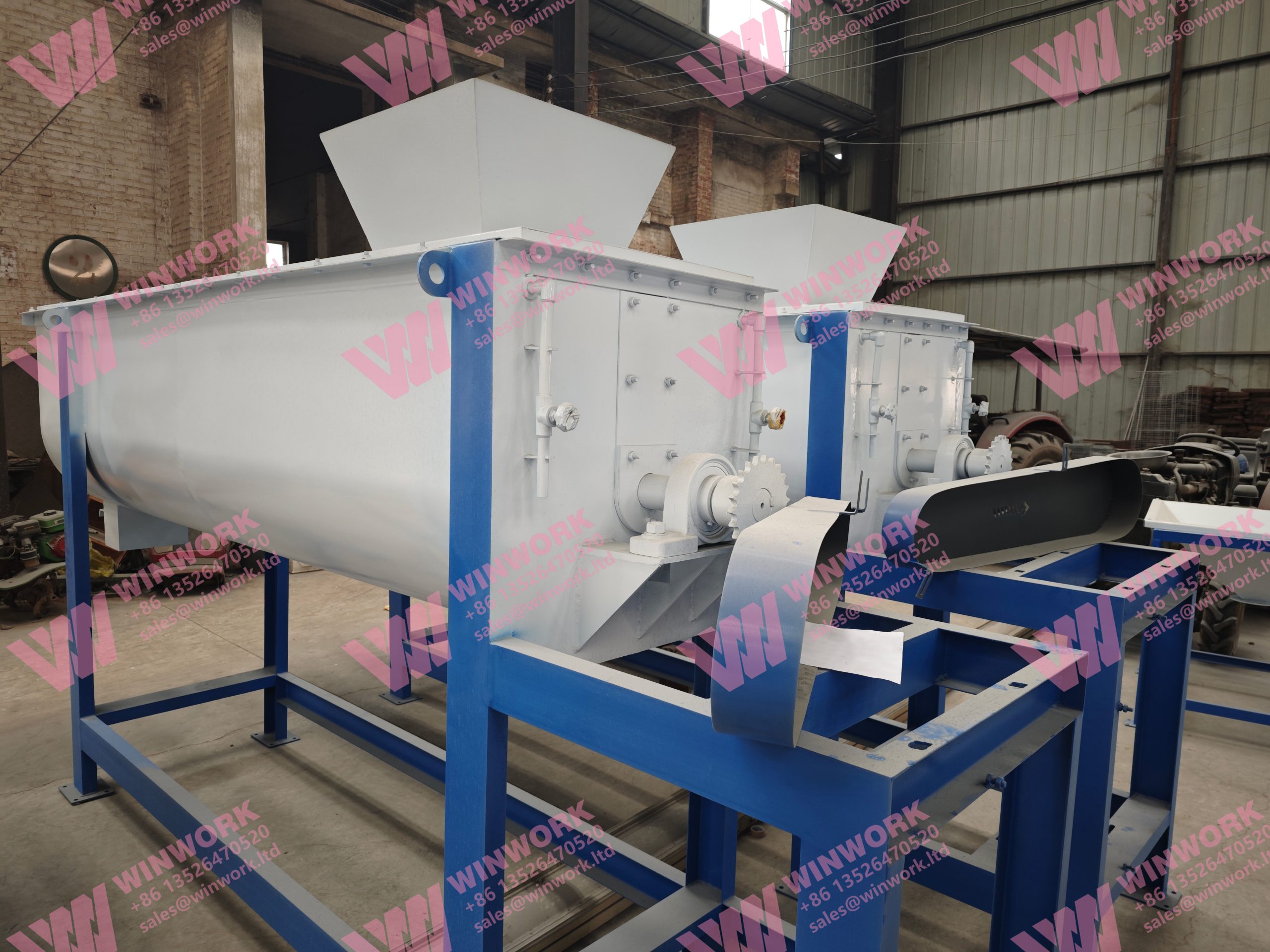
Introduction about Fertilizer Raw Material Mixer
In the highly competitive fertilizer industry, controlling production costs while maintaining high-quality output is a constant challenge for manufacturers. One of the most effective ways to achieve this balance is by optimizing the mixing process of raw materials. A fertilizer raw material mixer is essential in ensuring consistent blending, reducing manual labor, and streamlining operations. By integrating the right mixer into production lines, companies can achieve labor cost reductions of up to 25%, improve product uniformity, and enhance overall efficiency.
The types of mixers commonly employed in modern fertilizer production include double shaft mixers, horizontal mixers, and disc mixers, each offering unique advantages depending on production requirements, raw material characteristics, and batch sizes. Understanding the capabilities of these machines and how they influence labor utilization is crucial for manufacturers aiming to maximize productivity and profitability.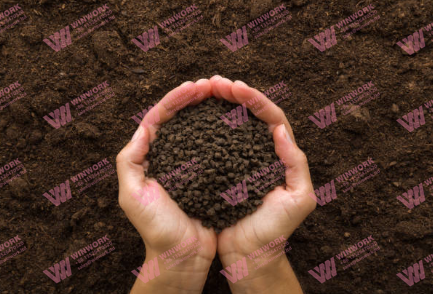
The Role of a Fertilizer Raw Material Mixer in Production
Mixing raw materials such as urea, ammonium phosphate, potassium chloride, and various organic components is a fundamental step in fertilizer production. Achieving uniform distribution of nutrients across the batch is critical not only for product quality but also for operational efficiency. Traditionally, manual mixing required significant labor input, as workers had to handle, stir, and combine materials physically, often resulting in inconsistent blends and high labor costs.
A modern fertilizer raw material mixer automates this process, allowing for precise control over mixing time, speed, and consistency. By selecting the right fertilizer raw material mixer, manufacturers can ensure uniform blending and minimize errors, while a high-capacity fertilizer raw material mixer also reduces reliance on manual labor and increases production output. This enables fewer workers to manage the mixing stage effectively, translating into significant labor cost savings.
Mechanisms by Which Mixers Reduce Labor Costs
Automation and Efficiency
Automated mixers, such as the double shaft mixer, can handle large batches of raw materials in significantly less time than manual labor. These machines are designed to mix materials quickly and thoroughly, which reduces the need for continuous supervision by operators. By automating the most labor-intensive aspects of production, manufacturers can redeploy staff to other areas of the plant, maximizing workforce efficiency.
Faster Mixing Times
Efficient mixers shorten the overall mixing cycle. For example, a horizontal mixer can blend dry powders uniformly within 10–15 minutes, whereas manual or semi-manual mixing may take more than twice that duration. Shorter mixing times not only accelerate production but also reduce the number of operators required per shift, contributing directly to labor cost reductions.
Consistent Quality with Reduced Supervision
Machines maintain consistent mixing quality, reducing the necessity for skilled labor to oversee every batch. Even semi-trained personnel can operate these mixers effectively. This ensures that labor costs are lower while product quality remains high, minimizing rework and waste.
Versatility in Material Handling
Modern mixers are capable of handling a variety of materials, including powders, granules, and organic matter. A single fertilizer raw material mixer can replace several manual or specialized processes, thereby consolidating labor requirements. This versatility allows manufacturers to manage different types of raw materials efficiently without hiring additional staff for specific tasks.
Overview of Fertilizer Raw Material Mixer Types
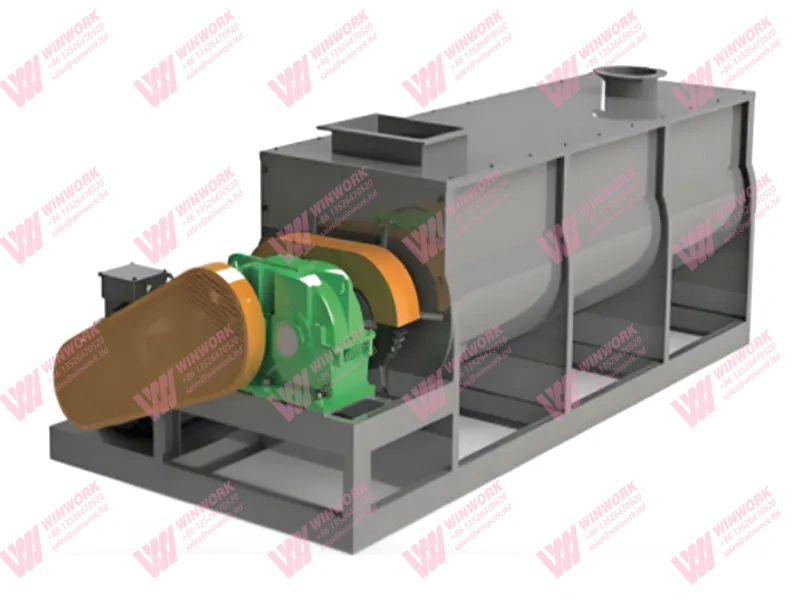
The double shaft mixer consists of two parallel shafts rotating in opposite directions, designed to mix high-volume, sticky, or slightly moist materials efficiently. Its advantages include:
-
Uniform mixing of large batches
-
Ability to handle difficult materials with high viscosity
-
Large batch capacity, making it suitable for industrial-scale production
From a labor perspective, the double shaft mixer significantly reduces manual intervention, enabling operators to manage multiple machines simultaneously. This capability alone can account for up to a 25% reduction in labor costs, especially in large-scale fertilizer plants.
A horizontal mixer features a long chamber equipped with rotating blades or paddles that efficiently blend materials along the horizontal axis. Its primary advantages are:
-
Quick and thorough mixing of dry powders
-
Adaptability to batch or continuous production
-
Ease of operation and maintenance
The horizontal mixer reduces the need for manual stirring and ensures uniform mixing without constant operator supervision. By optimizing mixing cycles and lowering the labor requirement per batch, production costs are considerably reduced.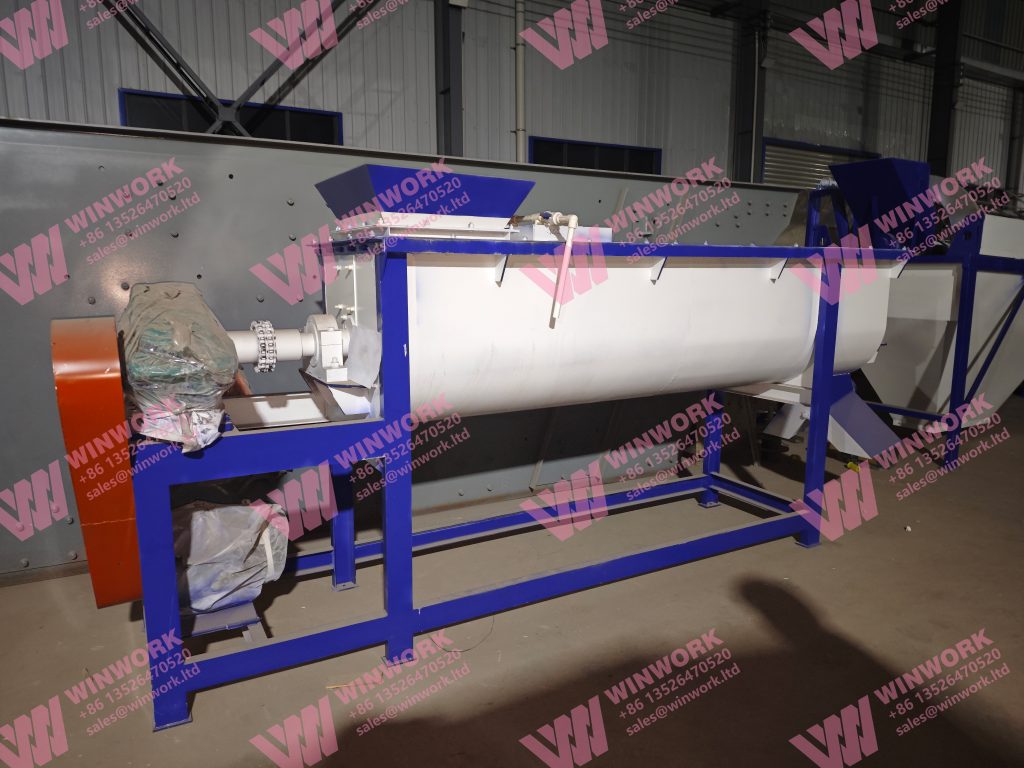
The disc mixer uses a rotating disc container to tumble raw materials gently and achieve uniform blending. This mixer is especially suitable for fragile granules or sensitive organic materials. Key benefits include:
-
Even blending without damaging materials
-
Compact design suitable for small to medium plants
-
Minimal segregation during mixing
The disc mixer’s efficiency in producing high-quality blends with minimal manual intervention translates into labor savings while maintaining product integrity, particularly in specialized fertilizer production.
Best Practices for Maximizing Labor Cost Savings
To fully leverage the potential of a fertilizer raw material mixer, manufacturers should implement the following practices:
-
Proper Material Loading: Avoid overloading the mixer to maintain optimal mixing efficiency and prevent wear on mechanical components.
-
Regular Maintenance: Keep blades, shafts, and bearings in excellent condition to ensure uniform mixing and reduce downtime caused by equipment failure.
-
Batch Scheduling: Plan production cycles carefully to minimize idle time and allocate labor resources effectively across different stages.
-
Operator Training: Even automated machines require trained personnel for safe and efficient operation, which prevents errors and maximizes the benefits of labor reduction.
Implementing these practices ensures not only consistent product quality but also measurable labor cost reductions, often reaching the target of 25% in optimized production environments.
Additional Advantages Beyond Labor Savings
While labor reduction is a major benefit, using a high-quality fertilizer raw material mixer also brings other operational advantages:
-
Improved fertilizer quality and nutrient consistency, enhancing market reputation
-
Reduced material waste due to precise mixing
-
Support for continuous production, increasing overall output
-
Lower incidence of production errors, which reduces the need for rework
By combining labor cost reduction with these additional benefits, the return on investment in quality mixing equipment is often realized within a short operational period.
Selecting the Right Mixer for Your Fertilizer Plant
When choosing a fertilizer raw material mixer, consider the following factors:
- Type of Raw Materials: Sticky or moist materials are best handled by double shaft mixers, while fragile granules benefit from disc mixers.
- Production Volume: Large-scale plants may prefer double shaft or horizontal mixers for their capacity and speed.
- Labor Cost Objectives: Machines with greater automation capabilities allow manufacturers to achieve higher labor efficiency.
- Space and Maintenance Requirements: Evaluate floor space, accessibility, and ease of cleaning when selecting equipment.
Selecting the right mixer ensures optimal labor allocation, higher efficiency, and consistent product quality.
Conclusion about Fertilizer Raw Material Mixer
A fertilizer raw material mixer is a critical investment for any modern fertilizer production facility. By automating the blending process, reducing the need for manual labor, and ensuring consistent product quality, mixers such as double shaft mixers, horizontal mixers, and disc mixers can reduce labor costs by up to 25%. Manufacturers who choose the right mixer and implement best practices can achieve higher efficiency, better product uniformity, and long-term profitability. In today’s competitive fertilizer market, investing in an efficient mixer is not just beneficial—it is essential for maintaining a cost-effective and productive operation.
For more details, please feel free to contact us.
Email: sales@lanesvc.com
Contact number: +8613526470520
Whatsapp: +8613526470520


Get A Quote