

Introduction
In modern agriculture, understanding fertilizer types and uses is essential for optimizing crop yield, quality, and sustainability. Different fertilizers—whether organic, inorganic, liquid, granular, or slow‑release, serve distinct purposes and require specific application methods. This press release explores fertilizer types and uses, covering how to select and apply them effectively, their integration with production‑line fertilizer and fertilizer manufacturing, common equipment, and key benefits, along with an FAQ section. This aims to help growers, agronomists, and suppliers make informed decisions for precise nutrient management.
What Are Fertilizer Types and Uses?
Fertilizer types and uses refer to the classification of fertilizers by source, form, and nutrient release pattern, and the corresponding ways they are applied to meet crop needs. Broadly, fertilizers are categorized into
Organic fertilizers like compost, manure, biochar to improve soil structure and microbial life.
Inorganic fertilizers such as urea, ammonium nitrate, NPK compounds which Provide fast, targeted nutrient supply.
Liquid fertilizerswhich are Quick absorption, ideal for fertigation and foliar feeding.
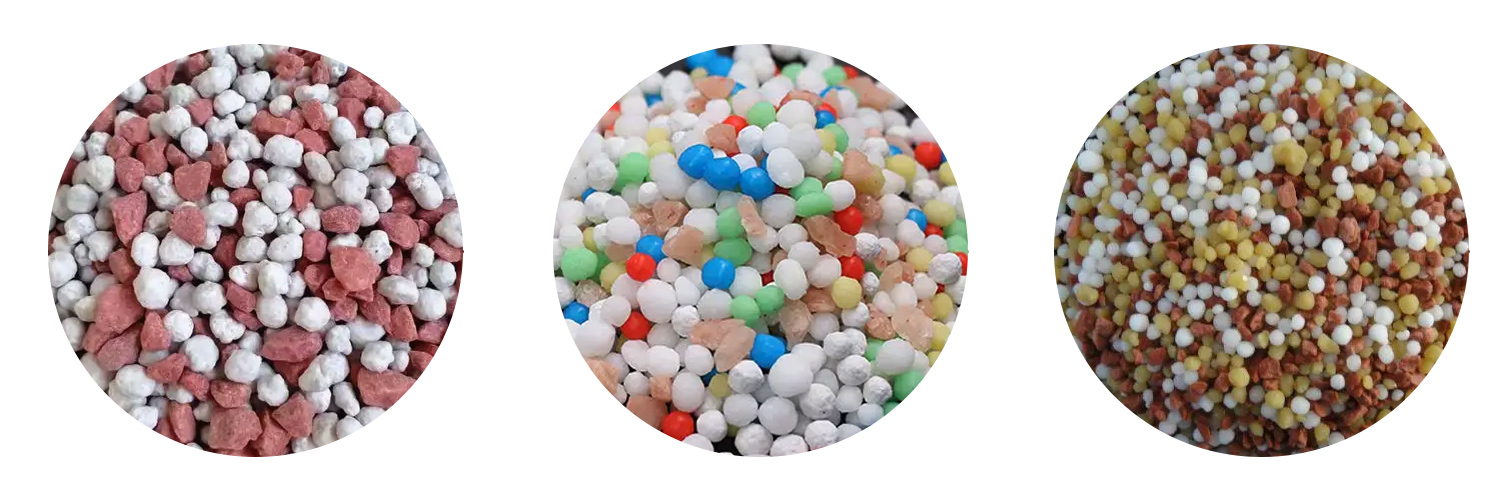
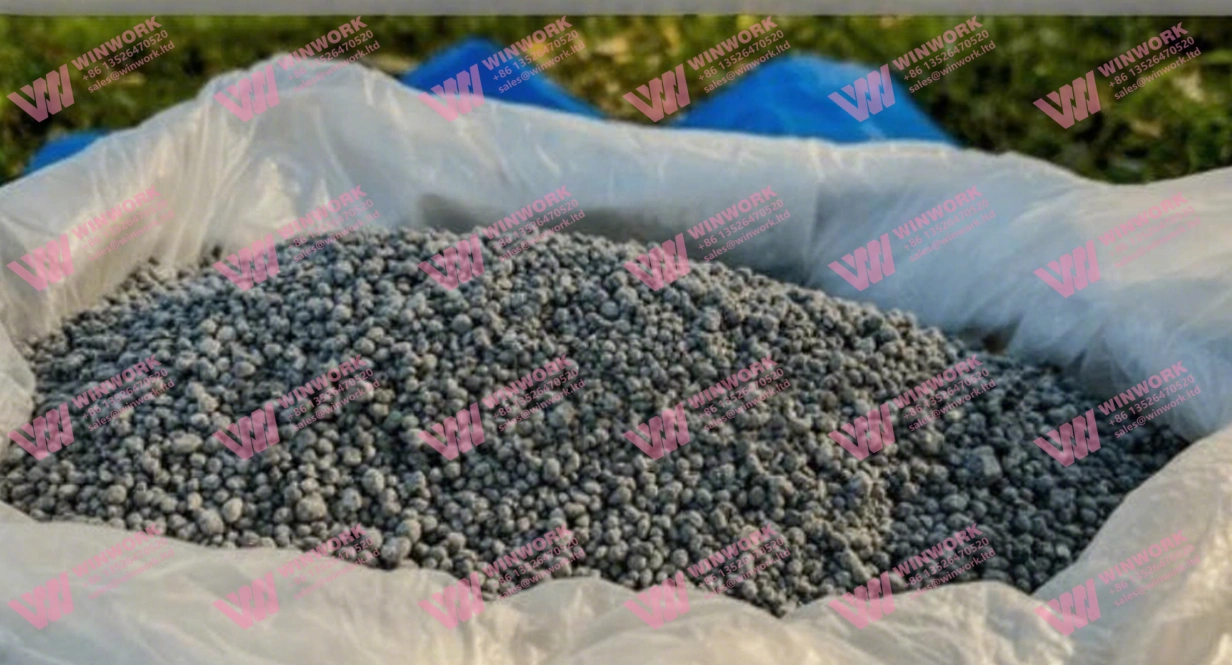
Granular fertilizerswhich are Convenient for broadcast or band application in large fields.
Slow‑release fertilizer which are Gradually release nutrients, reducing application frequency.
Understanding fertilizer types and uses enables farmers to match the right product to soil conditions, crop species, and growth stage, maximizing efficiency and minimizing waste.
Overview to these kinds of fertilizer lines
Liquid Fertilizer Production Line is a set of modern production system integrating automatic control, efficient production and precise proportioning, which is specially used for producing liquid fertilizer. Liquid fertilizer is favored by agricultural growers because of its uniform nutrient composition, fast absorption and convenient use.
The liquid fertilizer production line can realize the automatic operation of the whole process from raw material proportioning, mixing, dissolving, filtering, filling to packaging, which can effectively improve the production efficiency and ensure the stability and quality of the products.
Compound fertilizer production line is a series of equipment collection used to produce compound fertilizer granules, which can realize streamlined mass production and can be adjusted according to the production demand of fertilizer.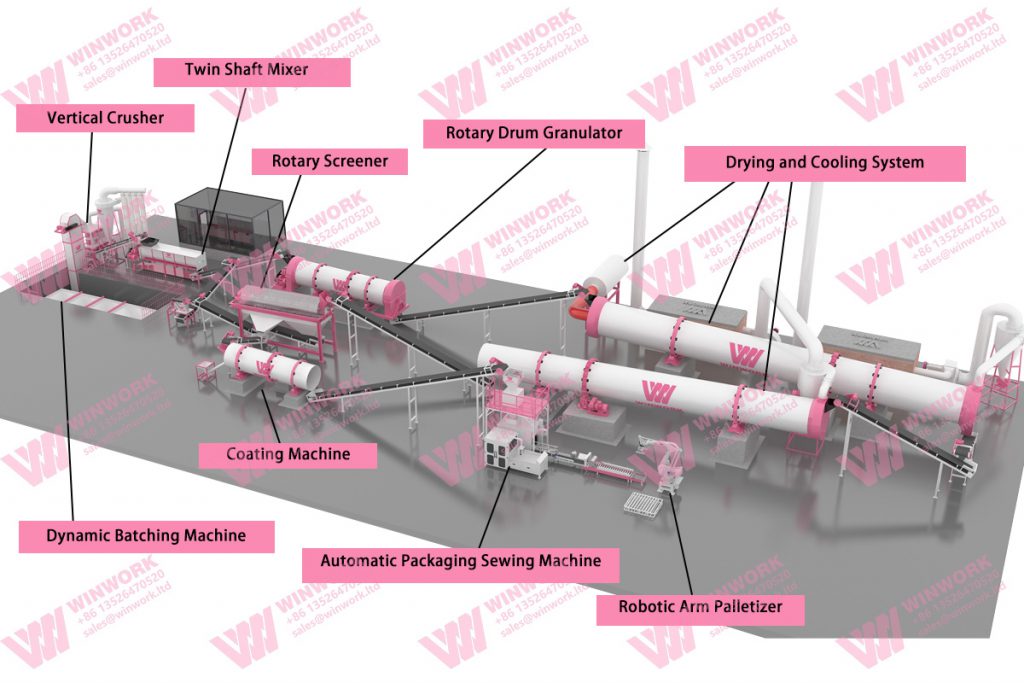
As a professional compound fertilizer production line equipment supplier, we provide high quality, environmentally friendly and advanced compound fertilizer production line equipment to help customers achieve high quality compound fertilizer production.
Organic fertilizer production line is a combination of a series of organic material raw material processing equipment for producing granular fertilizers that are easy to pack, transport and store for a long time.
Organic fertilizer production line mainly contains turner, raw material crusher, raw material mixer, granulator, drying and cooling system, screening machine and packaging machine and other equipment, according to the production needs of the increase or decrease in the machinery, in order to achieve the final production goals.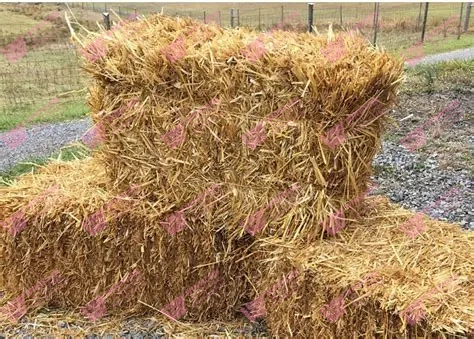
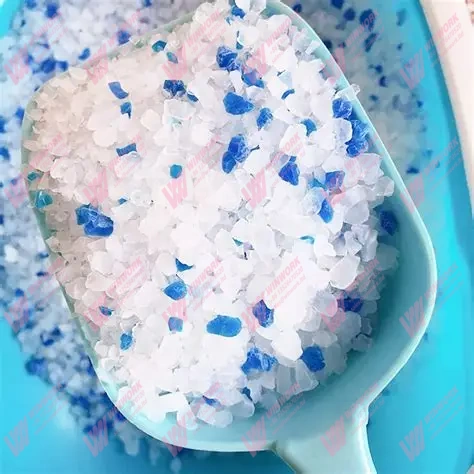
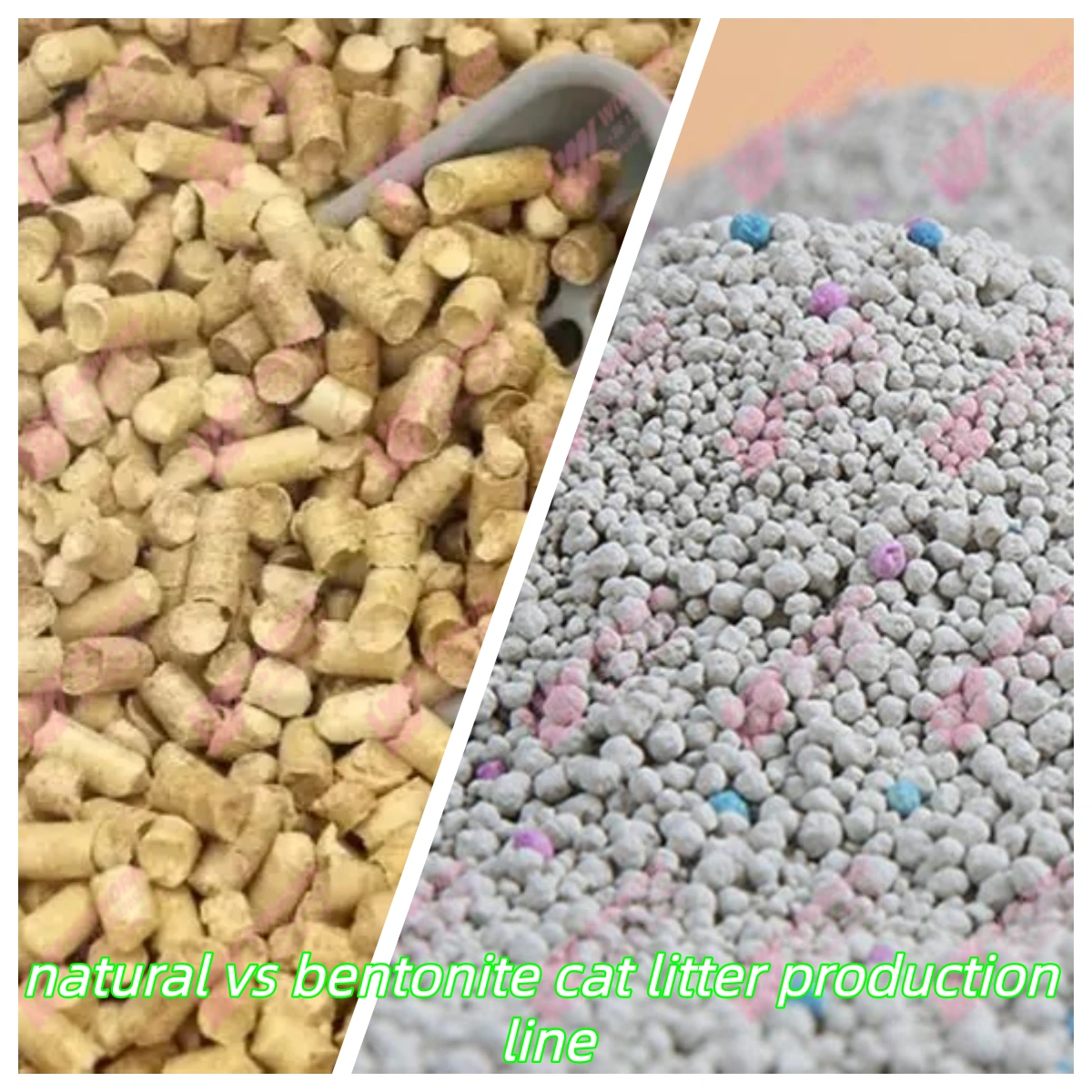
cat litter production line usually uses the following materials, such as Bentonite ore, adhesive, silica gel, waste paper, pulp, wood chips, sawdust, tapioca, deodorant, tofu dregs, corn starch and so on. And this fertilizer always uses the disc granulator.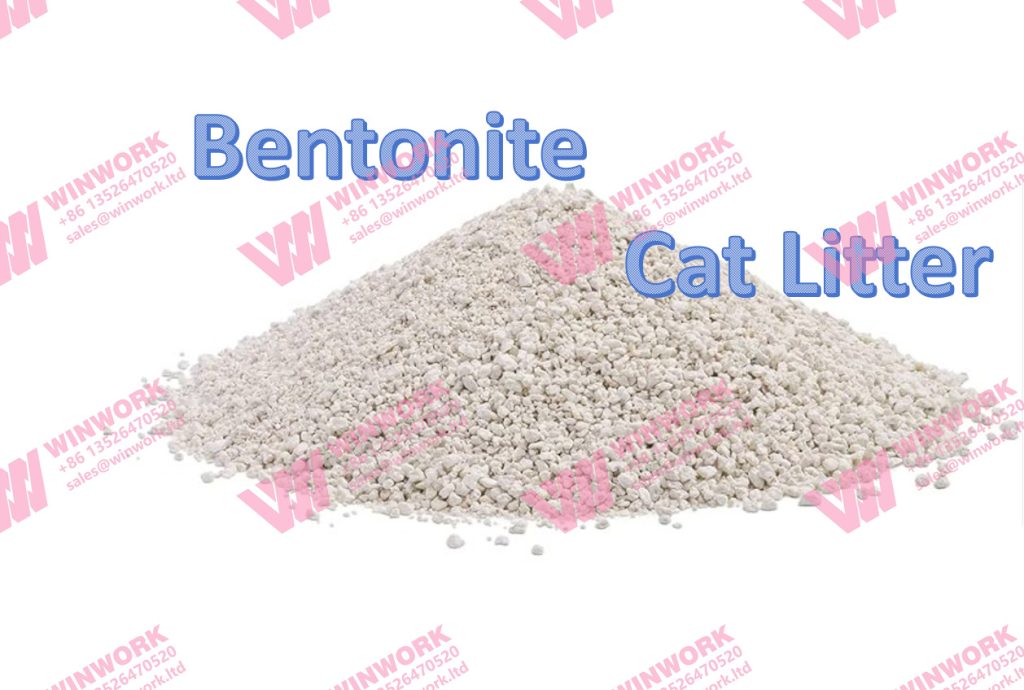
How to Use Fertilizer Types and Uses Effectively
Matching fertilizer types and uses to farming practices involves several steps:
Soil and Tissue Testing – Identify nutrient deficits and pH imbalances.
Select Type According to Need – Use quick‑acting liquid or granular fertilizers for immediate correction; choose slow‑release or organic types for long‑term soil building.
Determine Application Method –
Broadcasting: Granular fertilizers spread uniformly over fields.
Band Placement: Placing fertilizer near seed rows to optimize early uptake.
Fertigation: Injecting liquid fertilizers into irrigation water for uniform distribution.
Foliar Spraying: Applying liquid fertilizers directly to leaves for rapid correction of micronutrient deficiencies.
Calculate Rates – Use test‑based prescriptions to avoid over‑ or under‑application.
Monitor and Adjust – Track crop response and adjust type and timing as needed.
By aligning fertilizer types and uses with agronomic data and field conditions, growers can achieve precision nutrition with minimal environmental impact.
Raw Material Processing
Different fertilizer types require specific raw materials:
Organic: composted manure, plant residues.
Inorganic: ammonia, phosphoric acid, potash.
Liquid: high‑solubility salts and chelated micronutrients.
Granular: prilled or granulated intermediates.
Pre‑treatment (crushing, drying, granulation) ensures uniform quality for each fertilizer types and uses category.
In fertilizer manufacturing, automatic batching systems combine ingredients in precise ratios. Mixers create homogeneous blends for compound fertilizers, while coating drums apply polymer or sulfur layers for slow‑release types. This ensures each fertilizer types and uses product meets defined nutrient profiles.
Benefits of Understanding Fertilizer Types and Uses
Recognizing the correct fertilizer types and uses brings multiple advantages:
Precision Nutrition – Match fertilizer form and release rate to crop needs.
Improved Efficiency – Reduce input costs by avoiding mismatched or wasteful applications.
Enhanced Soil Health – Organic types build structure and microbial activity.
Flexible Application – Liquids suit fertigation; granules suit broad-acre spreading.
Reduced Environmental Risk – Proper type and placement minimize leaching and volatilization.
Labor Savings – Slow‑release and liquid options cut repeated applications.
Higher Yields & Quality – Balanced nutrition supports robust growth and better marketable produce.
Adaptability – Wide range of fertilizer types and uses fits varied climates, soils, and cropping systems.
Sustainability – Combining organic and inorganic types optimizes resource use and soil longevity.
These nine benefits highlight why mastering fertilizer types and uses is fundamental to modern sustainable agriculture.
FAQ
Q1: Can I mix different fertilizer types and uses together?
A: Some combinations are compatible, but others may react chemically or cause nutrient lock‑up. Always check solubility and reactivity; small-scale trials help ensure safe mixing.
Q2: How do I choose between liquid and granular types?
A: Liquids are ideal for quick uptake and fertigation; granules suit pre‑plant broadcasting and slow nutrient release. Your decision should reflect application method and timing needs.
Q3: Are organic fertilizers sufficient for high‑yield crops?
A: They improve soil health but may not supply enough nutrients quickly for high‑yield targets. Often, a blend of organic and inorganic fertilizer types and uses is optimal.
Q4: What equipment is needed for applying liquid fertilizer types?
A: Storage tanks, pumps, flow meters, and injectors for irrigation lines, plus possibly sprayers for foliar use.
Q5: How often should slow‑release fertilizers be applied?
A: Typically one application per season, as their design supports extended nutrient release aligned with crop growth stages.
Conclusion
Understanding fertilizer types and uses is the foundation of precision agriculture, enabling growers to select the right product, apply it correctly, and achieve economic and environmental gains. By leveraging production‑line fertilizer systems and advanced fertilizer manufacturing, suppliers can produce a broad spectrum of fertilizer types and uses to meet diverse agronomic needs. This press release has emphasized fertilizer types and uses throughout to underscore its vital role in modern nutrient management. As farming becomes more data‑driven and sustainability‑focused, knowledge of fertilizer types and uses will remain essential for optimizing productivity, protecting natural resources, and ensuring global food security.
For more details, please feel free to contact us.
Email: sales@lanesvc.com
Contact number: +8613526470520
Whatsapp: +8613526470520
Get A Quote