

Food Waste Recycling in Serbia and Its Role in Organic Fertilizer Production
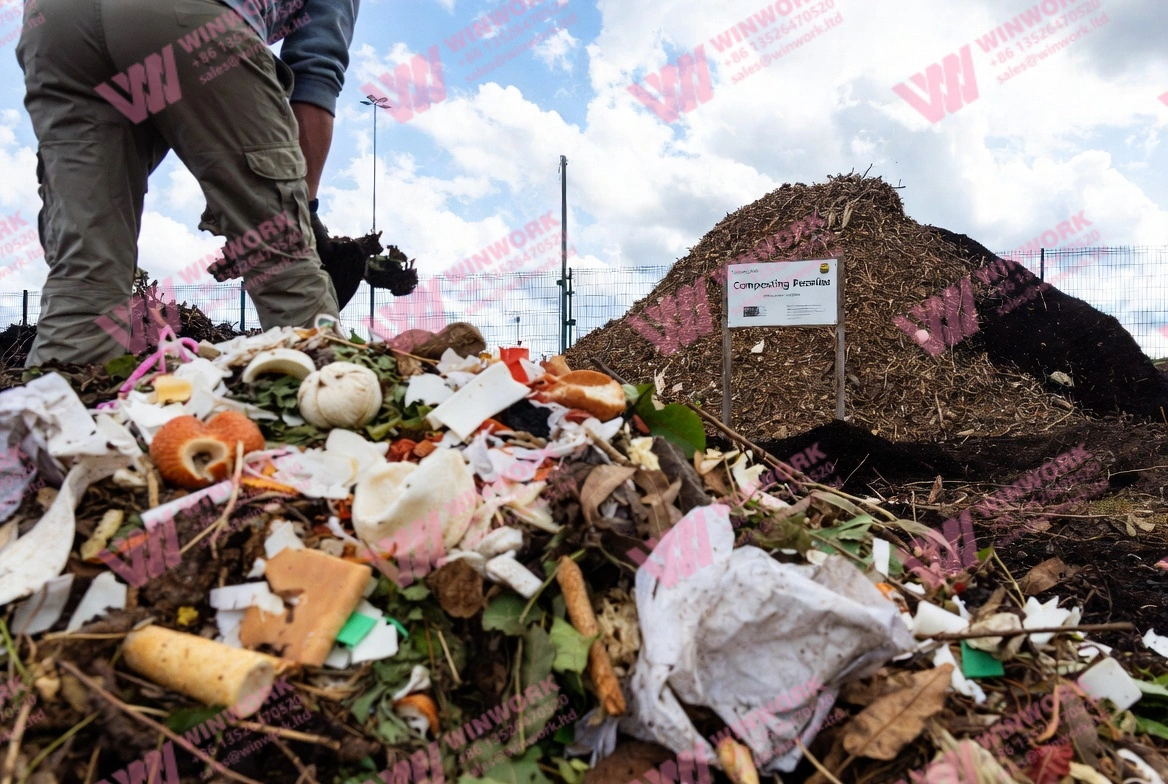
Food waste recycling in Serbia has gradually shifted from simple disposal methods toward resource recovery and value creation. With increasing amounts of kitchen waste, food processing residues, and catering waste, organic waste management has become an important issue for municipalities and industrial operators.
Organic fertilizer production offers a practical application for food waste recycling in Serbia. Food waste contains organic matter and essential nutrients that can be transformed into soil-improving fertilizer products through controlled processing. Instead of being treated as waste, food waste becomes a renewable resource supporting agricultural productivity and sustainable development.
As agriculture remains an important sector in Serbia, integrating food waste recycling in Serbia with organic fertilizer production provides a solution that benefits both waste management systems and farming activities.
Organic Fertilizer Production Process from Food Waste
The organic fertilizer production process is the technical core of food waste recycling in Serbia. A standardized and well-designed process ensures stable operation, product quality, and environmental safety.
Raw Material Collection and Pre-treatment
Food waste recycling in Serbia begins with the collection of organic waste from households, restaurants, markets, and food processing plants. Pre-treatment involves sorting to remove non-organic materials such as plastics and metals. Crushing and size reduction improve material uniformity and enhance the efficiency of downstream processing.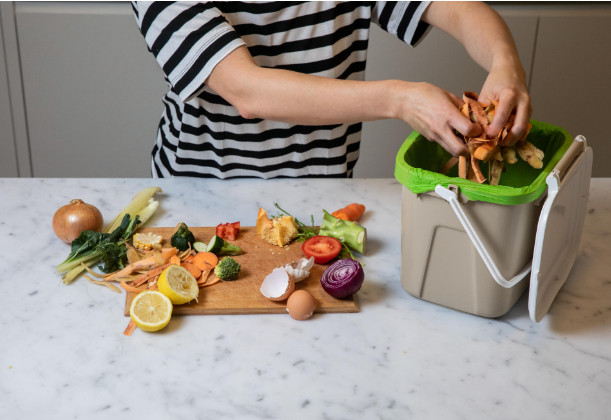
Moisture Adjustment and Composting
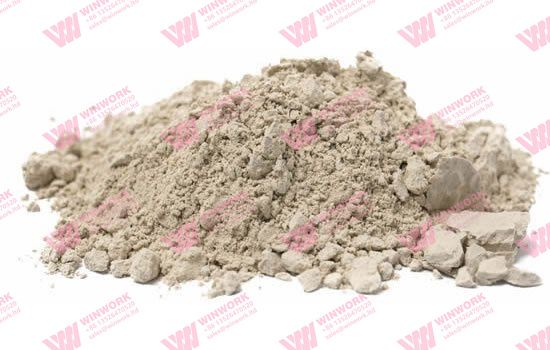
Food waste typically has high moisture content, which must be adjusted before composting. Through aerobic composting or controlled fermentation, organic matter decomposes under suitable temperature and oxygen conditions. This stage is critical for odor control, pathogen elimination, and organic matter stabilization in food waste recycling in Serbia projects.
Maturation and Refinement
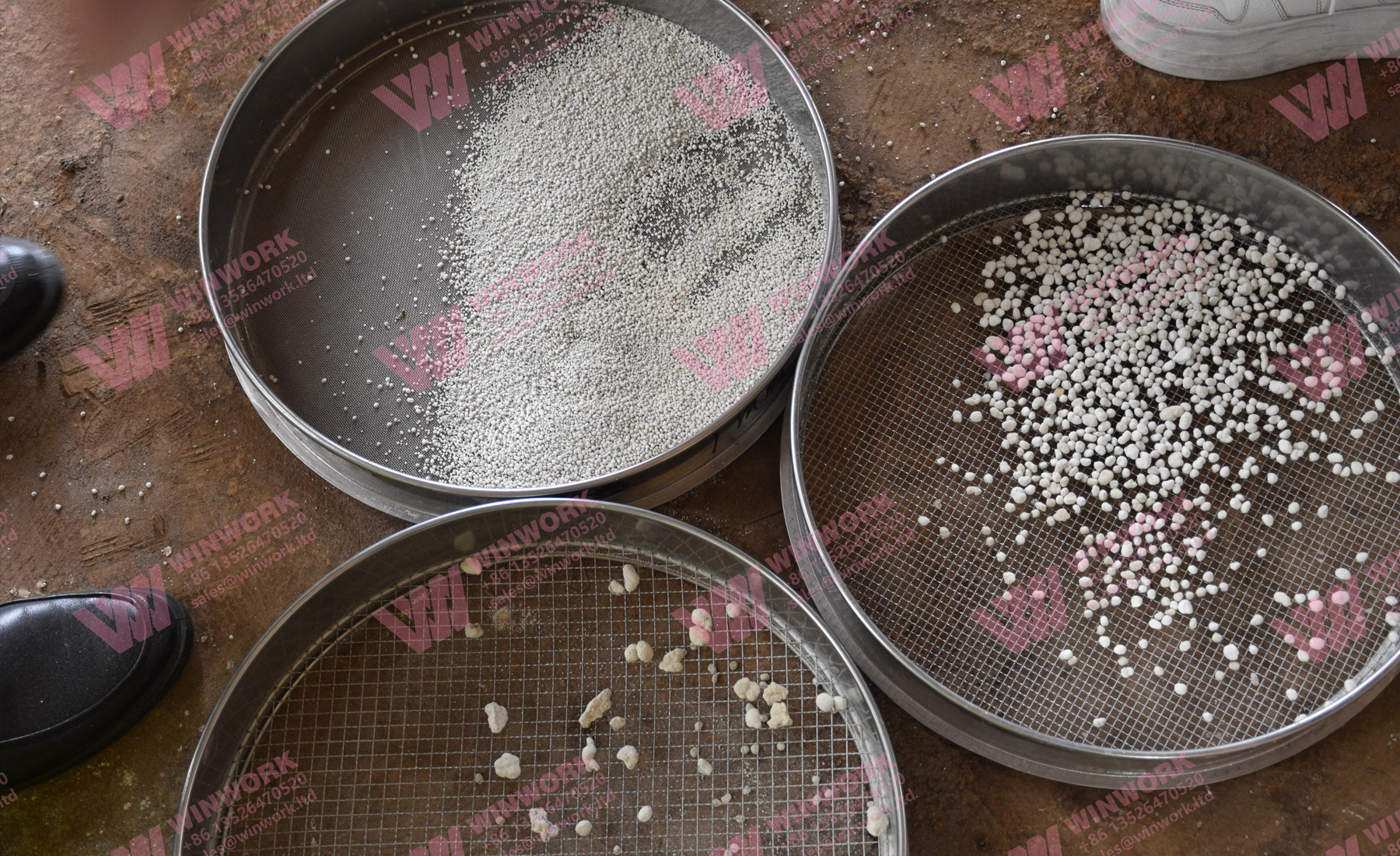
After fermentation, the composted material undergoes maturation to further stabilize nutrients. Crushing and screening refine particle size and remove oversized materials, improving fertilizer consistency.
Granulation and Drying
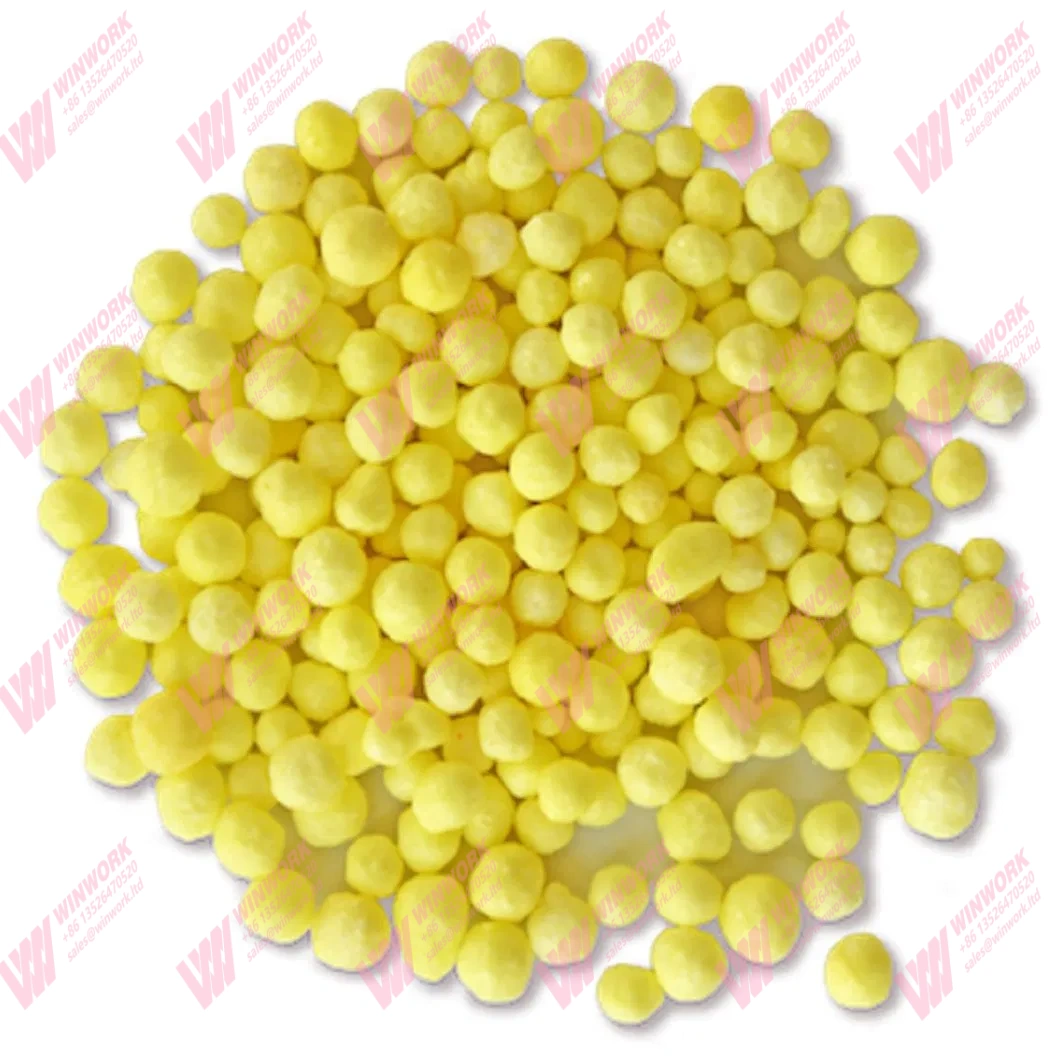
Granulation transforms compost into pellets, which are easier to store, transport, and apply. Drying reduces moisture to suitable levels, ensuring product stability and shelf life. This step is essential for commercial organic fertilizer production linked to food waste recycling in Serbia.
Equipment Solutions for Food Waste Recycling in Serbia
Reliable equipment plays a decisive role in successful food waste recycling in Serbia. Organic fertilizer production lines are designed to handle organic waste efficiently while maintaining continuous operation.
| Equipment Category | Main Function | Application in Recycling |
|---|---|---|
| Food waste crusher | Size reduction | Improves composting efficiency |
| Composting system | Fermentation | Core process of recycling |
| Fertilizer granulator | Pellet formation | Enhances fertilizer usability |
| Dryer & cooler | Moisture control | Ensures storage stability |
| Screening machine | Particle classification | Improves product uniformity |
Modular equipment layouts allow flexible capacity selection, making them suitable for both small-scale and industrial food waste recycling in Serbia projects. In food waste recycling in Serbia projects, horizontal semi-wet crushers are widely used for food waste crushing, fermentation systems may include vertical or horizontal fermentation tanks, and fertilizer granulation can be carried out using disc granulators, two-in-one granulators, or new-type organic fertilizer granulators based on capacity and product specifications.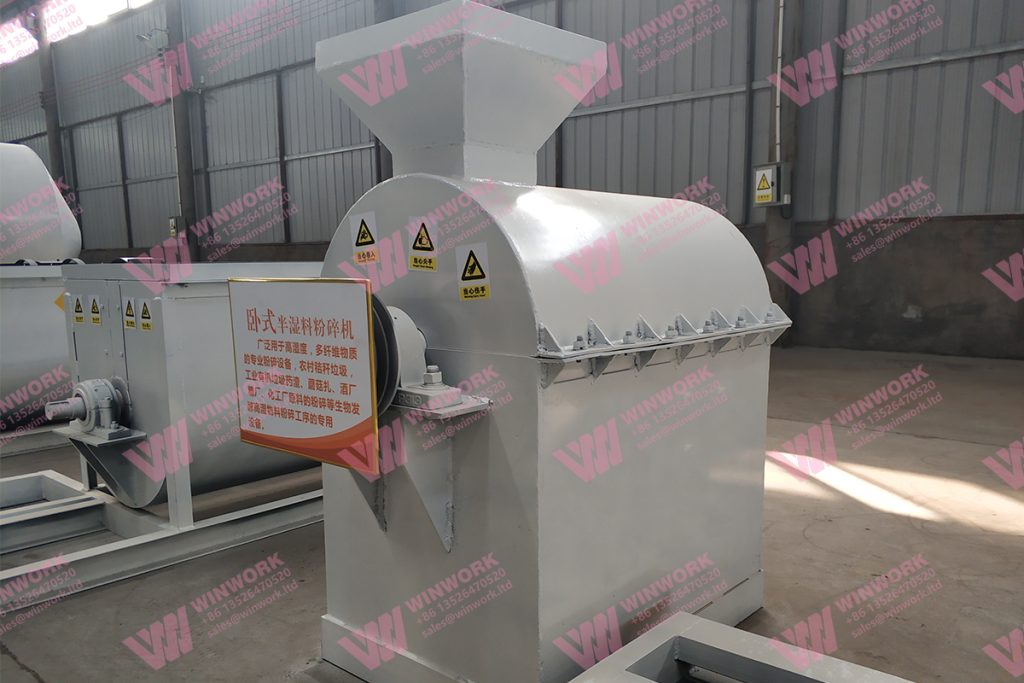
Key Technical Considerations in Production Line Design
When designing organic fertilizer production lines, several technical factors must be considered. High moisture content requires efficient dewatering and drying systems. Odor management is also essential, especially for facilities located near urban areas.
Energy efficiency and automation levels influence operational costs and productivity. Modern fertilizer equipment integrates automated control systems that improve process stability and reduce labor requirements. Proper equipment selection ensures consistent output and long-term reliability in food waste recycling in Serbia operations.
Integrated Solution and Development Perspective
An integrated organic fertilizer production solution combines processing technology, equipment selection, and operational management. Food waste recycling in Serbia benefits from turnkey fertilizer production lines that simplify installation, commissioning, and operation.
By adopting standardized organic fertilizer production processes and professional equipment, food waste recycling can achieve stable performance, environmental compliance, and economic feasibility. This integrated approach supports waste reduction goals while supplying agriculture with high-quality organic fertilizer.
As demand for sustainable waste treatment and soil improvement continues to grow, food waste recycling in Serbia is expected to play an increasingly important role in circular economy development and agricultural support.
Frequently Asked Questions(FAQ)
1. What types of food waste are suitable for food waste recycling in Serbia?
Food waste recycling in Serbia commonly uses kitchen waste, restaurant waste, fruit and vegetable residues, and food processing by-products. These materials are rich in organic matter and nutrients, making them suitable for composting and organic fertilizer production when properly sorted and processed.
2. Can food waste be directly used to produce organic fertilizer?
Food waste cannot be used directly as fertilizer. Organic waste must go through controlled composting or fermentation to eliminate pathogens, reduce odor, and stabilize nutrients before being processed into organic fertilizer.
3. What equipment is required for food waste recycling in Serbia?
A typical food waste recycling in Serbia project requires food waste crushers, composting or fermentation systems, fertilizer granulators, dryers, and screening machines. These equipment units work together to ensure stable operation and consistent fertilizer quality.
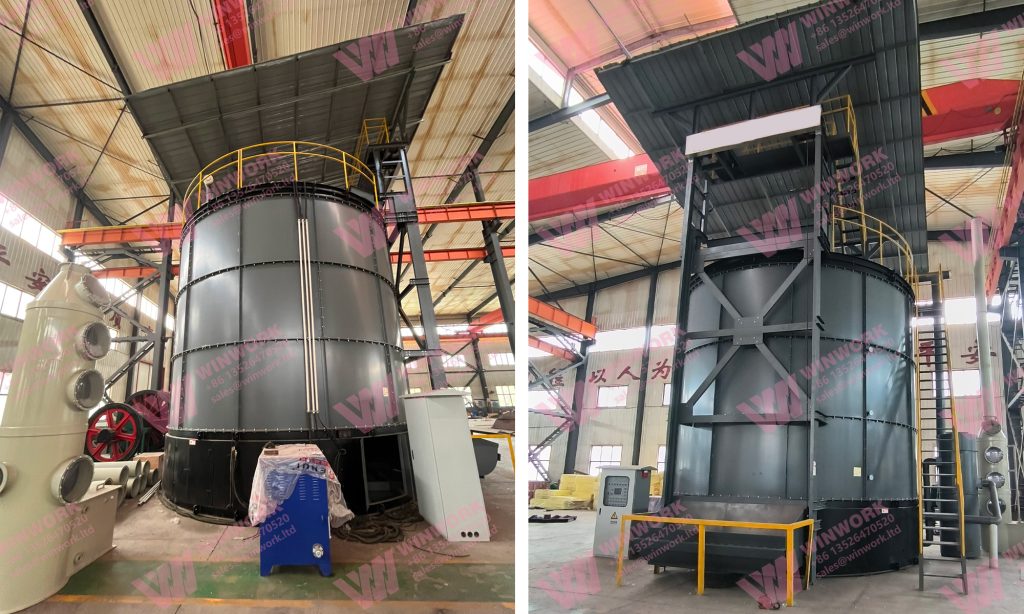
2024 Upgraded Vertical Fermentation tank
4. Is organic fertilizer produced from food waste suitable for agriculture?
Yes. Organic fertilizer produced through food waste recycling in Serbia improves soil structure, increases organic matter content, and enhances nutrient retention. It is suitable for various crops and supports sustainable agricultural practices.
For more details, please feel free to contact us.
Email: sales@lanesvc.com
Contact number: +86 13526470520
Whatsapp: +86 13526470520
Get A Quote