

Introduction
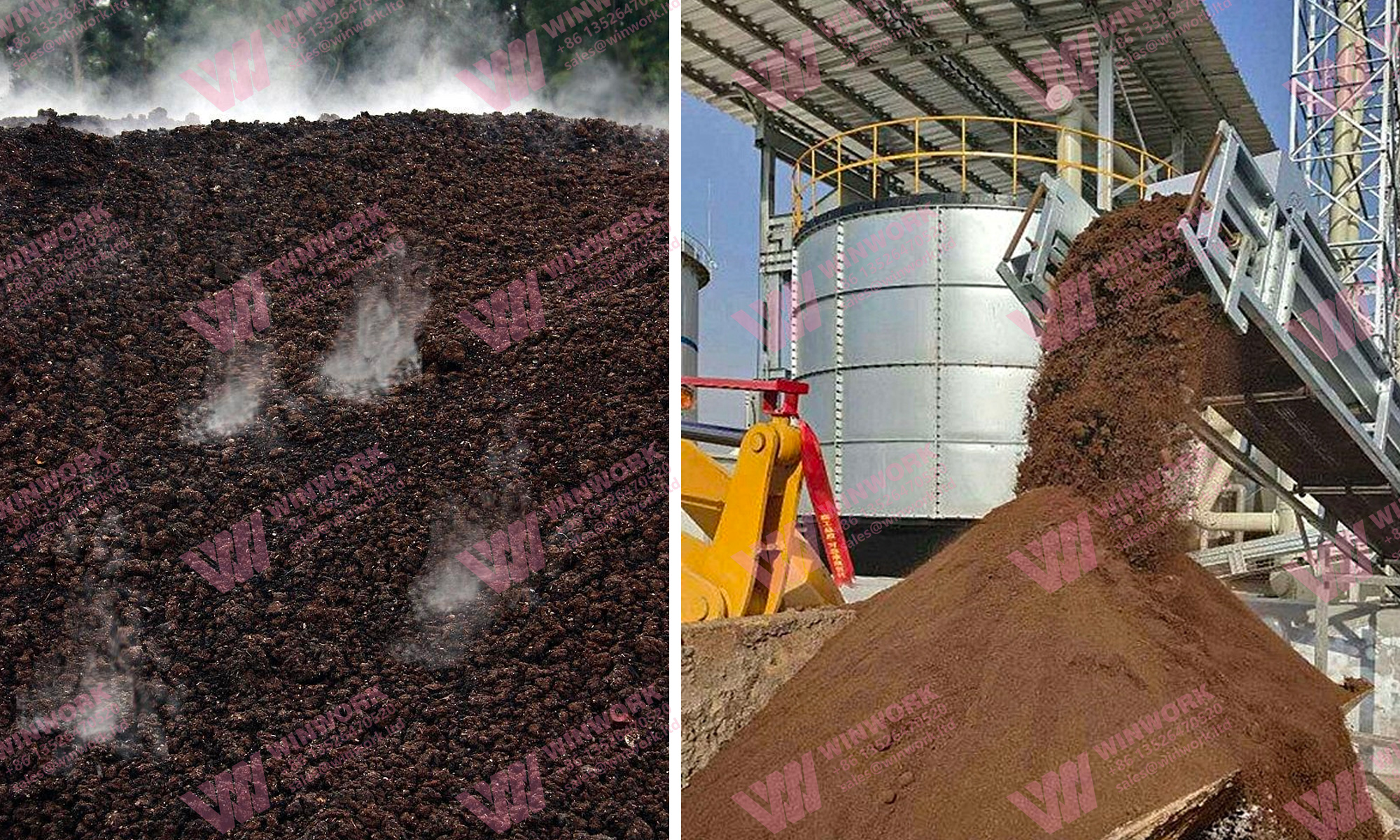
For anyone dealing with animal manure, crop residues, or food waste, the big challenge is simple: how do you get rid of it without stinking up the neighborhood or polluting water? The answer lies in the high-temperature fermentation composting process—a method that uses natural heat to break down waste, kill harmful organisms, and create a valuable product. This isn’t just ordinary composting; it’s a controlled, efficient system that works faster and safer, and it’s perfect for small farms, large operations, and even community projects.
Why the High-Temperature Fermentation Composting Process Is a Game-Changer
Traditional composting can take months and may not kill all weed seeds, fly larvae, or dangerous bacteria. The high-temperature fermentation composting process changes the game by ramping up the heat—reaching 55–70°C (130–160°F)—and holding it there. This heat:
Destroys pathogens (like E. coli and salmonella)
Kills weed seeds and insect eggs
Breaks down tough organic matter quickly
Reduces odors and emissions, making it a true pollution-control method
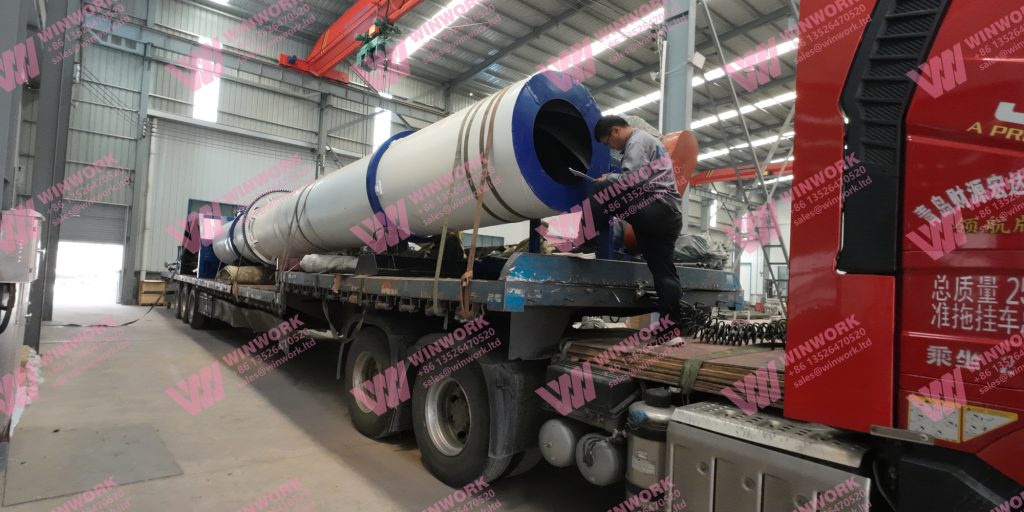
Precise Temperature Control System
By using the high-temperature fermentation composting process, you not only make safe fertilizer but also prevent waste from becoming an environmental hazard.
How the High-Temperature Fermentation Composting Process Works: Step-by-Step
Prepare the Materials
Start with a mix of nitrogen-rich “greens” (manure, kitchen scraps, fresh grass) and carbon-rich “browns” (straw, sawdust, dried leaves). A good ratio is 3 parts browns to 1 part greens. This balance fuels the microbes that drive the high-temperature fermentation composting process.
Load the System
You can use an open windrow, a concrete pad with walls, or a closed fermenter. The key is to have enough material to insulate and build heat. For a high-temperature fermentation composting process, aim for at least 1 cubic meter of material to start.
Aerate the Pile
Oxygen is essential. Use a compost turner or manually turn the pile every 2–3 days. Aeration keeps the microbes happy and the temperature high. Without it, the process becomes anaerobic, smelly, and slow.
Monitor the Temperature
Insert a long-stem compost thermometer into the pile. Within 2–4 days, the high-temperature fermentation composting process should push the temperature above 55°C. Hold it there for at least 3–5 days to ensure pathogen kill.
Cure the Compost
After the high heat phase, let the pile rest (cure) for 1–2 months. The temperature drops, and the material matures into stable, dark, crumbly compost. This step is essential for a safe, effective high-temperature fermentation composting process.
Screen and Store
Use a vibrating screen to remove any undercomposed chunks. Store the finished compost in a dry, covered area. It’s now ready to fertilize crops, amend soil, or sell.
Equipment for the High-Temperature Fermentation Composting Process
The Horizontal Fermentation Tank is a state-of-the-art equipment designed for the effective aerobic fermentation of organic waste, agricultural residues, sludge, and other compostable materials. Unlike vertical tanks, the horizontal design allows for larger capacity and more uniform fermentation.
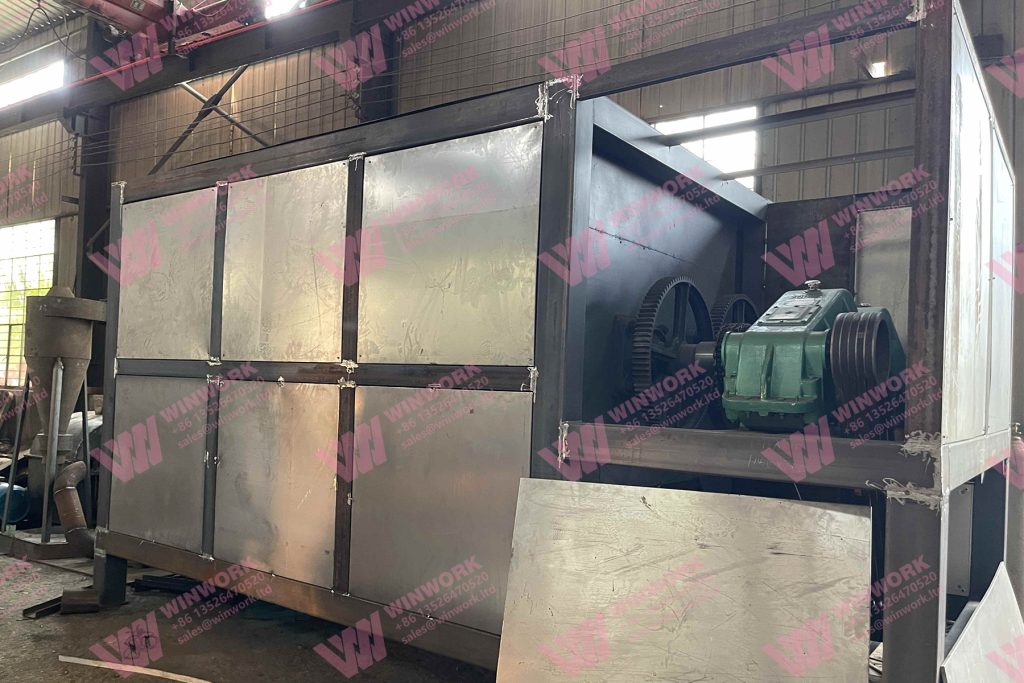
Horizontal fermentation tank
The Horizontal Fermentation Tank is widely used in the production of organic fertilizers and compost, offering numerous advantages in terms of efficiency, control, and environmental impact.
Crawler compost turner is an advanced compost turning equipment, specially designed for compost fermentation process, with the advantages of high efficiency, stability, easy operation and so on. And this can boost your working efficiency.
The high-temperature composting process is an intelligent and safe method for recycling organic waste. This not only reduces raw material contamination, but also enhances the ability to recycle waste.
These are essential machines to fermentation your materials, and each of these machines can be customized due to your own needs.
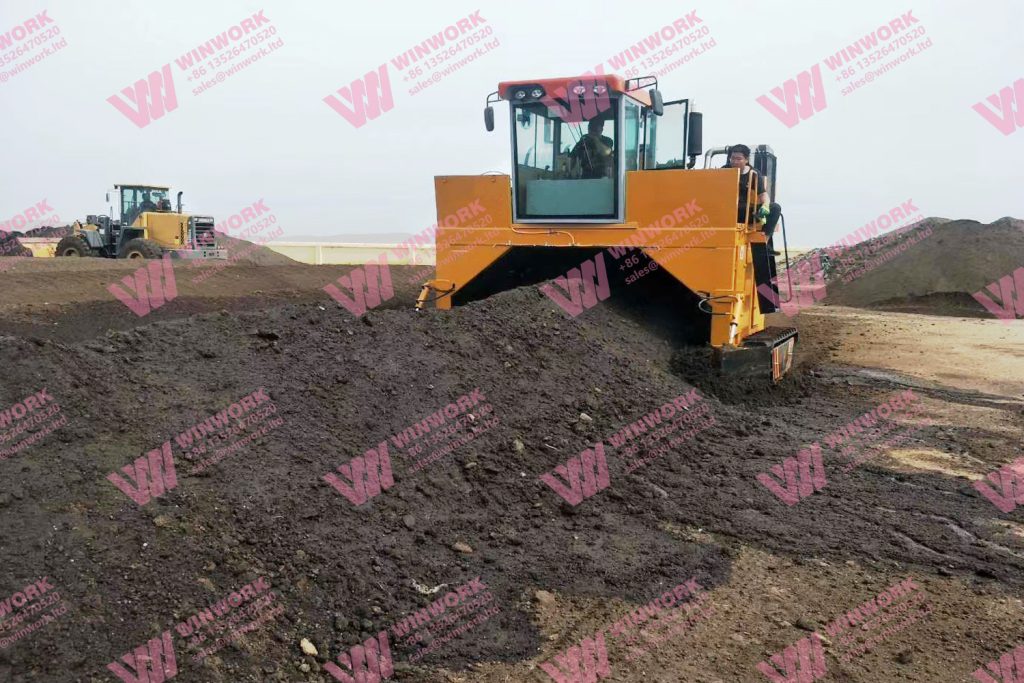
Compost Turner Working Site
Real Farm Example
The Chens used to spread raw manure, causing odor complaints and water pollution. After adopting the high-temperature fermentation composting process with a $3,000 compost turner and a concrete pad, they:
Killed pathogens and weed seeds in 5 days
Cut composting time from 6 months to 2.5 months
Produced 2.5 tons of clean compost monthly, sold for $150/ton
Eliminated odor and runoff problems
“The high-temperature fermentation composting process made our farm cleaner and our fertilizer safer,” says Mr. Chen.
FAQ: Your Questions About High-Temperature Fermentation Composting Process Answered
Q1: How hot does the high-temperature fermentation composting process get?
A: It reaches 55–70°C, sometimes higher, which is hot enough to kill most pathogens and weed seeds.
Q2: How long does the high heat last?
A: Ideally, 3–5 days, but it can be longer in cold weather. Consistent turning helps maintain the temperature.
Q3: Can I do the high-temperature fermentation composting process in winter?
A: Yes! Use insulated pads, larger piles, or enclosed fermenters. The process is slower but still effective.
Q4: What if the temperature doesn’t rise?
A: You may have too much carbon, not enough nitrogen, or poor aeration. Add greens, turn the pile, and check moisture.
Q5: Is the compost safe to use after this process?
A: Yes! The high heat kills pathogens, making it safe for vegetables, fruits, and flowers.
Q6: Do I need a special machine?
A: A compost turner helps, but you can do it manually for small scales. The key is aeration and temperature control.
Q7: How much material do I need?
A: At least 1 cubic meter to build and hold heat. Larger batches are more efficient.
Q8: Can I use this for food waste?
A: Yes! The high-temperature fermentation composting process is great for food scraps, but avoid meat and dairy.
Q9: How do I know it’s done?
A: The temperature drops to ambient, the material is dark and crumbly, and it smells earthy.
Q10: What are the pollution benefits?
A: It reduces odors, prevents nutrient runoff, and cuts methane emissions from raw waste.
Conclusion
The high-temperature fermentation composting process is the smart, safe way to recycle organic waste. By harnessing natural heat, you kill harmful organisms, speed up decomposition, and create a valuable fertilizer—all while cutting pollution. Whether you’re a small farm, a community project, or a large operation, the process is scalable, cost-effective, and environmentally sound. The sooner you implement the high-temperature fermentation composting process, the sooner you’ll see cleaner land, safer food, and a more sustainable system for managing waste.
For more details, please feel free to contact us.
Email: sales@lanesvc.com
Contact number: +8613526470520
Whatsapp: +8613526470520
Get A Quote