

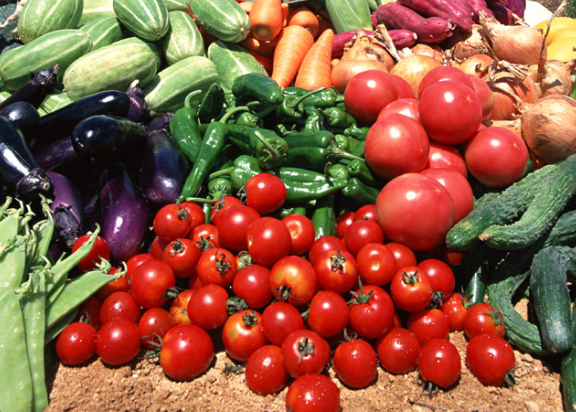
Rising Volume of Kitchen Waste and Demand for Kitchen Waste Fertilizer Production
Kitchen waste fertilizer production is gaining attention as the volume of kitchen waste continues to rise due to urbanization, food service expansion, and changing consumption habits. Organic waste generated by households, restaurants, and catering facilities places increasing pressure on traditional disposal methods such as landfilling and incineration.
To respond to these challenges, fertilizer manufacturing has become a practical recycling pathway. Through structured processing systems, kitchen waste fertilizer production enables organic materials to be treated efficiently instead of being discarded. This approach not only reduces waste volume but also converts kitchen waste into valuable fertilizer products, making it a key driver of sustainable waste management and fertilizer production development.
Importance of Specialized Equipment for Kitchen Waste Processing
Kitchen waste differs from other organic materials due to its high moisture content, soft texture, and mixed composition. These characteristics require dedicated processing equipment within a food waste organic fertilizer production line.
Semi-wet material crushers are commonly used to handle kitchen waste efficiently without clogging. Dewatering equipment helps adjust moisture levels before fermentation. Without proper equipment configuration, kitchen waste fertilizer production becomes unstable and inefficient. Therefore, equipment specialization is a critical factor in the development of food waste organic fertilizer production line projects.
Fermentation Systems as the Core of Kitchen Waste Fertilizer Production
Fermentation is the biological foundation of fertilizer production from kitchen waste. In a food waste organic fertilizer production line, fermentation systems convert unstable organic matter into safe, mature fertilizer material.
Both vertical fermentation tanks and horizontal fermentation tanks are widely applied. Vertical fermentation tanks are suitable for compact layouts and controlled processing, while horizontal fermentation tanks are often selected for larger-scale continuous operation. Proper fermentation equipment ensures odor control, pathogen reduction, and nutrient stabilization, directly influencing fertilizer quality.
Granulation Equipment and Fertilizer Product Quality
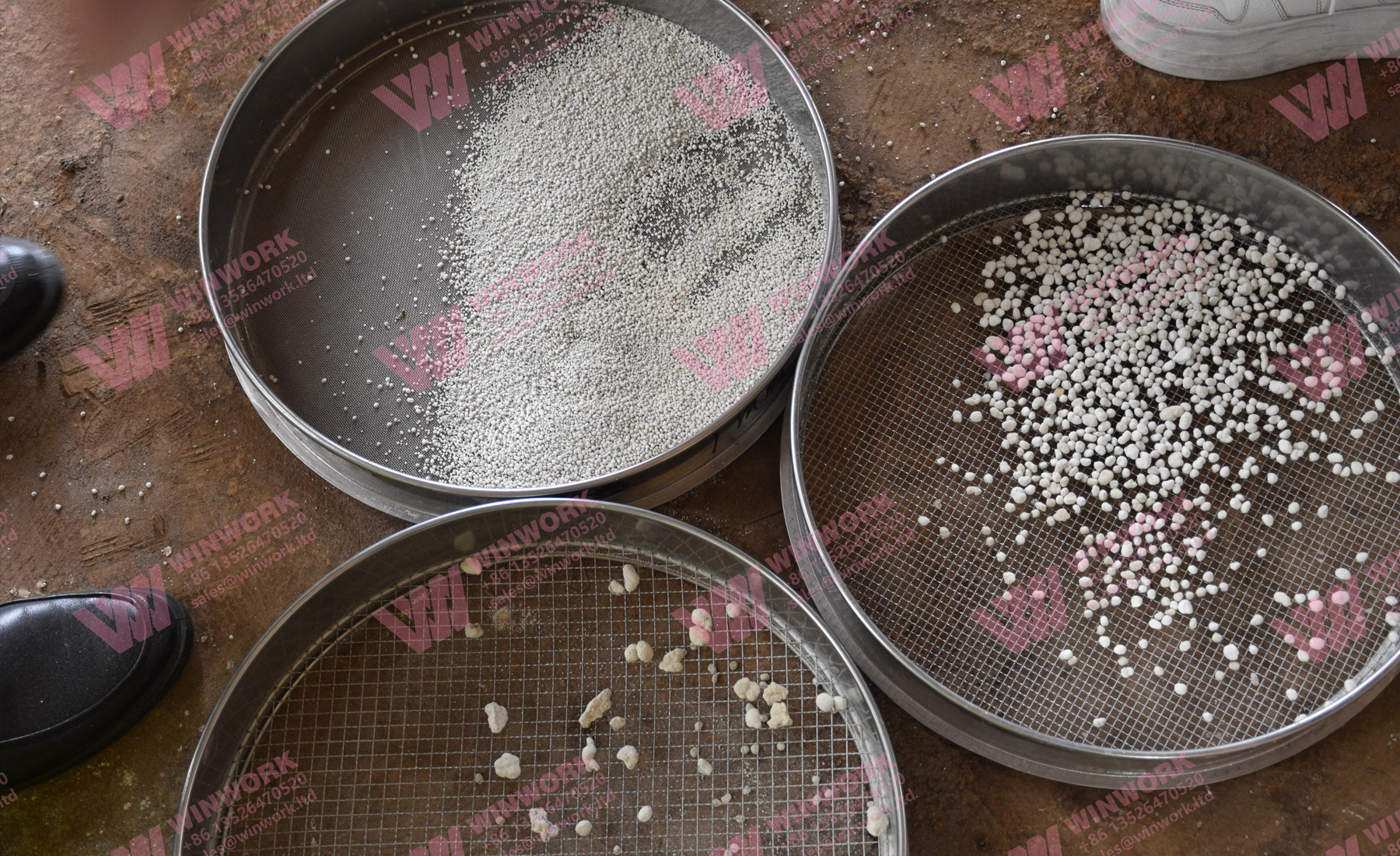
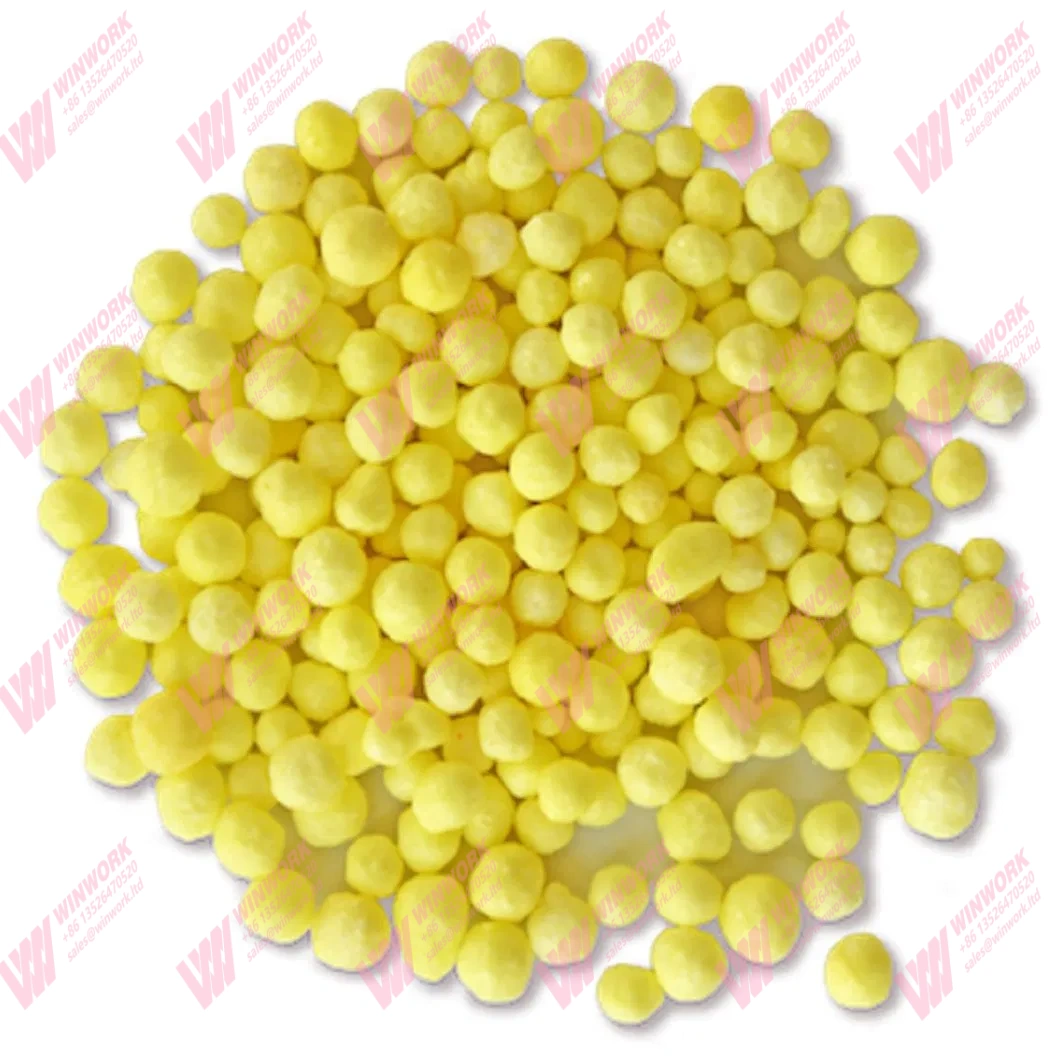
Granulation plays a decisive role in transforming composted kitchen waste into commercial fertilizer products. A food waste organic fertilizer production line typically includes granulation equipment designed to produce uniform, easy-to-handle fertilizer granules.
Common options include disc granulators, two-in-one granulators, and new-type organic fertilizer granulators. Equipment selection depends on production capacity, desired granule size, and fertilizer application requirements. Reliable granulation equipment improves product appearance, transportation efficiency, and market acceptance in kitchen waste fertilizer production projects.
Integrated Equipment Configuration and Line Stability
Rather than focusing on single machines, successful kitchen waste fertilizer production relies on integrated equipment configuration. Crushing, fermentation, granulation, drying, and screening systems must operate in coordination within a food waste organic fertilizer production line.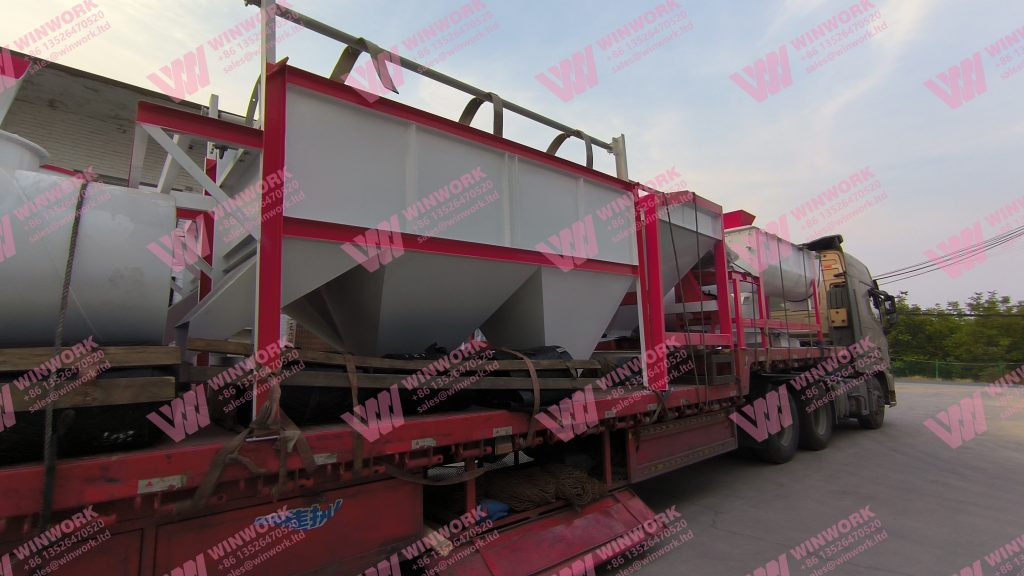
Supporting equipment such as conveyors, dust collection systems, and automatic control units improve operational stability. Integrated layouts reduce material loss, minimize downtime, and improve overall production efficiency. This system-level approach is an important factor driving the adoption of modern food waste organic fertilizer production line solutions.
Adaptability of Production Capacity and Project Scale
Kitchen waste fertilizer production projects vary significantly in scale. A food waste organic fertilizer production line can be designed for small municipal recycling facilities or expanded for industrial fertilizer manufacturing.
Modular equipment design allows capacity adjustment as kitchen waste supply increases. This flexibility reduces initial investment pressure and supports phased project development. Adaptable production capacity makes kitchen waste fertilizer production accessible to a wider range of operators and investors.
Economic and Operational Advantages
From an economic perspective, kitchen waste is a low-cost raw material compared with traditional organic fertilizer inputs. A food waste organic fertilizer production line creates value by converting waste into marketable fertilizer products.
Operational efficiency is enhanced through automation and standardized control. Stable equipment operation reduces labor intensity and maintenance costs. These advantages strengthen the long-term feasibility of kitchen waste fertilizer production and support continued industry growth.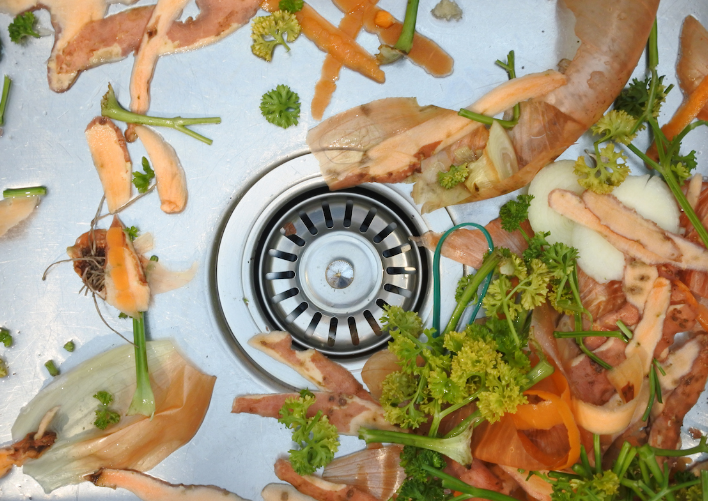
Frequently Asked Questions(FAQ)
1. Can high-moisture kitchen waste be processed efficiently?
Yes. Kitchen waste fertilizer production is specifically designed to handle high-moisture organic materials. Semi-wet material crushing equipment and moisture control systems help ensure smooth processing and stable fermentation performance.
2. Is kitchen waste fertilizer production suitable for small-scale projects?
Yes. Kitchen waste fertilizer production systems can be designed with modular equipment layouts, allowing flexible capacity selection. This makes them suitable for both small municipal recycling facilities and industrial-scale fertilizer manufacturing projects.
3. What are the main benefits of kitchen waste fertilizer production?
The main benefits include reducing landfill pressure, recycling organic waste, improving soil quality, and creating economic value from kitchen waste. Kitchen waste fertilizer production also supports sustainable agriculture and circular economy development.
4. How long does the kitchen waste fertilizer production process take?
The production cycle depends on the fermentation method and equipment configuration. In general, fermentation may take several days to a few weeks, followed by granulation and drying stages to produce finished fertilizer products.
Conclusion
Kitchen waste fertilizer production is no longer just a waste treatment option but a practical fertilizer manufacturing approach. With proper equipment configuration and process control, kitchen waste can be transformed into consistent fertilizer products. This production model improves material utilization efficiency and offers a reliable solution for modern organic fertilizer projects.
For more details, please feel free to contact us.
Email: sales@lanesvc.com
Contact number: +86 13526470520
Whatsapp: +86 13526470520
Get A Quote