

Introduction
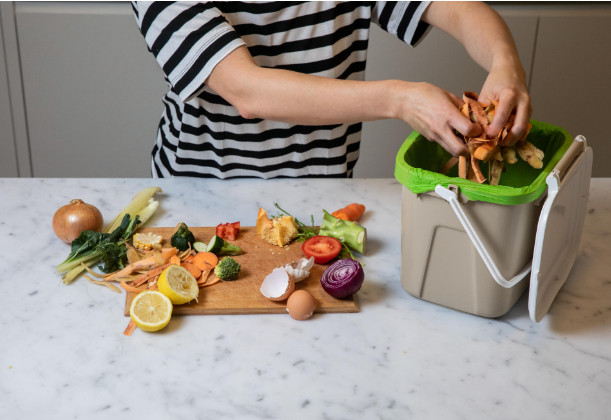
Every day, households generate pounds of food scraps—vegetable peels, coffee grounds, eggshells, and more. Sending this nutrient-rich material to the landfill is a missed opportunity. The good news is, you can easily turn this waste into a powerful resource for your plants. Learning how to convert kitchen waste to fertilizer is a simple, satisfying step towards a more sustainable home. The process of transforming kitchen waste to fertilizer reduces your environmental footprint, saves money on store-bought plant food, and creates a closed-loop system for your garden. Let’s explore the practical ways to make kitchen waste to fertilizer a reality in your home.
Why turn kitchen waste to fertilizer
First of all, it can reduce garbage. Maybe in the eyes of many people, the amount of kitchen waste produced by a family in a day is not much, but in a week, a year, and for families across the country and around the world, from this perspective, kitchen waste does indeed account for a large proportion. Turn kitchen waste to fertilizer is a good way to reduce these waste to harm the environment.
Moreover, homemade compost is rich in nitrogen, phosphorus, potassium and trace elements, with a mild and long-lasting fertilizer effect, which can improve soil structure. Save to buy fertilizer and soil of money, family gardening inner loop.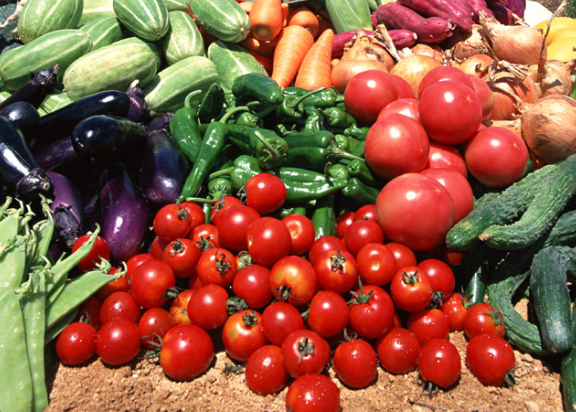
Simple way to Get Started
You don’t need fancy gear to begin turning your kitchen waste to fertilizer. Here are the most accessible methods.
Backyard Compost Pile: The Classic Method
This is the most common way to turn kitchen waste to fertilizer. All you need is a free space in your yard and a simple pile. The key is balancing greens like nitrogen-rich food scraps with browns like carbon-rich materials like dried leaves, shredded paper, or cardboard. Layer them in your bin, keep it moist, and turn it occasionally with a pitchfork. Microbes and worms will break everything down into dark, crumbly compost in 6-12 months. It’s a slow but highly effective natural process for making fertilizer from kitchen waste. During this period, you don’t even need to pay attention to it. It can slowly ferment on his own and gradually turn into usable fertilizer.
Vermicomposting
No backyard? No problem! Vermicomposting is a fantastic indoor method to convert kitchen waste to fertilizer. You keep a bin of special composting worms like red wigglers who eagerly consume your food scraps. Their castings worm poop produce vermicompost, one of the best natural fertilizers you can find. A well-maintained worm bin is odorless and can sit in a garage, basement, or even under the kitchen sink, making it a super-convenient system for changing kitchen waste to fertilizer. And it can kitchen waste to fertilizer.
Bokashi Fermentation: A Quick Pre-Composting Step
Bokashi is a unique anaerobic process that ferments all food waste—including meats, dairy, and cooked foods that you can’t put in a regular compost bin. You layer scraps in a special airtight bucket and sprinkle them with Bokashi bran inoculated with effective microorganisms. After about two weeks of fermentation, the pre-compost is buried in a garden trench or added to a traditional compost pile to finish breaking down. It’s a great pre-treatment step in the chain from kitchen waste to fertilizer. This method may not be very familiar to everyone. Most people probably haven’t heard of it, but it is still recommended that everyone give it a try.
Equipment to Speed Up the Process
If you want faster results or a more hands-off approach, consider these tools designed to efficiently turn kitchen waste to fertilizer.
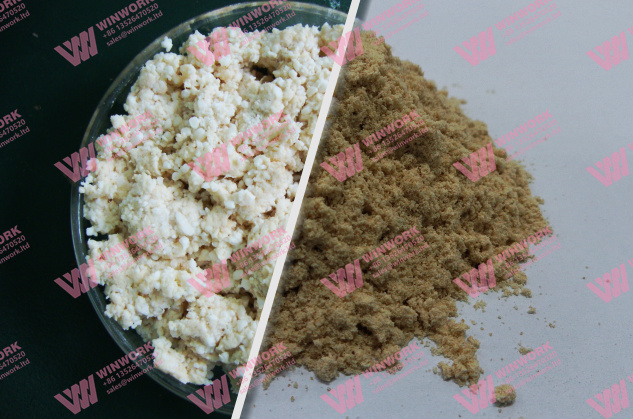
Electric Composters: These sleek, appliance-like devices are the fastest way to process kitchen waste to fertilizer at home. They use heat, grinding, and aeration to dehydrate and pulverize food scraps into a dry, nutrient-rich soil amendment in as little as 3-8 hours. You simply add the scraps and press a button. The output can be mixed directly into soil. While an investment, they offer incredible convenience for turning daily kitchen waste to fertilizer with zero mess or wait. And it can kitchen waste to fertilizer.
Smart compost bin: Some high-end models integrate sensors, automatic control and mobile phone apps, which can monitor temperature and humidity, remind you to turn or add materials, making the process from kitchen waste to fertilizer completely intelligent and worry-free.
Tumbling Composters: For outdoor use, a tumbling composter is a barrel-shaped bin mounted on a frame. You add your browns and greens, then give the barrel a spin every few days. The tumbling action mixes and aerates the contents, significantly speeding up decomposition. It’s more efficient than a stationary bin and makes the job of turning your kitchen waste to fertilizer much easier on your back. And it can kitchen waste to fertilizer.
Crawler compost turner is an advanced compost turning equipment, specially designed for compost fermentation process, with the advantages of high efficiency, stability, easy operation and so on.
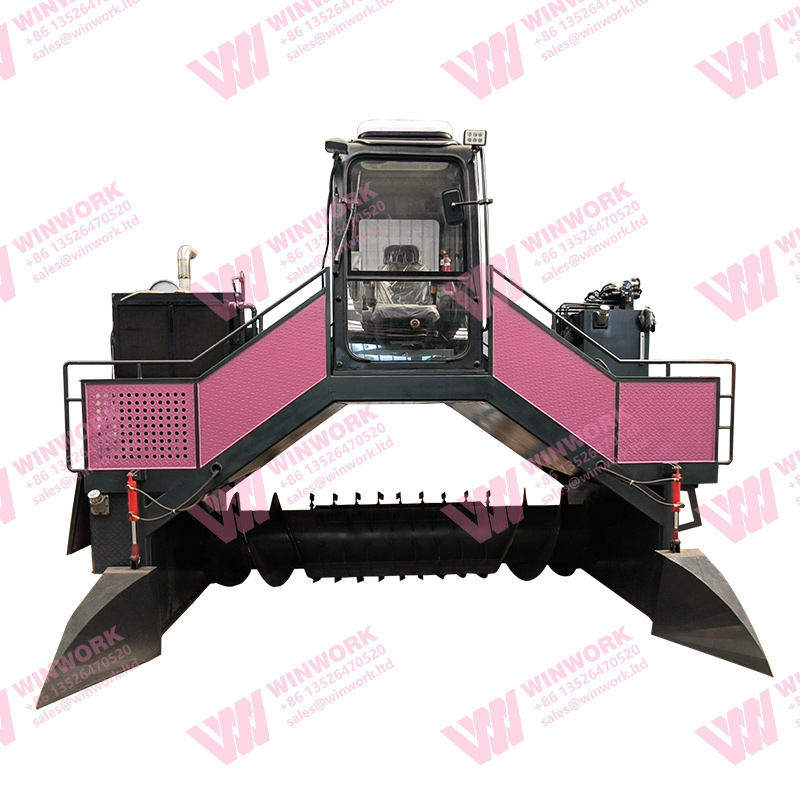
Crawler-compost-turner
Crawler compost tumbler realizes automatic operation through crawler walking system, which is the necessary equipment for producing organic fertilizer granules and widely used in organic fertilizer production line. And it can kitchen waste to fertilizer.
Crawler compost turner can not only quickly improve the fermentation efficiency of materials, but also effectively improve the quality of compost, is the first choice of modern compost production equipment.
Strong Stability
The crawler type compost turner is equipped with a durable crawler walking mechanism that provides excellent traction and stability. Unlike wheel-type machines, it can operate reliably on a wide range of challenging terrains, including muddy fields, uneven ground, gentle slopes, and even sites with loose soil. This adaptability allows it to maintain consistent compost turning performance under various site conditions, ensuring continuous operation without getting stuck or losing efficiency.
Energy Saving and Environmental Protection
The crawler compost turner not only enhances composting efficiency but also contributes to environmental sustainability. During the turning process, its design minimizes the release of dust and unpleasant odors, greatly improving the working environment for operators. By controlling airborne particles and reducing odor dispersion, it helps prevent environmental pollution. Additionally, its efficient power system reduces fuel consumption, lowering operational costs while supporting eco-friendly composting practices.
The Horizontal Fermentation Tank is a state-of-the-art equipment designed for the effective aerobic fermentation of organic waste, agricultural residues, sludge, and other compostable materials. Unlike vertical tanks, the horizontal design allows for larger capacity and more uniform fermentation.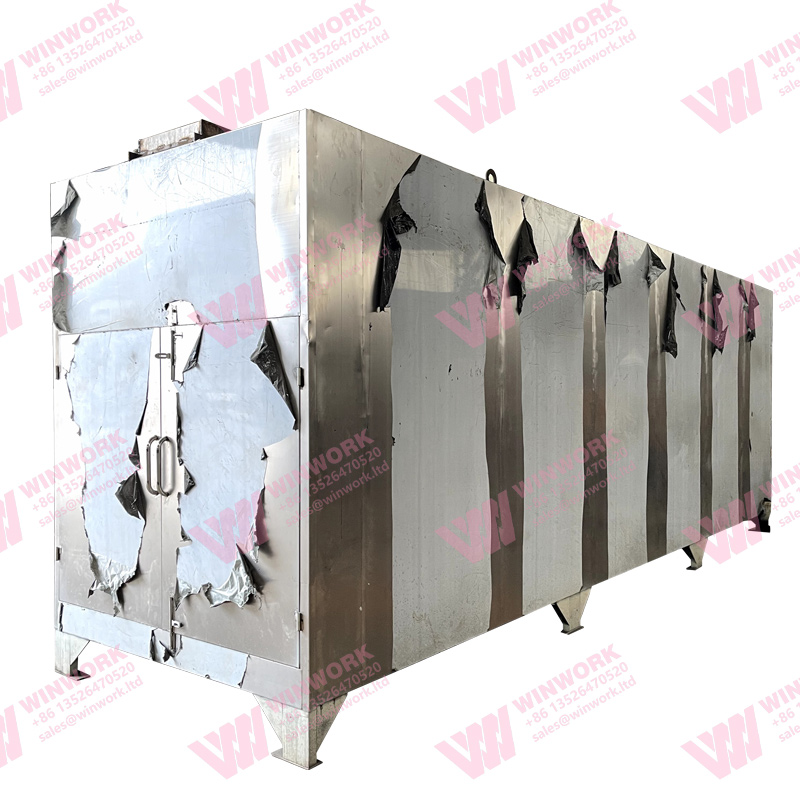
The Horizontal Fermentation Tank is widely used in the production of organic fertilizers and compost, offering numerous advantages in terms of efficiency, control, and environmental impact.
These big machines has many advantages compare with above these small home use things. Large Capacity: The horizontal design of the fermentation tank allows for a larger capacity, making it suitable for large-scale composting operations. And it can kitchen waste to fertilizer.
Efficient Aeration: The integrated aeration system ensures a continuous supply of oxygen, promoting aerobic microbial activity and preventing anaerobic conditions. This enhances the efficiency and speed of the fermentation process.
Optimal Temperature Control: Advanced temperature control systems maintain the ideal temperature range for microbial activity, speeding up decomposition and ensuring consistent fermentation results.
Uniform Mixing: Mechanical mixers or agitators provide thorough and uniform mixing of the material, enhancing microbial activity and promoting effective fermentation.
Moisture Management: The ability to control moisture levels within the tank ensures that the fermentation process occurs under optimal conditions, improving compost quality and microbial efficiency.
High-Quality Construction: Made from durable, corrosion-resistant materials, the tank offers long service life and reliable performance in various environmental conditions. And it can kitchen waste to fertilizer.
User-Friendly Operation: The control panel allows for easy monitoring and adjustment of fermentation parameters, simplifying the operation and management of the fermentation process.
Environmentally Friendly: The efficient aerobic fermentation process reduces the emission of unpleasant odors and greenhouse gases, contributing to a cleaner and more sustainable environment. And it can kitchen waste to fertilizer.
Success of composting key points
Either way will kitchen waste into fertilizer, all want to remember a few core principles:
carbon and nitrogen balance: green wet garbage, nitrogen and brown dry material, carbon you’d better keep in the proportion of 1:2 to 1:3.
Avoid into: meat, oil, dairy products, large bones and leftovers containing salt, oil, these substances will attract pests, produce peculiar smell and slow fermentation.
Moist: pile body humidity should be like twist dry sponge.
Ensure air: turn on a regular basis with a hole or the use of container, to create conditions for aerobic microorganisms.
What to Compost and What to Avoid
For a successful and odor-free transformation of kitchen waste to fertilizer, follow these guidelines:
GREENS Add these Fruit and vegetable scraps, coffee grounds and filters, tea bags, crushed eggshells, stale bread.
BROWNS Add more of these: Dried leaves, shredded cardboard/paper, sawdust, straw, nut shells.
AVOID: Meat, fish, bones, fatty/oily foods, dairy products, pet waste, diseased plants. These can attract pests, create odors, or introduce pathogens.
FAQ-Common Questions Answered
Q1: Will composting in my backyard or kitchen smell bad?
A: A properly managed compost system should have a pleasant, earthy smell. Bad odors (rotten, sour, or ammonia-like) are a sign of imbalance: usually too many “greens,” not enough “browns,” or not enough air. Fix it by adding more browns (like shredded paper) and turning/mixing the pile. A healthy process for making fertilizer from kitchen waste is not smelly.
Q2: I live in an apartment. What’s my best option?
A: Your best bets are a worm bin (vermicomposting) or a countertop electric composter. Worm bins are quiet, low-energy, and produce excellent fertilizer. Electric composters are incredibly fast, clean, and convenient, though they use electricity. Both are perfect for turning your kitchen waste to fertilizer in a small space.
Q3: How do I use the finished compost/fertilizer?
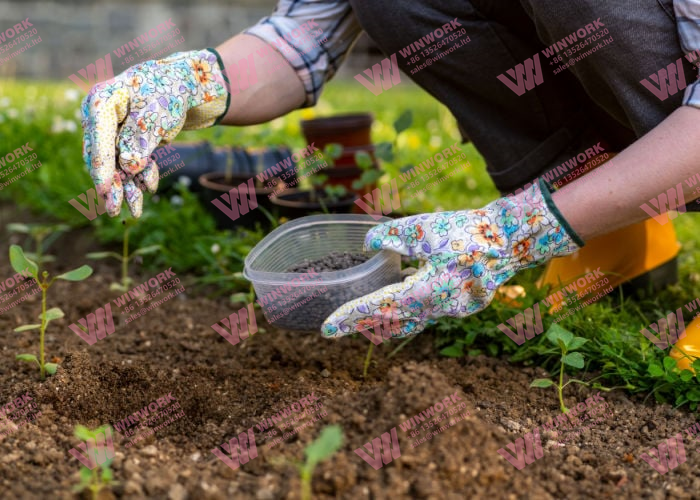
A: Your homemade fertilizer from kitchen waste is incredibly versatile! Use it as a top dressing by sprinkling it around established plants. Mix it into garden beds or potting soil before planting to enrich the soil. For vermicompost or compost tea (made by steeping compost in water), use it as a powerful liquid fertilizer for your houseplants or garden.
Q4: How long does the whole process take?
A: It varies greatly by method. A tumbler or hot backyard pile can produce compost in 2-4 months. A cold, passive pile may take 6-12 months. A worm bin produces harvestable castings in 3-6 months. A countertop electric composter gives you a soil amendment in less than a day (though it’s best to let it cure in soil for a week or two). Choose the method that fits your timeline for turning kitchen waste to fertilizer.
Q5: Are there any pests to worry about?
A: A well-managed system minimizes pests. For outdoor bins, ensure a proper green/brown balance, bury new food scraps under a layer of browns or finished compost, and use a bin with a secure lid. Indoor worm bins, when maintained correctly, should not attract flies or other pests. The key to a pest-free journey from kitchen waste to fertilizer is good management.
Transforming your kitchen waste to fertilizer is one of the most rewarding green habits you can adopt. Whether you choose a simple backyard pile, a compact worm farm, or a high-tech electric composter, you’re closing the nutrient loop, enriching your soil, and reducing landfill waste. The journey from kitchen waste to fertilizer empowers you to grow healthier plants, save money, and make a tangible positive impact on the environment. Start small today—collect your scraps in a bowl on the counter and choose the method that fits your lifestyle. You’ll be amazed at how easy it is to turn what you once threw away into “black gold” for your garden.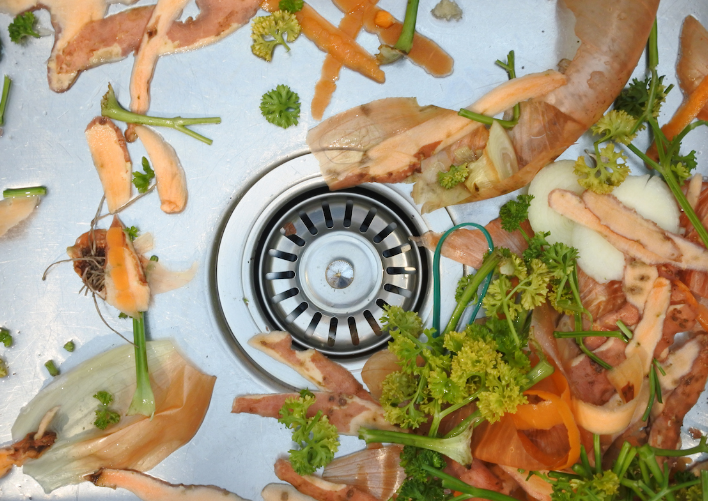
Conclusion
In conclusion, converting kitchen waste into fertilizer is by no means a difficult task; rather, it is an environmental protection initiative that everyone can participate in. This not only reduces the amount of waste sent to landfills, saving you the cost of purchasing fertilizers and nutrient soil, but more importantly, it enables you to reconnect with the natural cycle and personally experience the profound concept that waste is a resource in the wrong place. Today, start with a compost bin or a box of small earthworms and take the first step towards turning kitchen waste into fertilizer, adding a green sense of achievement to your life and reducing the burden on the Earth.
For more details, please feel free to contact us.
Email: sales@lanesvc.com
Contact number: +8613526470520
Whatsapp: +8613526470520
Get A Quote