

Introduction
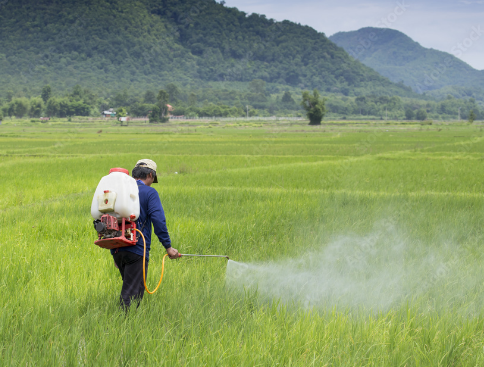
Brazil is one of the world’s largest agricultural producers, with strong demand for efficient and sustainable fertilization solutions. In recent years, liquid fertilizer for agriculture in Brazil has gained significant attention due to its fast nutrient availability, uniform application, and compatibility with modern irrigation systems. As farms scale up and precision agriculture becomes more common, liquid fertilizer production technology is playing an increasingly important role.
This article explores the production process, key technologies, and essential equipment used in liquid fertilizer manufacturing, with a focus on feeding, dissolving, chelation, and filling.
Why Liquid Fertilizer Is Growing Rapidly in Brazil
The Brazilian agricultural sector covers vast areas of soybeans, corn, sugarcane, coffee, and horticultural crops. Compared with granular products, liquid fertilizer for agriculture in Brazil offers several advantages:
-
Faster nutrient absorption by crops
-
Uniform nutrient distribution
-
Easy combination with irrigation and spraying systems
-
Flexible formulation for different soil and crop needs
These benefits make liquid fertilizer particularly suitable for Brazil’s large-scale farms and diverse climatic conditions.
Overview of Liquid Fertilizer Production Technology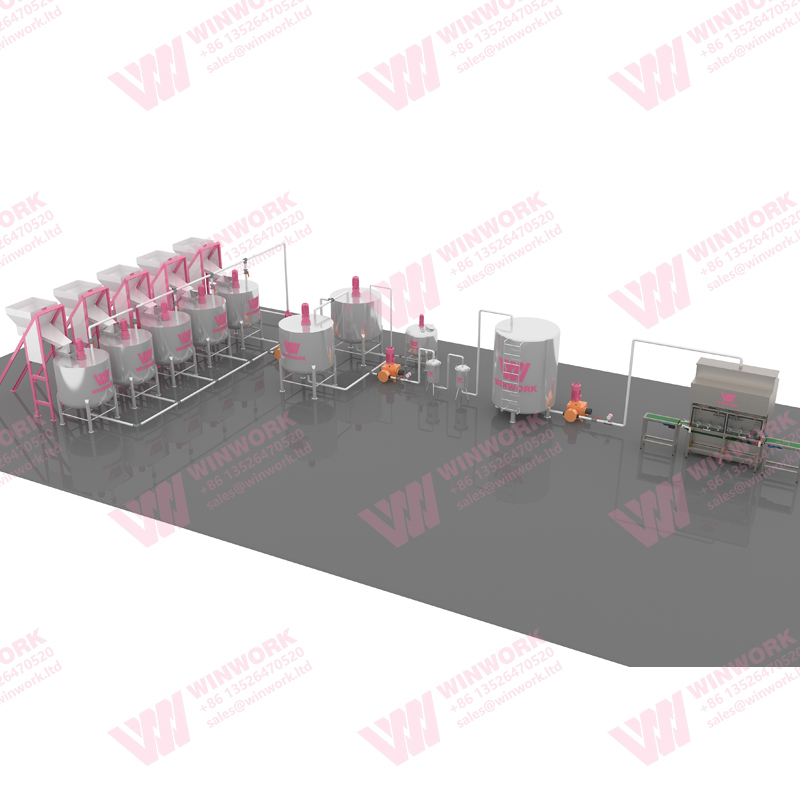
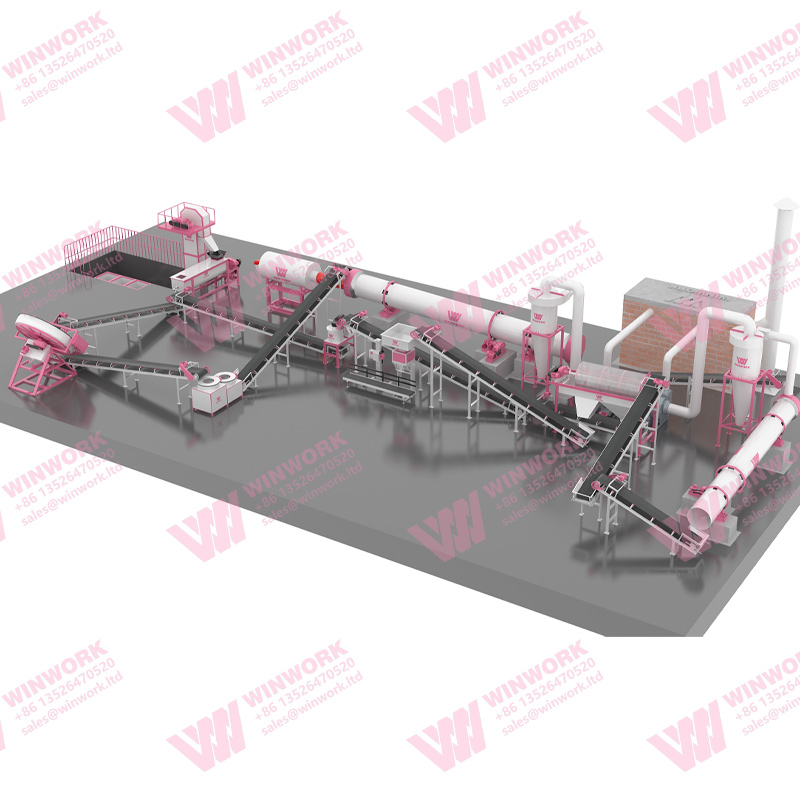
A modern liquid fertilizer plant is designed to ensure accurate formulation, stable product quality, and efficient output. The production of liquid fertilizer for agriculture in Brazil mainly includes four core stages:
-
Feeding
-
Dissolving
-
Chelation
-
Filling
Each step requires specific equipment and strict process control to guarantee a high-quality final product.
Feeding System: Accurate and Stable Raw Material Input
The feeding stage is the foundation of the entire production line. Solid raw materials such as urea, potassium salts, trace elements, or water-soluble powders must be accurately measured and fed into the system.
In liquid fertilizer plants serving liquid fertilizer for agriculture in Brazil, feeding systems usually include:
-
Screw feeders or belt feeders for solid materials
-
Metering pumps for liquid additives
-
Automatic weighing and dosing units
Accurate feeding ensures nutrient ratios meet formulation requirements, which is critical for producing consistent fertilizer products for different crops and regions.
Dissolving Process: Creating a Uniform Nutrient Solution
Once raw materials are fed into the system, they move to the dissolving stage. Dissolving tanks are designed to mix solids with water efficiently, forming a homogeneous nutrient solution.
Key features of dissolving equipment used in liquid fertilizer for agriculture in Brazil include:
-
High-speed or variable-speed agitators
-
Heating systems (optional) to accelerate dissolution
Proper dissolving prevents sedimentation, clogging, and uneven nutrient distribution, which is essential for liquid fertilizers used in spraying and fertigation systems.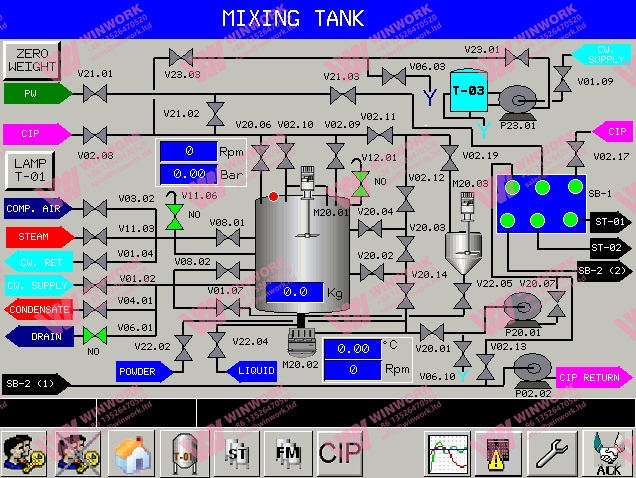
Chelation Technology: Enhancing Nutrient Availability
Chelation is one of the most critical steps in producing high-performance liquid fertilizers. During this process, micronutrients such as iron, zinc, manganese, and copper are chemically bonded with chelating agents.
For liquid fertilizer for agriculture in Brazil, chelation offers major benefits:
-
Improved nutrient stability in solution
-
Higher absorption efficiency by plant roots and leaves
-
Reduced nutrient loss in alkaline or acidic soils
Chelation reactors are typically equipped with precise temperature control, pH monitoring, and controlled reaction times to ensure complete and stable chelation.
Filling and Packaging: Ensuring Product Quality and Safety
After chelation and final adjustment, the finished liquid fertilizer is transferred to the filling section. Filling systems are designed for efficiency, accuracy, and cleanliness.
Common filling equipment for liquid fertilizer for agriculture in Brazil includes:
-
Automatic or semi-automatic filling machines
-
Bottle, drum, or IBC filling options
-
Anti-corrosion pumps and pipelines
Accurate filling reduces product loss and ensures consistent volume, which is important for both domestic distribution and export markets.
Automation and Quality Control in Liquid Fertilizer Plants
Modern production lines increasingly adopt automation to improve efficiency and reduce labor costs. Automated systems allow real-time monitoring of feeding ratios, dissolving speed, chelation parameters, and filling volumes.
For manufacturers targeting liquid fertilizer for agriculture in Brazil, quality control systems typically involve:
-
Online concentration and pH monitoring
-
Batch record tracking
-
Final product sampling and testing
These measures help ensure that each batch meets agricultural standards and customer expectations.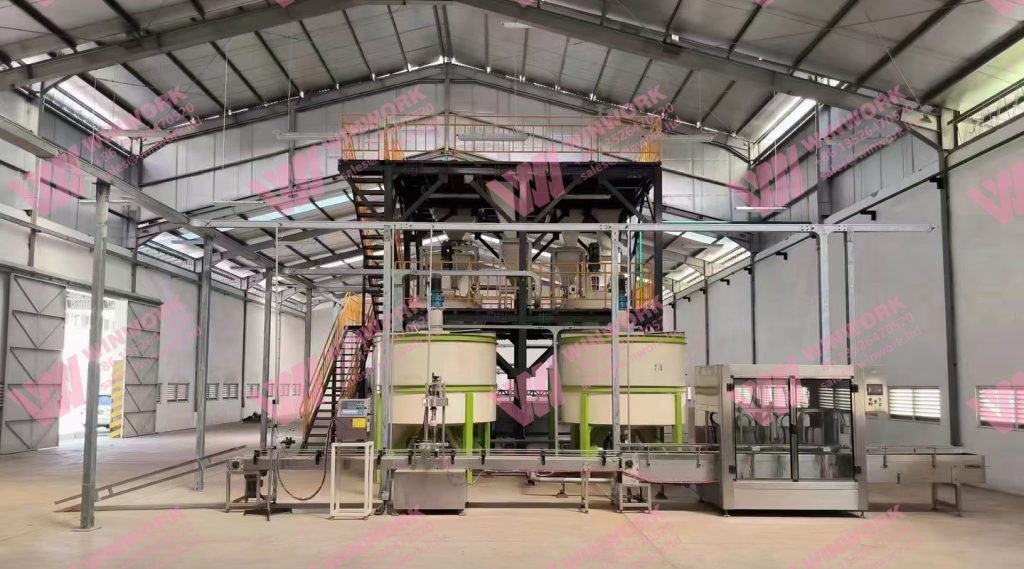
Equipment Selection for the Brazilian Market
When selecting equipment for producing liquid fertilizer for agriculture in Brazil, manufacturers should consider:
-
Local raw material availability
-
Climate conditions affecting storage and transportation
-
Required production capacity (small, medium, or industrial scale)
-
Compliance with environmental and safety regulations
Flexible equipment configurations allow producers to adjust formulations for different crops and regional soil conditions.
Future Outlook for Liquid Fertilizer in Brazil
As Brazilian agriculture continues to modernize, demand for customized and efficient fertilization solutions will keep growing. Liquid fertilizer for agriculture in Brazil is expected to see long-term expansion, driven by precision farming, sustainability goals, and higher yield requirements.
Producers who invest in reliable production technology and advanced equipment will be better positioned to serve this expanding market.
Conclusion about Liquid Fertilizer for Agriculture in Brazil
The production of liquid fertilizer for agriculture in Brazil relies on a well-designed process that integrates feeding, dissolving, chelation, and filling. Each step plays a vital role in ensuring product stability, nutrient efficiency, and market competitiveness.
By adopting suitable production technology and high-quality equipment, manufacturers can meet the evolving needs of Brazil’s agricultural sector and build a strong foundation for long-term growth.
For more details, please feel free to contact us.
Email: sales@lanesvc.com
Contact number: +8613526470520
Whatsapp: +8613526470520
Get A Quote