

Introduction
For livestock farms, agricultural investors, and fertilizer producers, animal manure is no longer just waste—it is a valuable raw material. With increasing demand for organic fertilizer worldwide, more customers are choosing to invest in a livestock manure fertilizer production line to convert chicken, pig, cow, and sheep manure into marketable fertilizer products.
Compared with traditional composting, a professional production line offers higher output, consistent quality, and scalable production, making it an ideal choice for commercial fertilizer manufacturing projects.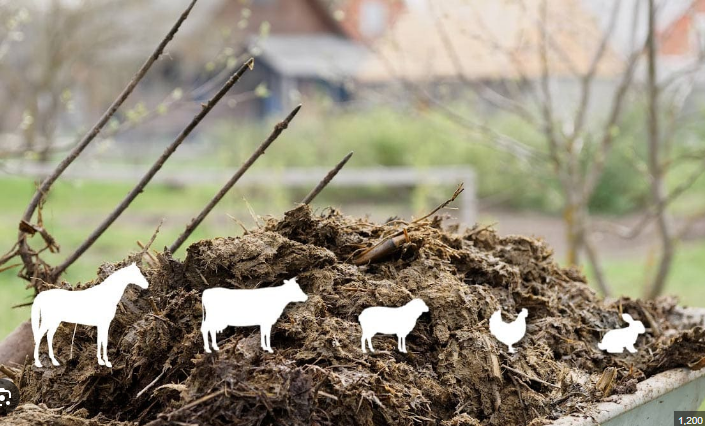
Why Invest in a Livestock Manure Fertilizer Production Line?
Purchasing a livestock manure fertilizer production line allows customers to establish a complete organic fertilizer manufacturing system with clear economic benefits.
First, livestock manure is widely available and low-cost. Farms and surrounding agricultural areas provide stable raw material sources, significantly reducing production expenses. Second, organic fertilizer has a growing market, especially in regions promoting sustainable and soil-friendly farming practices.
In addition, modern fertilizer production lines are designed for continuous operation, helping buyers achieve stable production capacity and predictable returns on investment.
Suitable Raw Materials for Fertilizer Production
A livestock manure fertilizer production line can process various organic materials commonly used in fertilizer manufacturing, including:
- Chicken manure with high nitrogen content
- Pig manure suitable for balanced organic fertilizer formulas
- Cow and cattle manure rich in organic fiber
- Sheep manure ideal for granular fertilizer production
- Crop residues such as straw, rice husks, and sawdust
By adjusting material ratios, producers can manufacture different fertilizer formulations to meet local market demand.
Production Process Designed for Fertilizer Manufacturers
A commercial livestock manure fertilizer production line is designed around efficient fertilizer output rather than simple waste disposal.
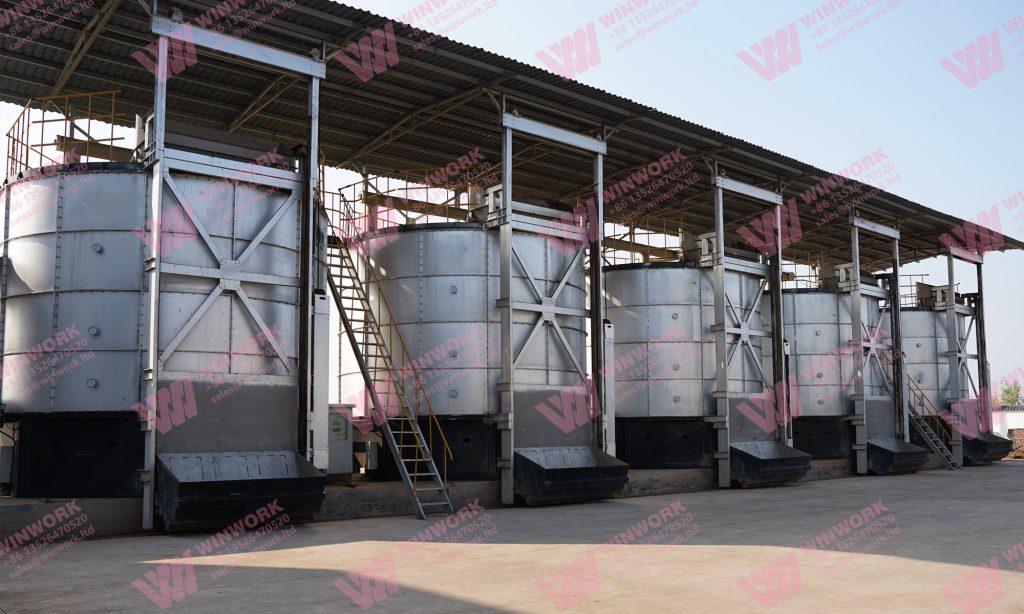
Fermentation System
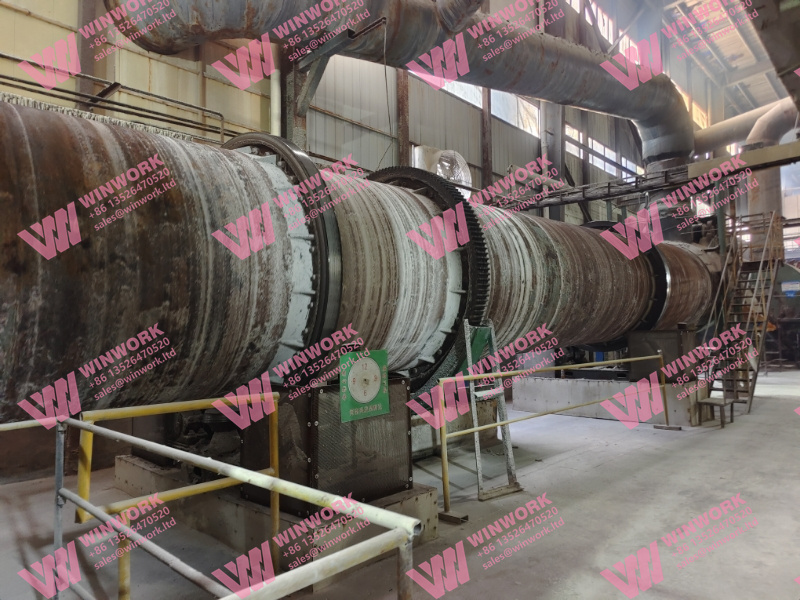
The fermentation process ensures manure is fully decomposed, eliminating pathogens and odors. This step is essential for producing safe, high-quality organic fertilizer.
Crushing and Mixing
Fermented materials are crushed and evenly mixed with additives such as humic acid or microbial agents to improve fertilizer performance and nutrient availability.
Granulation and Pelletizing
Granulation transforms powdered material into uniform fertilizer pellets, improving product appearance, storage convenience, and market competitiveness.
Drying, Cooling, and Screening
Drying and cooling systems ensure fertilizer granules meet moisture standards, while screening guarantees consistent particle size for commercial sale.
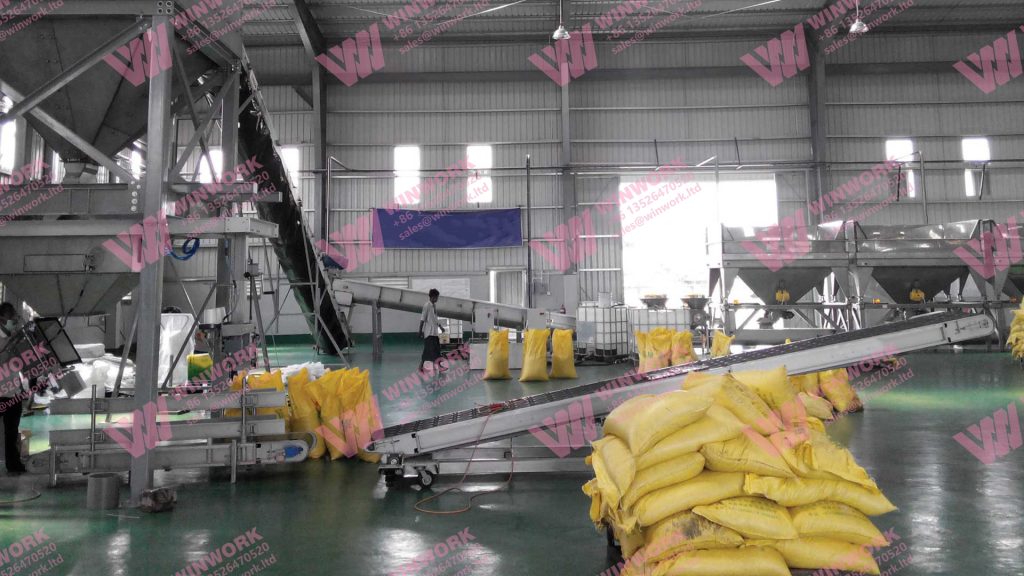
Packaging
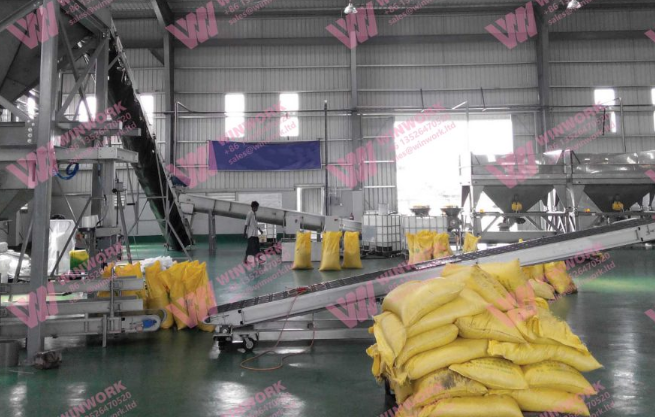
Finished fertilizer is packaged according to market requirements, ready for distribution.
Equipment Configuration and Customization
One major advantage of investing in a livestock manure fertilizer production line is customization. Production capacity can range from small-scale lines for local markets to large-scale industrial fertilizer plants.
Buyers can select:
- Fully automatic or semi-automatic systems
- Different granulation technologies
- Energy-saving drying solutions
- Optional dust and odor control systems
Professional manufacturers can design a production line based on available space, raw material conditions, and target output.
Economic Benefits for Fertilizer Producers
From a business perspective, a livestock manure fertilizer production line offers strong profitability. Low-cost raw materials combined with increasing organic fertilizer prices create favorable margins.
Producers can sell fertilizer in powder or granular form, supply local farms, or expand into branded organic fertilizer markets. In many regions, organic fertilizer production also qualifies for agricultural subsidies or environmental incentives, further improving investment returns.
Application Markets for Organic Fertilizer
Fertilizer produced by a livestock manure fertilizer production line is widely used in:
- Field crops and cash crops
- Fruit orchards and vineyards
- Vegetable farms and greenhouses
- Soil improvement and land reclamation projects
This wide application range ensures stable demand and long-term market potential.
How to Choose the Right Production Line Supplier
When planning to purchase a livestock manure fertilizer production line, buyers should focus on:
- Manufacturer experience and project cases
- Equipment quality and after-sales service
- Customization capability
- Installation and technical support
- Long-term maintenance availability
Choosing a reliable supplier is critical to ensuring stable fertilizer production and operational efficiency.
Frequently Asked Questions (FAQ) About Livestock Manure Fertilizer Production Line
1. What production capacity can a livestock manure fertilizer production line achieve?
Production capacity varies based on configuration and equipment size. Lines can range from small-scale systems processing a few tons per day to industrial plants producing tens of thousands of tons annually.
2. Can one production line process different types of manure?
Yes. A livestock manure fertilizer production line can process chicken, pig, cow, and sheep manure either separately or in mixed formulations, depending on raw material availability.
3. Is the fertilizer produced safe for crops?
After proper fermentation and processing, the fertilizer is pathogen-free, odorless, and safe for agricultural use, meeting organic fertilizer standards.
4. How automated is the production line?
Customers can choose semi-automatic or fully automatic systems based on budget and labor availability. Fully automatic lines reduce labor costs and improve production efficiency.
Conclusion
For customers planning to enter or expand fertilizer manufacturing, a livestock manure fertilizer production line is a practical and profitable investment. It enables efficient use of livestock manure, stable fertilizer production, and strong market competitiveness. With the right equipment configuration and supplier support, buyers can build a sustainable fertilizer business with long-term growth potential.
For more details, please feel free to contact us.
Email: sales@lanesvc.com
Contact number: +86 13526470520
Whatsapp: +86 13526470520

Get A Quote