

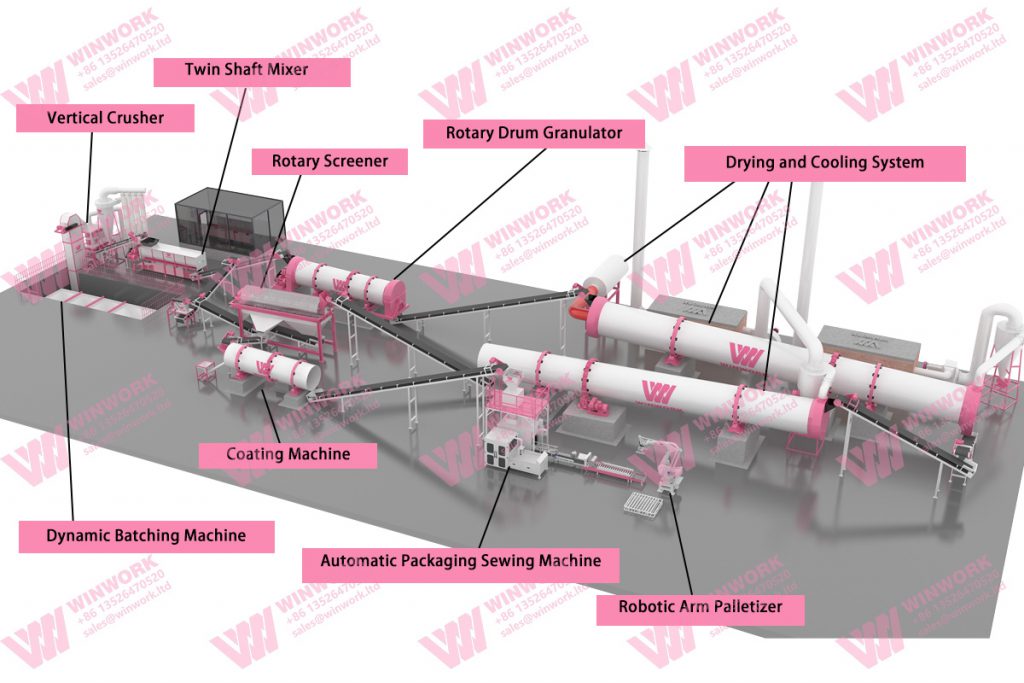
Amid the global trends of green manufacturing and low‑carbon production, material conveyors have become vital supporting equipment in drying production lines, significantly improving drying efficiency, stabilizing product quality, and reducing energy consumption in industries such as fertilizers, feed, chemicals, and food. This press release systematically introduces what material conveyors are, common types, core advantages, and answers frequently asked questions, helping the industry understand the indispensable role of material conveyors in optimizing drying processes, minimizing heat loss, and enabling intelligent control.
As market demand for high‑quality dried products continues to grow, relying solely on main drying equipment is no longer sufficient to achieve efficient, uniform, and low‑energy production. In this context, conveyors, acting as the right‑hand partner of the main dryer, take charge of precise transportation, distribution, and pre‑processing of materials, making the drying process more uniform and energy‑efficient. conveyors not only perform material handling tasks but also ensure continuous and stable feeding and discharging, allowing hot air and material inside the dryer to interact thoroughly, thereby enhancing overall drying performance. Whether in the production of organic fertilizer granules, bio‑feed, or chemical powders, properly configured material conveyors enable smoother, more energy‑saving, and controllable drying line operation.
What Are Material Conveyors?
conveyors refer to conveying devices that operate alongside main drying equipment to continuously and evenly deliver raw materials from storage areas into the dryer, and transport dried finished products to cooling, packaging, or other subsequent stages. They do not perform drying themselves but work together with the main dryer to form a complete material flow chain. Common conveyors include belt conveyors, screw conveyors, and vibrating feeders, which play essential roles in continuous feeding, preventing blockages, and maintaining drying uniformity.
For example, in an organic fertilizer drying line, pre‑processed raw materials are fed into the dryer inlet by material conveyors; after drying, the finished products are conveyed by another set of conveyors to screening or packaging stations. This eliminates the need for frequent manual handling, significantly reducing labor intensity and cross‑contamination risks.
Common Types of Material Conveyors
Belt conveyor is a kind of friction-driven machinery to transport materials in a continuous way.
It is mainly composed of frame, conveyor belt, rollers, drum, tensioning device, transmission device and so on.
Belt conveyor can form a kind of material conveying process from the initial feeding point to the final unloading point on a certain conveying line.
It can not only carry out the transportation of broken materials, but also can carry out the transportation of pieces of goods.
In addition to pure material transportation, but also with the requirements of the production process in the production process of various industrial enterprises to form a rhythmic flow of transportation line. It is an important transportation tool indispensable for realizing the automated mass production of fertilizer production line.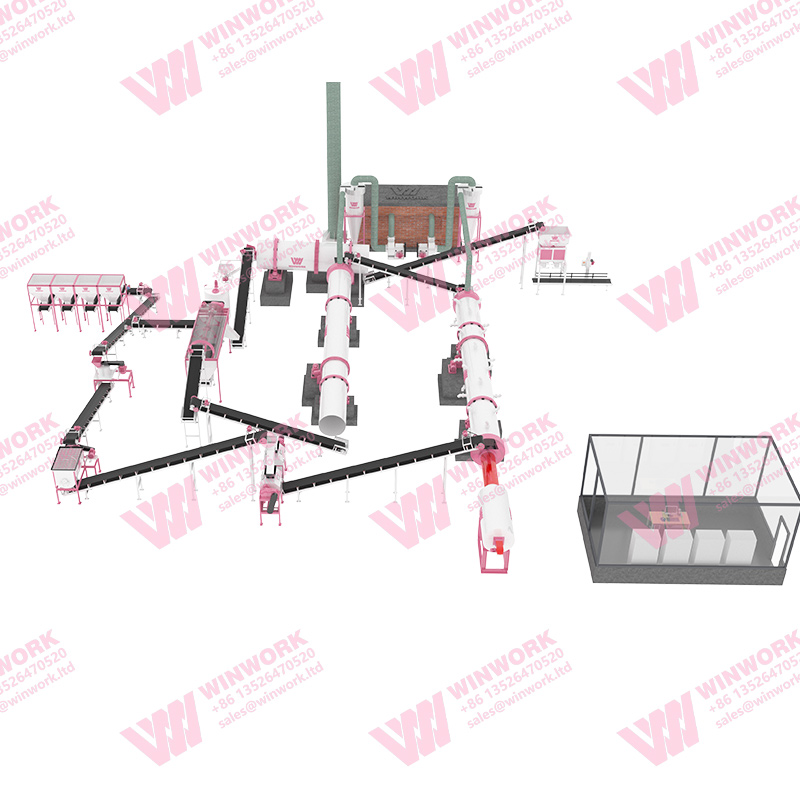
Large inclination belt conveyor is a kind of continuous conveying equipment for conveying materials with large inclination angle or vertical direction. Besides being commonly used in fertilizer production line, it is also widely used in mining, electric power, metallurgy, chemical industry, etc. It is especially suitable for conveying bulk materials and lump materials.
It can effectively solve the problem that traditional conveying equipment can not convey materials with large inclination angle, and improve the conveying efficiency and conveying height of materials.
For conveying site has the limitation of assembly line production, large inclination belt conveyor is a good choice.
Bucket elevator is the use of uniformly fixed on the endless traction members of a series of hoppers, vertical lifting of materials, continuous conveying machinery, bucket elevator using a series of fixed in the traction chain or the tape on the hopper on the vertical or near vertical direction up to the transport of the bucket materials.
Also, there is also some dryers connect with these material conveyors.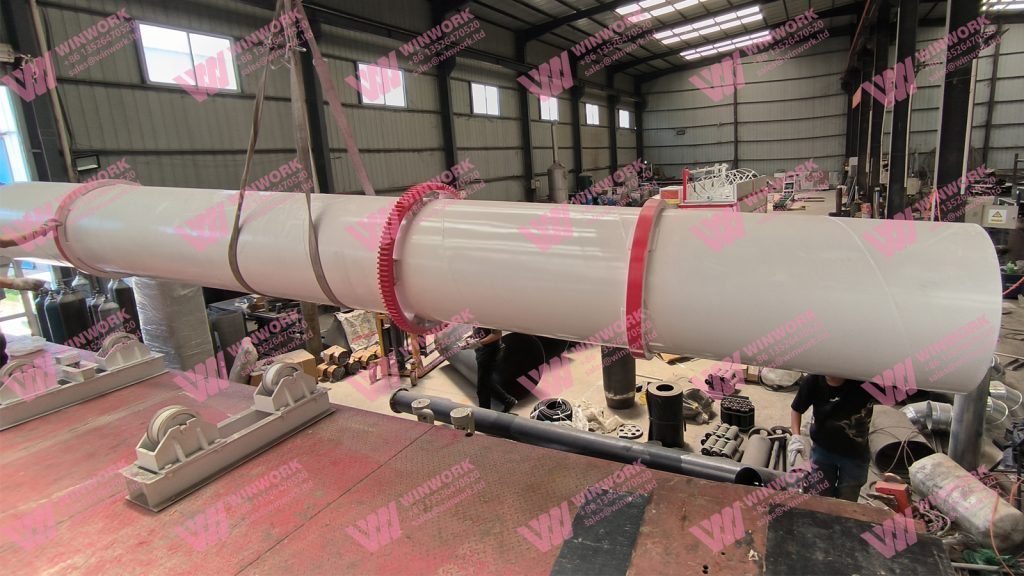
Core Advantages of Material Conveyors
Improved Drying Uniformity: Continuous and precise feeding by material conveyors prevents material accumulation or starvation, allowing hot air and material to contact more fully, improving drying uniformity by over 20%.
Significant Energy Savings: A steady material flow balances the dryer’s thermal load, reducing energy waste from frequent starts and stops — a key reason material conveyors are essential in energy‑saving drying lines.
Reduced Dust and Environmental Pollution: Enclosed conveyors effectively suppress dust emissions and, combined with dust removal equipment, help meet emission standards.
Flexibility for Various Materials and Processes: Modular conveyors allow quick part replacement or path expansion to meet different material characteristics and capacity requirements.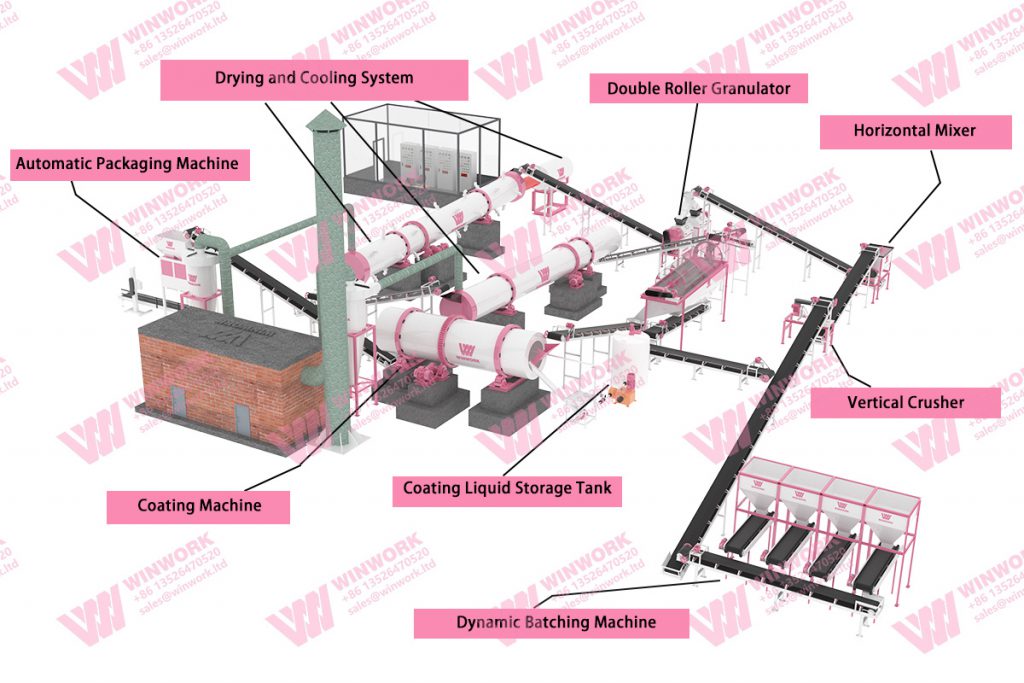
Selection and Maintenance Tips for Material Conveyors
Selection should consider material characteristics (particle size, moisture, stickiness), conveying distance and height, dryer interface type, and site space. When conveying high‑moisture, sticky materials, conveyors such as vibrating feeders with anti‑stick coated belts are preferred; for fine powders, enclosed pneumatic conveyors are recommended to minimize dust. Maintenance involves regular cleaning of conveyor surfaces, inspecting screw blade wear, lubricating bearings, and calibrating sensors to ensure long‑term stable operation of conveyors.
FAQ – Frequently Asked Questions and Answers
Q1: Must conveyors be used together with the main dryer?
A1: Although the main dryer can run alone, lacking material conveyors leads to uneven feeding, higher energy use, and quality fluctuations. Using them together maximizes system performance.
Q2: How much energy can conveyors save?
A2: Properly configured material conveyors can reduce drying line energy consumption by 15%–30% by balancing thermal load, depending on material and operating conditions.
Q3: Do conveyors increase system complexity?
A3: Modular conveyors are easy to install, and with intelligent control they simplify operation, ultimately reducing management difficulty.
Q4: Can material conveyors be used in low‑temperature drying?
A4: Yes, by adjusting feeding speed and uniformity, material conveyors can coordinate with low‑temperature drying processes to protect heat‑sensitive materials.
Q5: Is maintenance cost for conveyors high?
A5: Routine maintenance mainly involves cleaning and inspection, with controllable costs; the energy and quality benefits from conveyors far outweigh maintenance expenses.
Conclusion
As the material scheduling hub of drying systems, material conveyors are rapidly evolving toward intelligent, modular, and low‑energy designs. In the future, conveyors integrated with AI algorithms and digital twins will enable more precise flow control and energy optimization, working in deep coordination with main dryers to build a green, low‑carbon drying ecosystem. For fertilizer, feed, and chemical enterprises, investing in advanced material conveyors is a strategic choice to boost competitiveness and achieve sustainable development.
As the key equipment for optimizing drying processes, reducing energy consumption, and ensuring quality, material conveyors play a significant role in improving drying uniformity, stability, environmental performance, and automation. The keyword conveyors appears frequently, underscoring its central role in modern drying production lines. With continuous technological advancement and broader application, conveyors are bound to deliver even greater value in global fertilizer, feed, chemical, and food industries, helping businesses move toward an efficient, intelligent, and sustainable future.
For more details, please feel free to contact us.
Email: sales@lanesvc.com
Contact number: +8613526470520
Whatsapp: +8613526470520
Get A Quote