

Introduction
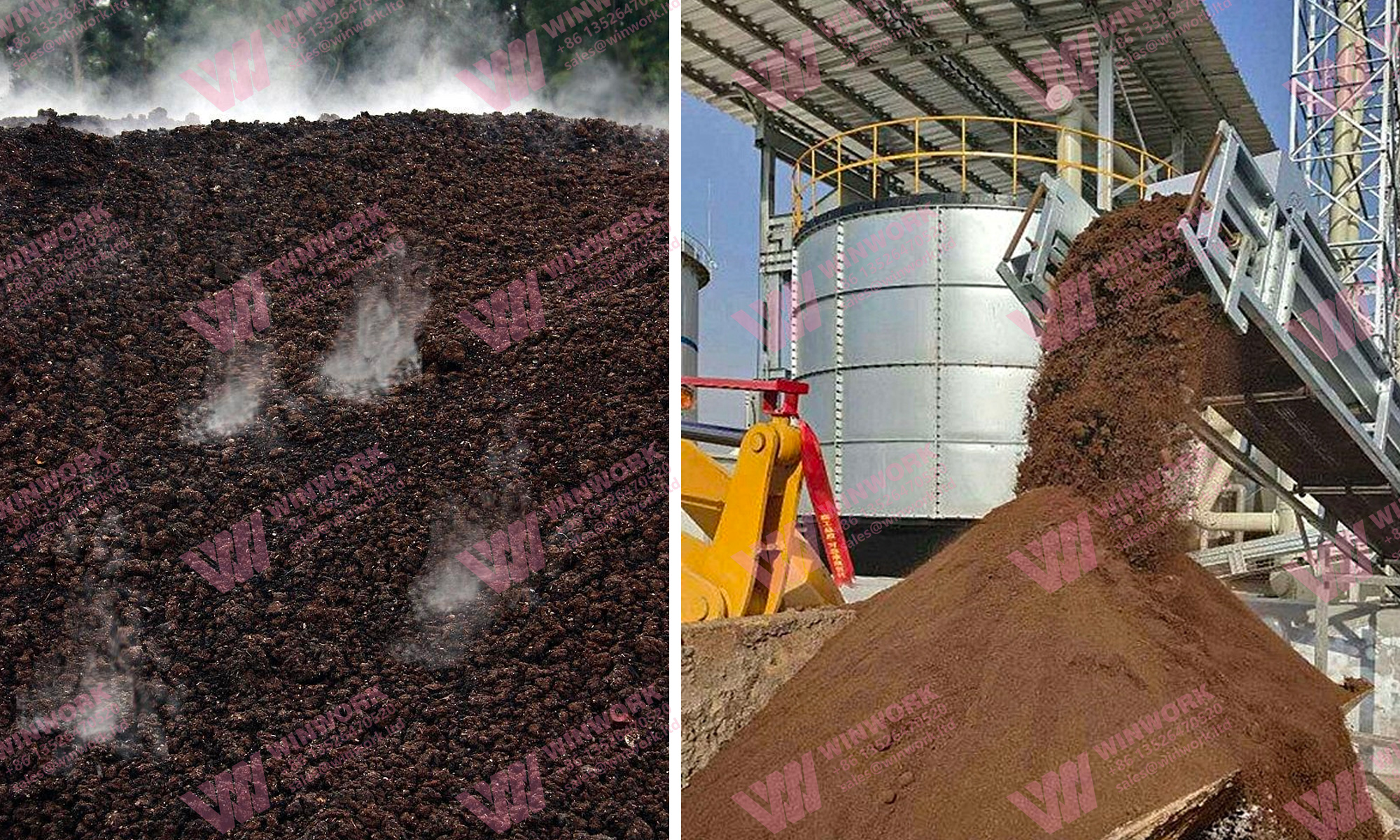
Walk into any traditional chicken farm, and the first thing you notice is the smell. For decades, farmers have struggled with mountains of chicken manure—paying to have it hauled away or letting it seep into the groundwater. But today, a new method to treat chicken manure is transforming this liability into an asset.
This isn’t just about cleaning up; it’s about creating a circular economy right on your farm. By adopting this method to treat chicken manure, you can cut energy costs, produce your own fertilizer, and even generate a new income stream.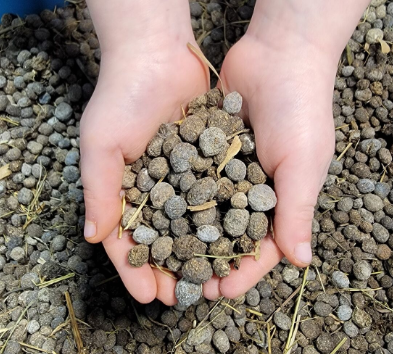
Why This Method to Treat Chicken Manure Matters
The old way of handling waste is expensive and risky. Environmental fines are increasing, and fertilizer prices are skyrocketing. The modern method to treat chicken manure solves both problems through anaerobic fermentation.
Instead of seeing manure as trash, we treat it as a resource containing two valuable products: biogas (energy) and high-quality organic fertilizer. This approach moves your farm toward energy independence and nutrient self-sufficiency. It is a smart method to treat chicken manure.
The Step-by-Step Method to Treat Chicken Manure
The chicken manure fertilizer production line is a complete production system that uses fresh chicken manure as raw material, processes it through a series of processing procedures, and ultimately produces natural organic chicken manure fertilizer.
The process of chicken manure fertilizer production line is divided into two main steps: initial fermentation and pretreatment stage, and deep processing granulation stage. It is a smart method to treat chicken manure.
In order to complete these steps, bio organic fertilizer production equipment needs to include fermentation turntables, organic fertilizer crushers, drum screening machines, horizontal mixers, disc granulators, rotary dryers, coolers, screening machines, coating machines, packaging machines, and conveyors.
This process is straightforward and can be broken down into three simple stages:
Collection and Separation
The first rule of an effective method to treat chicken manure is to keep it dry. Use conveyor belts or scraper systems to collect manure quickly, minimizing urine contamination. For wet manure, a Solid-Liquid Separator is essential. This machine squeezes the manure, separating the solid “cake” from the liquid “slurry.” The solids are perfect for making pellets, while the liquid can be sent to a biogas digester.
Anaerobic Digestion (The Core)
This is the heart of the method to treat chicken manure. You pump the manure (ideally 70% moisture) into a sealed Anaerobic Digester Tank. Inside, bacteria break down the waste without oxygen, generating methane-rich biogas. This process is completely odorless because the tank is sealed tight. The gas is stored in a Double-Membrane Gas Holder.
Make Chicken Manure into Fertilizers
Refining the Byproducts
Once the digestion is complete, you have two products:
Biogas: Pipe this directly to a Biogas Generator to produce electricity, or use it in a boiler to heat your chicken coops. This drastically cuts your utility bills.
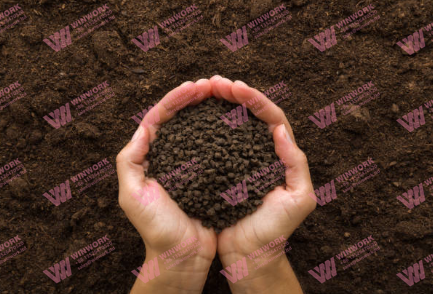
Digestate: The leftover material is a stabilized, nutrient-rich fertilizer. Use a Compost Turner to aerate it one last time, then feed it into a Flat Die Pelletizer. The result is uniform, easy-to-bag fertilizer pellets that sell for a premium price. It is a smart method to treat chicken manure.
Equipment for the Job
You don’t need a million-dollar budget to start this method to treat chicken manure. Here are the essentials:
Manure Conveyor/Scraper: Saves labor and keeps manure clean.
Belt conveyor is an efficient and low-energy equipment that transports materials through infinite motion fixed on a circular conveyor belt. It is widely used in multiple industries and is an indispensable transportation tool for achieving automated batch production of fertilizer production lines. It is a smart method to treat chicken manure.
It can be used for horizontal or inclined transportation, and is very convenient to use. According to the requirements of the conveying process, it can be transported by a single unit, or it can be composed of multiple units or with other conveying equipment to form a horizontal or inclined conveying system to meet the needs of different forms of production lines. It is a smart method to treat chicken manure.
Solid-Liquid Separator: Crucial for processing wet manure efficiently ($1,500–$3,000).
Anaerobic Digester Tank: The core investment. A small, insulated 20m³ tank is enough for a medium farm ($8,000–$20,000).
The Horizontal Fermentation Tank is a state-of-the-art equipment designed for the effective aerobic fermentation of organic waste, agricultural residues, sludge, and other compostable materials. Unlike vertical tanks, the horizontal design allows for larger capacity and more uniform fermentation.
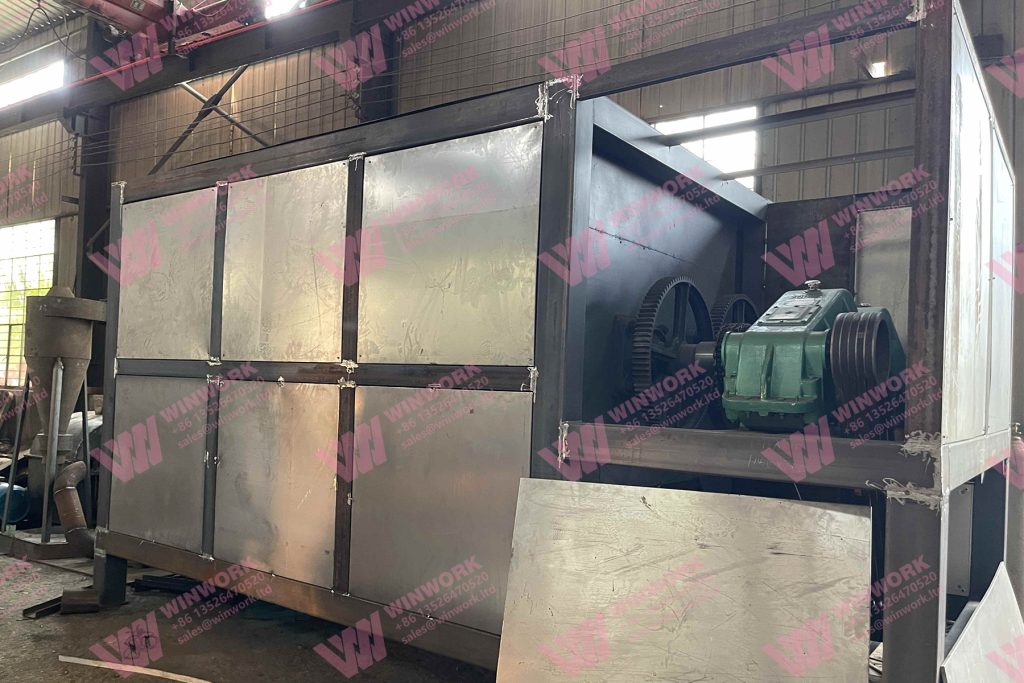
The Horizontal Fermentation Tank is widely used in the production of organic fertilizers and compost, offering numerous advantages in terms of efficiency, control, and environmental impact. It is a smart method to treat chicken manure.
Crawler compost turner is an advanced compost turning equipment, specially designed for compost fermentation process, with the advantages of high efficiency, stability, easy operation and so on.
Crawler compost tumbler realizes automatic operation through crawler walking system, which is the necessary equipment for producing organic fertilizer granules and widely used in organic fertilizer production line.
Crawler compost turner can not only quickly improve the fermentation efficiency of materials, but also effectively improve the quality of compost, is the first choice of modern compost production equipment.
Biogas Generator: Converts gas into power. A used diesel generator can often be converted cheaply.
Pelletizer: Turns waste into a marketable product ($2,000–$4,000).
Rotary Drum and Churning two-in-one granulator is a kind of high-efficiency equipment integrating rotary drum granulator and churning tooth granulator, which is widely used in fertilizer production line.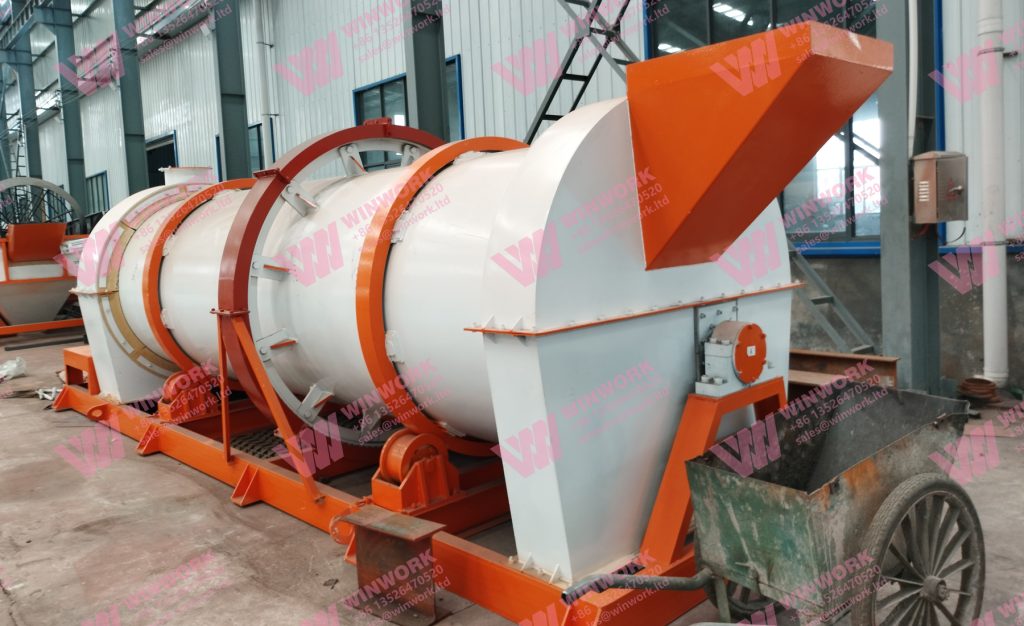
Rotary Drum and Churning two-in-one granulator combines the advantages of rotary drum granulator and stirring tooth granulator, featuring fast granulation speed, even granules, smooth operation, low energy consumption and long service life.
Two-in-one granulator is suitable for cold and hot granulation as well as large-scale production of high, medium and low concentration compound fertilizers, which is the ideal choice for modern agriculture and industry to improve the efficiency and quality of fertilizer production. It is a smart method to treat chicken manure.
Review the Process
The production process of the chicken manure fertilizer production line mainly includes steps such as raw material selection, drying and sterilization, ingredient mixing, granulation, cooling and screening, metering and sealing, and finished product storage.
Crush and mix the raw materials
Use the batching bin to crush, batch and mix the composted materials, inorganic fertilizers such as N, P, K and other additives in a certain proportion through the material crusher and horizontal mixer. According to years of experience, a vertical crusher can be used, which is not easy to stick to the wall and not easy to clog, and improves the crushing performance.
Organic fertilizer granulation
Mix the crushed ingredients and make them into granules. Granulation uses a new type of organic fertilizer granulator, which has wide requirements for raw material density and raw material moisture, and the raw materials do not need to be dried; the granule formation rate is high, the finished granules have a uniform appearance and are not easy to break.
Screening and material return system
The granules output from the granulation molding system have certain differences in particle size and need to be screened and graded. A rotary screening machine can be selected, which has low vibration, low noise, convenient net change, and is equipped with a screen surface cleaning device.
Finished product system
Drying: Use an organic fertilizer dryer to further remove moisture from the screened particles to meet the standard requirements for organic fertilizer moisture content.
Cooling: Cooling the granular materials with a cooler is beneficial to the storage and quality assurance of the granules. The hot granular materials output from the dryer enter the cooler. After cooling, the difference between the granular temperature and the ambient temperature is less than 5°C.
Packaging: The cooled granular materials are transported to the finished product warehouse through a bucket elevator, and the granular materials are quantitatively weighed and packaged by an automatic packaging scale.
The above process stages and fermentation methods are used to realize the harmless disposal of chicken manure, so as to make environmentally friendly, nutrient-rich, and up-to-standard chicken manure organic fertilizer. It is a smart method to treat chicken manure.
Real Farm Example
Mr. Zhang, a farmer in Hebei, raises 10,000 laying hens. He used to pay $150 a month just to have his manure trucked away. Last year, he implemented a method to treat chicken manure by installing a $12,000 anaerobic digester system. The results were immediate:
His heating bill for the coop dropped to nearly zero.
He stopped buying chemical fertilizers entirely.
He sold $3,000 worth of fertilizer pellets to a local orchard.
Within 10 months, the system paid for itself. “This method to treat chicken manure saved my farm,” Zhang says. “It’s the smartest investment I ever made.”
FAQ: Your Questions About the Method to Treat Chicken Manure Answered
Q1: Is this method to treat chicken manure complicated to operate?
A: Not at all. Once the digester is running, it’s mostly automated. You just add manure and collect the gas. Most farmers learn the routine in a single afternoon.
Q2: What if I don’t have enough chickens for a big digester?
A: The beauty of this method to treat chicken manure is scalability. Small farms can use a simple sealed bag system, which costs much less than a steel tank.
Q3: Does the biogas smell?
A: No. Raw manure smells terrible, but the anaerobic digestion process happens in a sealed tank, trapping the odors. The final fertilizer is earthy-smelling, not rotten.
Q4: Can I really make money?
A: Yes. The return on investment comes from three places: selling the fertilizer, selling excess electricity (if grid-tied), and saving money on heating, fuel, and chemical fertilizers.
Q5: What kind of maintenance is required?
A: The digester needs checking every few days to ensure the temperature is right. The generator needs oil changes, just like a car. It’s far less maintenance than a tractor.
Q6: Is it safe to store biogas?
A: Yes, as long as you follow basic safety rules. The gas holder should be placed away from open flames and in a well-ventilated area, just like a propane tank.
Q7: How long does the process take?
A: The anaerobic digestion process typically takes 20–30 days to fully break down the manure and produce gas.
Q8: Can I use this method for other animal waste?
A: Absolutely. While this article focuses on the method to treat chicken manure, the same equipment works perfectly for pig, cow, or duck manure.
Q9: Do I need a permit?
A: For small-scale, on-farm use, permits are usually not required. However, regulations vary by region, so it’s wise to check with your local agricultural office.
Q10: Where do I start?
A: Start by calculating how much manure you produce daily. That number will determine the size of the digester you need for your method to treat chicken manure.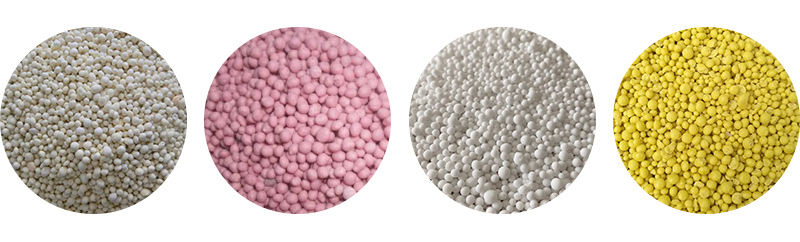
Conclusion
Stop thinking of chicken manure as a problem to be disposed of, and start treating it as a resource to be harvested. By implementing a smart method to treat chicken manure, you are not just cleaning up your farm—you are building a more resilient, profitable, and self-sufficient business. The equipment is affordable, the technology is proven, and the financial rewards are clear. Whether you have 500 chickens or 50,000, this method to treat chicken manure can transform your operation from the ground up.
Ultimately, adopting a smart method to treat chicken manure is about taking back control. It moves your farm from a linear “buy-input, create-waste” model to a circular one where waste simply doesn’t exist—it becomes the input. Imagine telling your neighbors that your farm runs on chicken poop, your heating bill is zero, and your soil is healthier than ever. That is the power of this method to treat chicken manure.
It is a practical, proven, and highly profitable strategy that proves you don’t need deep pockets to go green; you just need to think differently. The days of paying to get rid of manure are over. The time to start profiting from it is now.
For more details, please feel free to contact us.
Email: sales@lanesvc.com
Contact number: +8613526470520
Whatsapp: +8613526470520
Get A Quote