

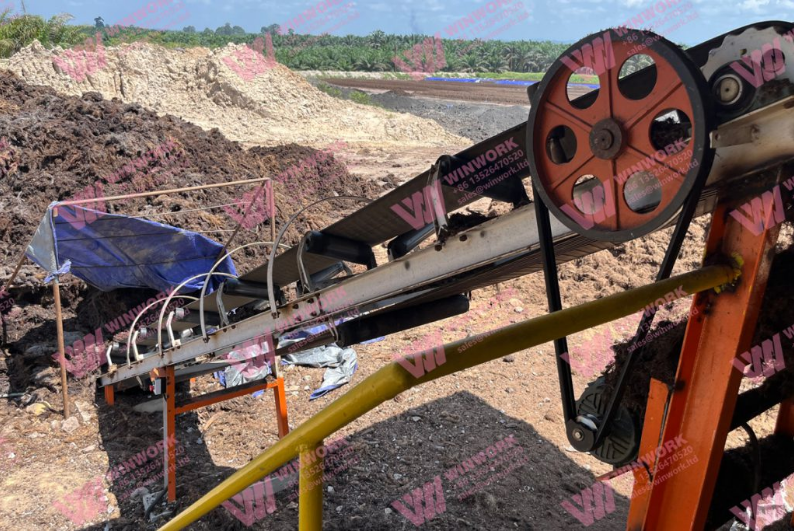
Introduction
Walk into any barn or composting area, and you’ll see the same problem: manure piles up faster than it breaks down. Traditional methods rely on time and physical labor, often leaving farmers waiting months for the magic to happen. But what if you could cut that time in half? The key isn’t a bigger machine; it’s understanding how microorganism gets manure decomposition started and accelerated. This isn’t science fiction; it’s the most powerful, low-cost tool available to any farmer. You may anxious about if there will be harmful for the manure fertilizer, the answer is exactly not.
The Core Idea: Microorganism Gets Manure Decomposition Rolling
At its heart, the process where a microorganism gets manure decomposition underway is a biological miracle. Manure is full of complex organic compounds—proteins, fats, cellulose. Microbes like bacteria, fungi, and actinomycetes eat these compounds for energy. As they multiply, they break the manure down into simpler substances: humus (stable organic matter), water, and heat. The heat is the proof that the microorganism gets manure decomposition working efficiently. The challenge for farmers is creating the perfect environment for these tiny workers to thrive.
How to Supercharge the Process: Helping the Microorganism Gets Manure Decomposition Faster
You can’t just toss manure in a pile and expect miracles. To ensure the microorganism gets manure decomposition done quickly and safely, you need to manage three things:
Balance the Diet (Carbon to Nitrogen Ratio)
Manure is high in Nitrogen (Greens). Microbes need Carbon (Browns) like straw, sawdust, or dried leaves. A ratio of 25-30 parts Carbon to 1 part Nitrogen is the sweet spot. Getting this ratio right is the first step to ensuring the microorganism gets manure decomposition started correctly.
This step is very important, most of the time you can just use some waste tools to finish this work, but if your scale is large, it is necessary for you to consider some machines to help you.
Horizontal mixer is a kind of high-efficiency mixing equipment widely used in chemical, pharmaceutical, food, building materials and other industries.
It is mainly used for mixing many kinds of materials evenly, especially suitable for mixing powdery and granular materials, and also suitable for adding liquid to the mixing process. Horizontal mixer has a compact structure, easy operation, high mixing efficiency, and can realize high quality uniform mixing in a short time, which is an indispensable equipment in fertilizer production line.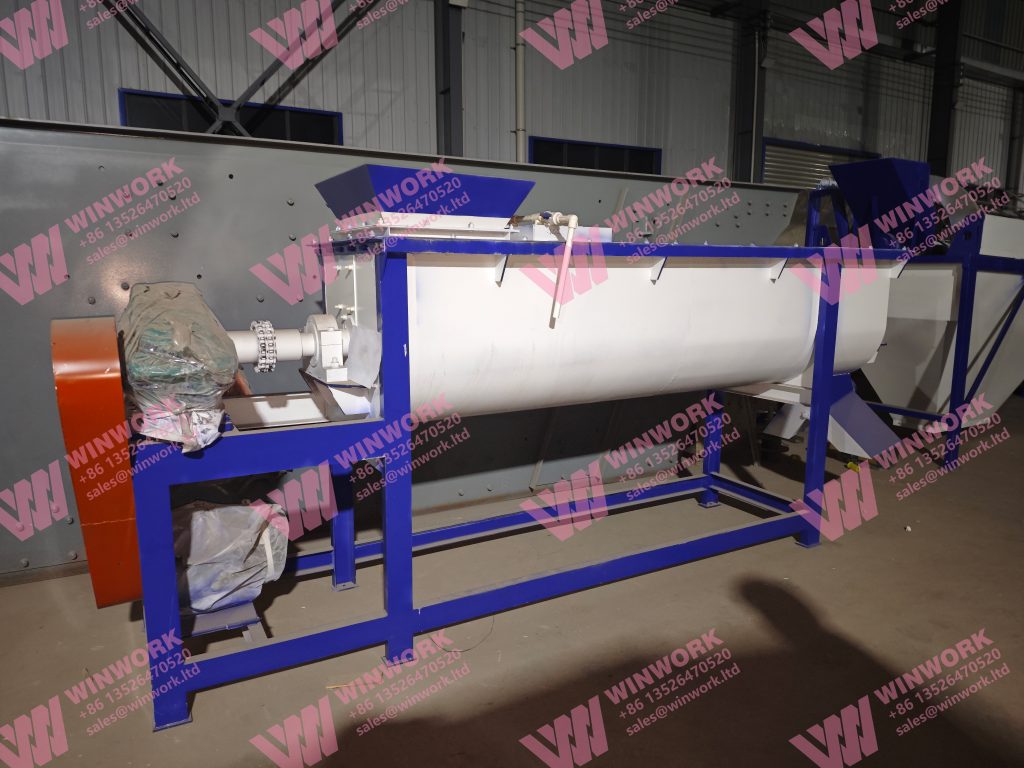
Keep Them Breathing (Aeration)
The best microbes for rapid composting are aerobic—they need oxygen. Without it, the pile goes anaerobic, smells terrible (rotten eggs), and the microorganism gets manure decomposition process slows to a crawl. This is where equipment comes in.
Add the Right Crew (Inoculants/Starters)
While native microbes will eventually start the job, adding a commercial microbial inoculant is like hiring a team of specialist contractors. These products ensure the microorganism gets manure decomposition kick-started, especially in cold weather or with tough materials.
Necessary Equipment
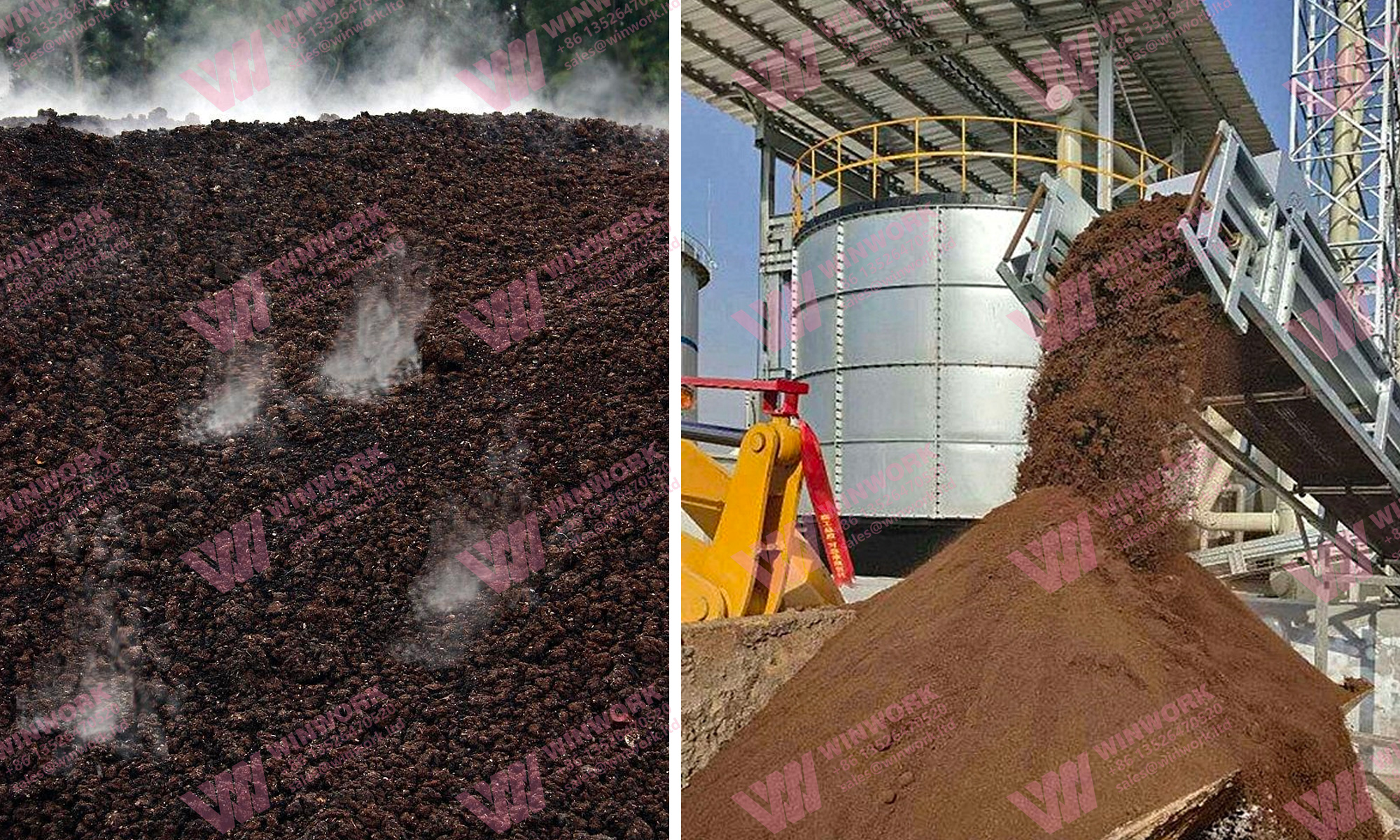
The Horizontal Fermentation Tank is a state-of-the-art equipment designed for the effective aerobic fermentation of organic waste, agricultural residues, sludge, and other compostable materials. Unlike vertical tanks, the horizontal design allows for larger capacity and more uniform fermentation.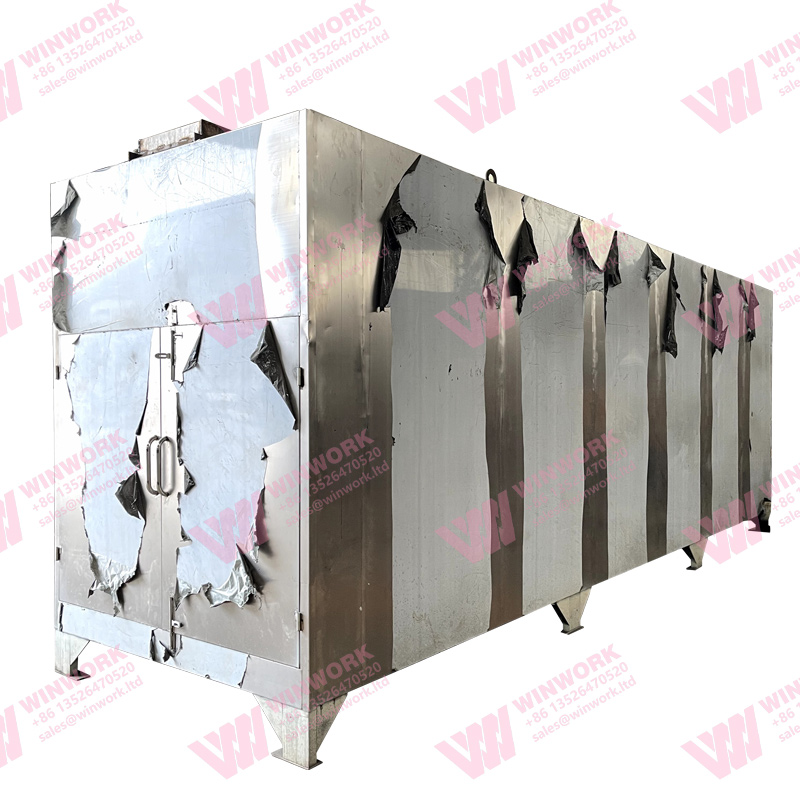
The Horizontal Fermentation Tank is widely used in the production of organic fertilizers and compost, offering numerous advantages in terms of efficiency, control, and environmental impact.
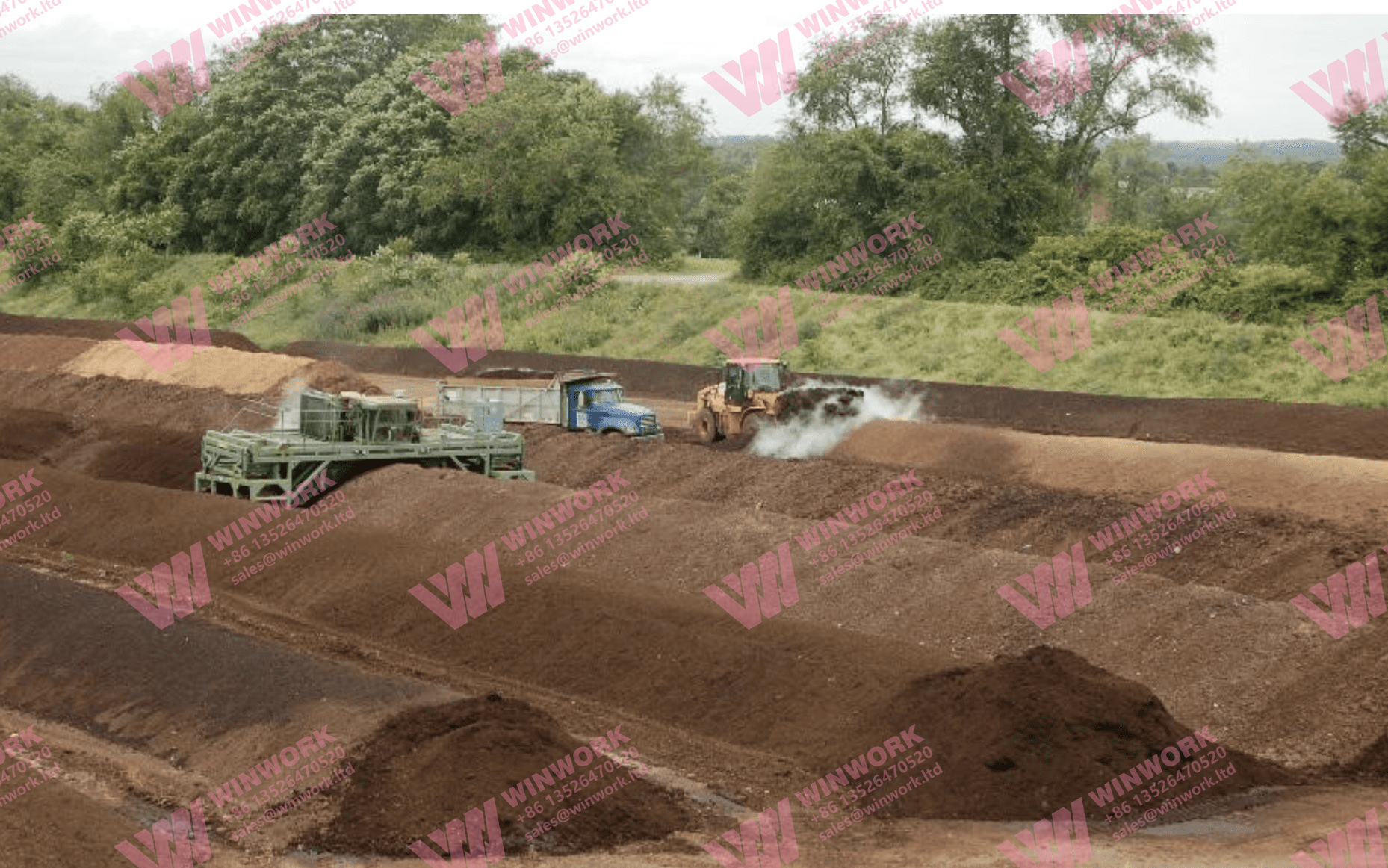
Crawler compost turner is an advanced compost turning equipment, specially designed for compost fermentation process, with the advantages of high efficiency, stability, easy operation and so on.
Crawler compost tumbler realizes automatic operation through crawler walking system, which is the necessary equipment for producing organic fertilizer granules and widely used in organic fertilizer production line.
Crawler compost turner can not only quickly improve the fermentation efficiency of materials, but also effectively improve the quality of compost, is the first choice of modern compost production equipment.
The Payoff: Benefits of a Microbe-Powered System
When the microorganism gets manure decomposition right, the benefits are huge:
Speed: Finish compost in 3 weeks instead of 6 months.
Safety: High heat kills human pathogens (E. coli) and weed seeds.
Odor Control: Aerobic decomposition smells earthy, not rotten.
Nutrient Retention: Prevents nitrogen from escaping as ammonia gas.
Real Farm Example
The Thompsons raise 80 hogs. Their old static piles took 8 months to decompose and smelled awful. They decided to invest $4,000 in a Compost Turner and a bag of microbial starter to see if the microorganism gets manure decomposition working faster.
Their composting time dropped from 8 months to just 22 days.
Neighbor complaints stopped completely.
They produced 20 tons of premium compost, which they sold to a local organic farm for $150/ton.
“The day we realized a microorganism gets manure decomposition going was the day our farm became profitable,” says Jim Thompson.
FAQ: Your Questions About How a Microorganism Gets Manure Decomposition Answered
Q1: Can I just add any bacteria?
A: You can, but it’s inefficient. Using a commercial starter ensures the microorganism gets manure decomposition from the right species (thermophilic bacteria) that work at high temperatures.
Q2: Does the microbe method kill all pathogens?
A: Yes, provided the pile reaches and maintains 55°C (131°F) for at least 3 consecutive days. This is the guarantee that the microorganism gets manure decomposition process is sanitary.
Q3: What happens if I add too much inoculant?
A: Nothing harmful, but it’s a waste of money. Follow the instructions. The goal is just to give the microorganism gets manure decomposition a strong initial push.
Q4: Is this method dangerous to handle?
A: No. The finished compost is very safe. During the process, wear gloves and a mask when turning the pile, as the dust can be irritating.
Q5: Can I use this for all types of manure?
A: Absolutely. Whether it’s chicken, cow, or pig, the principle that a microorganism gets manure decomposition is universal.
Q6: My pile isn’t heating up. What did I do wrong?
A: Usually, it’s one of three things: too wet, too dry, or not enough oxygen. Turn the pile with a compost turner and check the moisture. This gets the microorganism gets manure decomposition back on track.
Q7: Do I need to buy a fancy machine?
A: For a small farm, a pitchfork works (it just takes more muscle). For anything larger, a mechanical turner is essential for keeping the microorganism gets manure decomposition aerobic.
Q8: How do I know when the microorganisms are finished?
A: When the temperature drops to ambient levels and the material is dark, crumbly, and smells like forest soil. The microorganism gets manure decomposition cycle is complete.
Q9: Where do I buy these microbial starters?
A: Most agricultural supply stores or online retailers sell them. Look for products labeled “Compost Inoculant” or Accelerator.
Conclusion
Stop thinking of manure as a disposal problem. Start seeing it as a microbial factory waiting to happen. By creating the right conditions—balanced carbon, plenty of oxygen, and the right starter culture—you ensure the microorganism gets manure decomposition working at peak efficiency. This natural, low-cost method is the fastest way to turn a liability into a valuable, income-generating asset for your farm.
For more details, please feel free to contact us.
Email: sales@lanesvc.com
Contact number: +8613526470520
Whatsapp: +8613526470520
Get A Quote