

Introduction
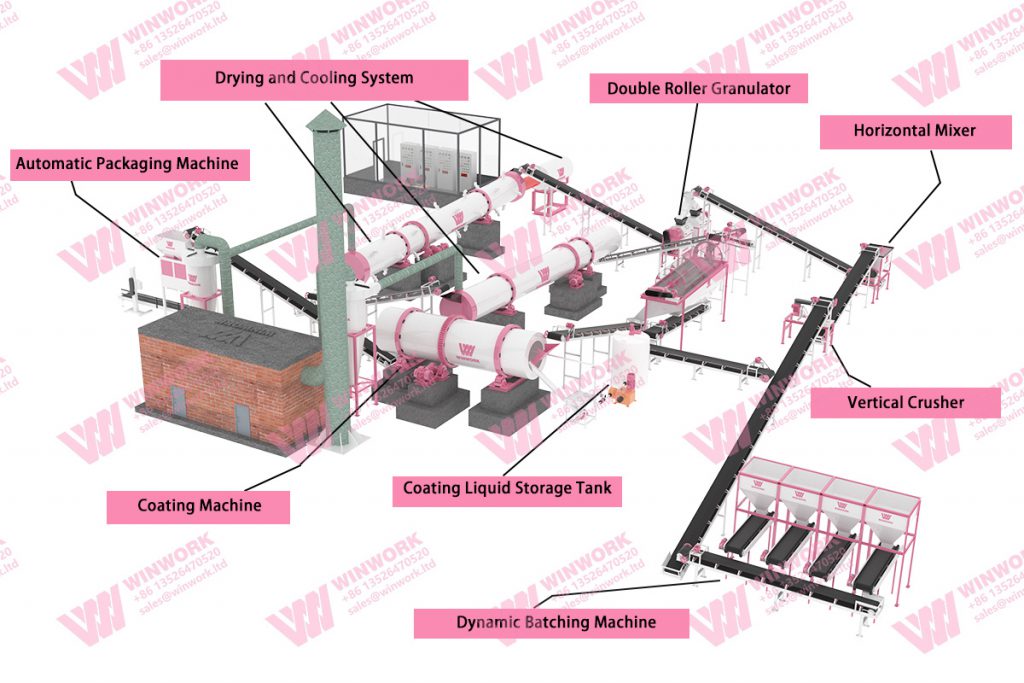
Amid global agriculture’s pursuit of high yields and sustainable development, the NPK fertilizer making machine has emerged as a core hub linking raw materials to high-quality fertilizers. This article centers on the NPK fertilizer making machine, detailing its pivotal role in NPK fertilizer production, common equipment types, and key benefits, while addressing user queries through an FAQ section to highlight how this machine drives precise fertilization and capacity upgrades in agriculture.
With dual pressures from cultivated land quality protection and growing food demand, NPK fertilizer making machine, NPK compound fertilizers—capable of simultaneously supplying nitrogen, phosphorus, and potassium have become the nutritional cornerstone of modern agriculture. The NPK fertilizer making machine acts as an industrial magician, transforming raw materials like urea, calcium superphosphate, and potassium chloride into uniform, stable NPK fertilizers, with its performance directly determining fertilizer quality and production efficiency.
Why Is NPK Fertilizer Production Inseparable from the NPK Fertilizer Making Machine?
Traditional manual mixing or simple stirring often leads to uneven nutrient distribution, impairing crop absorption efficiency and even causing seedling burn. The NPK fertilizer making machine enables precise raw material proportioning and uniform mixing via mechanized, automated processes, ensuring each bag of fertilizer meets target ratios for specific crops while reducing raw material waste, thus supporting large-scale cultivation.
The NPK fertilizer making equipments and procedures
Dynamic batching system
Fertilizer batching machine is a high-tech product integrating conveying, weighing and measuring and quantitative control.
It can continuously and uniformly carry out dynamic control, quantitative feeding and continuous measurement for lump, granular and powdery materials.
Complete the series of closed-loop control with microprocessor, actuator and sensor.
When the system is running, the materials conveyed are measured by the belt dosing scale, and the received weight and speed signals are processed by the computer calculator and transformed into the cumulative value and instantaneous flow rate, and the cumulative value and instantaneous flow rate signals are transmitted to the industrial control machine (upper computer) by the RS-485 port
4 ~ 20mA analog current signal transmitted to the frequency converter regulator, and then by the frequency converter regulator to adjust the size of the silo outlet, when the flow rate increases, the size of the outlet closed, and vice versa, increase the size of the outlet, thus making the material flow and the stage of the cumulative value of flow and speed signals are processed and converted into the cumulative value and instantaneous flow.
Make the flow rate of the material and the cumulative amount of the stage are maintained in the set range, and then complete the measurement and dosing of the material.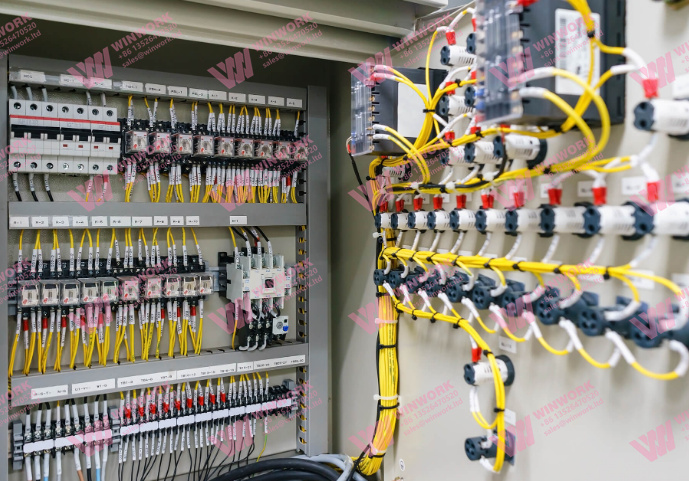
Vertical shaft crusher
Vertical crusher is a kind of high-efficiency and energy-saving crushing equipment, specially designed for all kinds of medium and low hardness materials, widely used in mining, chemical industry, cement, building materials and other industries. The equipment has a compact structure, covers an area of small, simple operation, easy maintenance, with a large ratio of crushing, low energy consumption, uniformity of the material size and other characteristics. Vertical crusher is especially suitable for fine crushing of brittle materials, which is the ideal choice for realizing efficient pulverizing operation.
Horizontal mixer
Horizontal mixer is a kind of high-efficiency mixing equipment widely used in chemical, pharmaceutical, food, building materials and other industries.
It is mainly used for mixing many kinds of materials evenly, especially suitable for mixing powdery and granular materials, and also suitable for adding liquid to the mixing process. Horizontal mixer has a compact structure, easy operation, high mixing efficiency, and can realize high quality uniform mixing in a short time, which is an indispensable equipment in fertilizer production line.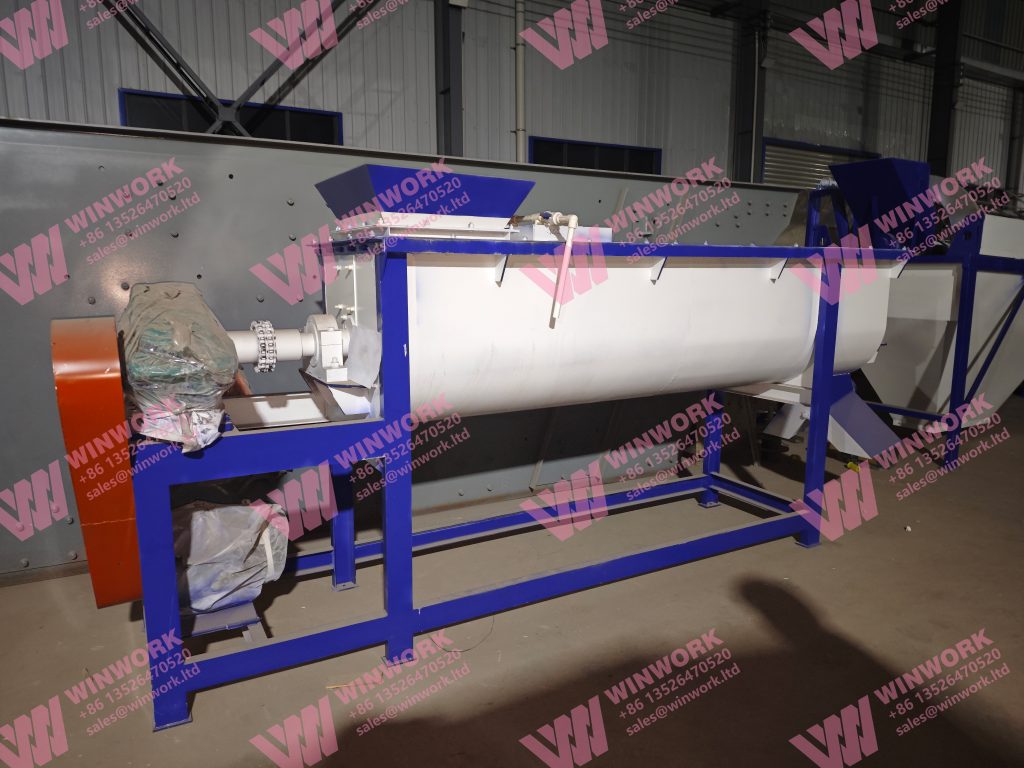
Double roller granulator
Double roller granulator is the key equipment in compound fertilizer production line and npk production line, featuring advanced technology, reasonable design, compact structure, strong practicability and low energy consumption. It is mainly suit for NPK fertilizer making machine.
Double roller granulator and the corresponding auxiliary equipment supporting, can form a small production line, with a certain capacity, to achieve continuous, mechanized production. Roller extrusion granulator adopts superior formula, no need to dry, can be produced at room temperature. The product can be rolled and shaped once, so that its quality can meet the requirements of technical indexes of compound fertilizer.
Double roller granulator is suitable for the production of high, medium and low concentration of special compound fertilizers required by various crops, which is a newer product of energy saving and consumption reduction in the compound fertilizer industry.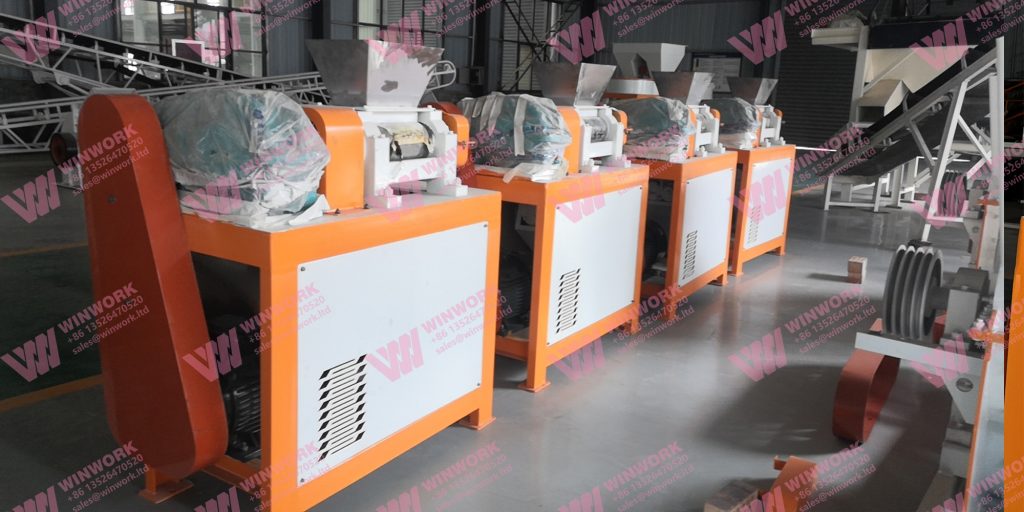
Dryer machine
The rotary drying and cooling machine is a kind of high-efficiency equipment integrating drying and cooling, which is widely used in chemical industry, fertilizer, mining industry, building materials and other industries. It is necessary in the NPK fertilizer making machine.
Cooler machine
Rotary cooler is a kind of cooling equipment commonly used in fertilizer production line, and in NPK fertilizer making machine which is mainly used to cool the dried fertilizer products in order to reduce its temperature, improve its quality and facilitate packaging and storage.
Also, the next steps are rotary screen machine, coating machine and packing machine, if the whole procedures are well done, then you can have your production lines, and start your working.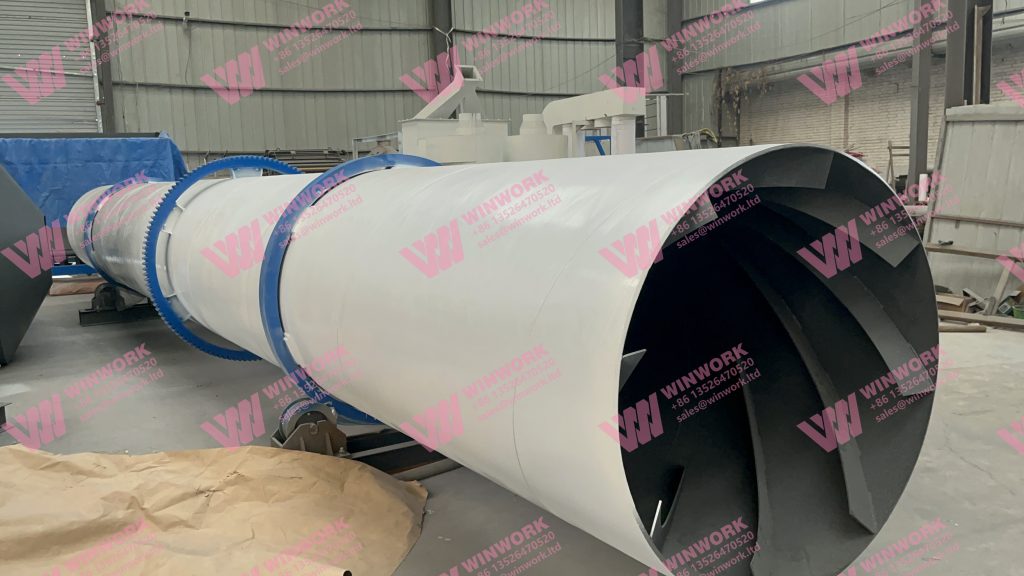
Core Advantages of the NPK Fertilizer Making Machine
First, enhanced nutrient utilization: Uniform mixing avoids localized high concentrations, enabling balanced root absorption. Nitrogen use efficiency rises from 30%–40% (traditional broadcasting) to over 50%. Second, reduced production costs: Automated batching and continuous production minimize manual intervention, with single-line daily processing capacity reaching 50–200 tons—10x more efficient than manual operations. Third, adaptability to diverse needs: By adjusting formulas and parameters, the NPK fertilizer making machine produces specialized fertilizers (e.g., high-nitrogen 20-10-10, high-potassium 12-8-24), meeting differentiated demands for vegetables, grains, and cash crops.
FAQ: Common Questions & Answers
Q1: Is the NPK fertilizer making machine suitable for small farms?
A: Small units (5–10 tons/hour) are available, featuring compact size and low investment (approx. $15k–$45k USD). They suit family farms or cooperatives for self-production, with some models offering mobile installation for flexibility.
Q2: Are the machines energy-intensive? How eco-friendly are they?
A: Modern NPK fertilizer making machines use frequency conversion motors and waste heat recovery, consuming ~20–30 kWh per ton of fertilizer. Drying systems include dust collectors, with emissions ≤30mg/m³, complying with environmental standards.
Q3: Can equipment solve fertilizer clumping?
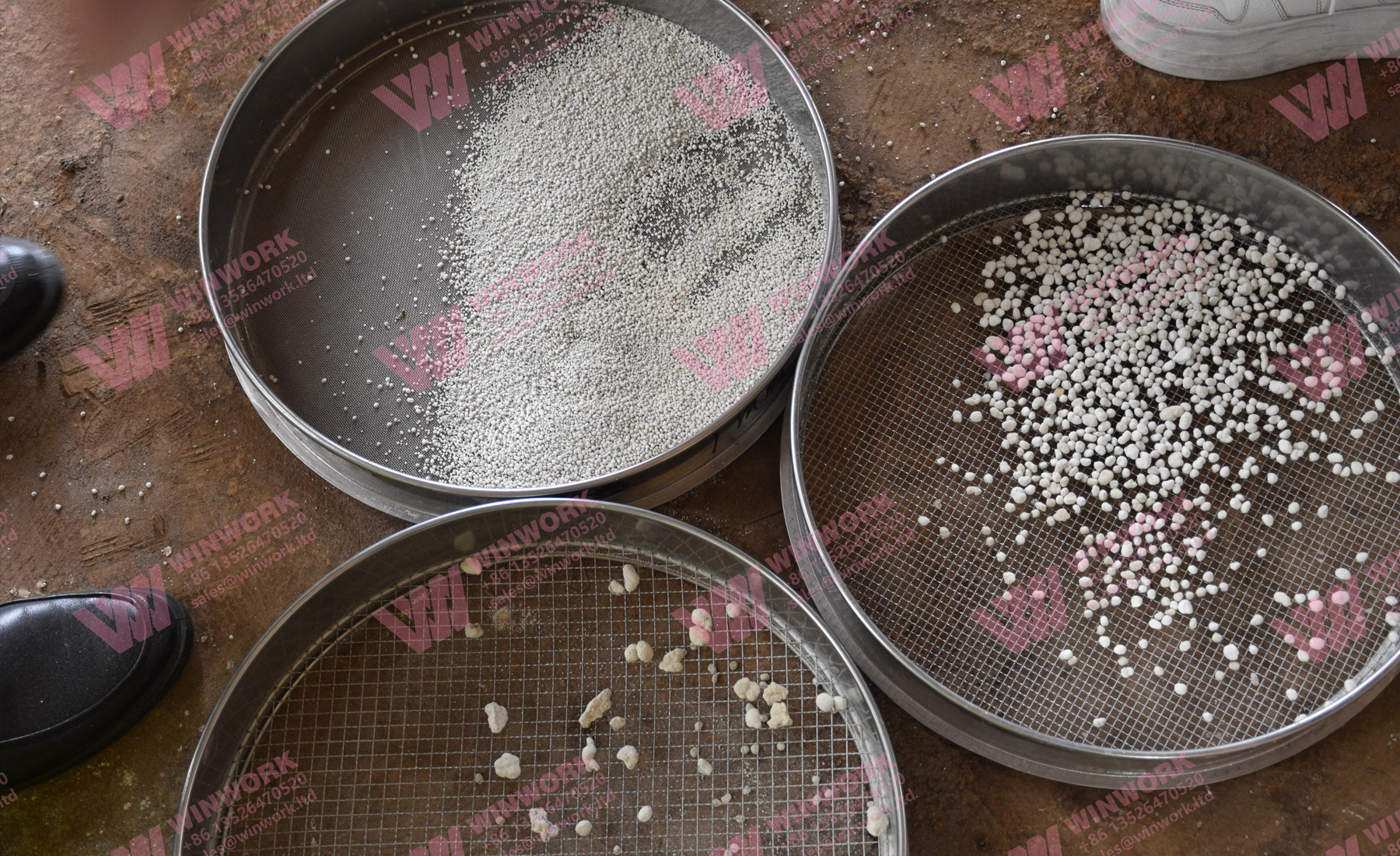
A: Yes. Cooling to room temperature post-drying + adding anti-caking agents (e.g., diatomite) + controlling particle strength (≥2N), combined with adjustments to the NPK fertilizer making machine’s screening precision, reduces clumping rates to below 1%.
Q4: Do operators need professional training?
A: Most machines feature PLC control systems with intuitive interfaces. Manufacturers provide free training, and ordinary workers can operate independently after 3–5 days of learning. Maintenance involves regular lubrication and replacing wear parts (e.g., belts, bearings).
Conclusion
From raw material proportioning to finished product output, the NPK fertilizer making machine spans the entire NPK fertilizer production process, acting as both a quality inspector for fertilizer excellence and an accelerator for cost reduction and efficiency gains. With the integration of smart technologies, future NPK fertilizer making machines will further optimize formula precision and production flexibility, injecting stronger momentum into global agricultural green transition. For both large fertilizer plants and emerging agricultural entities, selecting a suitable NPK fertilizer making machine is a critical step toward efficient, sustainable agriculture.
For more details, please feel free to contact us.
Email: sales@lanesvc.com
Contact number: +8613526470520
Whatsapp: +8613526470520
Get A Quote