

Introduction
Organic fertilizer production relies heavily on controlling moisture levels in raw materials. Animal manure, composted organic waste, and fermentation residues often contain high water content, making direct processing difficult and inefficient. Excess moisture can lead to uneven granulation, higher energy consumption during drying, and increased labor costs. An organic fertilizer dehydrator addresses these challenges by mechanically removing water, improving downstream processing, and ensuring more consistent fertilizer quality.
Modern fertilizer production increasingly relies on dehydration systems to achieve stable moisture levels. Properly selected equipment not only lowers operational costs but also enhances overall production efficiency. Among the most common and effective systems are extrusion dehydrators, inclined screen dehydrators, and drum dehydrators, each suited to different raw material characteristics, processing capacities, and operational goals.
Why Dehydration is Crucial in Organic Fertilizer Production
Maintaining the right moisture content in fertilizer materials is critical for several reasons:
-
Granulation Efficiency: High moisture content makes it difficult for raw materials to form uniform granules in the granulator, which can reduce product quality and market value.

-
Energy Consumption: Excess water requires more energy during thermal drying, increasing production costs significantly.
-
Labor Requirements: Manual handling of wet, sticky materials is labor-intensive and time-consuming.
-
Storage and Transportation: Materials with high moisture are prone to odor, microbial growth, and spoilage, complicating storage and logistics.
By using an organic fertilizer dehydrator, manufacturers can remove a significant portion of water mechanically before thermal drying or granulation. This approach improves production efficiency, reduces energy consumption, and minimizes the need for manual labor.
Common Types of Organic Fertilizer Dehydrator
Different production scenarios require different dehydration technologies. Below are three widely used types of organic fertilizer dehydrators, along with their operational principles, advantages, and recommended applications.
Extrusion Dehydrator
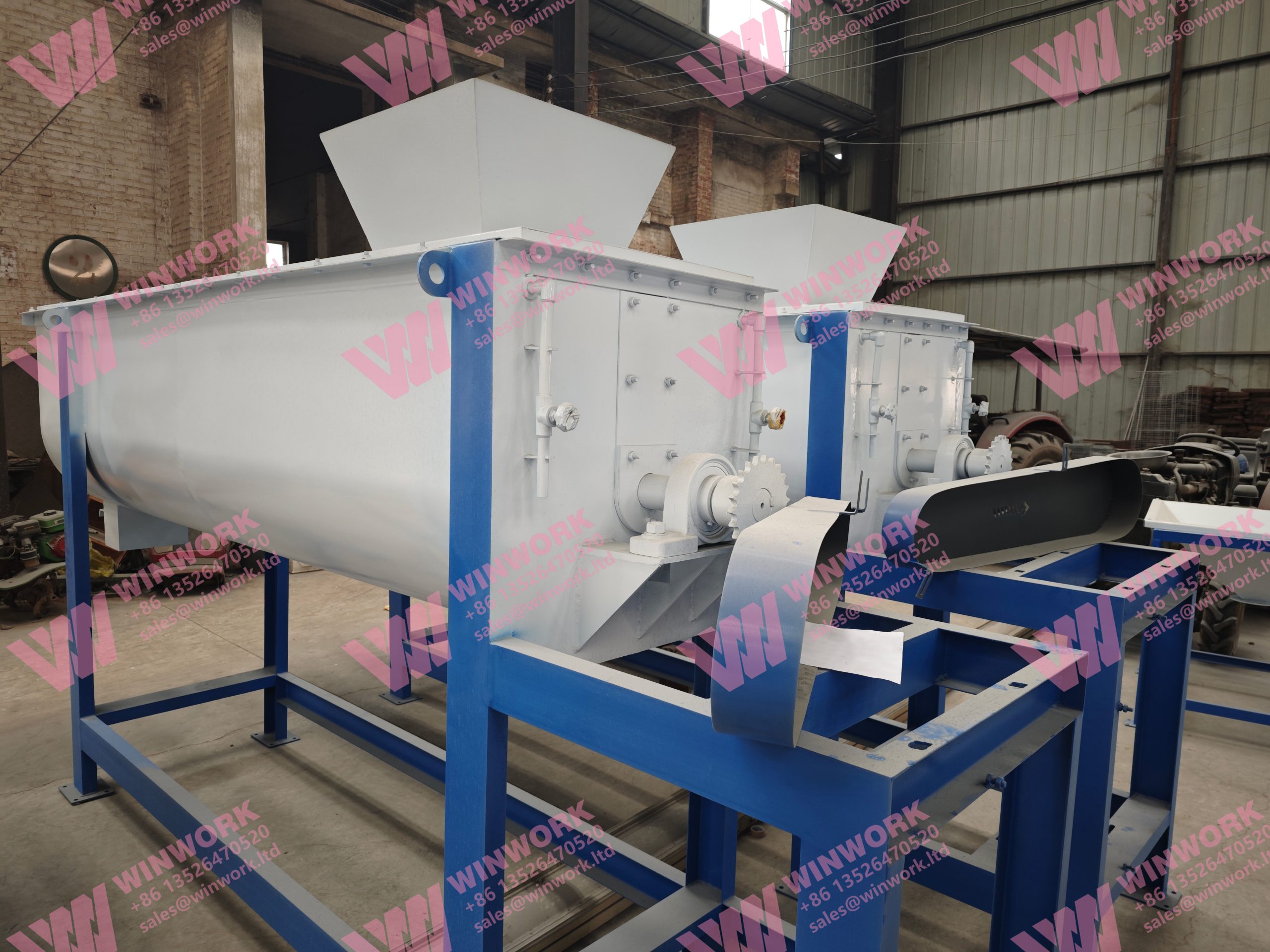
An extrusion dehydrator operates by continuously pressing wet materials along a screw shaft. As materials are compressed, water is forced out through specially designed screens or filter gaps. This mechanical action allows for rapid and efficient moisture removal without relying on heat.
Advantages:
-
Strong dehydration capability, suitable for high-moisture or sticky materials
-
Continuous operation for stable throughput
-
High efficiency for medium and large-scale fertilizer plants
-
Minimizes material spillage and odor during processing
Extrusion dehydrators are particularly favored in plants that process livestock manure, fermentation residues, or composted organic matter. Their robust design allows them to maintain consistent production output while reducing labor input, making them a cost-effective choice for industrial operations.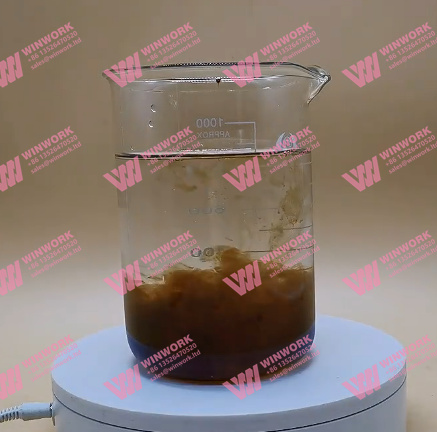
Inclined Screen Dehydrator
An inclined screen dehydrator uses a sloped vibrating screen to allow wet materials to move downward while excess water drains through mesh openings. The combination of gravity and vibration ensures water separation while maintaining material integrity.
Advantages:
-
Simple structure and easy maintenance
-
Low energy consumption, suitable for pre-dewatering
-
Gentle handling of materials, preventing damage
-
Efficient as a first-stage separator in integrated production lines
Although its dehydration capability is lower than that of an extrusion dehydrator, an inclined screen dehydrator effectively removes free water from materials before further processing. Many plants use this system to reduce initial moisture content, which prevents clogging in granulators and improves overall production stability.
Drum Dehydrator
A drum dehydrator features a rotating cylindrical drum that tumbles wet materials continuously. As the drum spins, water separates and exits through perforations while solids move gradually toward the discharge end.
Advantages:
-
Handles large volumes of slurry-like or semi-liquid materials
-
Continuous processing for steady throughput
-
Gentle on materials, preserving nutrient content
-
Suitable for large farms or bio-organic fertilizer plants
Drum dehydrators are especially useful for processing digestate from biogas plants or high-moisture manure. Their high capacity and uniform dehydration make them ideal for facilities that require both efficiency and product quality.
Key Benefits of Using an Organic Fertilizer Dehydrator
Investing in a quality organic fertilizer dehydrator provides multiple operational and economic advantages:
-
Lower Drying Costs: Mechanical dehydration removes significant moisture before thermal drying, reducing fuel consumption by 20–40%.
-
Improved Granulation Performance: Materials with controlled moisture form stronger, more uniform granules, improving overall fertilizer quality.
-
Higher Production Stability: Proper dehydration prevents equipment blockages, reduces downtime, and ensures predictable output.
-
Labor Reduction: Automated systems reduce manual handling of wet, sticky materials, freeing staff for other tasks.
-
Environmental Benefits: Controlled moisture minimizes odor and wastewater, supporting sustainable production practices.
How to Choose the Right Organic Fertilizer Dehydrator
Selecting the most suitable organic fertilizer dehydrator depends on several factors:
-
Raw Material Characteristics: Sticky or high-moisture manure benefits from extrusion dehydrators, moderate moisture compost works well with inclined screens, and slurry-like materials are best handled by drum dehydrators.
-
Production Capacity: Small-scale farms may require 1–3 tons per hour, while industrial plants may exceed 20 tons per hour. Equipment must match production volume to avoid inefficiency.
-
Moisture Reduction Needs: Some processes require only pre-dewatering, while others need deeper moisture removal for optimal granulation.
-
Automation Features: Modern dehydrators can include automated feeding, moisture monitoring, and discharge control to reduce labor requirements and ensure consistent results.
By carefully evaluating these factors, manufacturers can select equipment that maximizes efficiency, reduces costs, and maintains high fertilizer quality.
Conclusion
An organic fertilizer dehydrator plays a vital role in modern fertilizer production. By using equipment such as an extrusion dehydrator, inclined screen dehydrator, or drum dehydrator, producers can better control material moisture, enhance granule formation, reduce energy use, lower labor demands, and maintain smoother production operations. Selecting the appropriate dehydration system allows manufacturers to boost output, ensure uniform product quality, and run a more efficient and cost-effective operation.
For fertilizer producers aiming to increase capacity, improve overall efficiency, and produce consistently high-quality granules, investing in a dependable organic fertilizer dehydrator is a practical and long-term solution that supports sustainable growth.
For more details, please feel free to contact us.
Email: sales@lanesvc.com
Contact number: +8613526470520
Whatsapp: +8613526470520

Get A Quote