

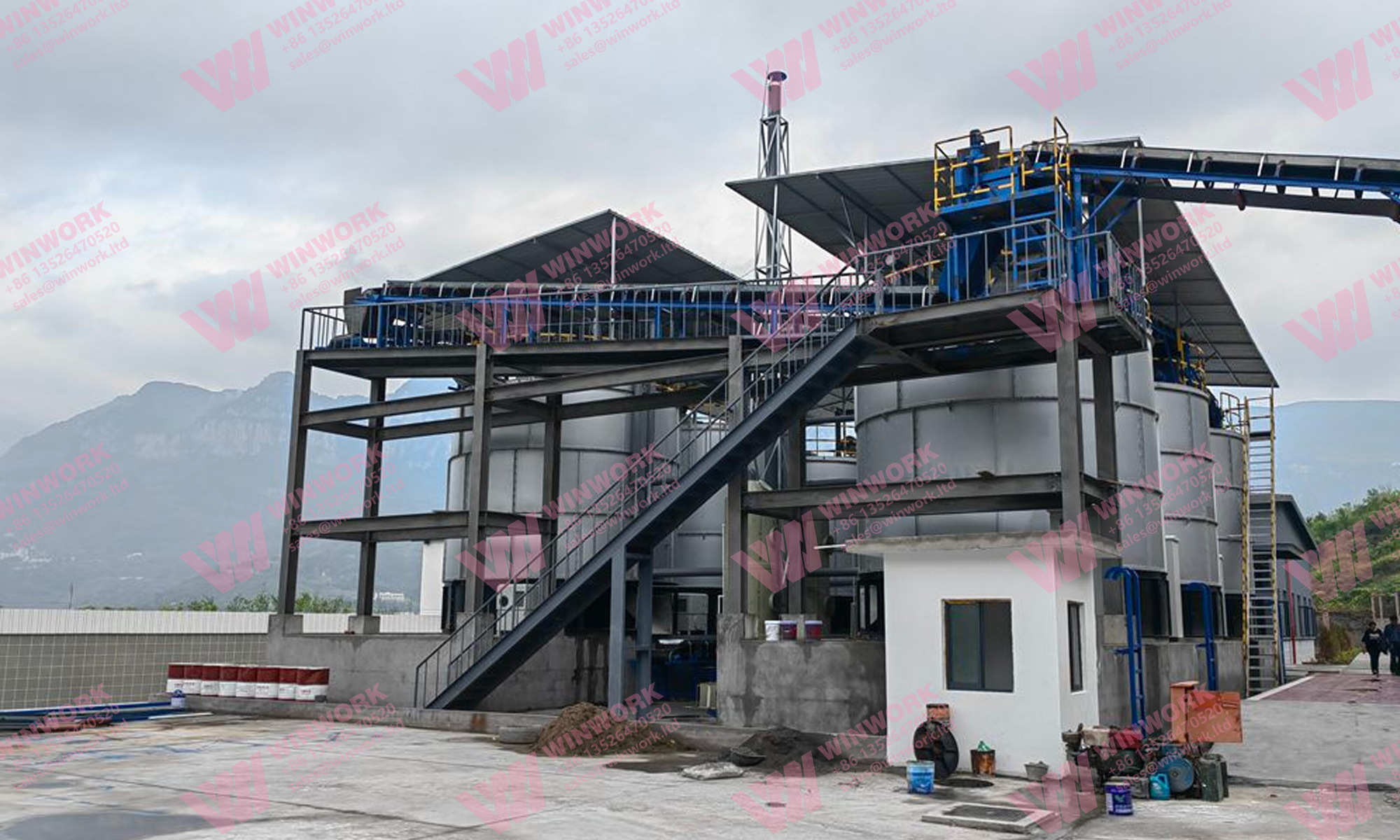
Organic Fertilizer Fermentation Process: 5 Key Stages to Produce High-Quality Organic Fertilizer
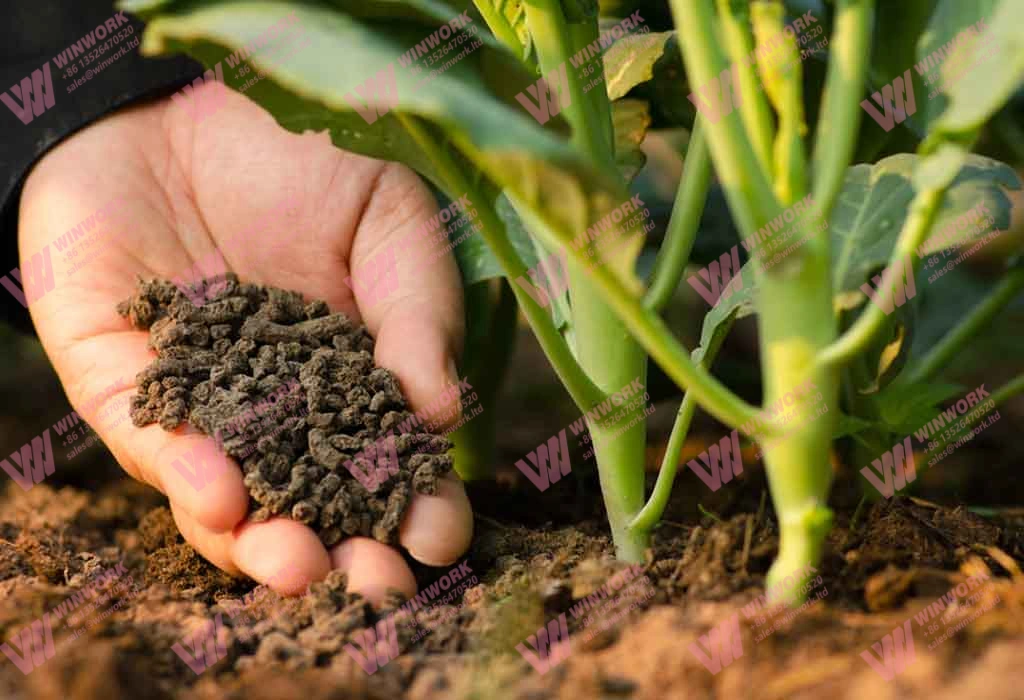
Organic fertilizer, as an important carrier for improving soil quality and promoting green crop growth, its quality is directly determined by the organic fertilizer fermentation process. The organic fertilizer fermentation process is a process in which beneficial microorganisms decompose and transform organic raw materials under appropriate conditions, converting harmful substances into harmless nutrients, and forming loose and fertile organic fertilizer products. This article will conduct a comprehensive exploration around the organic fertilizer fermentation process.
Overview of organic fertilizer fermentation process
The organic fertilizer fermentation process is essentially a biological decomposition and transformation process dominated by microorganisms.We use corresponding equipment to convert organic waste such as bacteria,fungi and livestock manure into simple and easily absorbed nutrients.During the fermentation process,the metabolic heat can raise the temperature of material pile which can effectively kill pathogenic bacteria,insect eggs,weed seeds and other harmful substances in raw materials,reducing the risk of crop diseases and insect pests.In addition, the fermentation process can also reduce the volume of raw materials, improve the stability of the product.
5 Key Stages of Organic Fertilizer Fermentation Process
The organic fertilizer fermentation process is a continuous and gradual process, which can be divided into 5 key stages according to the changes of temperature, microbial community and material properties. Each stage has clear characteristics and technical requirements:
- Initial fermentation stage
This stage starts from the beginning of fermentation to the temperature of the material pile rising to 40℃. At this stage, the main microorganisms are mesophilic microorganisms, which decompose easily degradable organic substances in the raw materials.
- High-temperature sterilization stage
At this stage, thermophilic microorganisms become the dominant species, which can decompose difficult-to-degrade organic substances.The high temperature during this stage can effectively kill pathogenic bacteria, insect eggs, weed seeds and other harmful substances in the raw materials.
- Cooling stage
Mesophilic microorganisms reappear and continue to decompose the remaining organic substances at cooling stage.The key operation in this stage is to reduce the frequency of turning the pile appropriately and maintain the humidity of the material pile to ensure the thorough decomposition of the material.
- Maturing stage
When the temperature of the material pile drops to room temperature, it enters the maturing stage. The main task is to decompose the residual small molecular organic substances into stable humic acid.
5. Post-treatment stage
After the maturing stage, the fermented material needs to go through post-treatment processes such as crushing, screening and packaging. The crushed material is screened to remove impurities and unqualified large particles.Finally, the qualified organic fertilizer is packaged to form the finished product.
Key Control Factors of Organic Fertilizer Fermentation Process
The smooth progress of the organic fertilizer fermentation process and the quality of the finished product are affected by many factors. To ensure efficient and stable fermentation, the following key factors need to be strictly controlled:
Carbon-Nitrogen Ratio: The optimal carbon-nitrogen ratio for the organic fertilizer fermentation process is 25:1-30:1. If the carbon-nitrogen ratio is too high, the fermentation speed will be slow; if the carbon-nitrogen ratio is too low, it will easily produce ammonia gas, resulting in nutrient loss and odor pollution.
Moisture Content: The optimal moisture content for the organic fertilizer fermentation process is 55%-65%. If the moisture content is too high, the air permeability of the material pile will be poor, leading to anaerobic fermentation and producing odors such as hydrogen sulfide; if the moisture content is too low, the activity of microorganisms will be inhibited, and the fermentation will be incomplete.
Temperature: Temperature is also an important indicator to judge the progress of the organic fertilizer fermentation process. The high-temperature sterilization stage must be maintained for more than 5 days to ensure the thorough killing of harmful substances.
Common Equipment for Organic Fertilizer Fermentation Process
With the development of industrialization, the organic fertilizer fermentation process has gradually realized mechanized and automated production. Common equipment includes:
- Compost turner
It is used to turn the material pile, adjust the temperature, air permeability and moisture content of the material pile.According to the type of fermentation, it can be divided into wheeled type compost turner and crawler compost turner.
- Crusher
It is used to crush large-particle raw materials into small particles, increasing the contact area between raw materials and microorganisms and accelerating fermentation. Common types include hammer crushers, vertical shaft crushers and horizontal crusher.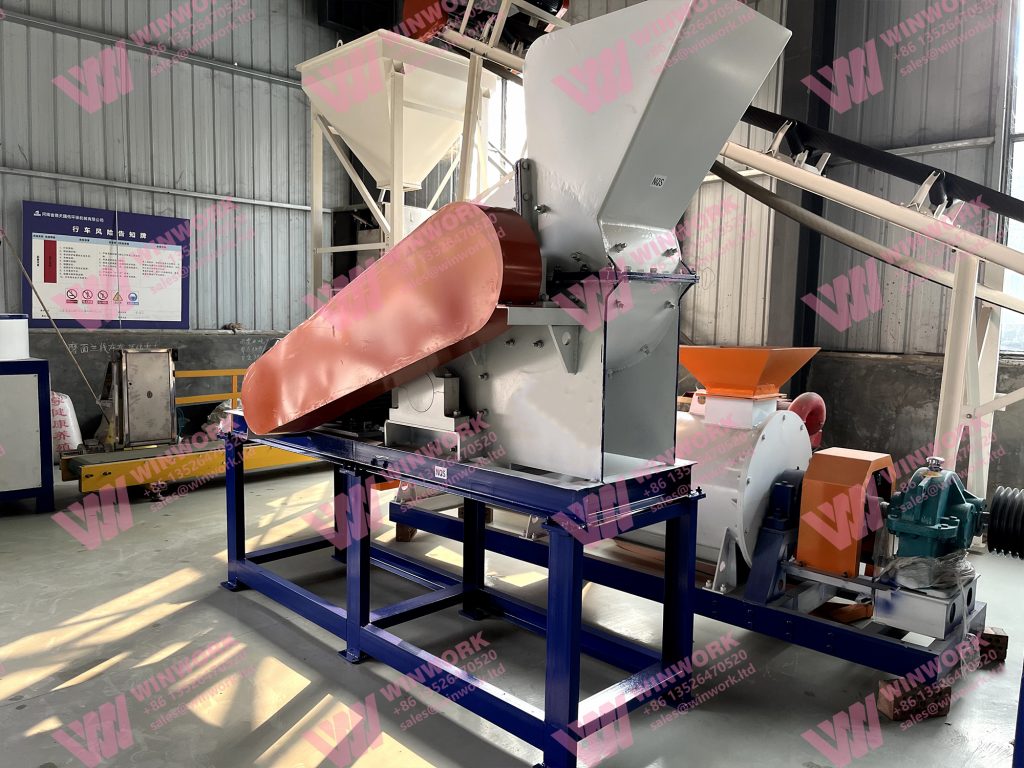
- Mixer
Mixer is used to mix nitrogen source raw materials, carbon source raw materials and auxiliary materials uniformly according to the specified proportion, ensuring the balanced carbon-nitrogen ratio and moisture content of the material pile. Common types include horizontal mixers.
- Fermentation tank
A closed fermentation equipment, which can control the fermentation conditions precisely. Common types include horizontal fermentation tank and vertical fermentation tank.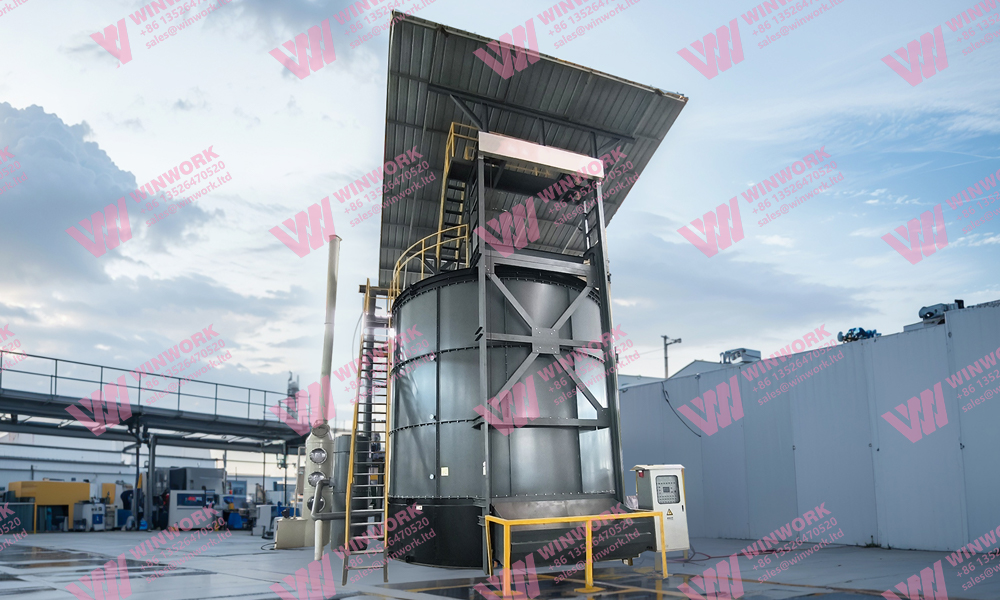
- Screening machine
It is used for post-treatment of fermented materials to screen out qualified particles and remove impurities. Common types include rotary screener.
Frequently Asked Questions (FAQs) About Organic Fertilizer Fermentation Process
- How long does the organic fertilizer fermentation process take?
The total fermentation cycle is usually 30-45 days, varying with raw material type, fermentation conditions and equipment.
- Is it necessary to add a fermentation agent in the organic fertilizer fermentation process?
It is not necessary, but adding high-quality fermentation agent can shorten the cycle and improve quality, which is recommended for large-scale production.
- Can kitchen waste be used for the organic fertilizer fermentation process?
Yes, but it needs to be sorted to remove non-organic substances, mixed with carbon source raw materials to adjust C/N ratio and control moisture content.
- What is the difference between aerobic fermentation and anaerobic fermentation in the organic fertilizer fermentation process?
Aerobic fermentation is fast, high-temperature, odorless and suitable for large-scale production, while anaerobic fermentation is slow, low-temperature, odorous and suitable for small-scale or closed scenarios.
- How to judge whether the organic fertilizer fermentation process is completed?
The main indicators are stable room temperature of the pile, loose dark brown material with earthy smell, pH 6.5-8.5 and no harmful substances detected.
Conclusion
The organic fertilizer fermentation process is a core technical link in the production line of organic fertilizer.Mastering the 5 key stages of the fermentation process can ensure the efficient and stable progress of the fermentation process and produce organic fertilizer products with high nutrient content, good safety and strong applicability.With the increasing emphasis on ecological agriculture and environmental protection, the organic fertilizer fermentation process will be more widely applied and developed. For producers, it is necessary to continuously optimize the fermentation process, improve the level of mechanical and automated production, and improve the quality and efficiency of organic fertilizer production.
For more details, please feel free to contact us.
Email: sales@lanesvc.com
Contact number: +86 13526470520
Whatsapp: +86 13526470520


Get A Quote