


Types of Organic Fertilizer Granulators
The market offers several types of organic fertilizer granulators, each with distinct working principles and applications:
This machine utilizes a rotating disc to create a tumbling motion that coats organic materials with a binder, such as water or clay, forming them into uniform granules. The angle, rotational speed, and humidity of the disc can be adjusted to control particle size and shape, making it suitable for various organic materials. The disc granulator adopts arc disc angle structure, and the granulation rate of uniform particles can reach more than 93%.
Using a rotating drum to agglomerate organic materials, this equipment coats the materials with a binder as they pass through the drum, forming uniform granules. The rotational force of the drum causes the material to roll and gradually form spherical particles, with smaller particles compressing around larger ones until reaching the desired size.
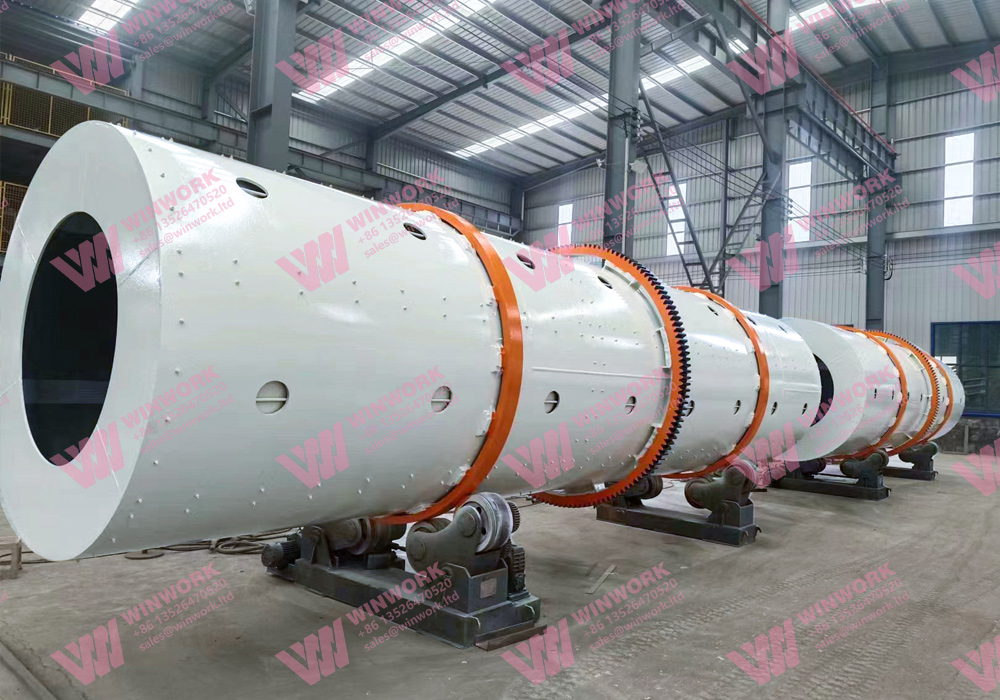
8 meter rotary drum granulator
Using a pair of rollers to compress and shape organic materials, this equipment produces cylindrical or pillow-shaped granules that are then screened to remove fines. It’s particularly effective for materials like ammonium bicarbonate, ammonium chloride, and monoammonium phosphate, achieving granulation rates up to 85% without requiring drying.
Flat Die Granulator
This compact machine uses a flat die and rollers to compress organic materials into pellets, making it ideal for processing small quantities of materials, such as backyard compost or small-scale production facilities.
Two-in-One Organic Fertilizer Granulator
The two-in-one organic fertilizer granulator integrates mixing and granulation into a single, efficient machine, eliminating separate equipment and streamlining organic fertilizer production. Designed for processing livestock manure, crop straw, fungus residue, and municipal sludge, it boosts productivity while lowering operational costs.
Working Principles of Organic Fertilizer Granulation
The granulation process involves both physical and chemical methods to transform fermented organic materials into regular granules. The fundamental principle across all granulation methods is the application of mechanical force and, when necessary, the addition of binders to enhance particle strength and stability.
Disc Granulator Principle
The inclined circular disc surface rotates, causing materials to roll under centrifugal force and friction. This motion causes the materials to aggregate and gradually form particles, with the disc’s angle, rotational speed, and humidity affecting the final particle size and shape.
Rotary Drum Granulator Principle
The rotary drum granulator uses a rotating cylinder to tumble materials, forming spherical granules through centrifugal force and friction. Materials roll and agglomerate as the drum rotates, with moisture and binders added to enhance particle formation and strength.
Double Roller Granulator Principle
The double roller granulator employs two counter-rotating rollers to compress and extrude materials through a die. High pressure forces the material into cylindrical or pillow-shaped granules, which are then cut to the desired length and screened for uniformity.
Flat Die Granulator Principle
The flat die granulator uses a flat die and rotating rollers to compress materials into pellets. As the rollers press the material through the die holes, it forms cylindrical pellets that are cut by a knife, producing uniform granules suitable for small-scale production.
Two-in-One Organic Fertilizer Granulator Principle
This integrated machine combines mixing and granulation in one unit. Materials are first mixed uniformly by an internal stirring device, then processed through a granulation mechanism that forms granules using mechanical force and material viscosity, eliminating separate equipment and reducing energy consumption.
Equipment Selection Criteria
Selecting the right organic fertilizer granulator requires careful consideration of several factors to ensure optimal performance and return on investment:
Production Capacity and Investment Considerations
Determining production capacity is crucial for organic fertilizer manufacturing. Small-scale operations typically require modest hourly outputs, while large-scale need high-throughput organic fertilizer granulator. Investment varies significantly based on scale, with small plants requiring more accessible capital, medium operations needing balanced equipment, and large plants demanding comprehensive production lines. Beyond equipment costs, consider land acquisition, facility construction, utility installation, professional setup, and working capital for a successful operation.
Raw Material Characteristics
Different organic materials have varying characteristics such as humidity, viscosity, and particle size, which significantly impact granulation effectiveness. Materials with high viscosity are suitable for disc granulators or drum granulators, while materials with lower viscosity may perform better with roller extrusion granulators. Understanding your raw material properties is crucial for selecting the appropriate equipment.
After-Sales Service
Reliable organic fertilizer granulator suppliers should provide comprehensive after-sales services, including installation and commissioning, operator training, maintenance support, and spare parts supply. Good after-sales service ensures quick problem resolution, minimizes downtime, and maintains normal production operations.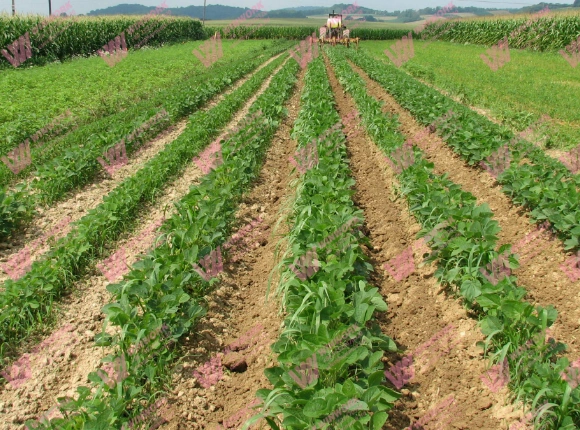
FAQs About the Organic Fertilizer Granulator
How do I choose the right granulator for my needs?
Consider your production capacity requirements, raw material characteristics (moisture content, viscosity, fiber content), desired particle size and shape, budget constraints, and available space. Small-scale operations typically use disc or flat die granulators, while large-scale facilities may require rotary drum or extrusion granulators.
Can the same granulator process different types of organic materials?
Yes, most granulators can process various organic materials, but adjustments may be needed for different moisture contents, viscosities, and fiber contents. Some granulators offer adjustable parameters to accommodate different materials.
What is the typical lifespan of an organic fertilizer granulator?
With proper maintenance and regular care, high-quality granulators can last 8-15 years. The organic fertilizer granulator lifespan depends on equipment quality, maintenance practices, and production intensity.
For more details, please feel free to contact us.
Email: sales@lanesvc.com
Contact number: +86 13526470520
Whatsapp: +86 13526470520
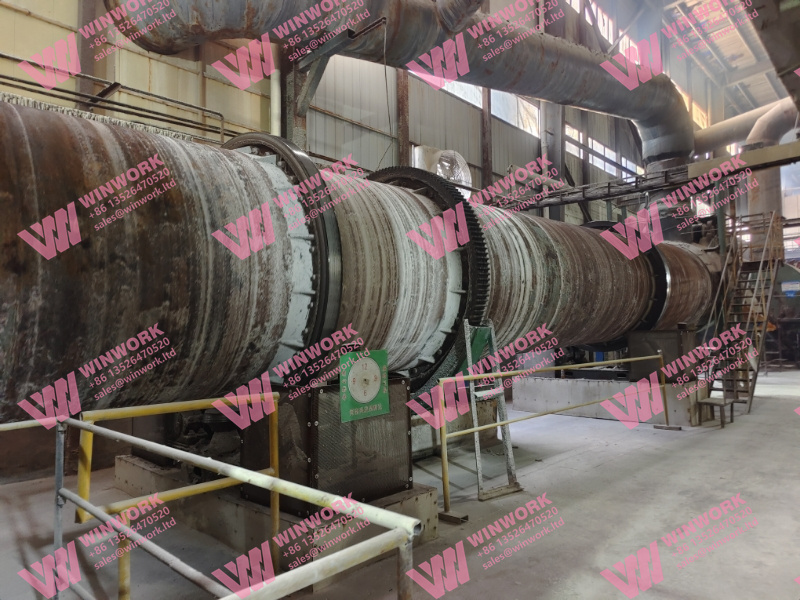
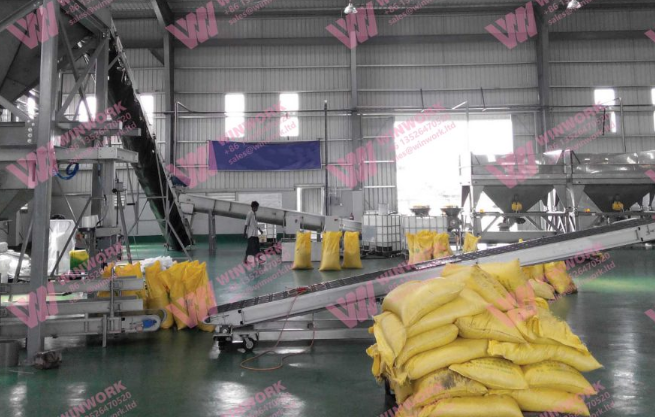
Get A Quote