

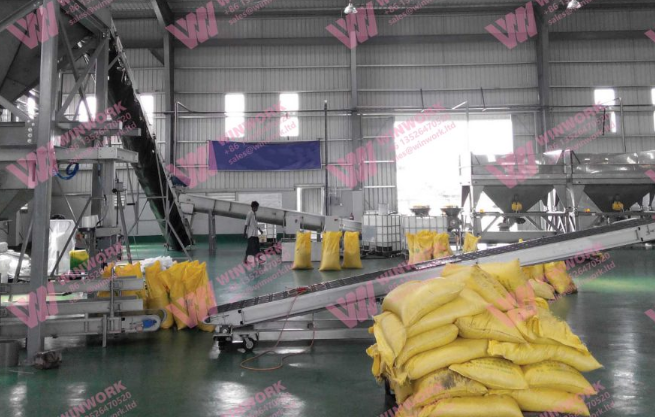
What is an Organic Fertilizer Manufacturing Plant?
An organic fertilizer manufacturing plant is a specialized facility that converts organic waste materials—such as animal manure, crop residues, and food waste—into nutrient-rich fertilizers through controlled composting and processing. These plants play a crucial role in the circular economy by transforming agricultural byproducts into valuable soil amendments that improve soil health, enhance crop yields, and reduce environmental pollution.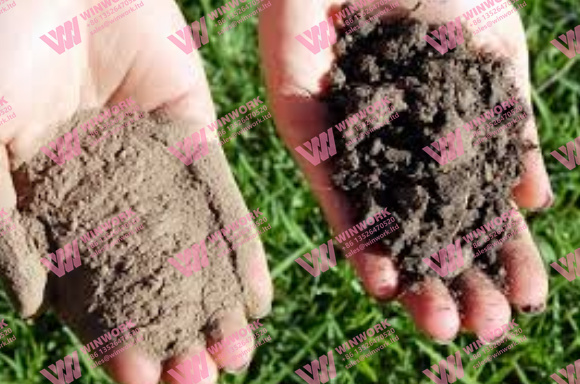
How Does an Organic Fertilizer Manufacturing Plant Work?
The production process follows a systematic approach that transforms raw organic materials into high-quality fertilizer:
1. Raw Material Preparation
Organic materials are collected from farms, food processing facilities, and agricultural operations. These materials undergo sorting to remove contaminants and are then crushed into smaller particles to increase surface area for microbial activity.
2. Composting Process
The prepared materials enter the composting phase, where they undergo aerobic decomposition. Modern composting systems maintain optimal temperature (60-70°C) and oxygen levels, accelerating the decomposition process from traditional 30 days to just 6-8 days. This high-temperature phase also eliminates pathogens and weed seeds.
3. Granulation and Processing
After composting, the material is mixed with additional nutrients and additives to create balanced formulations. The mixture then enters granulation equipment where it’s transformed into uniform granules or pellets, making the product easier to handle, store, and apply.
4. Drying and Packaging
The granules are dried to reduce moisture content below 15%, cooled to room temperature, and screened to ensure uniform particle size. The final product is packaged in bags or bulk containers by organic fertilizer manufacturing plant using automated packaging systems for distribution to farmers and agricultural suppliers.
What Equipment is Needed for an Organic Fertilizer Plant?
1. Composting Equipment
Compost turners, in-vessel composting systems, and windrow composting systems maintain optimal conditions for rapid decomposition. These systems include temperature monitoring, aeration systems, and moisture control mechanisms.
2. Crushing and Mixing Equipment
Crushers and grinders break down large organic materials, while mixing machines blend compost with additives like bone meal, fish meal, and beneficial microorganisms to create customized nutrient formulations.
3. Granulation Equipment
Disc granulators, rotary drum granulators, and extruders transform the powder into uniform granules ranging from 1-10mm in size, depending on market requirements.
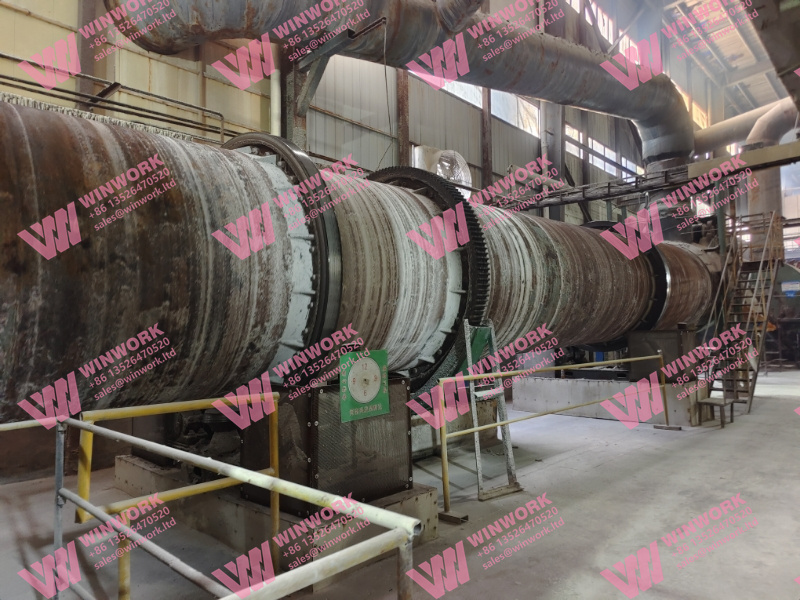
Rotary dryers and fluidized bed dryers remove excess moisture, while counter-flow coolers bring the granules to room temperature to prevent clumping during storage.
5. Screening and Packaging Equipment
Vibratory screeners separate granules by size, and automated packaging machines fill and seal bags with precise weight control.
What Are the Key Considerations Before Organic Fertilizer Manufacturing Plant Starting?
1. Market Research and Feasibility
Conduct thorough market analysis to understand local demand, competition, and pricing dynamics. Evaluate raw material availability and cost structures in your region. Analyze potential customer segments including commercial farms, organic producers, and retail outlets.
2. Location Selection Criteria
Choose a site with convenient access to raw material sources and transportation networks. Ensure the location complies with zoning regulations and provides adequate space for expansion. Consider proximity to agricultural areas to minimize distribution costs and build stronger customer relationships.
3. Financial Planning Strategies
Develop a comprehensive business plan covering initial investment, operating costs, and revenue projections. Secure adequate funding through appropriate financing channels. Implement financial monitoring systems to track performance and optimize resource allocation throughout operations.
What Are the Latest Technological Developments?
1. Automation and Control Systems
Advanced PLC systems enable precise process control and monitoring. IoT sensors provide real-time data on equipment performance and environmental conditions. Remote monitoring capabilities allow operators to manage production from any location.
2. Innovative Processing Methods
New granulation technologies improve product quality and production efficiency. Advanced coating techniques enhance nutrient release characteristics. Energy-efficient drying systems reduce operating costs and environmental impact.
3. Digital Integration Solutions
Cloud-based management systems streamline operations and data analysis. Mobile applications enable field staff to access production information and customer data. Integrated ERP systems provide comprehensive business management capabilities.
Future Development Trends for Organic Fertilizer Manufacturing Plants
The organic fertilizer manufacturing plant sector is advancing with more integrated solutions. Key trends include sustainable technology integration, with plants adopting renewable energy systems and advanced automation to optimize production efficiency. Innovation focuses on specialized formulations for specific crops and microbial-enhanced products that improve soil health. Market expansion involves developing export capabilities, establishing partnerships with agricultural cooperatives, and implementing direct-to-farm sales models to build stronger customer relationships.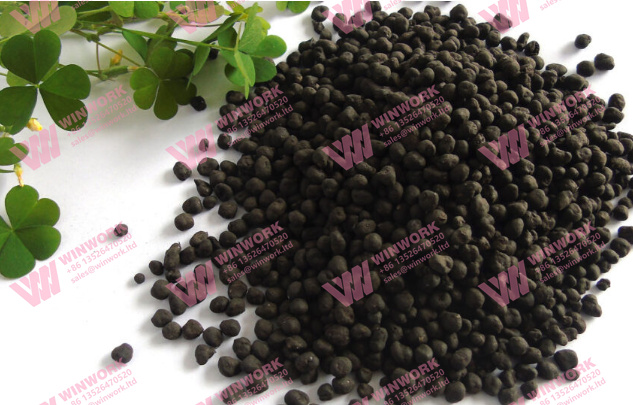
Conclusion on Investing in Organic Fertilizer Manufacturing Plants
Establishing an organic fertilizer manufacturing plant is a strategic investment in the growing sustainable agriculture sector. Success requires comprehensive planning, embracing technological advancements, and maintaining a strong focus on product quality and environmental stewardship. Whether starting a small-scale operation or investing in a large-scale facility, organic fertilizer manufacturing plants present significant opportunities for entrepreneurs and investors who understand market dynamics and are prepared to meet the evolving needs of eco-friendly farming practices.
For more details, please feel free to contact us.
Email: sales@lanesvc.com
Contact number: +86 13526470520
Whatsapp: +86 13526470520

Get A Quote