

Introduction
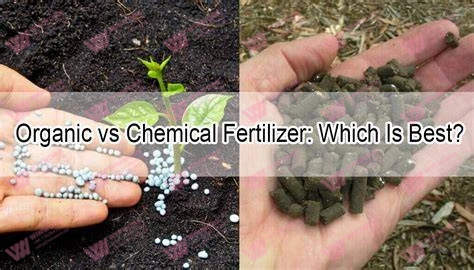
Fertilizers are a cornerstone of modern agriculture, directly influencing crop yield, soil fertility, and food security. As global agriculture shifts toward higher efficiency and sustainability, the debate around organic fertilizer vs chemical fertilizer has become increasingly important.
Organic fertilizers are produced from natural raw materials such as livestock manure, agricultural waste, compost, and plant residues. Chemical fertilizers are manufactured through industrial chemical processes to supply nutrients in highly concentrated and controlled forms. While both types play important roles in crop nutrition, their effects on soil health, environmental impact, and production systems differ greatly.
For farmers, choosing between organic fertilizer vs chemical fertilizer affects yield stability and soil quality. For fertilizer manufacturers and equipment suppliers, this choice determines production processes, machinery investment, and long-term market positioning. In this article, we compare organic fertilizer vs chemical fertilizer across eight key dimensions, including composition, soil impact, crop yield, environmental considerations, cost structure, application methods, and production equipment.
-
Nutrient Composition between organic fertilizer vs chemical fertilizer
The most fundamental difference between organic fertilizer vs chemical fertilizer lies in nutrient composition and release behavior.
Organic Fertilizer
Organic fertilizer contains naturally occurring nutrients such as nitrogen (N), phosphorus (P), potassium (K), and various trace elements. These nutrients are embedded within organic matter and are released gradually through microbial decomposition. This slow-release characteristic provides long-term nutrition and steadily improves soil fertility.
In addition, organic fertilizers often supply small but essential nutrients and beneficial compounds that are absent in many chemical fertilizers.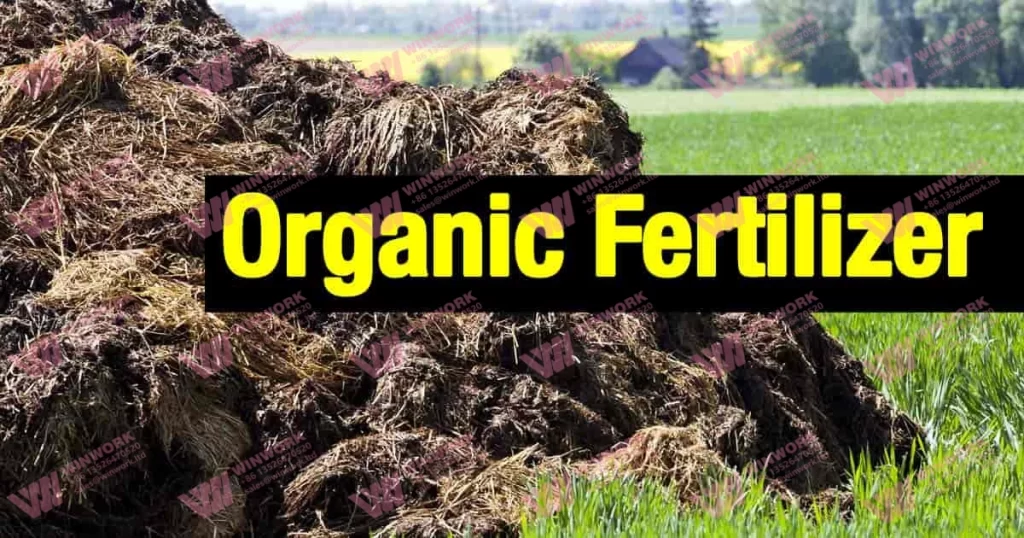
Chemical Fertilizer
Chemical fertilizer delivers nutrients in highly concentrated and precisely formulated ratios. Nutrients are immediately available for plant uptake, making chemical fertilizer effective for rapid growth stimulation. However, excessive or improper application can result in nutrient leaching, nutrients loss to the air, and runoff.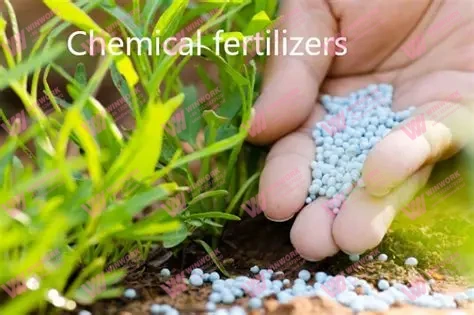
Summary: Organic fertilizer vs chemical fertilizer differs in speed and stability—organic fertilizers focus on long-term soil improvement, while chemical fertilizers provide fast, targeted nutrition.
-
Impact on Soil Structure and Microbial Activity
Organic Fertilizer
Organic fertilizer significantly improves soil structure by increasing soil organic matter content, often by 5–20% with regular application. It enhances microbial diversity, promotes beneficial bacteria and fungi, improves soil aggregation, and increases water retention and aeration. These improvements lead to healthier root development and stronger nutrient absorption capacity.
Chemical Fertilizer
Chemical fertilizer generally does not improve soil structure. Long-term excessive use may cause soil compaction, increasing soil acidity, and reduced microbial activity, ultimately lowering soil fertility.
Tip: Many agricultural systems use organic fertilizer vs chemical fertilizer in combination to maintain soil health while meeting short-term nutrient demands.
-
Crop Yield and Nutrient Efficiency
Organic Fertilizer
Due to slow nutrient release, organic fertilizer may produce slightly lower immediate yields compared to chemical fertilizer. However, nutrients are absorbed more evenly, reducing losses and improving crop resilience over multiple seasons.
Chemical Fertilizer
Chemical fertilizer delivers quick results and can increase short-term crop yields by 20–30% compared to unfertilized land. However, nutrient efficiency may be lower due to runoff, nutrient evaporation, or uneven absorption.
-
Environmental Considerations
| Factor | Organic Fertilizer | Chemical Fertilizer |
| Soil Pollution | Minimal, biodegradable | Risk of contamination if overused |
| Water Quality | Low runoff risk | Eutrophication risk |
| Greenhouse Gas | Low emissions | Potential N₂O emissions |
| Sustainability | Supports circular agriculture | Depends on non-renewable inputs |
From an environmental perspective, organic fertilizer vs chemical fertilizer shows a clear contrast: organic fertilizers support sustainable agriculture, while chemical fertilizers require careful management to avoid pollution.
-
Cost Comparison
Organic Fertilizer
Organic fertilizer raw materials are often inexpensive when sourced locally, such as manure or crop waste. However, production costs can be higher due to processing requirements. Composting, crushing, granulating, drying, and packaging require specialized equipment and labor input.
Chemical Fertilizer
Chemical fertilizers are typically cheaper per unit of nutrient, especially at large scale. While chemical fertilizer production demands high energy input and industrial facilities, standardized processes reduce the cost per ton.
-
Production Equipment Differences between organic fertilizer vs chemical fertilizer
For manufacturers, the difference between organic fertilizer vs chemical fertilizer is most evident in production equipment.
Organic Fertilizer Production Equipment
Compost Turner
The compost turner is essential for aerobic fermentation. It improves oxygen supply, accelerates decomposition, reduces odor, and ensures uniform fermentation of organic raw materials. Proper composting directly affects nutrient stability and product safety.
Crusher
Crushers reduce large organic materials into uniform particle sizes. This step improves granulation efficiency and ensures consistent pellet quality.
Granulator
Organic fertilizer granulators, such as flat die granulators, disc granulators, or rotary drum granulators, form pellets from moist, fibrous materials. Granulation improves fertilizer handling, storage, and application efficiency.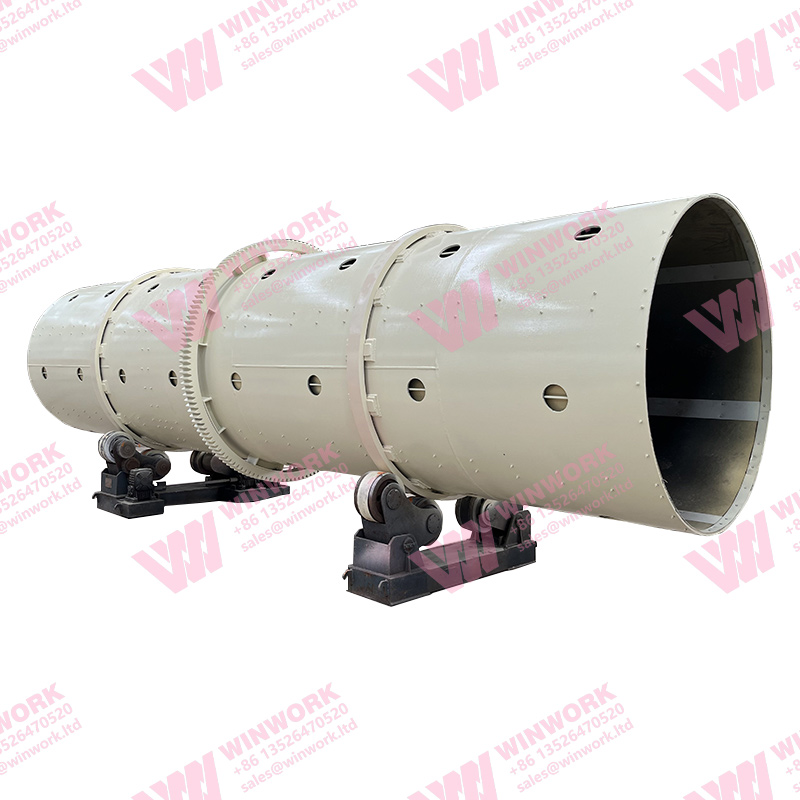
Rotary Dryer and Cooler
Dryers reduce moisture content to prevent caking and microbial spoilage. Coolers improve pellet hardness and stability, extending shelf life.
Screening and Packaging Machine
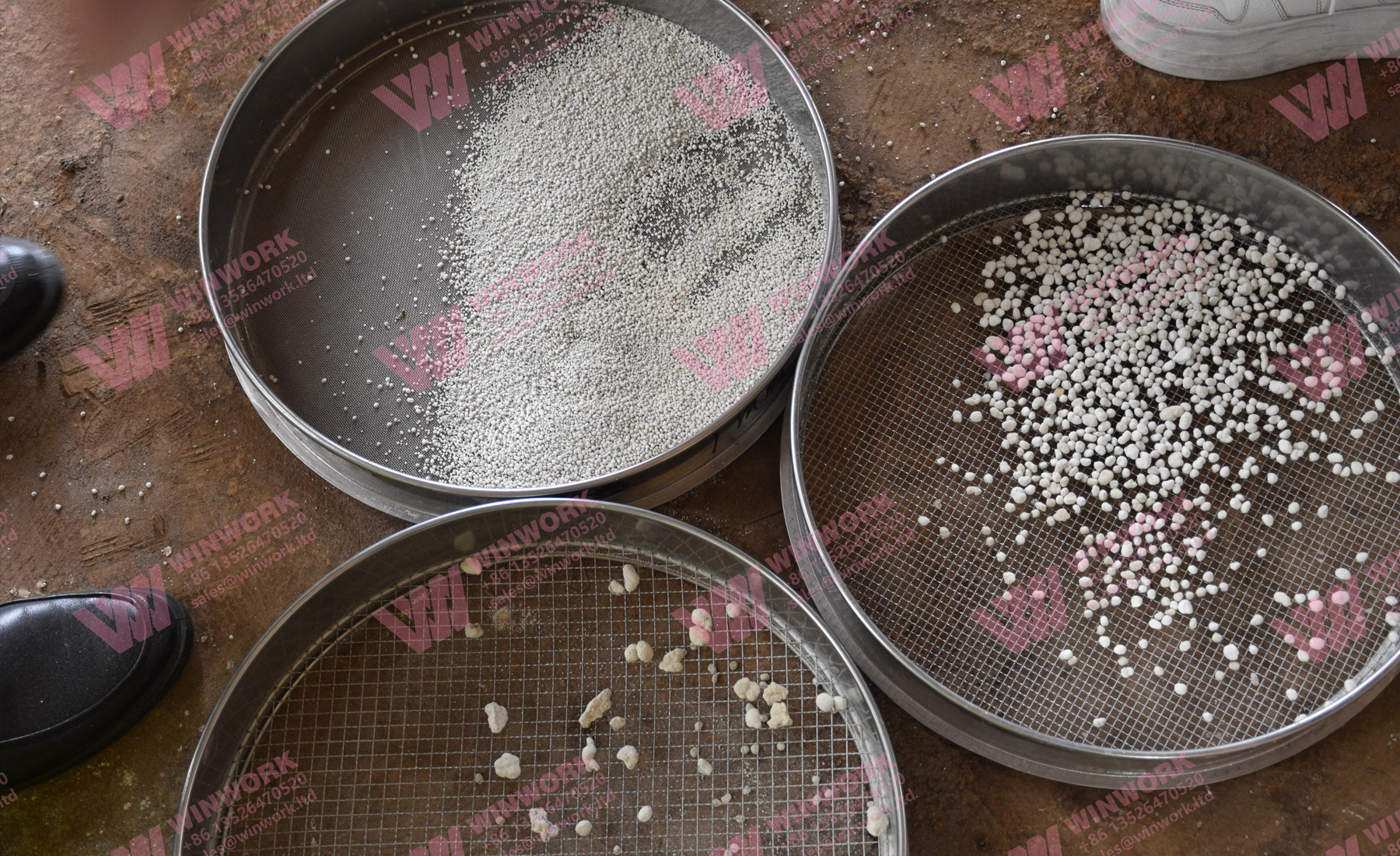
Screening ensures uniform granule size, while automated packaging machines improve efficiency and reduce labor cost.
Chemical Fertilizer Production Equipment
Mixer
Mixers homogenize chemical raw materials to ensure precise nutrient ratios, which is critical in chemical fertilizer formulation.
Granulator
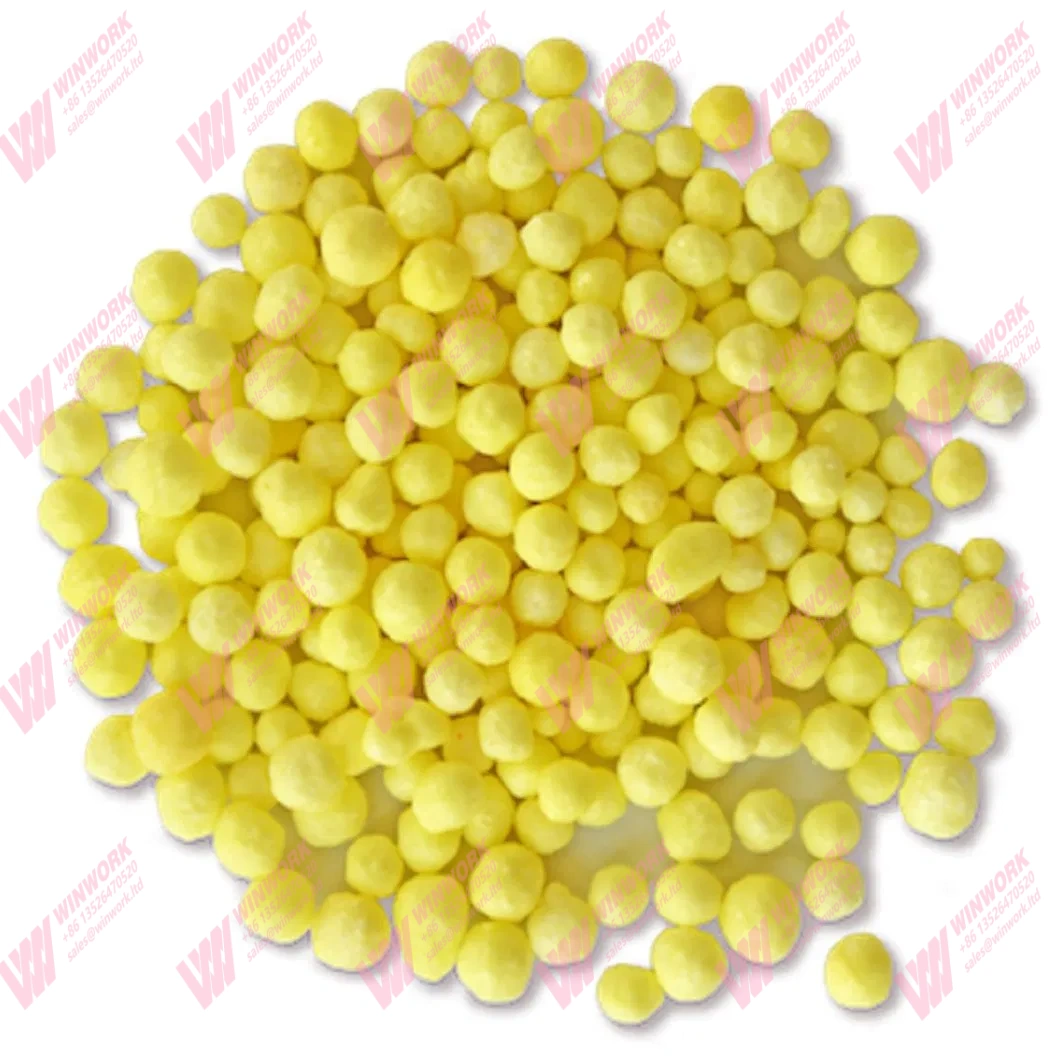
Chemical fertilizer granulators convert powders and liquids into dense, uniform pellets with high strength.
Rotary Dryer
Dryers remove excess moisture efficiently and support high-capacity continuous production.
Coating Machine
Coating machines apply anti-caking agents to improve storage stability and prevent moisture absorption.
Conveyor System
Conveyors enable automated, high-throughput material transport across the production line.
Key Difference: Organic fertilizer equipment must handle heterogeneous, high-moisture materials, while chemical fertilizer equipment focuses on precision and high-capacity processing.
-
Application Methods between organic fertilizer vs chemical fertilizer
Organic Fertilizer
Organic fertilizer is suitable for basal application, top dressing, or blending with chemical fertilizers. Its long-term nutrient release improves soil fertility across multiple growing seasons.
Chemical Fertilizer
Chemical fertilizer can be applied through irrigation systems, mechanical spreaders, or precision dosing equipment. Accurate application is critical to avoid over-fertilization.
-
Best Practices: Combining Organic and Chemical Fertilizers
Modern agriculture increasingly adopts integrated nutrient management strategies:
- Use organic fertilizer to build soil structure and microbial activity
- Apply chemical fertilizer during critical growth stages
- Monitor soil nutrients through regular testing
A balanced organic fertilizer vs chemical fertilizer strategy can reduce chemical input by 30–50%, lower costs, and improve sustainability.
Conclusion
Understanding organic fertilizer vs chemical fertilizer is essential for farmers, agribusinesses, and fertilizer equipment manufacturers.
Organic fertilizers improve soil health, enhance microbial activity, and support environmentally friendly agriculture. Chemical fertilizers provide rapid nutrient supply and high short-term yields but require careful management to avoid environmental damage. Production equipment differs significantly between the two, reflecting raw material characteristics and processing methods.
For long-term economic efficiency and sustainable agriculture, combining organic and chemical fertilizers is often the optimal solution. Investing in advanced organic fertilizer production equipment enables manufacturers to produce high-quality fertilizers while supporting global green agriculture initiatives.
For more details, please feel free to contact us.
Email: sales@lanesvc.com
Contact number: +86 13526470520
Whatsapp: +86 13526470520
Get A Quote