

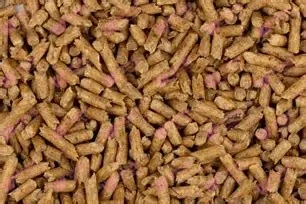
The demand for pine cat litter has grown rapidly in recent years due to its natural, biodegradable properties and strong odor control. Unlike traditional clay-based litter, pine cat litter is made from compressed pine sawdust and other wood residues, providing a renewable and eco-friendly alternative for pet owners.
For manufacturers and investors, setting up a pine cat litter production line offers an opportunity to produce high-quality litter at scale, optimize operational efficiency, and meet growing market demand. This article will cover everything from the definition,raw materials, equipment, workflow, advantages, cost considerations, maintenance, and market trends, ensuring that readers understand how to invest effectively in a pine cat litter production line.
What is Pine Cat Litter?
Pine cat litter is a type of natural, biodegradable litter made from compressed pine sawdust and other wood residues. Unlike traditional clay-based litter, it offers excellent odor control, strong clumping ability, and a renewable, eco-friendly alternative for pet owners. Pine litter is lightweight, low-dust, and safe for both cats and humans, making it increasingly popular in modern households. Its natural scent and absorbent properties also help reduce frequent litter changes, improving convenience for pet owners.
Key Raw Materials for Pine Cat Litter Production Line
The primary raw material for pine cat litter is pine sawdust, often sourced from lumber mills or wood-processing facilities. High-quality sawdust is dry, clean, and free from chemicals or contaminants.Additional materials may include:
Absorbent additives: Improve moisture absorption and clumping performance.
Fragrances or odor control agents: Enhance the litter’s ability to neutralize pet odors naturally.
Binding agents: Help maintain pellet integrity during compression and drying.
Proper selection and preparation of raw materials are essential for producing high-quality pine cat litter that is consistent in granule size, odor control, and absorption efficiency.
Essential Equipment in a Pine Cat Litter Production Line
A complete pine cat litter production line consists of several machines that work together to ensure efficient production:
Wood Crusher: Reduces pine sawdust and wood residues into uniform fine particles. Proper crushing ensures consistent granulation and prevents clogging in subsequent machines.
Mixer: Blends crushed wood with absorbent additives, fragrances, or binders. Uniform mixing is crucial for consistent moisture absorption and pellet formation.
Granulator: Compresses the mixed sawdust into uniform pellets or granules. Different types of granules, such as flat die granulator or double roller granulator, can be used depending on production scale.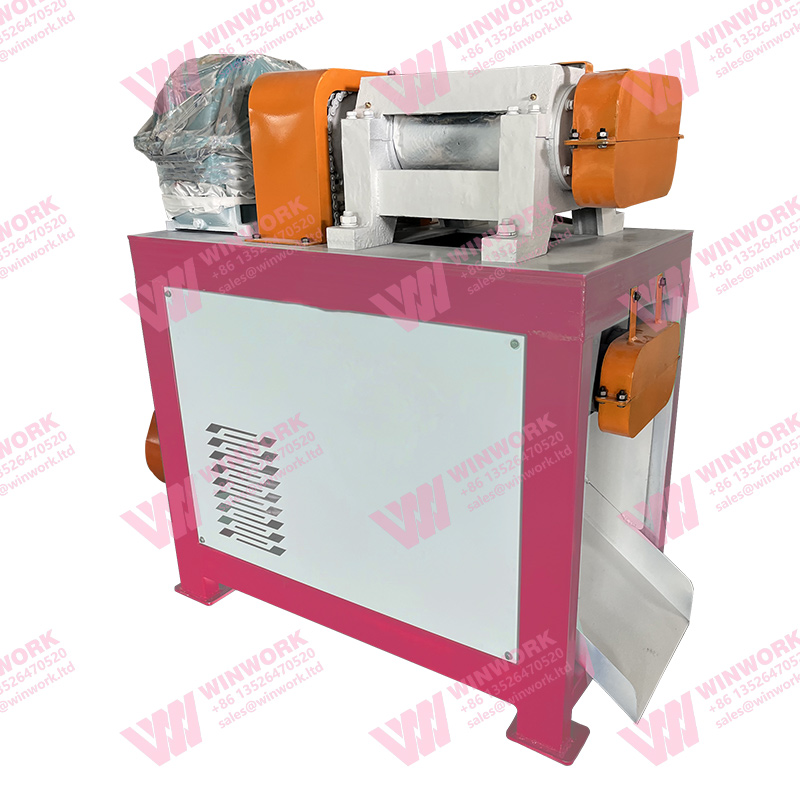
Dryer: Removes excess moisture from pellets, preventing mold growth and improving storage stability. Controlling drying temperature and duration ensures the integrity of each pellet.
Cooler: Reduces the temperature of dried pellets to prevent breakage during handling and packaging.
Screening Machine: Separates oversize or below-standards granules, ensuring uniform quality. Recycles irregular pellets for reprocessing.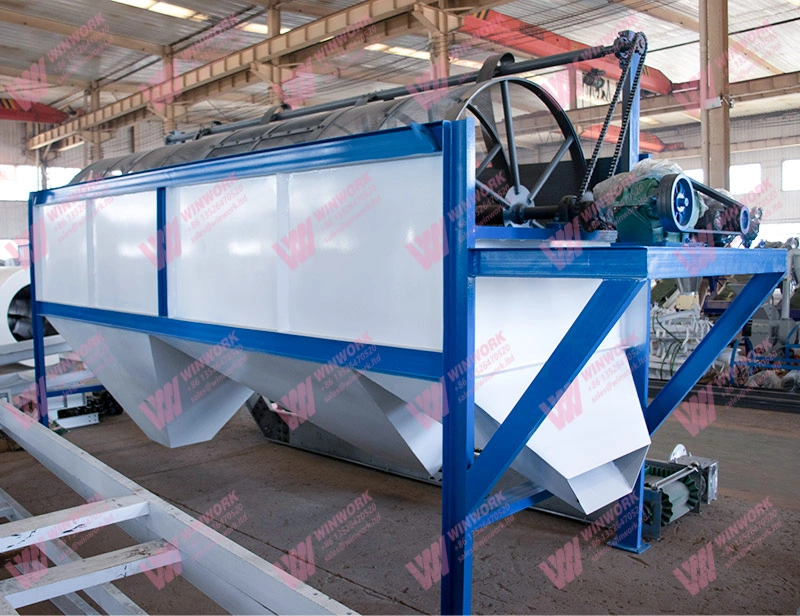
Automatic Packaging Machine: Weighs and packs pine cat litter into retail bags or bulk containers, reducing labor costs and improving efficiency.
Conveyor System: Connects each production stage, ensuring smooth material transfer and continuous production.
Investing in a well-integrated pine cat litter production line allows manufacturers to improve output, reduce labor costs, and maintain consistent product quality.
Production Workflow
A typical workflow of a pine cat litter production line includes several coordinated steps:
Crushing: Pine sawdust is crushed into uniform fine particles, preparing the material for mixing.
Mixing: Crushed sawdust is blended with absorbent additives, fragrances, and binders. Homogeneous mixing ensures consistent moisture absorption and clumping properties.
Granulation: The mixed material is pressed into pellets using a granulator. Pellet size and density are controlled for optimal clumping and handling.
Drying: Pellets are dried to reduce moisture content, ensuring durability and preventing microbial growth.
Cooling: Hot pellets are cooled to ambient temperature to maintain shape and reduce breakage.
Screening: Granules are sorted to ensure uniform size, with irregular pellets recycled for reprocessing.
Packaging: Finished pine cat litter is weighed and packed automatically, ready for distribution.
This workflow ensures that the final product is consistent, high-quality, and eco-friendly, meeting the expectations of modern pet owners.
Advantages of a Pine Cat Litter Production Line
Eco-Friendly Production: Pine cat litter is biodegradable, renewable, and sustainable. Using wood residues helps reduce waste from lumber processing and promotes circular economy practices.
High Efficiency: A fully automated production line can increase output by up to 10% compared to small-scale manual operations. Automation also reduces labor costs and operational errors.
Consistent Product Quality:Granulation, drying, and screening ensure uniform size, shape, and absorption performance. High consistency increases customer satisfaction and reduces returns.
Low Dust and Waste: Proper granulation and screening minimize dust, creating a cleaner work environment and reducing material loss.
Flexible production capacity: Equipment can be upgraded or expanded as demand grows. Manufacturers can start with a medium-capacity line and gradually scale up.
A well-designed pine cat litter production line ensures manufacturers remain competitive while producing high-quality, sustainable products.
Cost Considerations
When investing in a pine cat litter production line, several costs should be considered:
Equipment Costs: Depend on production capacity, automation level, and manufacturer reputation. High-quality granulators, dryers, and packaging machines may have a higher initial investment but improve long-term efficiency.
Raw Material Costs: Pine sawdust is usually affordable, but quality, moisture content, and sourcing affect overall costs.
Operational Costs: Include electricity, labor, maintenance, and consumables like binders or odor control agents.
Space Requirements: The production line layout affects efficiency and future scalability. Properly designed facilities reduce handling time and improve workflow.
Investing wisely ensures a faster return on investment and long-term profitability.
Market Trends and Investment Potential
The market for pine cat litter is growing steadily, driven by consumer preference for eco-friendly and natural pet products. Manufacturers investing in a pine cat litter production line can capitalize on:
- Rising demand for sustainable pet products
- Opportunities to produce custom formulas for odor control or clumping
- Expansion potential into global markets, including Asia, North America, and Europe
With proper equipment, workflow, and quality control, manufacturers can achieve high production efficiency and profitability.
Frequently Asked Questions About Pine Cat Litter Production Line
Q1: What is a pine cat litter production line?
A: It is a complete set of machines that processes pine sawdust into high-quality, clumping cat litter.
Q2: What is the daily production capacity of a typical line?
A: Depending on equipment size, it can produce several tons of pine cat litter per day.
Q3: Can this production line handle different pellet sizes?
A: Yes, graulators can be adjusted to produce various granule sizes for different market needs.
Q4: Is pine cat litter environmentally friendly?
A: Yes, it is biodegradable, renewable, and made from natural wood residues.
Q5: How automated is the production line?
A: Most modern lines are fully automated from mixing to packaging, reducing labor costs and increasing efficiency.
Conclusion
A pine cat litter production line is an ideal investment for manufacturers aiming to produce high-quality, eco-friendly litter efficiently. By integrating crushers, mixers, granulators, dryers, coolers, screening machines, and automatic packaging systems, a complete production line ensures consistent pellet size and quality,high production efficiency, with potential 10% output improvement,reduced labor costs and waste and scalability for future growth.
For B2B clients and equipment investors, understanding the workflow, equipment, and market potential of a pine cat litter production line is essential for achieving sustainable and profitable operations in the expanding pet care market.
For more details, please feel free to contact us.
Email: sales@lanesvc.com
Contact number: +86 13526470520
Whatsapp: +86 13526470520
Get A Quote