

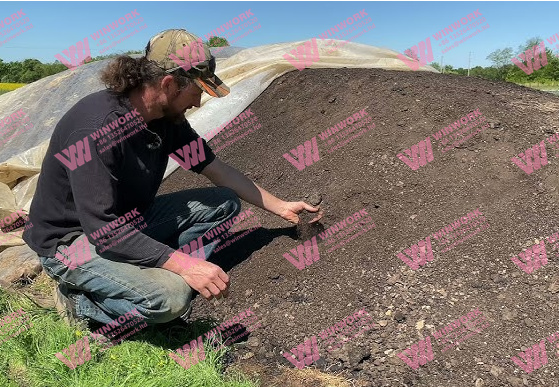
With the high increasing of global attention to sustainable agriculture and environmental protection , Poultry Manure Processing has become a key and important technology for addressing livestock pollution and achieving resource recycling. This article introduces the core equipment, technical processes, and ecological-economic value of Poultry Manure Processing, emphasizing its important role in reducing environmental pollution, producing organic fertilizers, and promoting sustainable agricultural development, while providing actionable insights for the industry.
Nowadays, the scale of modern livestock and poultry breeding is constantly expanding. Of course, the problem of livestock and poultry manure treatment will also become more and more numerous. How to handle these manure reasonably, not only without causing pollution to the environment, but also to achieve waste recycling, is a very important issue. China generates over 3 billion tons of livestock Manure every year.
Among them, Poultry Manure, due to its high nitrogen and phosphorus content and perishable nature, will directly threaten the safety of soil, water sources and air if not properly treated. Therefore, Poultry Manure Processing, as a key link connecting farming and planting, has become a core issue in promoting the green transformation of agriculture.
Technologies for Poultry Manure Processing
Poultry Manure Processing is not merely simple composting; it is a systematic project that relies on specialized equipment to achieve reduction, harmlessness, and resource utilization. Through solid-liquid separation, composting, fermentation, and granulation, this production line orchestrates a symphony of natural processes, converting raw manure into a nutrient-dense fertilizer.
Solid-Liquid Separators: These devices separate moisture from solid matter in manure through screw extrusion or centrifugal force, reducing the difficulty of subsequent processing and serving as the pre-treatment center of Poultry Manure Processing.
High-Temperature Fermentation Tanks: these are harmlessness cornerstone of Poultry Manure Processing, Because this device can effectively kill bacteria, convert organic matter and transform it into substances beneficial to crops.
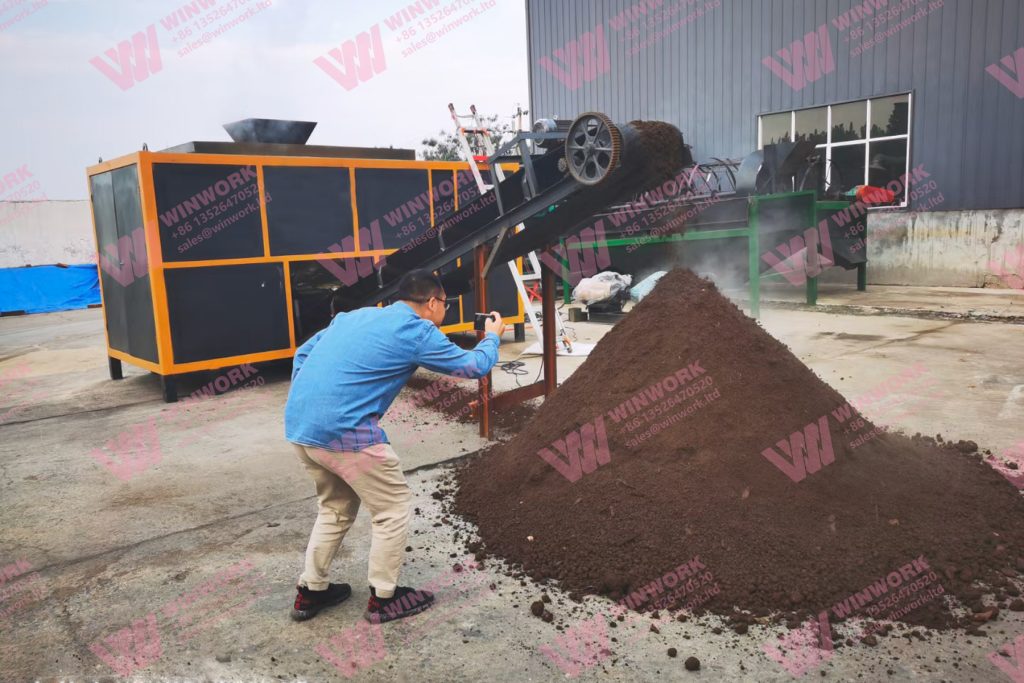
Biogas Generator Sets: at the Poultry Manure Processing, they convert organic matter in manure into biogas for power generation or heating, while producing biogas residue and slurry as high-quality fertilizers.
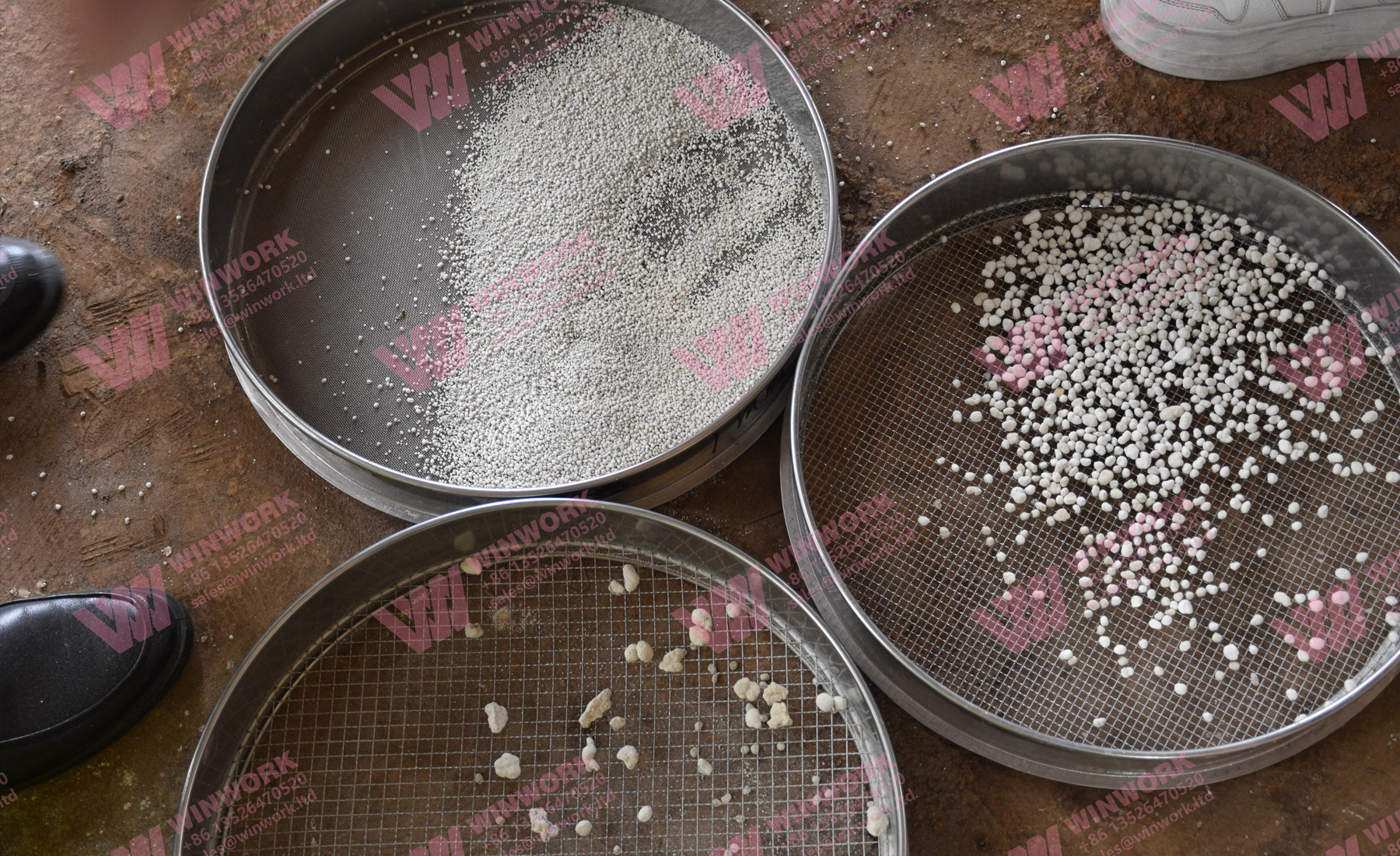
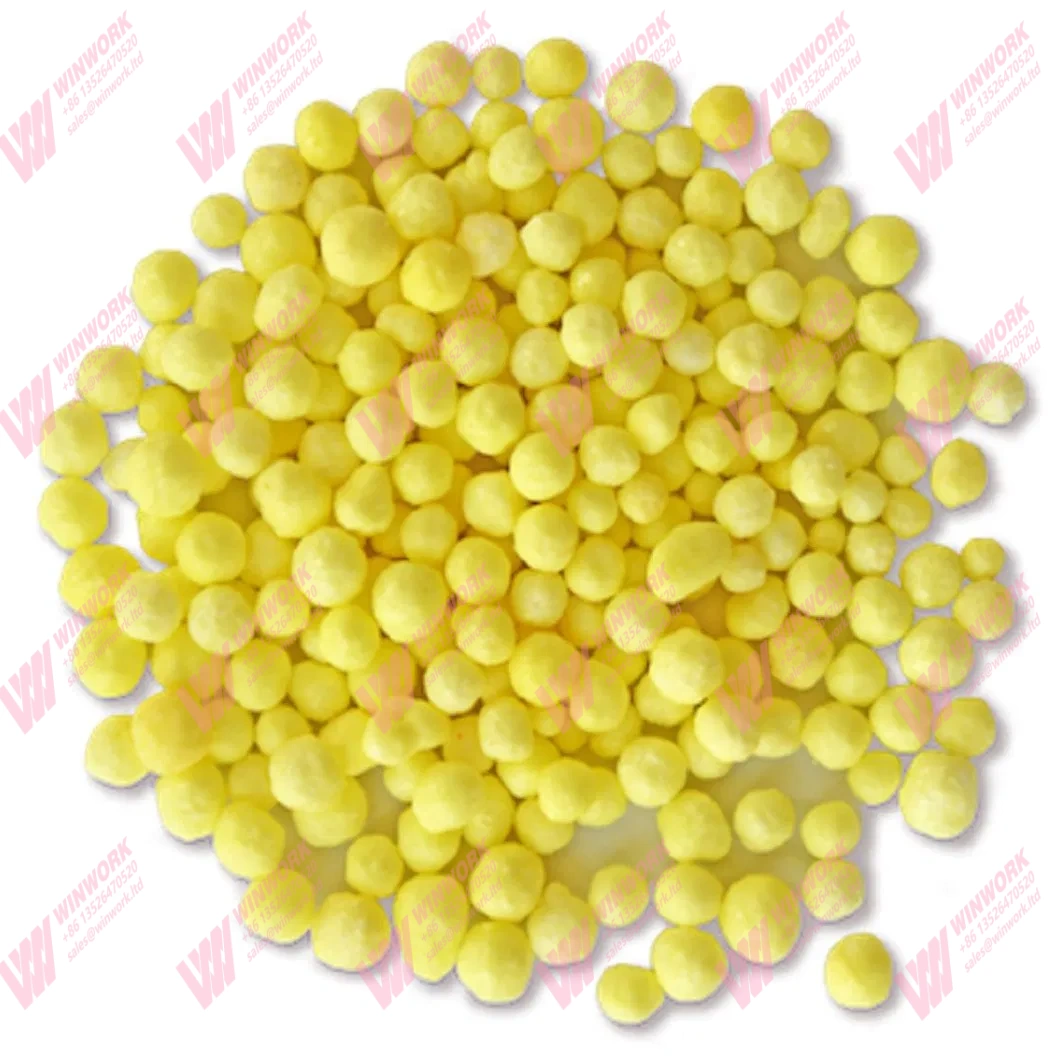
Granulators and Packaging Machines: After the organic fertilizer fermentation is completed, it can be processed into granular form. The purpose of this is to facilitate storage and transportation. It is the final step of Poultry Manure Processing, which is convenient for producers to carry out long-term stable production and storage.
When these steps are combined and work together, they can achieve a complete Poultry Manure Processing process from Manure collection to conversion into organic fertilizer, which can effectively solve the problems of pollution and land occupation mentioned above.
Common Poultry Manure Processing equipments and processes
Fermentation tank is a professional equipment in organic fertilizer production line, it has advanced technology can well ferment organic raw materials, so that the raw materials in specific temperature and humidity conditions to produce chemical reactions, to achieve the desired results, to create excellent conditions for the pelleting process later, to produce organic fertilizer particles rich in elemental content.
Vertical fermentation tank, also known as vertical composters or aerobic fermenters, are designed to promote the decomposition of organic matter into nutrient-rich compost under aerobic conditions. The principle of operation includes the following key steps: Loading: Organic materials are loaded into the vertical tank.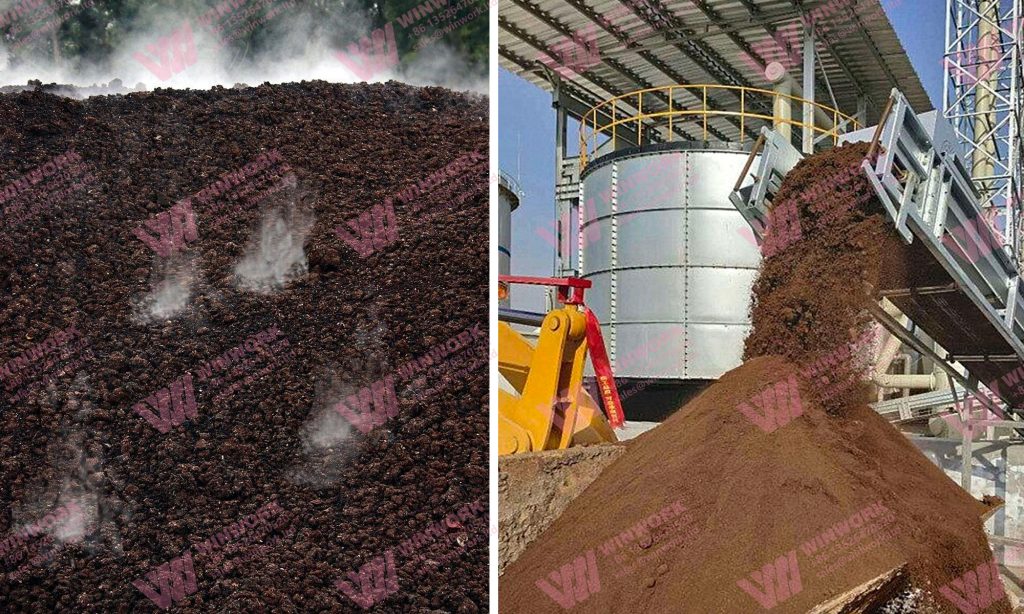
Aeration: The tank is equipped with an aeration system that introduces oxygen into the compost. This promotes the growth of aerobic microorganisms that break down organic matter.
Temperature Control: Some digesters are equipped with a temperature control system that maintains the compost temperature within an optimal range (usually between 130°F and 160°F or 55°C and 70°C) to accelerate decomposition.
Turning or mixing: To ensure uniform decomposition and aeration, some vertical digesters are equipped with devices to turn or mix the compost material.
Humidity Control: Maintain proper humidity (usually about 50-60%) in the tank to support microbial activity. Water may be added as needed.
Maturation: After the composting process is complete, the compost is allowed to mature and cool.
Multiple Significance of Poultry Manure Processing
Environmental Benefits
Untreated poultry manure contains large amounts of ammonia nitrogen, sulfides, and other pollutants, which directly cause water eutrophication, soil compaction, and foul odors when discharged. However, Poultry Manure Processing reduces COD by over 80% and ammonia nitrogen removal rates exceeding 90% through solid-liquid separation and high-temperature fermentation, significantly improving rural ecological environments.
For example, after adopting a Poultry Manure Processing system, a large-scale chicken farm saw ammonia nitrogen concentrations in nearby rivers drop from 15 mg/L to 0.5 mg/L—meeting China’s Class III surface water standards.
Economic Benefits: Turning Waste into Treasure
Poultry Manure Processing not only reduces costs and yields high returns. Take a layer farm producing 100,000 tons of eggs annually: its poultry manure, after Poultry Manure Processing, yields approximately 30,000 tons of organic fertilizer. At a market price of $110 per ton, this generates annual revenue of $3.3 million. If paired with biogas power generation, annual electricity output can reach 2 million kWh—meeting 50% of the farm’s energy needs and saving over $140,000 in electricity costs yearly. This model makes Poultry Manure Processing more efficient, solves the economic pressure on manufacturers, especially for small and medium-sized enterprises, the investment is smaller but the return is greater, and for large enterprises, it improves production efficiency.
In addition, Poultry Manure Processing has the social advantage of supporting sustainable agricultural development and plays an important role in promoting the agricultural economic cycle.
Conclusion
In the future, green ecological development will be a new form of development constantly advocated by society. Poultry Manure Processing is not only a good way to solve the pollution of livestock breeding, reduce the amount of livestock Manure pollution and improve the recycling rate of waste, but also a key vitality to promote the green ecological development of agriculture.
The resource utilization of manure through professional equipment can not only protect the green mountains and clear waters but also create mountains of gold and silver, providing a good solution for the sustainable development of global agriculture. In the future, with technological progress and policy support, Poultry Manure Processing is bound to have broader development space and become an important engine for rural revitalization and ecological civilization construction. Come and join us! Here you can get detailed consultation services and advice.
For more details, please feel free to contact us.
Email: sales@lanesvc.com
Contact number: +8613526470520
Whatsapp: +8613526470520
Get A Quote