

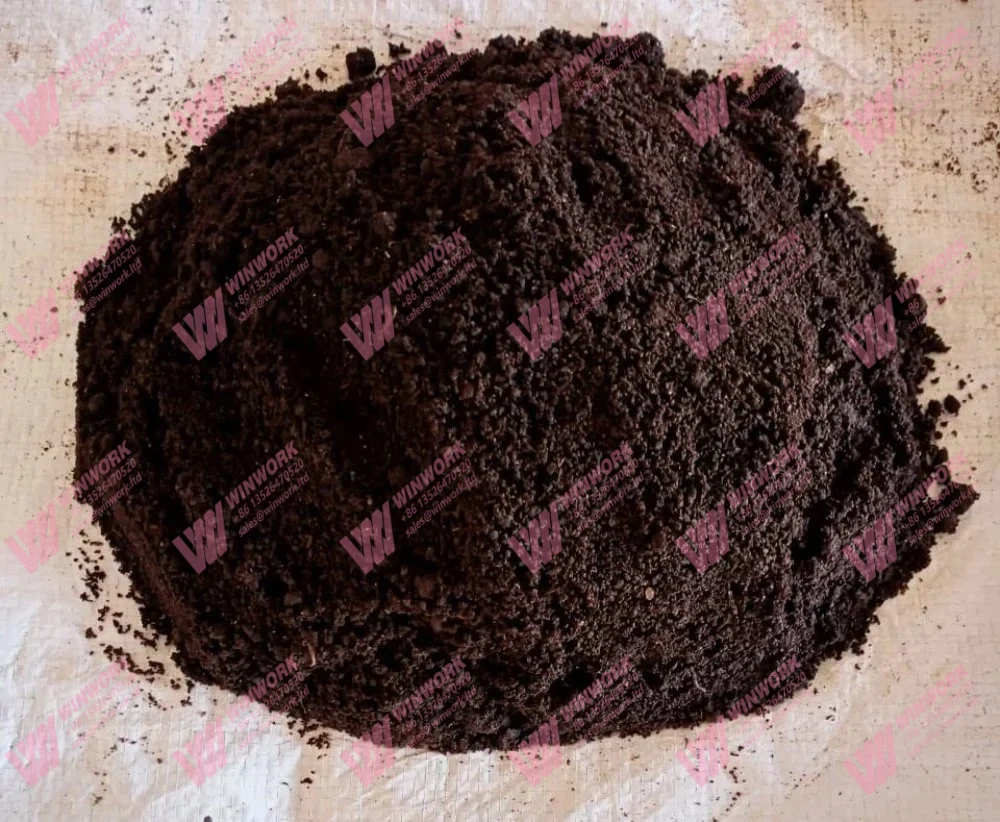
In modern agriculture, the demand for high-efficiency fertilizers is increasing rapidly. Among these, powdered compound fertilizers are widely used due to their uniform nutrient content, fast dissolution, and suitability for various crops. To meet the needs of large-scale farms and commercial fertilizer businesses, investing in a Powdered Compound Fertilizer production line is essential. This article provides a comprehensive guide to the powdered compound fertilizer production line, its equipment, processes, customization options, and market advantages.
What Is a Powdered Compound Fertilizer Production Line?
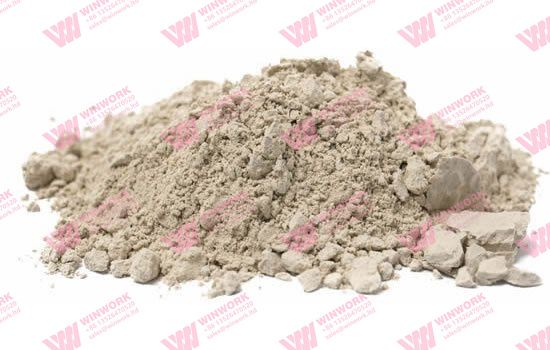
A Powdered Compound Fertilizer production line is an integrated system designed to produce high-quality powdered fertilizers from raw materials such as urea, ammonium phosphate, potassium chloride, and trace elements. Unlike granular fertilizer lines, powdered production lines produce fine, easily soluble fertilizer powders that can be directly applied to soil or mixed with other fertilizers.
The line typically includes raw material batching, crushing, mixing, granulation, drying, cooling, screening, and packaging. Modern production lines are automated and can be tailored to different production capacities, formulas, and local agricultural requirements. A fully tailored Powdered Compound Fertilizer production line allows producers to adjust nutrient ratios, equipment size, and production speed.
Key Equipment in a Powdered Compound Fertilizer Production Line
The efficiency and quality of a Powdered Compound Fertilizer production line depend on its core equipment. Each machine plays a vital role in ensuring consistent output and high nutrient retention.
- Raw Material Feeding System
The feeding system ensures precise delivery of raw materials into the production line. Equipped with automatic weighing machines, bucket elevators, and screw conveyors, this system guarantees accurate proportions for each batch. Customization options allow adjustment for different raw material types and moisture levels.
- Hammer Crusher
A hammer crusher reduces large fertilizer ingredients into fine powders. For a Powdered Compound Fertilizer production line, uniform particle size is critical for nutrient consistency and solubility. Modern crushers allow adjustable output sizes, energy-saving operation, and low dust emission.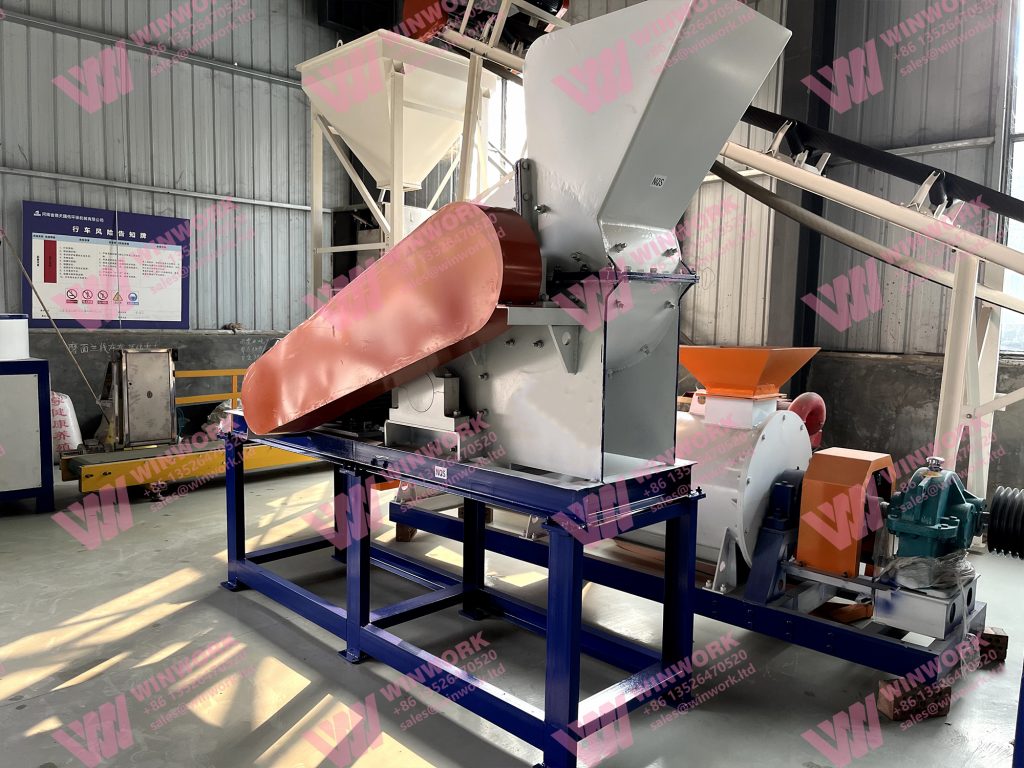
The mixer blends all raw materials evenly. Uniform mixing is essential to ensure each gram of fertilizer contains the intended nutrient ratio. Modifiable mixing machines can handle variable batch sizes, include automatic additives dispensers, and operate continuously or intermittently depending on production needs.
Some powdered fertilizers contain moisture from raw materials. Rotary dryers remove excess water efficiently, preserving nutrient quality. Rotary coolers then reduce temperature to protect powder stability and prevent clumping. Both units can be customized for energy efficiency, capacity, and size, depending on plant requirements.
- Screening Equipment
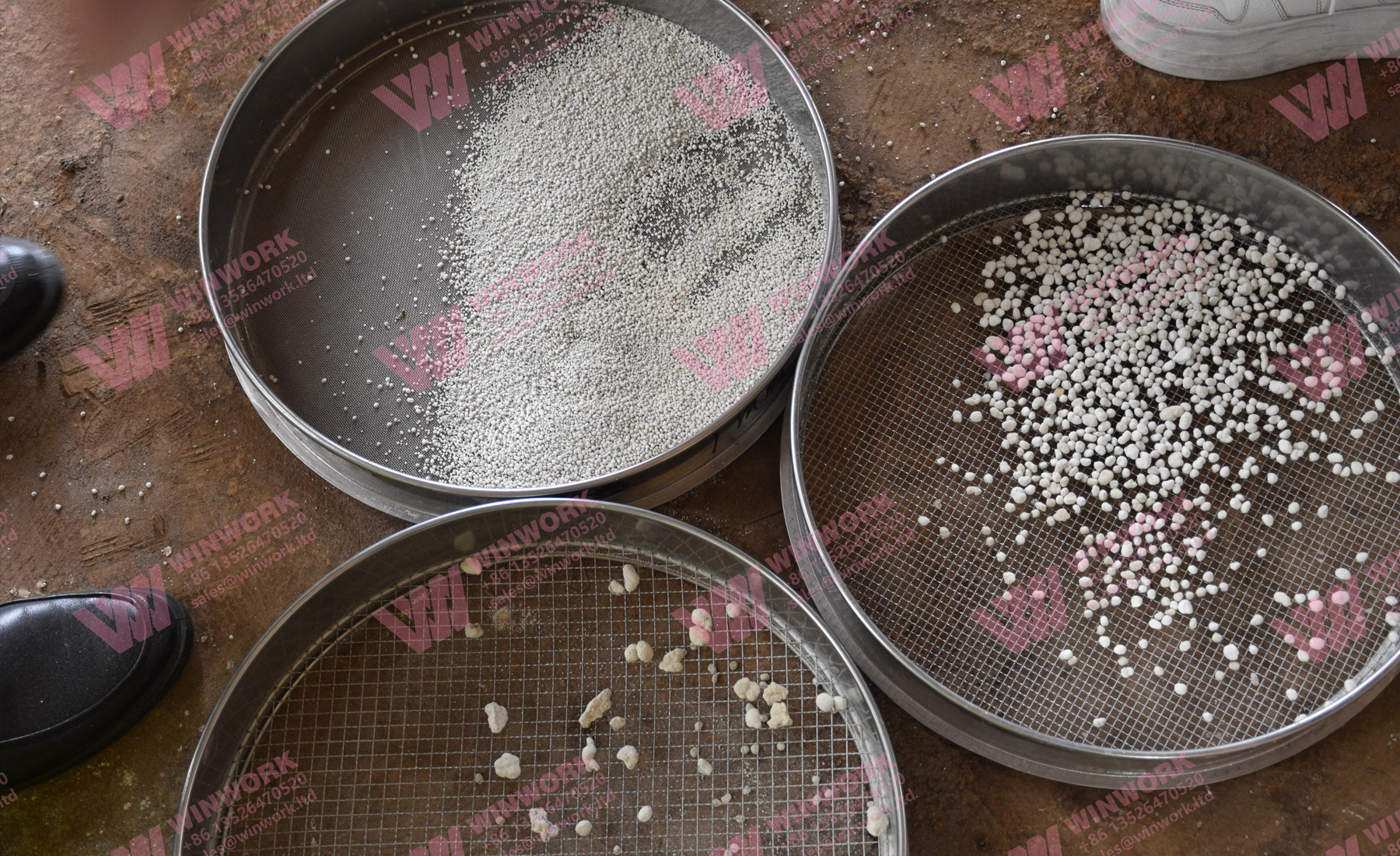
Screening machines separate qualified powdered fertilizer from oversized or undersized particles. Rejected materials are recycled into the production process, ensuring minimal waste. Adjustable screens can accommodate various particle sizes, making the Powdered Compound Fertilizer production line versatile for multiple product specifications.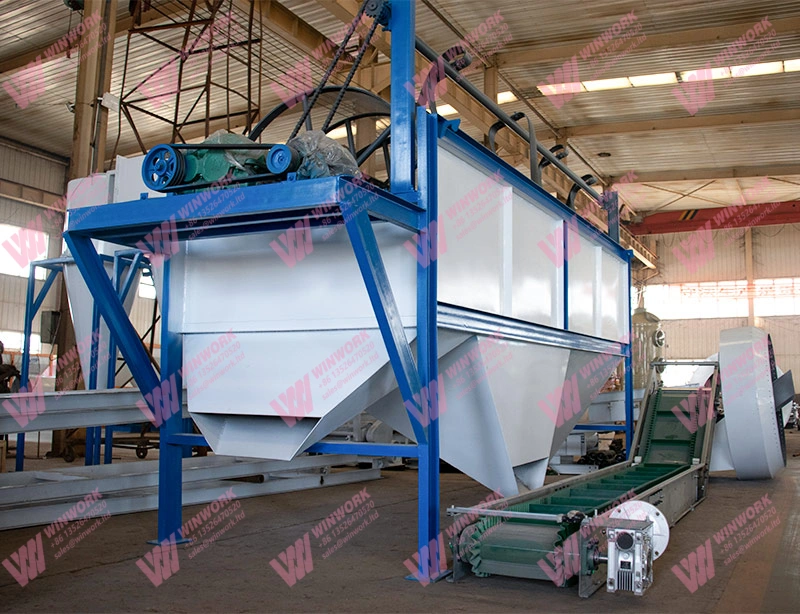
- Packaging System
Automated packaging machines weigh, fill, seal, and label fertilizer bags. They can handle different packaging sizes, from retail bags to bulk containers, and can be customized for speed, bag type, and labeling preferences.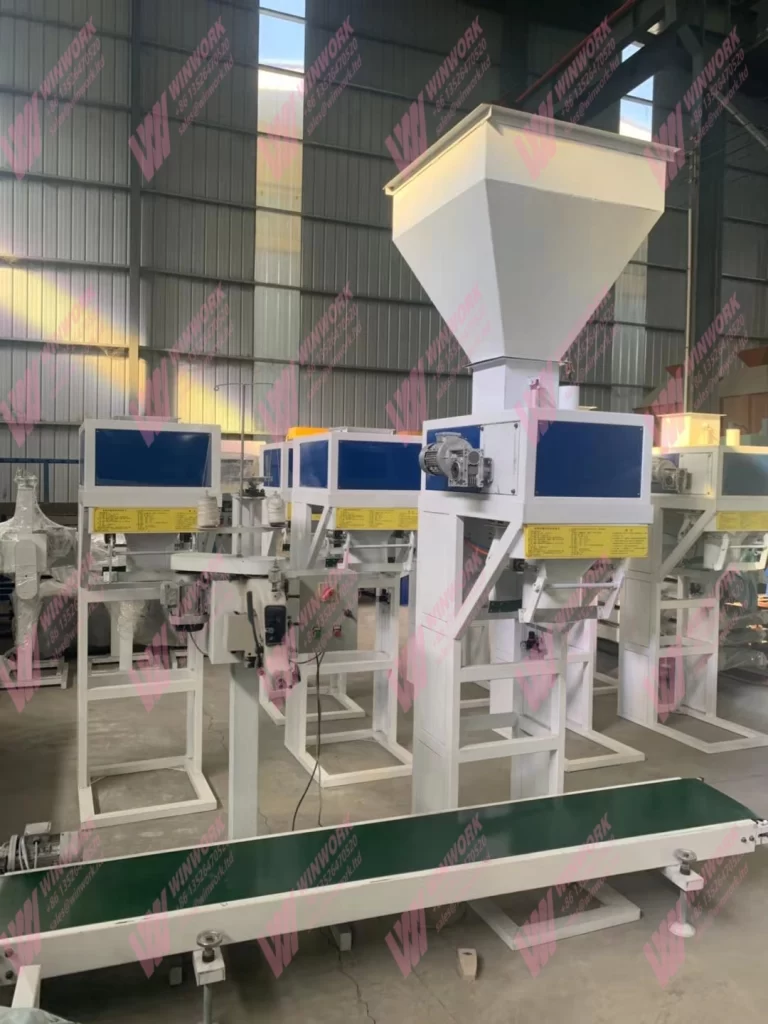
Step-by-Step Process of a Powdered Compound Fertilizer Production Line
Step 1: Raw Material Preparation
High-quality powdered fertilizer begins with selecting and preparing raw materials. Common inputs include urea, ammonium phosphate, potassium chloride, and trace minerals. Raw materials are crushed if needed and weighed accurately for precise nutrient formulation. Custom batching systems allow producers to experiment with new formulas without changing the entire production line.
Step 2: Crushing
Materials are passed through a hammer or impact crusher to achieve uniform particle size. Fine powders improve mixing efficiency and product solubility. Crushers can be equipped with moisture and dust control features to optimize working conditions.
Step 3: Mixing
All raw powders are blended in a high-efficiency mixer. The mixer can be continuous or batch-based, and customization options include automated dosing, adjustable mixing times, and variable capacities to suit different production targets.
Step 4: Drying and Cooling
If raw materials are moist, a rotary dryer removes excess water. Cooling units prevent powder clumping and maintain structural integrity. Both units are customizable in capacity and temperature control to match local climate conditions and material properties.
Step 5: Screening
Screening ensures uniform particle size. Oversized particles are crushed again, while fine powders are returned to the mixing stage if needed. Adjustable screening meshes enable production of multiple fertilizer grades from the same line.
Step 6: Packaging
Finished powdered fertilizer is automatically packed and labeled. Packaging machines can be programmed for variable bag sizes, custom labeling, and fast filling rates. Customization ensures compatibility with local distribution and retail standards.
Advantages of a Tailored Powdered Compound Fertilizer Production Line
Investing in a Powdered Compound Fertilizer production line offers multiple benefits for manufacturers seeking efficiency, sustainability, and profitability:
High Nutrient Uniformity: Accurate batching and mixing systems ensure that each batch of fertilizer contains consistent nutrient levels. This uniformity improves crop growth outcomes and reduces the risk of nutrient imbalance in the soil. By maintaining precise nutrient distribution, a Powdered Compound Fertilizer production line ensures that every granule meets quality standards required by modern agriculture.
Improved Efficiency: Automated systems significantly reduce the need for manual labor and human error, allowing the production line to operate continuously. With 24/7 production capability, manufacturers can meet large-scale demand without compromising quality. A Powdered Compound Fertilizer production line streamlines workflow from raw material preparation to final packaging, boosting overall throughput and operational efficiency.
Energy Savings: Modern equipment designs focus on energy efficiency, reducing electricity and fuel consumption while maintaining high production output. Advanced rotary dryers and mixers optimize energy use without affecting granule quality. By investing in an energy-efficient Powdered Compound Fertilizer production line, producers can lower operating costs and achieve a faster return on investment.
Flexible Production: Tailored lines can produce a variety of fertilizer formulas, particle sizes, and packaging types to meet different market needs. Whether producing slow-release fertilizers, water-soluble powders, or specialty blends, the line can be adjusted for specific crop requirements. Flexibility in production ensures that a Powdered Compound Fertilizer production line can adapt to evolving agricultural trends and customer demands.
Environmental Compliance: Dust collection systems, low-emission designs, and controlled processing help meet local environmental regulations. By minimizing particulate pollution and greenhouse gas emissions, the line supports sustainable fertilizer production. Manufacturers using a Powdered Compound Fertilizer production line can promote their eco-friendly practices, enhancing brand reputation and market competitiveness.
Cost Reduction: Recycling oversized or undersized granules and optimizing raw material usage reduces waste and lowers production costs. Efficient material handling and precise nutrient management ensure maximum utilization of inputs. A well-designed Powdered Compound Fertilizer production line allows manufacturers to achieve cost-effective production while maintaining consistent high-quality output.
Investment Returns of a Powdered Compound Fertilizer Production Line
Investing in a Powdered Compound Fertilizer production line offers substantial returns for fertilizer manufacturers. With modern automated systems, the line ensures high efficiency and profitability while minimizing operational costs. Key investment advantages include:
High Production Efficiency: The automated batching, mixing, and granulation systems in a Powdered Compound Fertilizer production line significantly increase production capacity while reducing the need for labor.
Raw Material Optimization: Accurate weighing and processing of raw materials reduce waste and ensure maximum utilization, which improves overall ROI.
Tailored Product Lines: The line’s adjustable granule size, nutrient composition, and coating options allow manufacturers to produce premium fertilizers tailored to different crops and markets.
Scalable Expansion: A modular Powdered Compound Fertilizer production line can be expanded or upgraded as production demands grow, avoiding the need for a full reinvestment and ensuring long-term profitability.
Energy-Saving and Eco-Friendly Advantages
Modern Powdered Compound Fertilizer production lines not only improve production efficiency but also prioritize energy conservation and environmental protection. These eco-friendly advantages include:
Energy-Efficient Equipment: Advanced motors and optimized rotary dryers reduce electricity consumption while maintaining high output.
Reduced Emissions and Dust: Integrated dust collection systems and emission controls minimize environmental impact, ensuring compliance with environmental regulations.
Minimal Raw Material Waste: Oversized or undersized granules are recycled within the line, reducing waste and enhancing sustainable production.
Sustainable Production: The use of eco-friendly processes, coating materials, and energy-saving technology ensures that fertilizers are safer for soil, water, and the surrounding ecosystem.
Market Applications and Scenarios
A Powdered Compound Fertilizer production line is suitable for:
Large Farms: Direct application of fine powders improves nutrient absorption.
Fertilizer Traders: Modified formulations allow meeting various client requirements.
Export Manufacturers: Automated packaging ensures consistency for international markets.
Research Institutions: Adjustable lines allow experimentation with new fertilizer blends.
How to Choose the Right Powdered Compound Fertilizer Production Line
When selecting a line, consider:
Production Capacity: Match line capacity with market demand.
Automation Level: Higher automation reduces labor costs and improves consistency.
Customization: Ability to adjust formulas, powder fineness, and packaging.
After-Sales Support: Reliable suppliers provide installation, training, and maintenance.
Energy Efficiency: Modern designs lower operating costs and environmental impact.
Frequently Asked Questions About Powdered Compound Fertilizer Production Line
Q1: Can the line produce multiple fertilizer formulas?
A1: Yes, fully tailored lines allow variable nutrient ratios and raw materials.
Q2: What is the typical output capacity?
A2: Depending on equipment size, capacities range from 5–30 tons per hour.
Q3: Is this production line suitable for small-scale operations?
A3: Yes, small modular lines are available with adjustable batch sizes.
Q4: How long is installation and training?
A4: Usually 3–6 weeks depending on line size and complexity.
Q5: Can recycled materials be used?
A5: Yes, if treated and compatible with nutrient formulation.
Conclusion
A Powdered Compound Fertilizer production line is an essential investment for modern fertilizer manufacturers. Its automated, tailored equipment ensures high nutrient uniformity, production efficiency, and environmental compliance. By choosing a fully adjustable production line, manufacturers can produce a wide range of fertilizers, optimize operational costs, and meet growing market demand.
Whether upgrading an existing plant or starting a new facility, a tailored Powdered Compound Fertilizer production line is key to staying competitive in the agricultural industry.
For more details, please feel free to contact us.
Email: sales@lanesvc.com
Contact number: +86 13526470520
Whatsapp: +86 13526470520
Get A Quote