

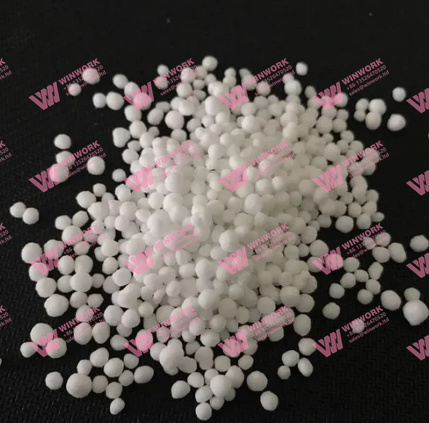
In modern agriculture, the demand for efficient and sustainable fertilizers is rising. Slow-release compound fertilizer production line plays a crucial role in meeting this need, allowing manufacturers to produce fertilizers that gradually release nutrients, improving crop yields while reducing environmental impact. This guide explores the definition, production process, core equipment, benefits, and market trends of the slow-release compound fertilizer production line, helping manufacturers understand its value in the agricultural industry.
The Definition of Slow-Release Compound Fertilizer
A slow-release compound fertilizer gradually releases essential nutrients such as nitrogen, phosphorus, and potassium over time. This controlled nutrient release reduces leaching, provides consistent nutrition to crops, and minimizes environmental pollution. Unlike conventional fertilizers that release nutrients immediately, slow-release fertilizers meet plant needs at different growth stages, improving crop health and productivity.
To manufacture these fertilizers at scale, a slow-release compound fertilizer production line is essential. This production line integrates raw material batching, granulation, coating, drying, cooling, screening, and packaging into a continuous and efficient process, ensuring nutrient consistency and uniform granule quality.
The Process of Slow-Release Compound Fertilizer Production Line
The production of slow-release compound fertilizers requires an advanced, highly efficient production line that incorporates several key steps to ensure product quality and consistency. Below are the major stages involved in the production of slow-release compound fertilizers.
Step 1: Raw Material Preparation
The production process begins with the selection and preparation of raw materials, including nitrogen, phosphorus, potassium, and other nutrients. These raw materials are typically sourced from various chemical compounds such as ammonium nitrate, urea, monoammonium phosphate (MAP), and potassium chloride (KCl). The raw materials are then weighed, mixed, and prepared in precise quantities to form the base of the fertilizer.
Step 2: Granulation
The next step in the production line involves the granulation process, where the mixed raw materials are agglomerated into small granules. This can be done through either a rotary drum granulator or a disc granulator. The granules are formed by introducing water or other binding agents to hold the materials together.
Step 3: Coating
In the production of slow-release fertilizers, the granules are coated with a controlled-release material, such as a polymer or sulfur. The coating acts as a barrier that regulates the release of nutrients over time. This process is crucial for ensuring the slow-release characteristics of the fertilizer.
During this phase, the granules are passed through a coating machine, where the controlled-release material is evenly applied to each granule’s surface. This coating can be applied in multiple layers to achieve the desired release rate and effectiveness.
Step 4: Drying and Cooling
After coating, granules are dried using rotary dryers to remove excess moisture and then cooled to prevent breakage. Drying and cooling machines in the slow-release compound fertilizer production line enhance granule strength and preserve nutrient release properties.
Step 5: Screening and Packaging
Screening separates qualified granules from oversized or undersized particles. The final product is packaged using automatic machines for bags or bulk storage. The automated packaging system in the slow-release compound fertilizer production line improves efficiency and reduces labor costs.
Core Equipment of Slow-Release Compound Fertilizer Production Line
A well-designed slow-release compound fertilizer production line incorporates various essential equipment to ensure efficient and high-quality production. The core equipment includes:
Raw Material Feeding System: This system is responsible for accurately feeding the raw materials into the production line. It includes automatic weighing machines, feeders, and bucket elevators to ensure the correct proportion of each raw material is used.
Granulator: The granulator is a critical component that forms the base granules by agglomerating the raw materials. Common granulators used in slow-release fertilizer production include rotary drum granulators, disc granulators, and flat-die granulators.
Coating Machine: This machine applies the controlled-release coating to the fertilizer granules. It can be a fluid bed coating machine or a rotary drum coater, depending on the desired coating material and application method.
Rotary Drying and Cooling Machine: A rotary dryer is used to remove excess moisture from the granules and ensure proper hardening. The dryer must maintain an optimal temperature to avoid damaging the coating and preserve the slow-release properties. A cooling machine is used to lower the temperature of the dried granules to a safe level, preventing them from becoming too brittle and ensuring they retain their shape and integrity.
Screening Machine: A screening machine is used to separate the high-quality granules from oversized or undersized particles. This ensures that only the uniform and effective granules reach the packaging stage.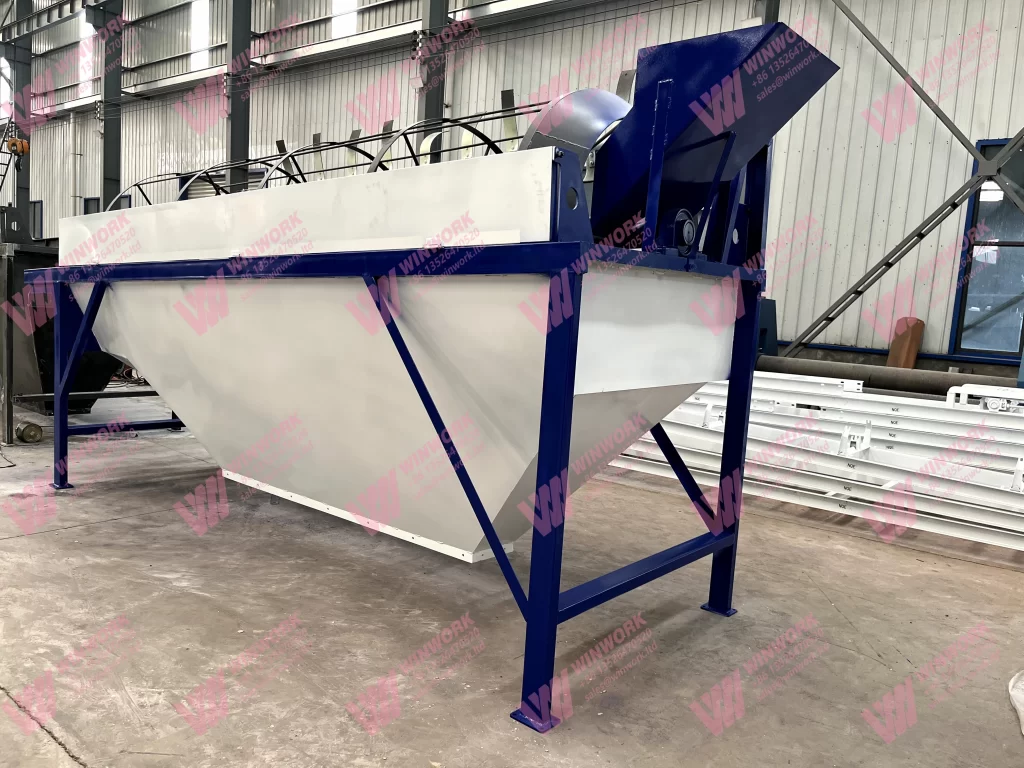
Packaging Equipment: After screening, the fertilizer granules are packed into bags or bulk containers using automatic packaging machines. These machines can fill, seal, and label the bags for easy transportation and sale.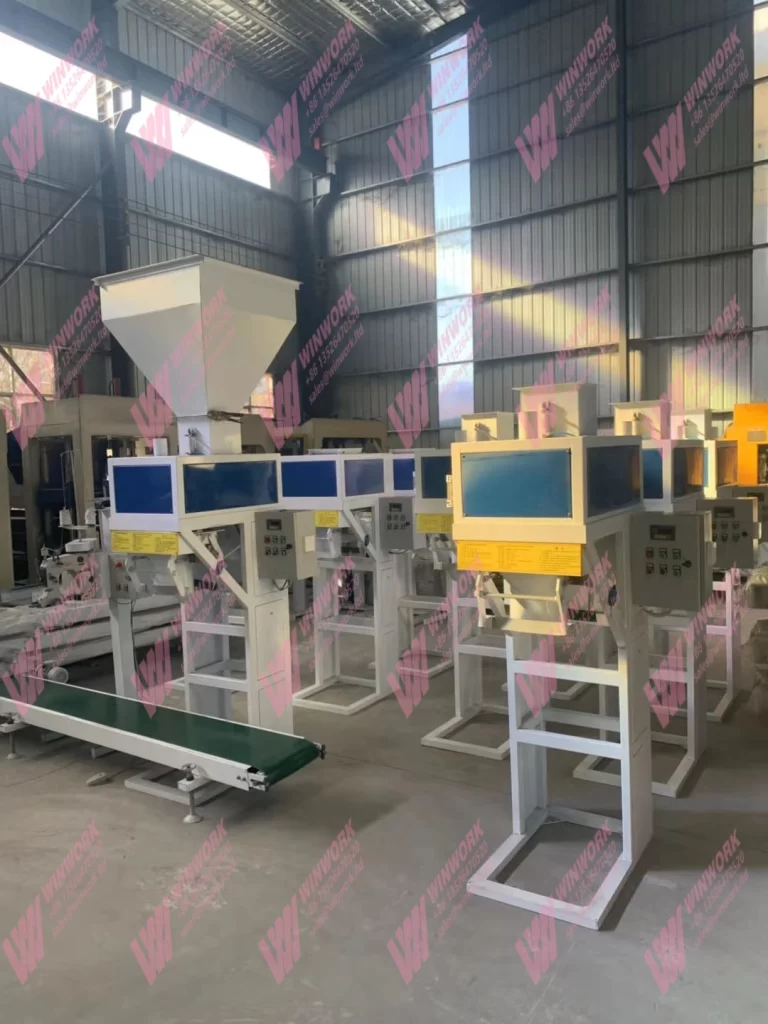
Benefits of Choosing a Slow-Release Compound Fertilizer Production Line
Investing in a slow-release compound fertilizer production line offers several key benefits for fertilizer manufacturers and agricultural producers:
Reduced Nutrient Loss: Slow-release fertilizers minimize the risk of nutrient leaching, ensuring that crops receive a steady supply of nutrients without environmental pollution.
Improved Crop Yields: By providing a continuous and balanced supply of nutrients, slow-release fertilizers can improve crop health, leading to higher yields and better-quality produce.
Environmental Sustainability: Slow-release fertilizers are more environmentally friendly because they reduce nutrient runoff into water bodies, preventing pollution and preserving ecosystems.
Cost-Effective: While slow-release fertilizers may have a higher initial cost, their efficiency and long-term benefits can lead to cost savings in the form of reduced fertilizer application frequency and improved crop production.
Customized Formulations: Slow-release compound fertilizer production lines can be adapted to produce a wide variety of fertilizer blends tailored to specific soil types, crops, and environmental conditions.
Applicable Scenarios and Market Trends of Slow-Release Compound Fertilizer Production Line
The demand for slow-release compound fertilizers is growing worldwide, driven by the need for sustainable farming practices and efficient nutrient management. Slow-release fertilizers are particularly suitable for:
High-value crops: These include fruits, vegetables, and ornamental plants that require a steady supply of nutrients for optimal growth.
Environmental protection: Slow-release fertilizers are increasingly used in regions where nutrient runoff and environmental pollution are concerns.
Precision agriculture: As precision farming techniques become more widespread, slow-release fertilizers offer an ideal solution for managing soil health and nutrient distribution.
Market trends indicate that the global slow-release fertilizer market is expanding as more farmers adopt these products to improve efficiency and reduce environmental impact. Manufacturers of slow-release fertilizer production line can take advantage of this trend by offering customized, high-performance production equipment.
Frequently Asked Questions About Slow-Release Compound Fertilizer Production Line
Q: How long does it take for a slow-release fertilizer to release its nutrients?
A: Slow-release fertilizers can release their nutrients over periods ranging from several weeks to several months, depending on the formulation and coating material.
Q: Can a slow-release fertilizer production line be used to produce different fertilizer formulations?
A: Yes, a slow-release fertilizer production line can be adjusted to produce different nutrient formulations based on the needs of specific crops or soil conditions.
Q: What is the main difference between slow-release and controlled-release fertilizers?
A: While both slow-release and controlled-release fertilizers provide nutrients over time, controlled-release fertilizers use specific coatings or materials to regulate the release rate, whereas slow-release fertilizers rely more on the natural dissolution or degradation of their components.
Conclusion
A slow-release compound fertilizer production line is a critical investment for modern fertilizer manufacturing, ensuring nutrient efficiency, environmental protection, and high-quality output. Manufacturers who adopt these production lines can meet growing market demand for sustainable fertilizers, improve crop yields, and achieve long-term profitability.
For more details, please feel free to contact us.
Email: sales@lanesvc.com
Contact number: +86 13526470520
Whatsapp: +86 13526470520
Get A Quote