

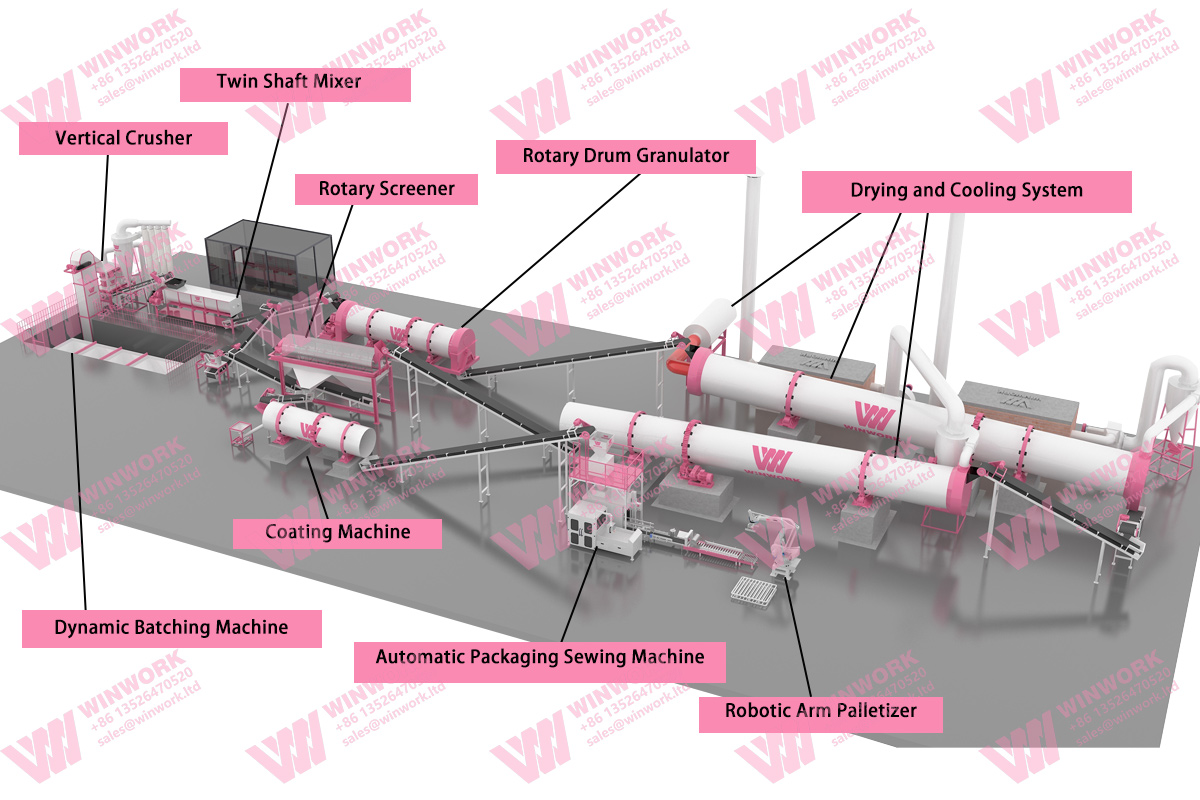
As global agriculture continues to move toward efficiency, sustainability, and localized production, compound fertilizers remain one of the most widely used nutrient solutions for crops. For many manufacturers, especially small and medium-sized enterprises, investing in a small scale compound fertilizer production line has become a practical and strategic choice.
Compared with large industrial compound fertilizer production plants, a small scale one offers lower investment cost, flexible operation, and faster return on investment, making it ideal for regional markets and emerging agricultural economies.
This article provides a comprehensive explanation of how a small scale compound fertilizer production line works, including process flow, equipment configuration, capacity options, cost considerations, technical challenges, and application scenarios. It is designed to help manufacturers and investors understand how to build a reliable and profitable compound fertilizer production system on a smaller scale.
What Is a Small Scale Compound Fertilizer Production Line?
A small scale compound fertilizer production line refers to a fertilizer manufacturing system designed to produce compound fertilizers with relatively low to medium capacity, typically ranging from 1–5 tons per hour. These systems are widely used by local fertilizer producers, agricultural cooperatives, and investors entering the fertilizer industry for the first time.
Unlike large-scale compound fertilizer plants that require complex infrastructure and high capital investment, a small scale production line focuses on simplicity, flexibility, and cost control. It integrates essential production steps such as raw material batching, mixing, granulation, drying, screening, and packaging into a compact and efficient system.
The goal of a small scale compound fertilizer production line is not maximum output, but stable quality, manageable operating cost, and adaptability to different fertilizer formulas.
Why Choose a Small Scale Compound Fertilizer Production Line?
For many manufacturers, starting with a small scale compound fertilizer production line is a safer and more sustainable business strategy. There are several reasons why this type of production line is widely adopted.
First, the investment threshold is significantly lower. It requires less land, fewer machines, and simpler auxiliary systems, reducing initial financial pressure.
Second, operation and maintenance are easier. Smaller systems are easier to manage, require fewer workers, and allow faster troubleshooting.
Third, flexibility is higher. It can easily switch between different NPK formulations based on seasonal or regional demand.
These advantages make the small scale compound fertilizer production line particularly suitable for developing markets, regional fertilizer suppliers, and companies testing new fertilizer products.
Typical Products Produced by a Small Scale Compound Fertilizer Production Line
A properly configured small scale compound fertilizer production line can produce a wide range of compound fertilizers, including:
- NPK compound fertilizers
- Nitrogen-based compound fertilizers
- Phosphorus-rich fertilizers
- Potassium-enhanced fertilizers
- Customized regional fertilizer formulas
The ability to adjust nutrient ratios is one of the biggest strengths of a small scale compound fertilizer production line. By changing raw material proportions, manufacturers can respond quickly to crop needs and soil conditions.
Core Process Flow of a Small Scale Compound Fertilizer Production Line
A standard small scale compound fertilizer production line follows a systematic and controlled process to ensure consistent quality and stable output.
- Raw Material Batching and Feeding
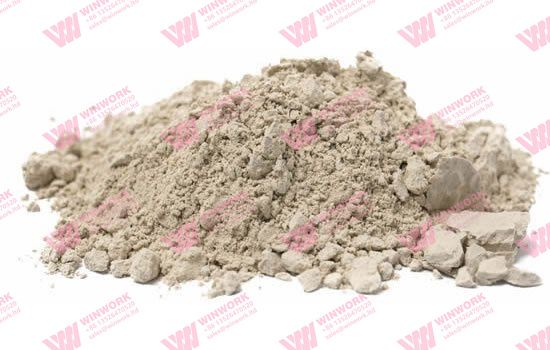
Raw materials such as urea, ammonium sulfate, monoammonium phosphate, diammonium phosphate, potassium chloride, or potassium sulfate are stored separately.
In the production line, accurate batching is critical, as nutrient imbalance directly affects fertilizer performance.
Automatic or semi-automatic dosing systems are commonly used to ensure formulation accuracy.
- Mixing System
After batching, raw materials enter a mixer where they are uniformly blended. Uniform mixing improves nutrient distribution and prepares materials for granulation.
In this fertilizer production line, horizontal mixers or double-shaft mixers are often used due to their compact structure and reliable performance.
- Granulation Process
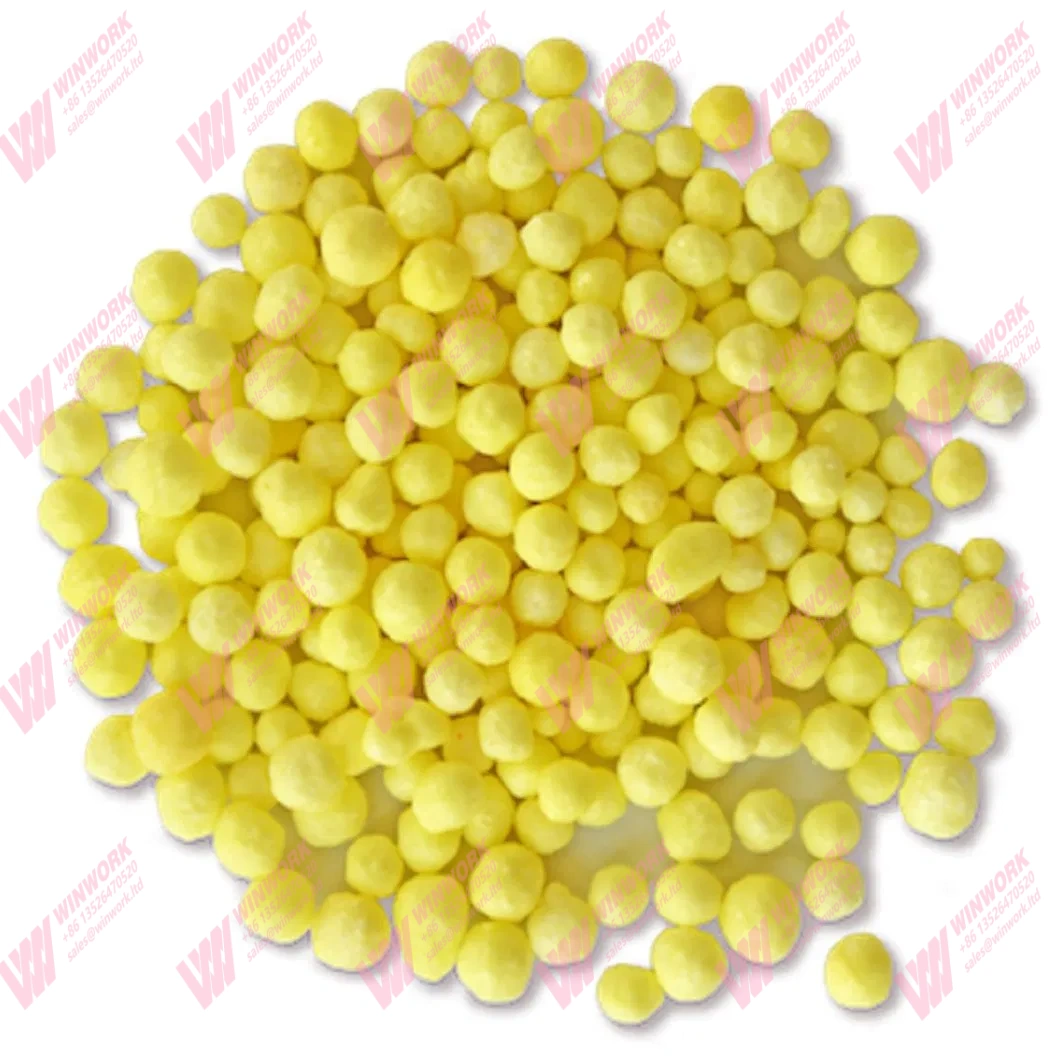
Granulation is the core stage of a small scale compound fertilizer production line. This step transforms powdered materials into granules that are easier to store, transport, and apply.
Common granulation equipment includes:
- Disc granulators
- Rotary drum granulators
- Double Roller granulators
Each option has different advantages depending on raw materials and product requirements.
- Drying and Cooling
Freshly formed granules usually contain excess moisture. A dryer reduces moisture content to improve strength and storage stability.
In a small scale compound fertilizer production line, rotary dryers are widely used due to their stable performance and moderate energy consumption.
After drying, cooling equipment reduces granule temperature to prevent caking during packaging.
- Screening and Recycling
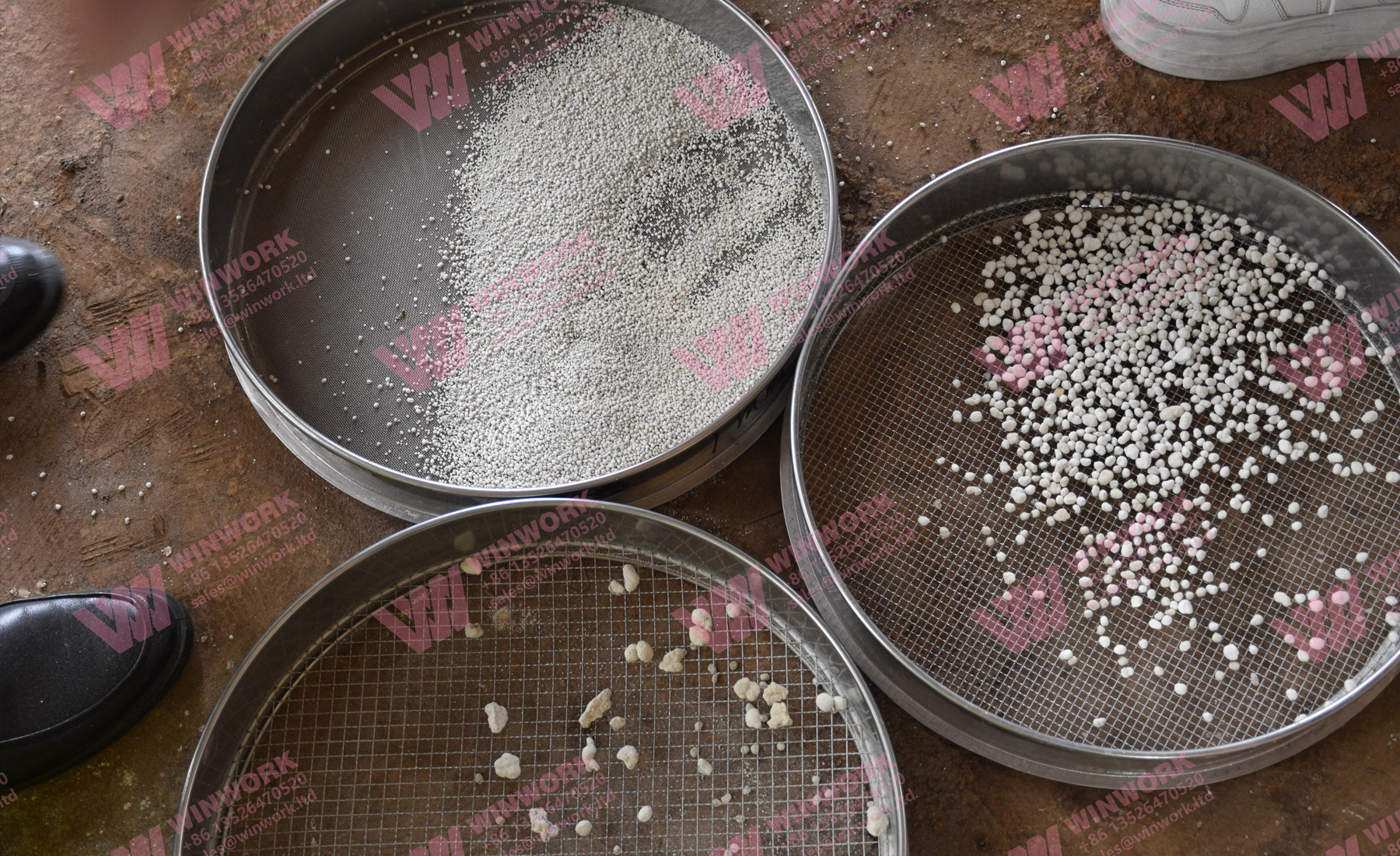
Screening machines separate qualified granules from oversized or undersized particles.
Unqualified material is returned to the granulation stage, improving raw material utilization and reducing waste in the small scale compound fertilizer production line.
- Packaging and Storage
Qualified fertilizer granules are automatically weighed and packed into bags of different sizes.
Even in a small scale compound fertilizer production line, automatic packaging systems are increasingly preferred to reduce labor cost and improve consistency.
Key Equipment in a Small Scale Compound Fertilizer Production Line
The reliability of a small scale compound fertilizer production line depends on how well each piece of equipment is selected and integrated. Each core machine plays a specific role in ensuring stable production, consistent quality, and controlled operating costs.
Raw Material Dosing System
The raw material dosing system ensures accurate feeding of nitrogen, phosphorus, potassium, and additives according to the formulation. Precise dosing helps maintain stable nutrient ratios and reduces raw material waste in a small scale compound fertilizer production line.
Mixer
The mixer provides uniform blending of all raw materials before granulation, which is essential for consistent nutrient distribution. Proper mixing directly improves granule quality and reduces segregation during downstream processing.
Granulator
The granulator determines granule shape, size, and mechanical strength, making it the core equipment in a small scale compound fertilizer production line. Stable granulation improves fertilizer appearance, application performance, and market acceptance.
Dryer and Cooler
The dryer removes excess moisture from freshly formed granules to ensure storage stability and prevent caking. The cooler then reduces granule temperature, protecting product quality during screening, packaging, and transportation.
Screening Machine
The screening machine separates qualified granules from fines and oversized particles to ensure consistent product size. Unqualified material is recycled back into the granulation process, improving raw material utilization.
The packaging machine automatically weighs and bags finished fertilizer products with high accuracy. Automated pack
Granulator Options for Small Scale Compound Fertilizer Production Line
Choosing the right granulators is a key decision when designing a small scale compound fertilizer production line.
Disc granulators are widely used in small scale compound fertilizer production line setups due to low investment cost and easy operation. They are suitable for flexible production and formula changes.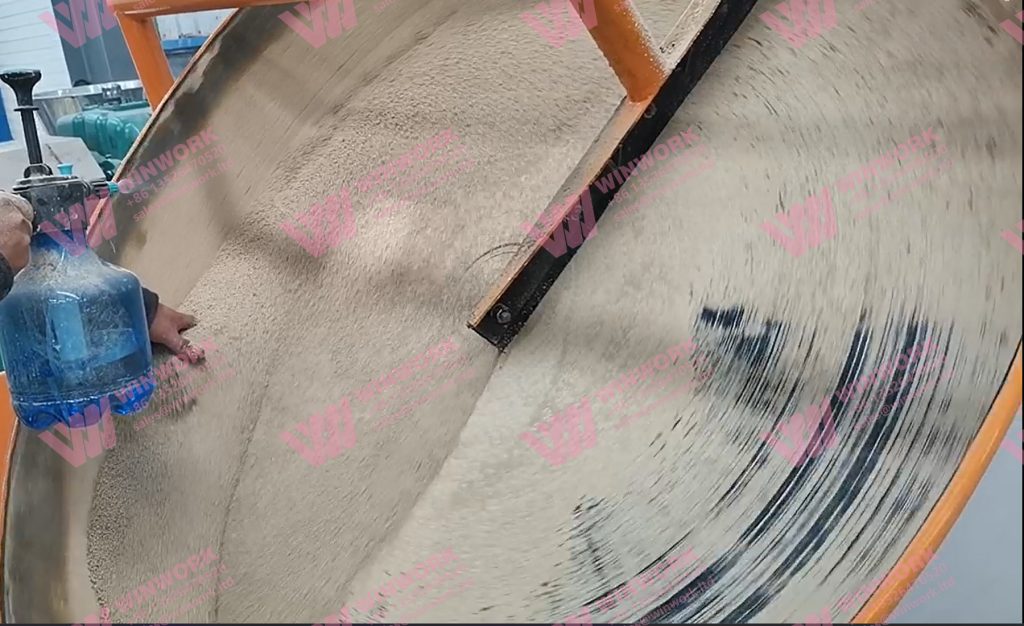
Rotary drum granulators offer higher granule strength and continuous operation. They are suitable for manufacturers with stable formulations and higher output requirements.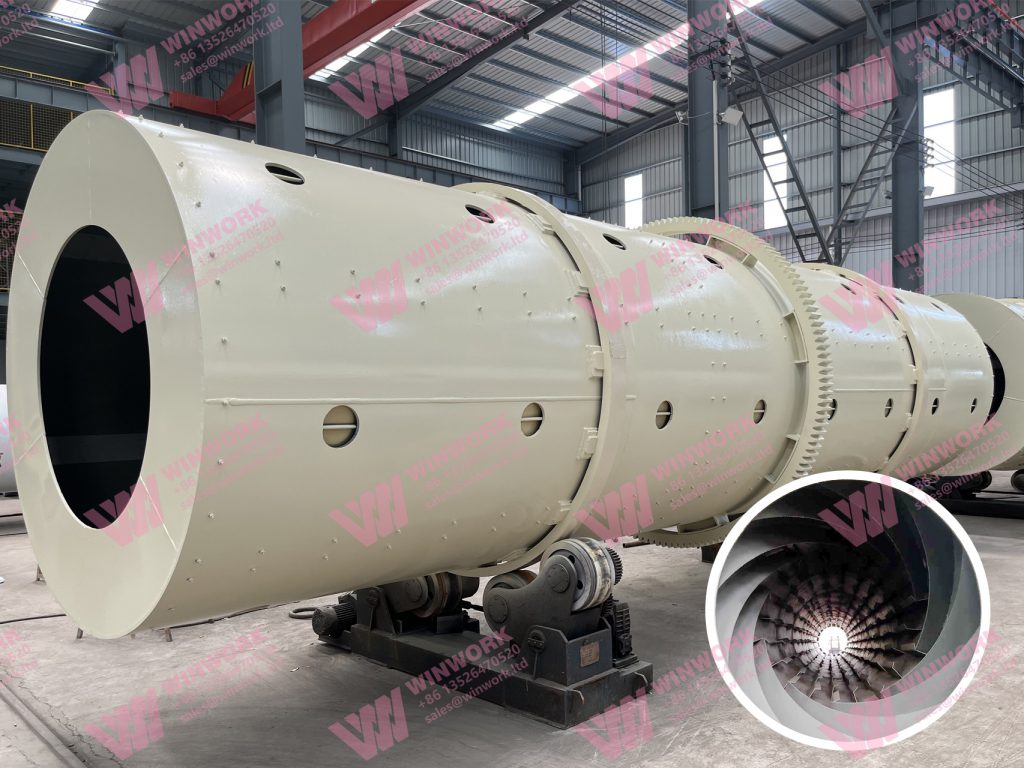
Double Roller Granulator does not require drying, which significantly reduces energy consumption. It usually need heavy press to pack the granules up.For some formulations, this method is ideal in a small scale compound fertilizer production line focused on cost control.
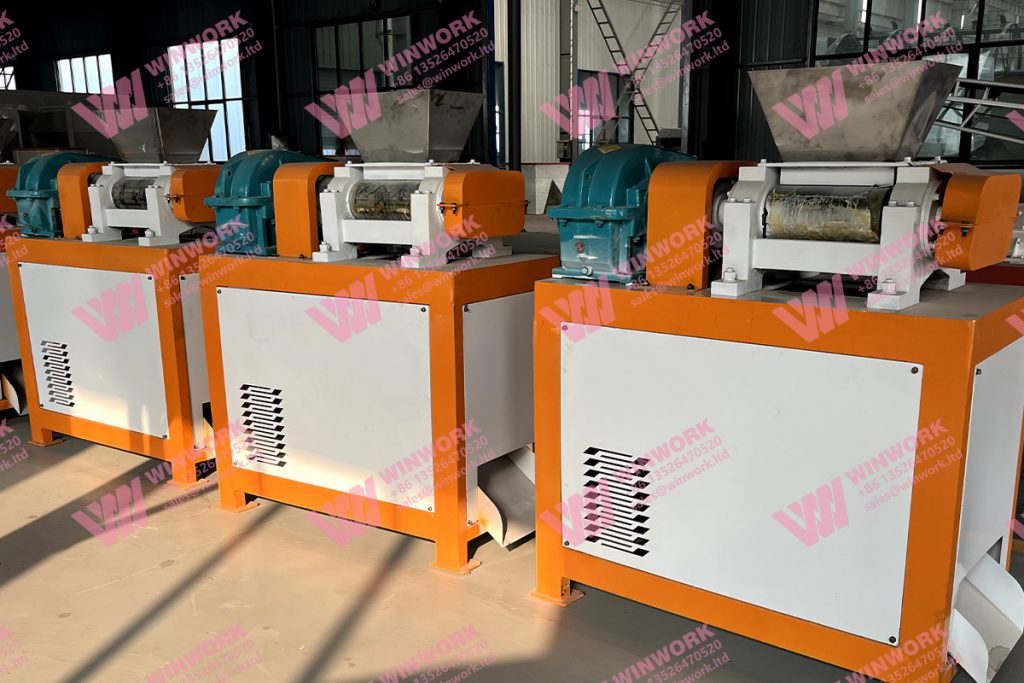
double roller granulator
Capacity Range and Output Planning
A typical small scale compound fertilizer production line operates at:
- 1–2 T/H for startups and pilot production
- 3–5 T/H for regional fertilizer suppliers
This capacity range allows manufacturers to match production with demand and avoid overcapacity.
One of the main advantages of a small scale compound fertilizer production line is the ability to operate efficiently even at partial load.
Investment Cost of a Small Scale Compound Fertilizer Production Line
The total investment depends on capacity, automation level, and equipment selection.
Compared with large plants, a small scale compound fertilizer production line requires:
- Lower land and construction cost
- Fewer machines
- Simpler utilities
This makes it easier for investors to achieve profitability within a shorter time frame.
Operating Cost and Efficiency Considerations
Operating cost is a major concern for fertilizer producers. A well-designed small scale compound fertilizer production line helps reduce costs through:
- Lower energy consumption
- Reduced labor requirement
- High raw material utilization
- Simplified maintenance
Energy-efficient drying systems and optimized granulation significantly improve long-term profitability.
Common Challenges in Small Scale Compound Fertilizer Production
Despite its advantages, operating a small scale compound fertilizer production line involves technical challenges.
Moisture Control
Inconsistent moisture affects granule strength and drying efficiency. Proper control systems are essential.
Granule Strength
Weak granules lead to dust and product loss. Correct binder use and granulation parameters are critical.
Formula Stability
Frequent formula changes require flexible equipment and precise dosing systems.
These challenges can be effectively managed through proper equipment selection and process optimization.
Application Scenarios of Small Scale Compound Fertilizer Production Line
A small scale compound fertilizer production line is widely used across different agricultural and commercial scenarios due to its flexibility and moderate investment cost. It allows manufacturers to supply customized fertilizer products while maintaining stable and efficient production.
Regional Fertilizer Manufacturing Plants
Regional fertilizer manufacturing plants use a small scale compound fertilizer production line to supply nearby farming areas with stable NPK and blended fertilizers. This setup reduces transportation costs and enables faster response to local seasonal demand.
Agricultural Cooperatives
Agricultural cooperatives adopt a small scale compound fertilizer production line to produce fertilizers tailored to specific crops and soil conditions. Localized production helps cooperatives improve fertilizer efficiency while lowering procurement and logistics expenses.
Developing Agricultural Markets
In developing agricultural markets, a small scale compound fertilizer production line supports local fertilizer production and reduces dependence on imported products. This improves supply stability and promotes sustainable agricultural development.
Specialty Fertilizer Production
Specialty fertilizer producers use a small scale compound fertilizer production line to manufacture customized formulations such as high-potassium, micronutrient-enriched, or crop-specific fertilizers. The flexible configuration allows quick product switching without major equipment modifications.
Environmental and Compliance Advantages
A modern small scale compound fertilizer production line is designed to meet increasingly strict environmental and regulatory requirements. By integrating pollution control and material recycling systems, manufacturers can achieve compliant production without sacrificing efficiency.
Dust Collection Systems
Dust collection systems are installed at crushing, mixing, granulation, and screening points to capture airborne fertilizer particles. This helps a small scale compound fertilizer production line reduce emissions, protect worker health, and meet local environmental standards.
Noise Reduction Devices
Noise reduction devices such as soundproof covers and vibration-damping structures lower operating noise during continuous production. This allows a small scale compound fertilizer production line to operate in industrial parks or semi-urban areas with stricter noise regulations.
Closed-Loop Material Recycling
Closed-loop material recycling systems return fines and oversized particles back to the granulation process. This design improves raw material utilization and reduces solid waste generation in a small scale compound fertilizer production line.
These environmental features help manufacturers maintain regulatory compliance while improving production efficiency and long-term operational sustainability.
Who Should Invest in a Small Scale Compound Fertilizer Production Line?
This type of production line is ideal for:
- New investors entering the fertilizer industry
- Existing fertilizer traders planning backward integration
- Regional manufacturers serving local markets
- Companies focusing on customized fertilizer products
For these users, a small scale compound fertilizer production line provides a balanced solution between cost, capacity, and flexibility.
Future Development Trends
As agriculture becomes more precise and sustainable, demand for customized fertilizers will continue to grow.
A small scale compound fertilizer production line allows manufacturers to adapt quickly to these trends without large capital risk.
Modular design and automation upgrades also make future expansion easier.
Frequently Asked Questions about Small Scale Compound Fertilizer Production Line
- Can a small scale compound fertilizer production line meet environmental regulations?
Yes, modern systems are designed with dust control, noise reduction, and recycling features to meet common environmental requirements. - Is a small scale compound fertilizer production line suitable for urban or semi-urban locations?
With proper noise and dust control, it can operate safely in regulated industrial zones. - Does material recycling affect product quality?
No, recycled materials are reprocessed through granulation to maintain consistent fertilizer quality. - How much waste is generated during production?
Waste is minimal because most unqualified materials are recycled back into the system. - Can environmental equipment be added later?
Most small scale compound fertilizer production line designs allow modular upgrades for environmental systems.
Conclusion
A small scale compound fertilizer production line is a practical and cost-effective solution for manufacturers seeking stable output, flexible formulation, and manageable investment.
By understanding the process flow, equipment configuration, and operational considerations, manufacturers can build a reliable fertilizer production system that meets regional market demand.
With proper design and technical support, a small scale compound fertilizer production line offers strong potential for long-term profitability and sustainable growth in the global fertilizer industry.
For more details, please feel free to contact us.
Email: sales@lanesvc.com
Contact number: +86 13526470520
Whatsapp: +86 13526470520
Get A Quote