

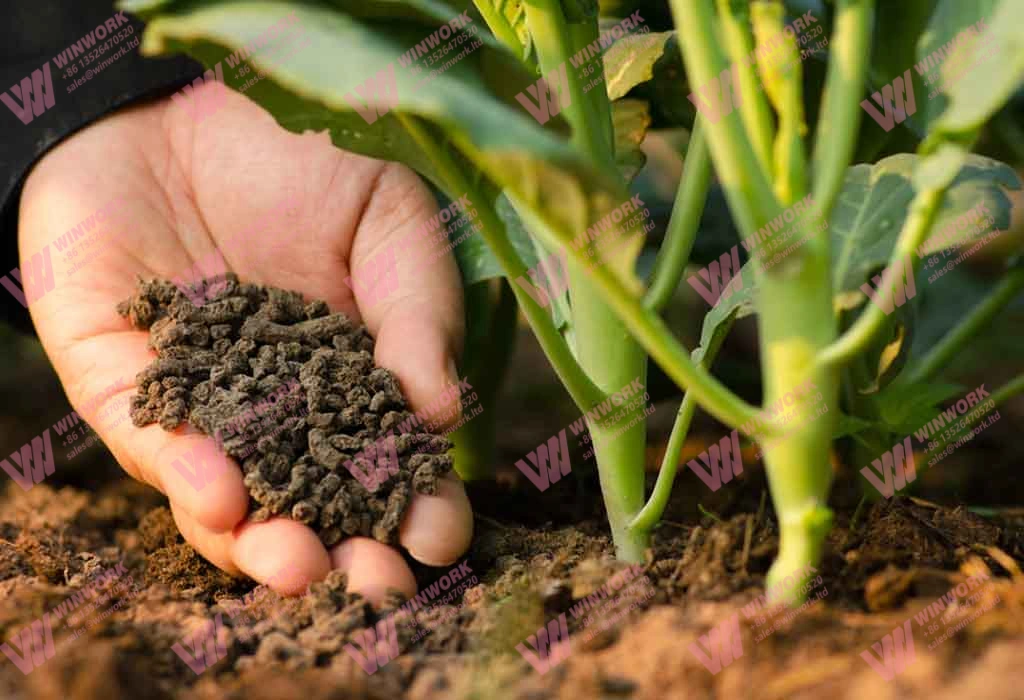
Why Do Farms and Start-Up Plants Choose Small-Scale Equipment?
For many farms and new fertilizer businesses, the biggest concern is how to start production without enough money. Large fertilizer plants require high investment, complex management, and stable orders. This is not always suitable for small operators.
This is why small-scale fertilizer production equipment is often the first choice. It allows producers to begin with limited capacity, test the market, and gain production experience. Most importantly, it provides a practical balance between cost, output, and product quality.
What Is Small-Scale Fertilizer Production Equipment?
What are small-scale production equipments? In simple terms, it is a compact fertilizer production system designed for low to medium output. It is commonly used by farms, cooperatives, and start-up fertilizer plants serving local or regional markets.
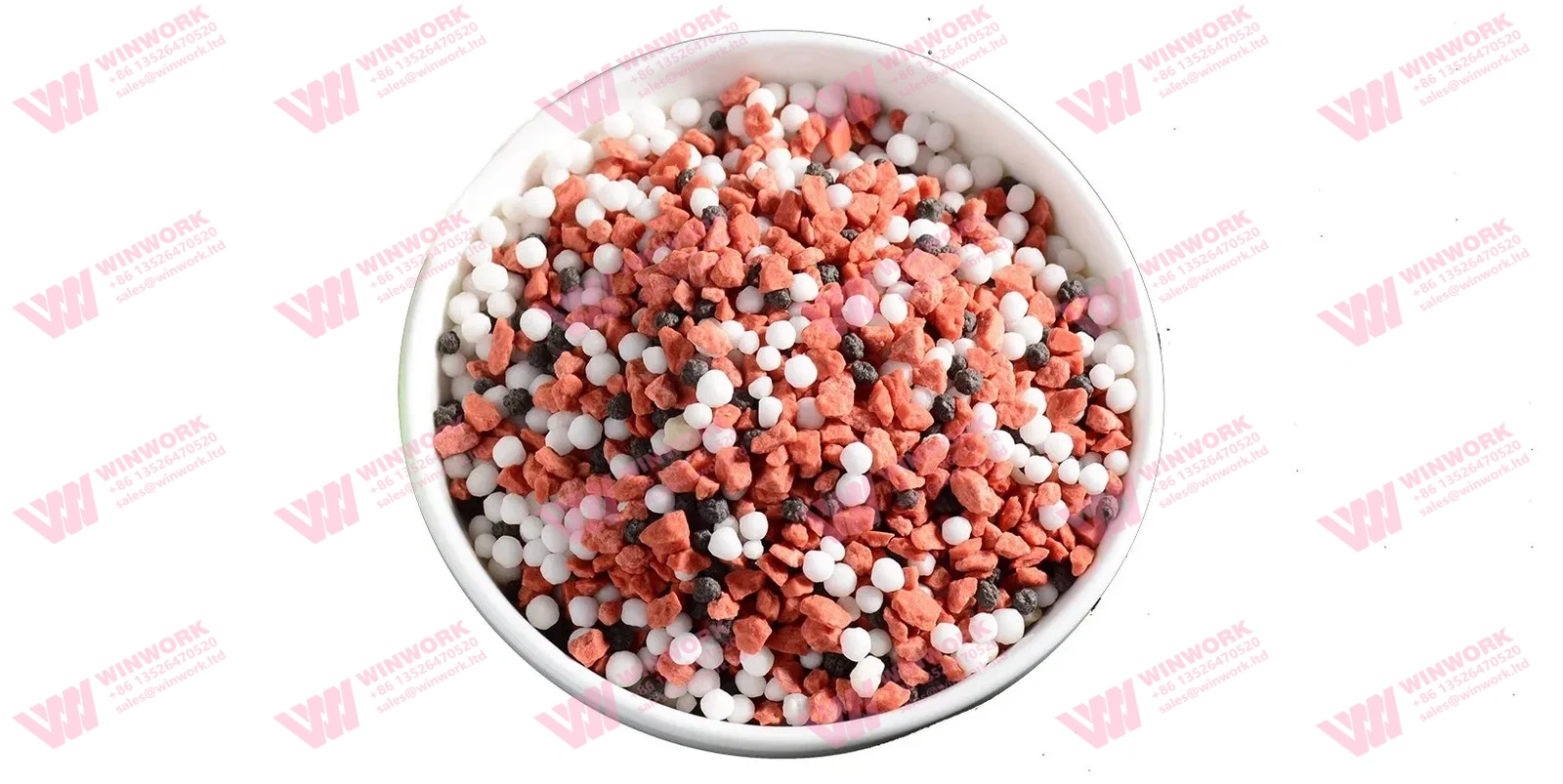
Unlike large automated lines, Small equipment offers great flexibility. It can be used to produce organic fertilizer, compound fertilizer, or blended fertilizer, depending on raw materials and market demand. Many systems are modular, making them easier to expand in the future.
What Machines Are Usually Included?
A common question from new investors is what machines are actually needed. A typical small-scale fertilizer production equipment setup includes several basic units working together.
Raw material crushers are used to reduce material size and improve consistency. Popular crushers include cage crushers, vertical crushers, double-shaft crushers and more. Mixers ensure different materials are evenly blended. Horizontal mixers and double shaft mixers have excellent mixing performance. If pellet fertilizer is required, a granulator is added to form uniform particles. Drying and cooling machines help control moisture content, while screening equipment separates qualified fertilizer from non-compliant particles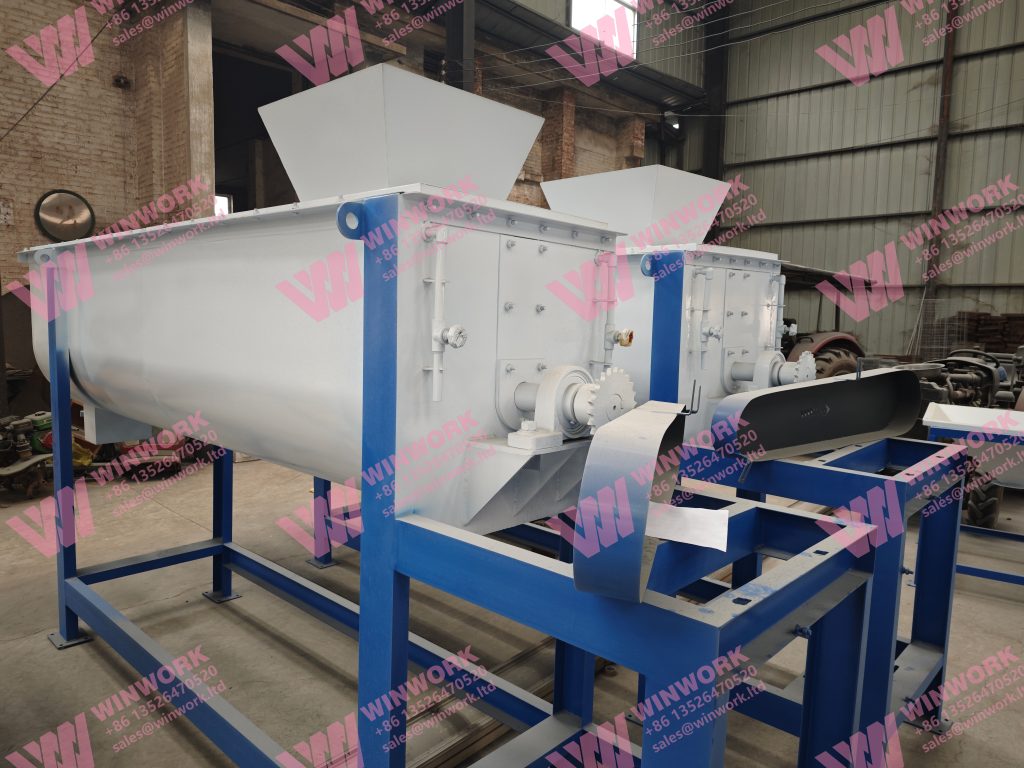
Finally, packaging machines prepare the finished fertilizer for storage or sale. The exact configuration depends on production type and capacity requirements.
Is Small-Scale Equipment Suitable for Farms?
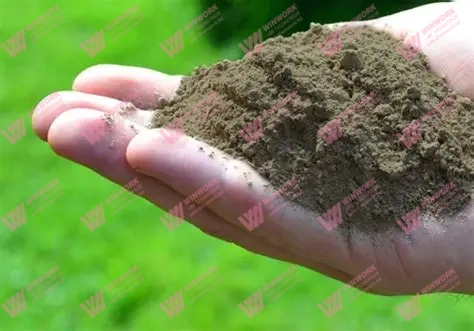
Many farm owners ask whether small-scale fertilizer production equipment is suitable for on-site use. In most cases, the answer is yes. Farms can use local raw materials such as livestock manure, crop residues, or organic waste to produce fertilizer directly.
This approach reduces waste disposal costs and improves nutrient recycling. Fertilizer produced on-site can be used for internal farming needs or sold to nearby growers. For farms looking to improve sustainability and reduce fertilizer expenses, small-scale equipment has clear advantages.
Can Start-Up Fertilizer Plants Use This Type of Equipment?
For start-up fertilizer plants, space and budget are usually limited. Small-scale fertilizer production equipment can solve this problem. It requires less installation space and simpler infrastructure compared with large production lines.
Start-ups can operate with smaller teams and gradually build technical experience. Because production volume is manageable, quality control is easier. This helps new producers establish stable product standards and customer trust during early business stages.
How Does the Production Process Work?
Another common question is how the production process actually works. The working flow of small-scale fertilizer production equipment is straightforward and easy to understand.
Raw materials move from preparation to mixing, then to granulation if needed. After drying and screening, qualified fertilizer is packaged. Each machine has its clear function, and material flow is easy to observe and adjust.
This simplicity helps operators quickly identify problems and fix them right away, which is especially useful for beginners.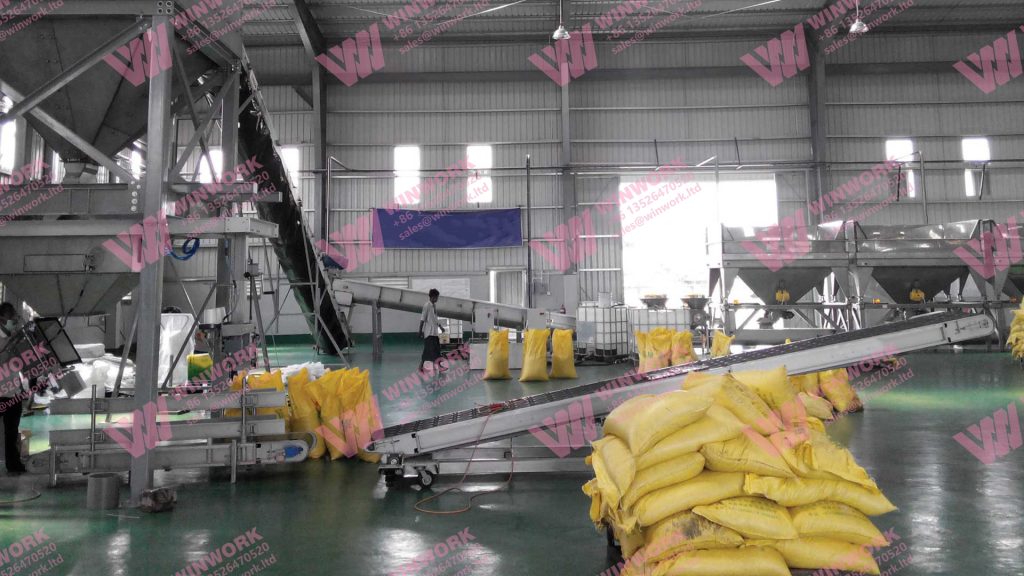
Is the Production Performance Reliable?
Some producers worry that small-scale systems may not deliver stable results. In fact, properly selected small-scale fertilizer production equipment can provide consistent performance.
Mixing uniformity, granule strength, and moisture control generally meet common agricultural standards. Output capacity is sufficient for local markets or farm use. With proper operation and maintenance, small-scale systems can run reliably for a long time.
What About Investment and Operating Costs?
Cost is one of the strongest advantages of small-scale fertilizer production equipment. Initial investment is much lower than that of large-scale plants. Installation and commissioning are also simpler and faster.
Operating costs will be manageable due to lower energy consumption and reduced labor requirements. For start-up plants, this helps control financial risk and improves cash flow during the early stages of operation.
Can the Equipment Be Expanded Later?
Many investors ask whether they will need to replace the equipment when production grows. In most cases, small-scale fertilizer production equipment is designed for gradual expansion.
Additional machines can be added as demand increases. This approach allows producers to scale up production without stopping existing operations. It supports long-term development while keeping investment under control.
How Is It Used in Local Fertilizer Markets?
In local markets, small-scale fertilizer production equipment supports flexible production and customized fertilizer formulas. Producers can adjust formulations based on crop type, soil condition, or seasonal demand.
Short production cycles and local distribution reduce transportation costs and improve customer response speed. These factors help small producers remain competitive in regional fertilizer markets.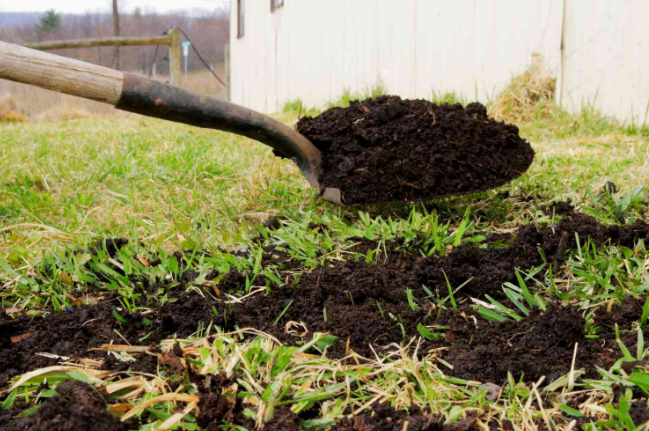
Conclusion
Small-scale fertilizer production equipment offers farms and start-up fertilizer plants a practical way to enter fertilizer manufacturing. When we address the most common questions around equipment setup, operation and performance, it’s easy to see that small-scale systems offer great flexibility, better cost control and consistent, dependable production.With proper planning, this type of equipment supports steady growth and long-term success in local fertilizer markets.
For more details, please feel free to contact us.
Email: sales@lanesvc.com
Contact number: +86 13526470520
Whatsapp: +86 13526470520
Get A Quote