

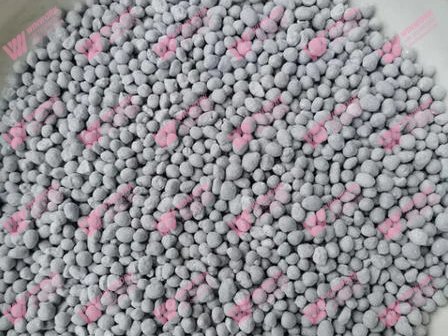
Introduction: How High-Quality SSP Granules Are Produced
What makes single super phosphate (SSP) fertilizer effective for modern agriculture? Producing high-quality SSP requires a carefully controlled SSP fertilizer production process that manages chemical reactions, granulation, moisture levels, and particle uniformity. The process starts with phosphate rock that is crushed and screened to achieve consistent particle size. Uniform raw materials improve chemical reaction efficiency and reduce unreacted phosphate in the final product. In the reaction stage, phosphate rock reacts with sulfuric acid inside macroelements mixing reactor tanks. At the same time, stabilizing additives are incorporated through additive mixing tanks, enhancing granule durability, controlling dust, and improving nutrient distribution. This precise starting point is essential for producing granules that meet agricultural performance standards.
Production Stages and Equipment
Raw Material Preparation
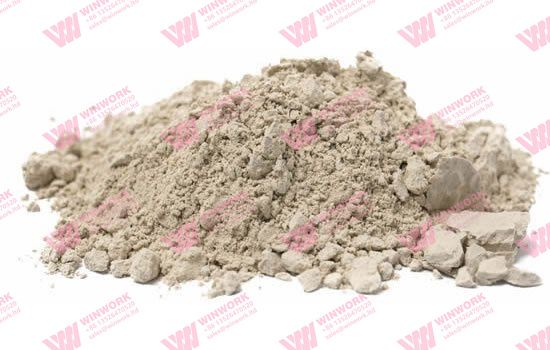
Crushing and screening phosphate rock ensures uniform particle size for effective chemical conversion. Consistency in raw materials reduces unreacted phosphate and contributes to higher phosphorus availability in the final SSP granules. Proper storage and handling of raw materials also prevent contamination and moisture fluctuations.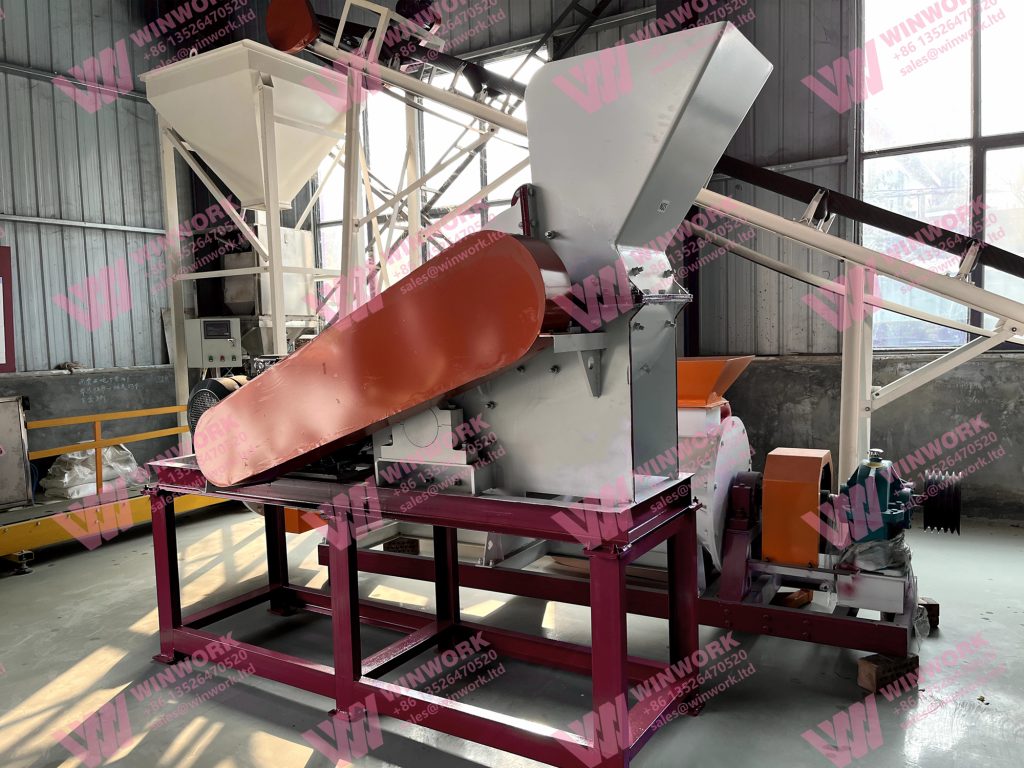
Reaction and Slurry Formation
The chemical reaction is carried out in macroelements mixing reactor tanks, where phosphate rock and sulfuric acid are combined under strictly monitored temperature and mixing conditions. The slurry formed during this reaction must be uniform to ensure consistent granule quality. Simultaneously, an additive mixing tank introduces stabilizers and other performance-enhancing compounds. These additives reduce dust, improve structural integrity, and ensure that nutrients are evenly distributed across each granule.
Granulation
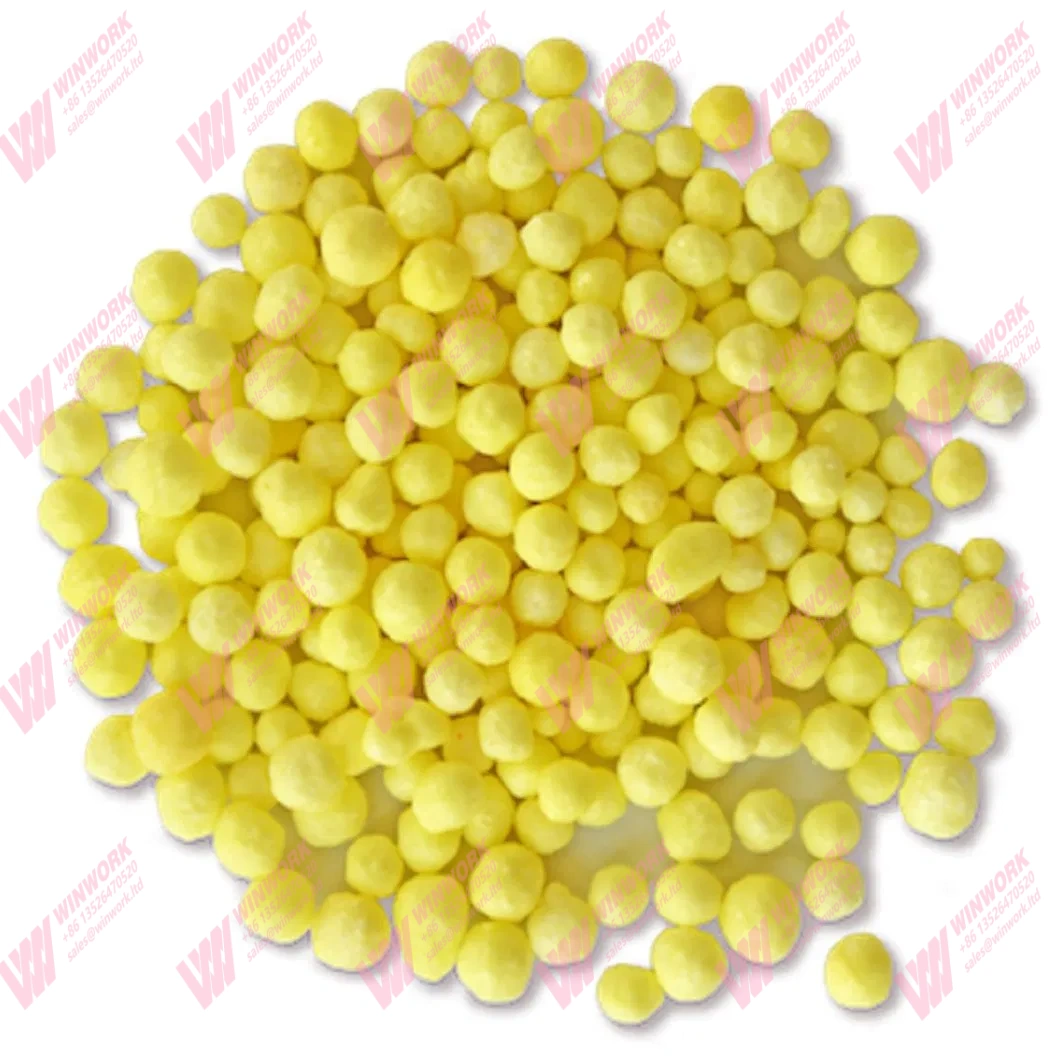
The slurry moves to a granulator, shaping it into uniform granules with consistent size and density. Proper granulation is crucial: granules that are too small can lose nutrients quickly, while oversized granules may break during drying or handling. Modern granulators provide high throughput without compromising granule quality.
Drying and Cooling
Granules contain residual moisture after formation. A dryer reduces moisture content to prevent caking, while a cooling machine stabilizes granule structure. Controlled drying and cooling protect against thermal stress, minimize breakage, and maintain uniform size distribution, which is critical for storage and market requirements.
Screening and Recycling
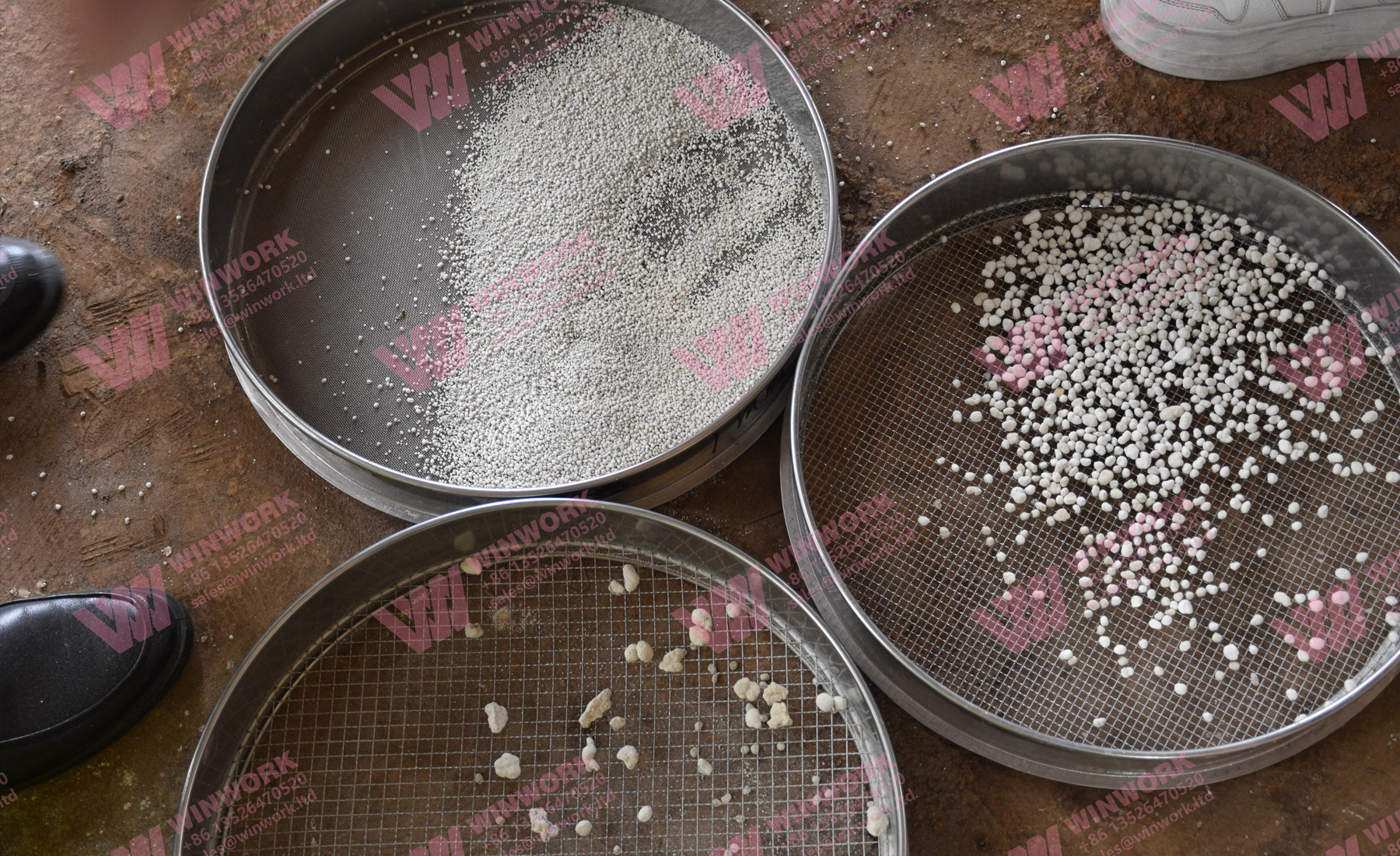
A screen machine separates oversized and undersized granules. Off-spec granules are recycled back into the granulator to maximize raw material usage. This recycling step ensures consistent granule size and minimizes production waste, contributing to higher overall yield.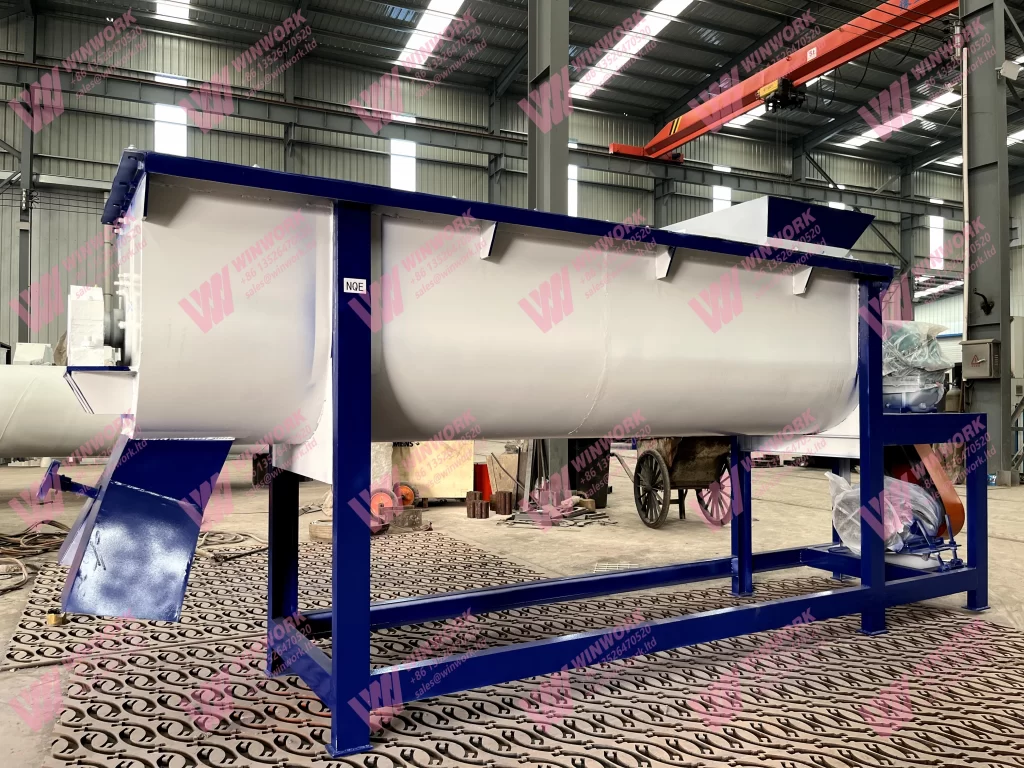
Packing
Finished granules in SSP fertilizer production process are packed using an automatic packing machine, which ensures precise weighing, sealing, and protection from moisture and contamination. Automated packing improves production efficiency, reduces labor costs, and ensures the fertilizer reaches the market in optimal condition.
Operational Insights for Manufacturers
Successfully managing the SSP fertilizer production process requires attention to multiple operational details:
-
Temperature and Mixing Control – Maintaining the correct reaction temperature and mixer speed in both reactor and additive tanks is essential for uniform slurry production. Inconsistent mixing can result in low-quality granules and uneven nutrient distribution.
-
Moisture Management – Proper drying and cooling are critical. Excess moisture may cause caking, while over-drying can make granules brittle.
-
Recycling Loops – Efficiently returning off-spec granules to the granulator reduces raw material loss and ensures consistent quality.
-
Equipment Maintenance – Routine inspection and preventive maintenance of granulators, dryers, and sieving machines minimize downtime and maintain stable production output.
-
Process Scaling – Modular reactor tanks and granulators allow the production line to be scaled according to market demand without major reconfiguration.
-
Nutrient Consistency – Uniform chemical reactions, precise additive incorporation, and controlled granulation ensure even phosphorus distribution in each granule.
-
Environmental Safety – Proper ventilation, dust collection, and careful handling of sulfuric acid are necessary to meet safety regulations and reduce environmental impact.
By focusing on these operational insights, factories can maximize efficiency, minimize waste, and produce high-quality SSP granules consistently, ensuring that every stage of the SSP fertilizer production process is optimized, from raw material preparation to granulation, drying, and packing, while maintaining strict quality control throughout the entire SSP fertilizer production process to achieve uniform nutrient distribution and improved operational performance.
Industry Application and Production Impact
Fertilizer manufacturers implementing this advanced SSP fertilizer production process can reliably supply single super phosphate to a variety of agricultural markets. Uniform granules enhance crop nutrient uptake, reduce nutrient losses, and improve soil fertility over time. Factories benefit from automation and modular design, which allows flexible production for small, medium, or large-scale operations. Long-term operational reliability and consistent granule quality make this process highly competitive in global fertilizer markets.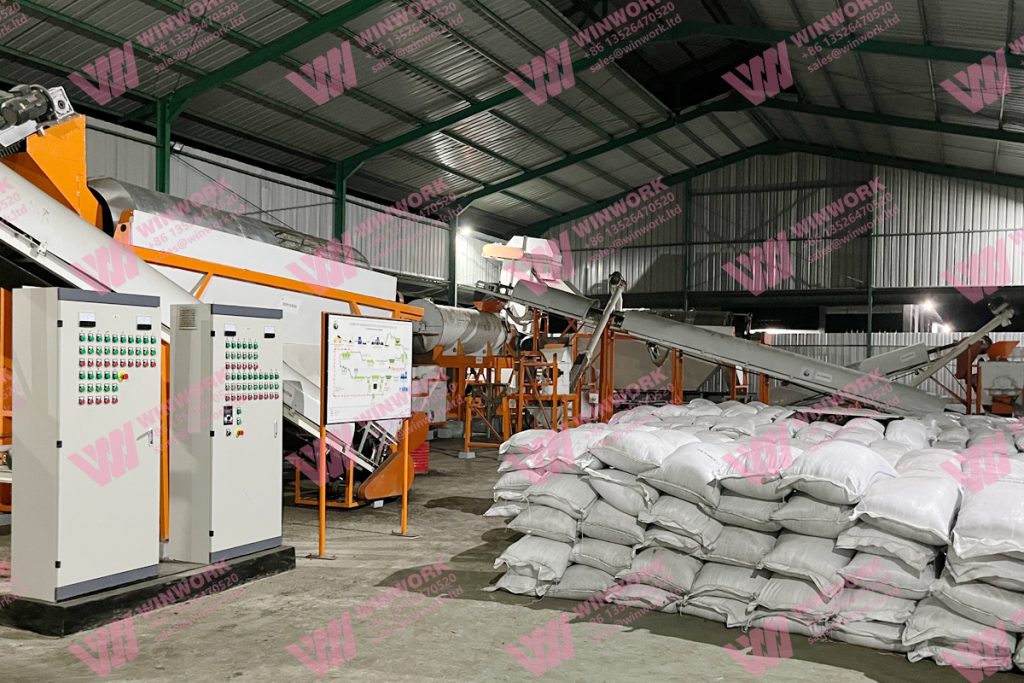
Conclusion About SSP Fertilizer Production Process
An advanced SSP fertilizer production process integrates chemical reaction, granulation, drying, cooling, sieving, and packing into a fully streamlined workflow. Implementing macroelements mixing reactor tanks, additive mixing tanks, modern granulators, dryers, and automatic packing systems ensures that each stage of the SSP fertilizer production process produces consistent, nutrient-rich SSP granules. By carefully managing chemical reactions, moisture, granule size, and recycling loops, manufacturers following this SSP fertilizer production process can achieve high-quality fertilizer output with reduced waste, improved efficiency, and scalable operations that meet the demands of a competitive agricultural market.
For more details, please feel free to contact us.
Email: sales@lanesvc.com
Contact number: +86 13526470520
Whatsapp: +86 13526470520
Get A Quote