

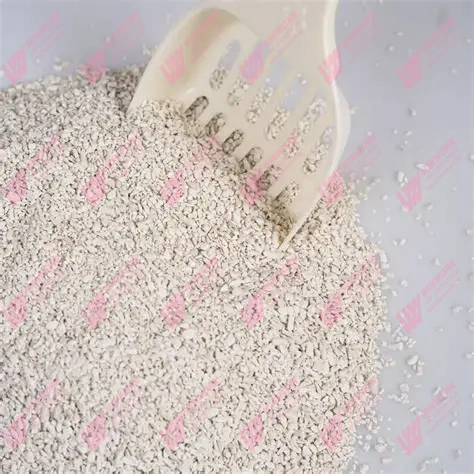
Rising Demand for Tofu Cat Litter Production Equipment
As pet owners increasingly prefer biodegradable and dust-free cat litter, tofu cat litter has gained strong market acceptance. This growing demand places higher requirements on production efficiency and product consistency. To meet these expectations, manufacturers rely on advanced tofu cat litter production equipment designed specifically for plant-based materials.
Unlike traditional bentonite processing, tofu-based materials are lighter, more moisture-sensitive, and require precise handling. Well-configured equipment ensures smooth processing while maintaining pellet strength and absorbency, making it a critical investment for both new and established cat litter factories.
Process 1: Raw Material Preparation and Feeding
The first stage focuses on preparing raw materials such as soybean fiber, corn starch, cassava residue, or other plant-based ingredients. In tofu cat litter manufacturing, consistent raw material quality is essential for stable pellet formation.
Tofu cat litter production equipment typically includes storage silos, feeding systems, and preliminary crushing units. These systems regulate material flow and particle size before processing begins. Proper preparation prevents material blockage, uneven mixing, and excessive dust generation in later stages, laying a stable foundation for the entire production line.
Process 2: Mixing and Moisture Adjustment
Mixing is a critical step that directly affects pellet quality. Plant-based materials require accurate moisture control to ensure proper binding during granulation. In this stage, tofu cat litter production equipment uses high-efficiency mixers to combine raw materials with binders or additives.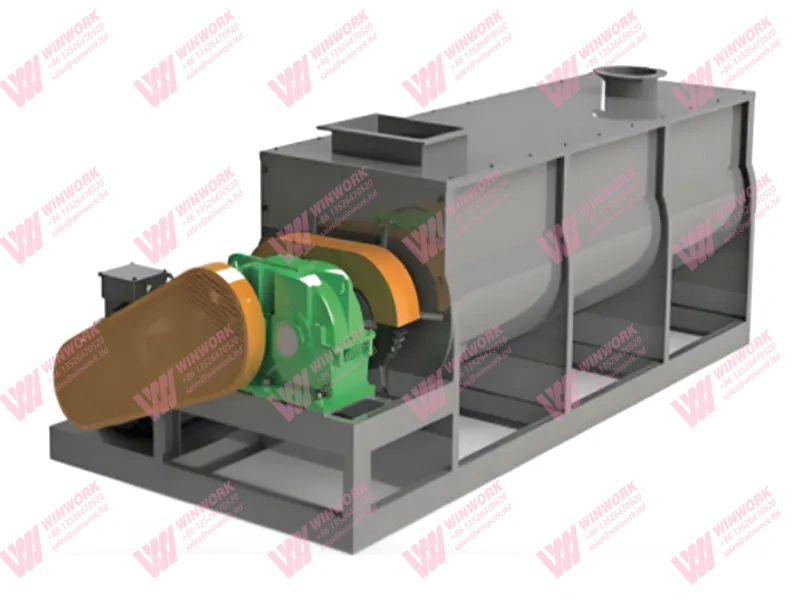
Uniform mixing ensures consistent moisture distribution, which helps prevent pellet cracking or deformation. Adjustable mixing parameters allow manufacturers to fine-tune material behavior based on raw material variations. This flexibility improves production stability and reduces waste caused by improper material conditioning.
Process 3: Granulation and Pellet Formation
Granulation is the core stage where tofu cat litter takes its final shape. Specialized tofu cat litter production equipment forms conditioned materials into uniform pellets with controlled size and density.
Flat die granulators or other pelletizing systems are commonly used, depending on production capacity and product specifications. Proper granulation improves water absorption, reduces dust content, and enhances pellet strength. Controlled pellet formation also ensures that finished products meet market expectations for appearance and performance.
Process 4: Drying and Cooling Control
After granulation, newly formed pellets contain excess moisture that must be removed to ensure product stability. Drying systems within tofu cat litter production equipment carefully reduce moisture levels without damaging pellet structure.
Controlled drying temperatures prevent overheating, which could weaken pellets or affect biodegradability. Cooling equipment then stabilizes pellet temperature, reducing the risk of deformation during handling and storage. Effective drying and cooling improve shelf life and ensure consistent product quality.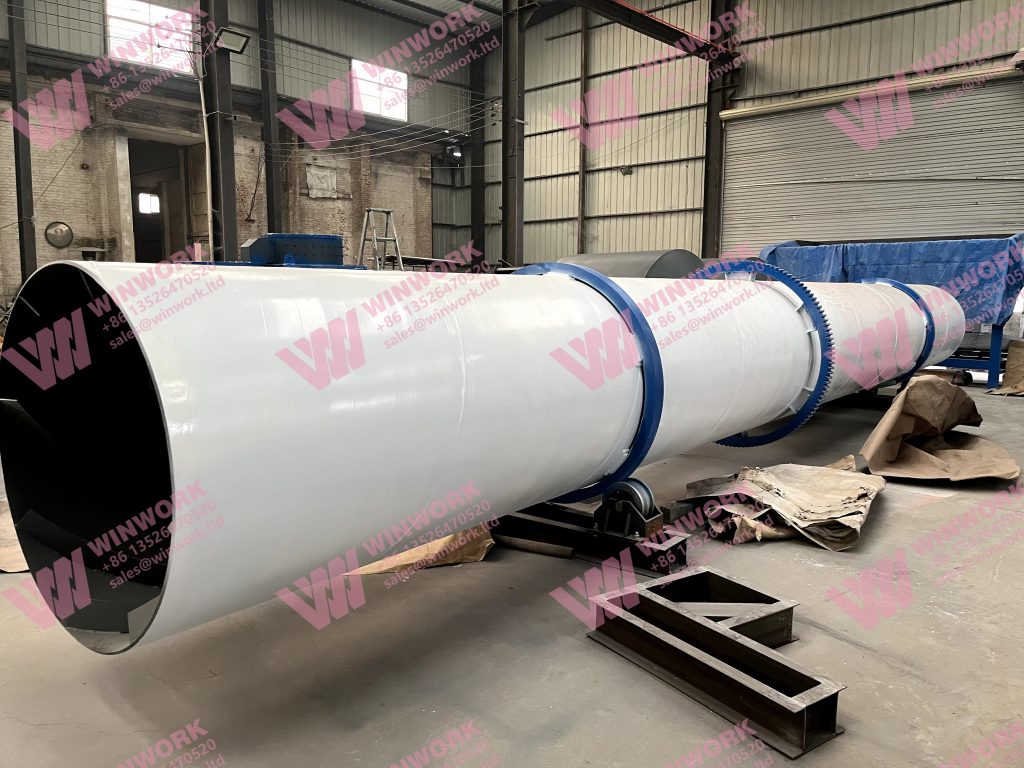
Process 5: Screening, Packaging, and Finished Product Handling
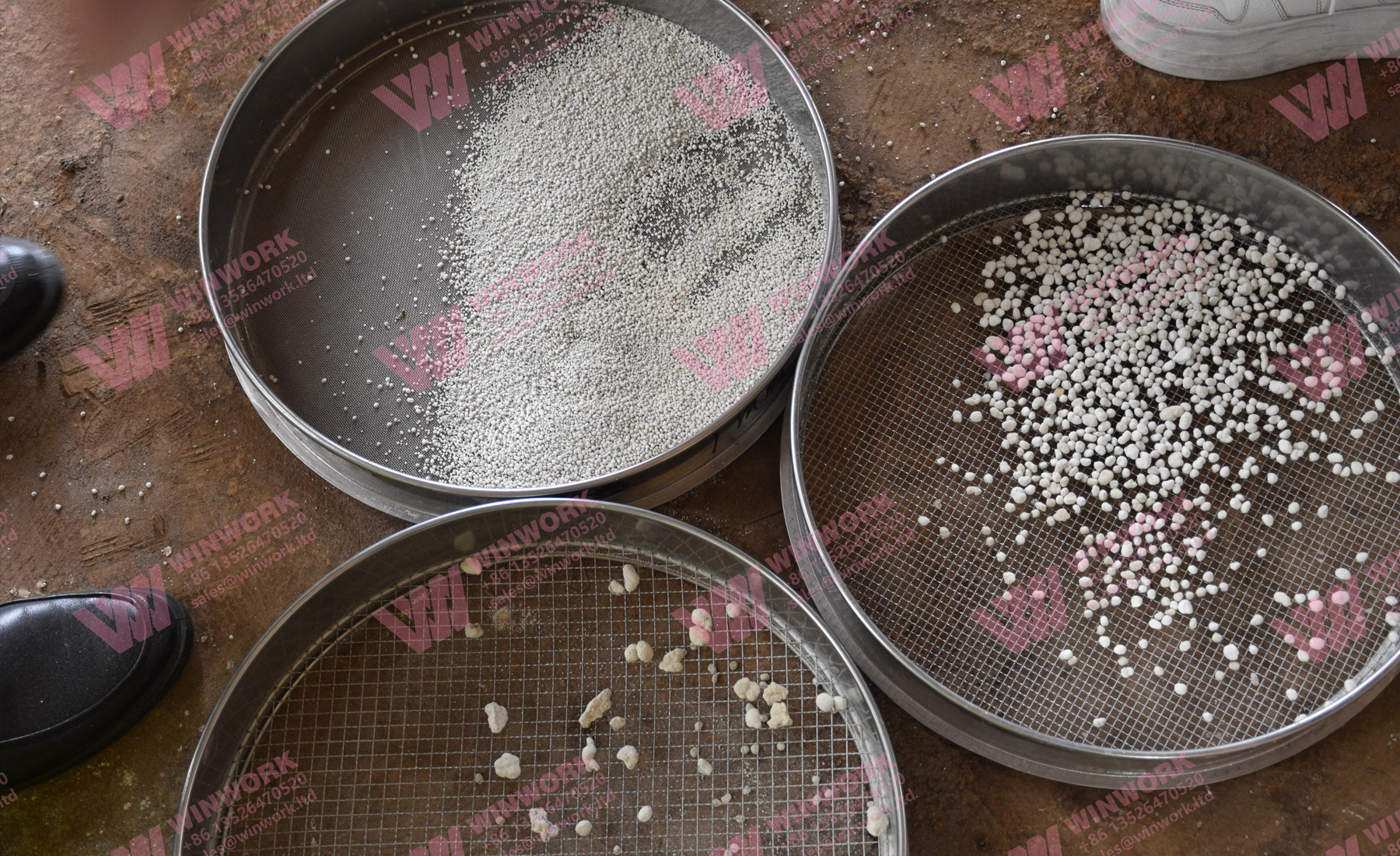
The final stage focuses on quality control and packaging. Tofu cat litter production equipment includes screening machines that separate qualified pellets from fines or oversized particles. Unqualified materials can be recycled back into the production process, improving material utilization.
Packaging systems then prepare finished tofu cat litter for distribution. Automated weighing and packing improve efficiency and ensure accurate packaging, supporting smooth logistics and market delivery. This final process ensures that only high-quality pellets reach end users.
How Equipment Design Impacts Production Efficiency
Each processing stage depends on equipment design and integration. Modern tofu cat litter production equipment emphasizes continuous material flow, precise control, and energy efficiency.
Automated systems monitor key parameters such as feeding rate, moisture level, and drying temperature. This reduces reliance on manual operation and minimizes human error. Efficient equipment design shortens processing time, lowers energy consumption, and improves overall production efficiency.
Adaptability for Different Production Scales
One major advantage of advanced tofu cat litter production equipment is its scalability. Production lines can be configured for small, medium, or large-scale manufacturing depending on investment level and market demand.
Modular equipment design allows manufacturers to expand capacity gradually by adding granulation or drying units. This flexibility reduces initial investment risk while supporting long-term growth. Adaptable equipment ensures that production lines remain competitive as demand evolves.
Key Considerations When Selecting Equipment
Choosing suitable tofu cat litter production equipment requires evaluating raw material characteristics, target output, automation level, and maintenance requirements. Equipment durability and supplier technical support are also important factors.
Reliable suppliers provide process design guidance and after-sales service to ensure smooth operation. Selecting appropriate equipment from the beginning helps manufacturers avoid production disruptions and ensures stable long-term performance.
Conclusion
Efficient tofu cat litter manufacturing depends on well-designed tofu cat litter production equipment that supports stable processing at every stage. From raw material preparation to pellet formation and packaging, reliable equipment ensures consistent quality and efficient operation. With the right equipment configuration, manufacturers can achieve sustainable production and long-term competitiveness in the growing eco-friendly cat litter market.
For more details, please feel free to contact us.
Email: sales@lanesvc.com
Contact number: +86 13526470520
Whatsapp: +86 13526470520
Get A Quote