YONGHE LONGZI LAKE PLAZA,CHINA(HENAN)PILOT FREE TRADE ZONE. +86 13526470520 sales@lanesvc.com
YONGHE LONGZI LAKE PLAZA,CHINA(HENAN)PILOT FREE TRADE ZONE. +86 13526470520 sales@lanesvc.com

Leave us your contact details and explain your product requirements and we'll send you a customised quote.
Our engineers will provide you with a customised solution based on site, raw materials and capacity.
After confirming the order, our factory will start manufacturing immediately and support factory visit for inspection
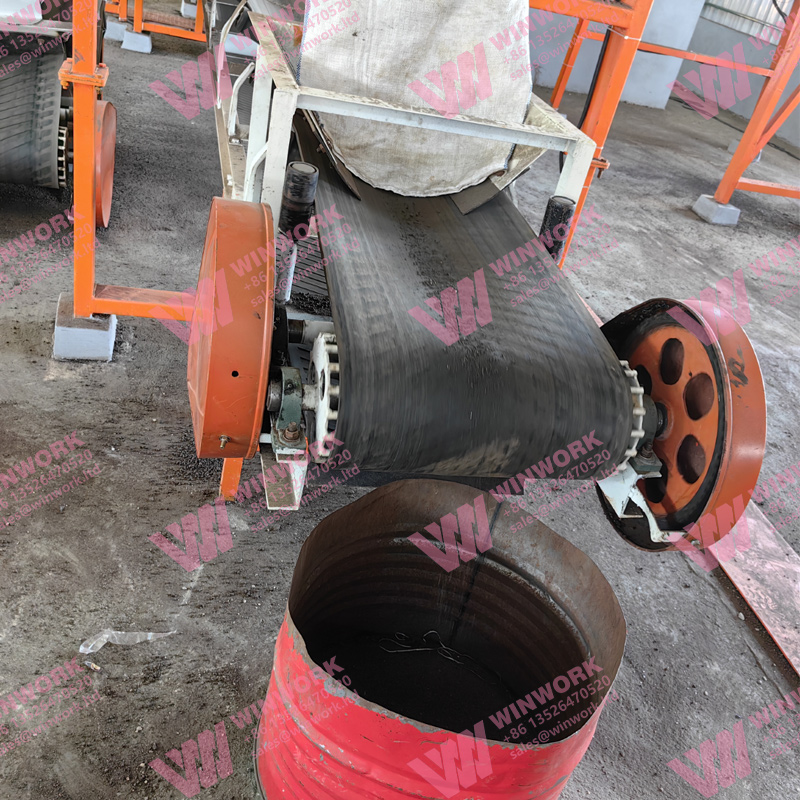

Production of high quality fertilizers from waste or chemicals for agricultural development
Agriculture is the foundation of human development, the impact of the food crisis is gradually expanding, the development of the fertilizer industry can not be delayed, the global demand for fertilizer is increasing day by day!

If you have any questions or need help us contact team, or call (86) 13526470520
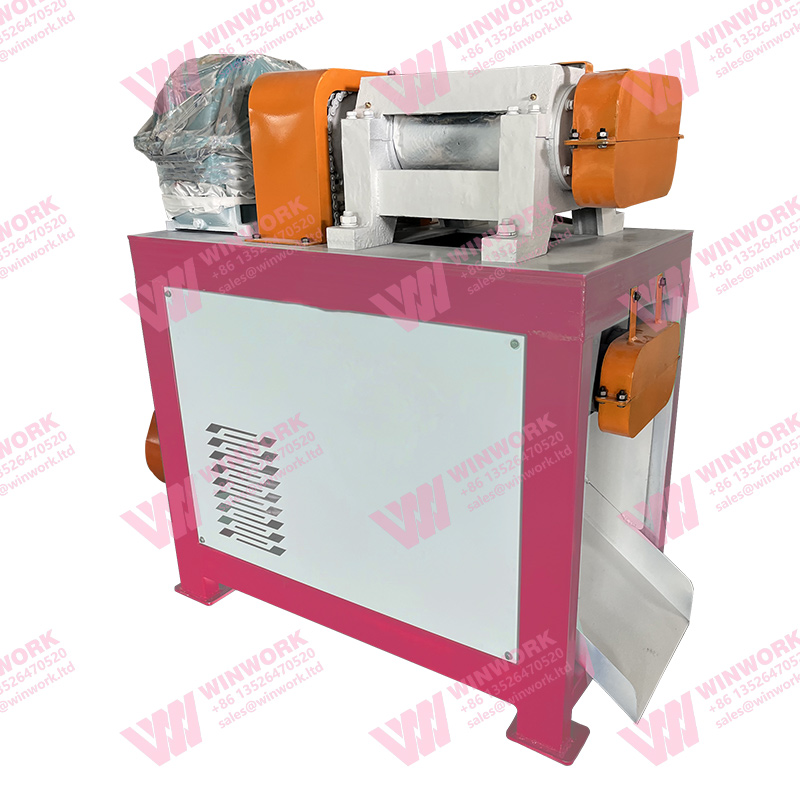
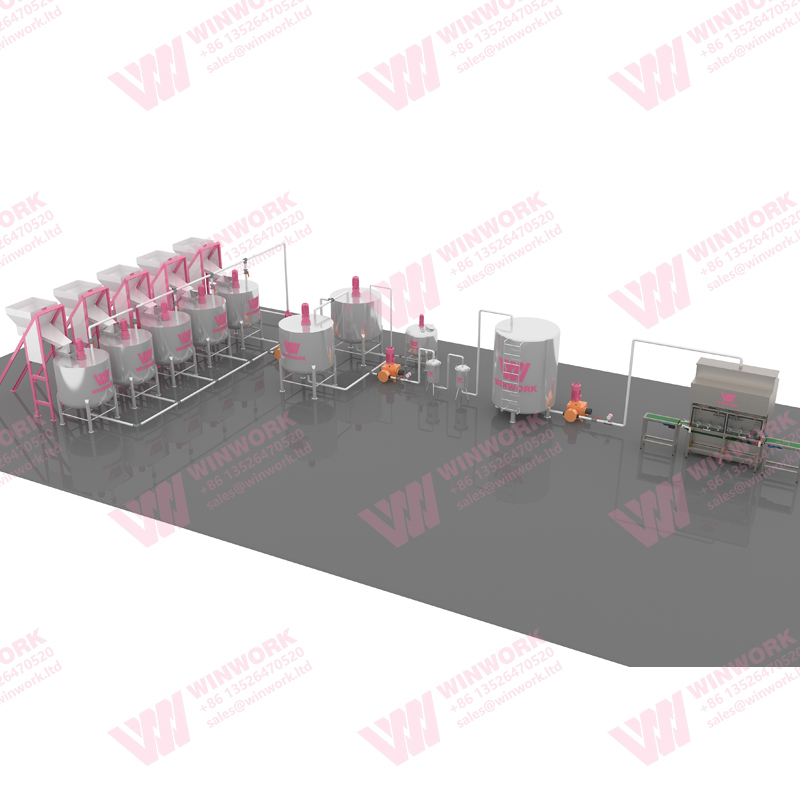
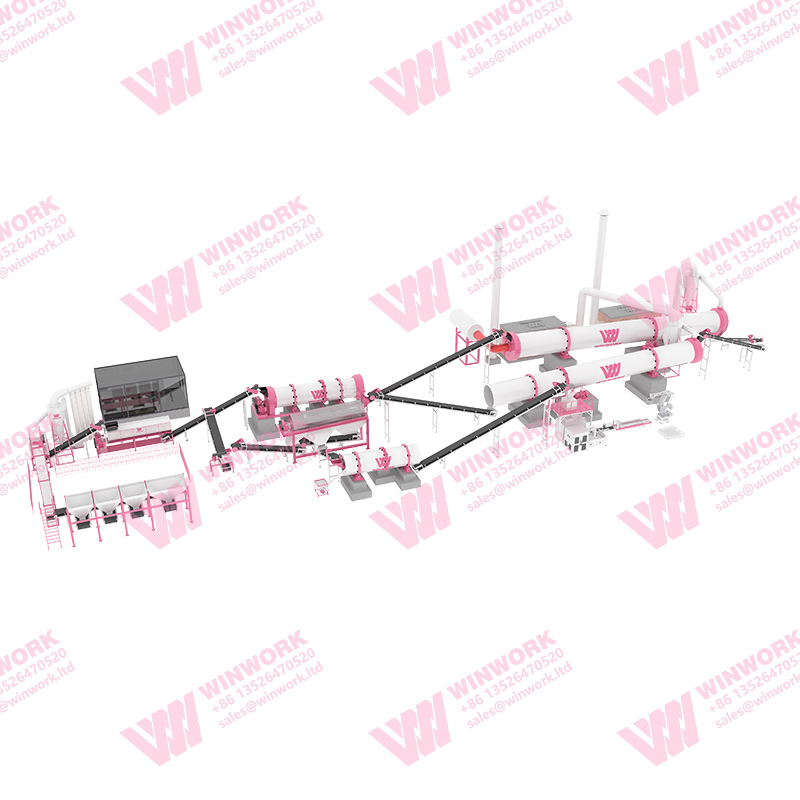
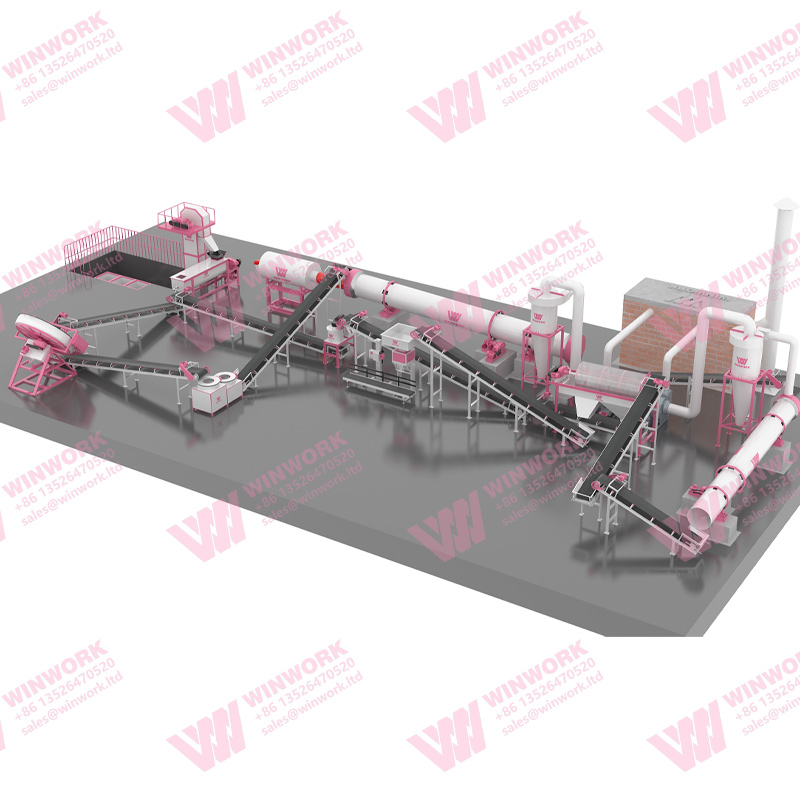
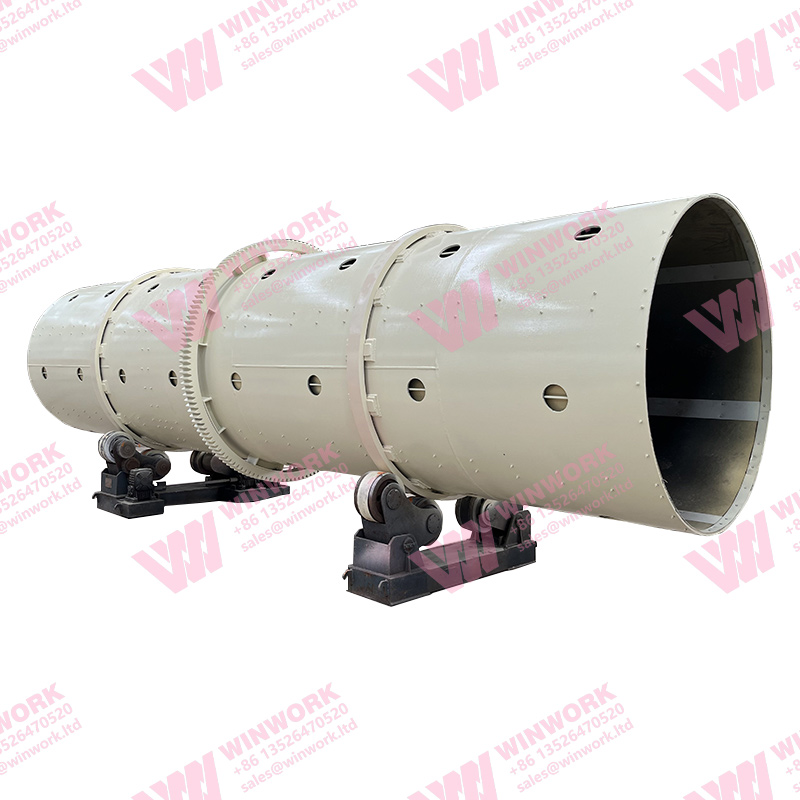
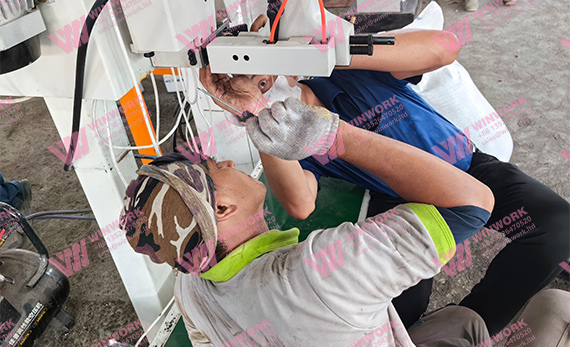
From design to installation, you don't need to worry about any purchase!
Provide 3D drawings, CAD design.
Granulation experiments according to the provided raw materials.
Support for factory visits for product acceptance.
Dedicated after-sales engineers to provide service and solve difficult problems.
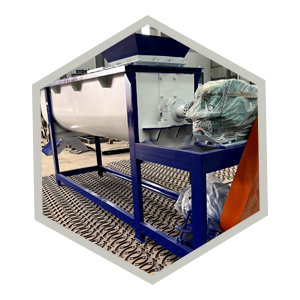
After fermentation, pulverization and mixing operations, the raw materials are transformed into a powder suitable for processing.
The processed powder is added with a certain amount of water and granulated by a granulator to form granules.
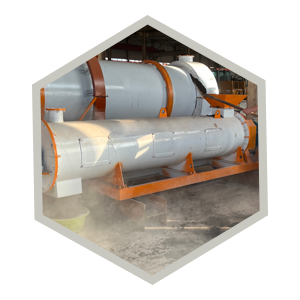
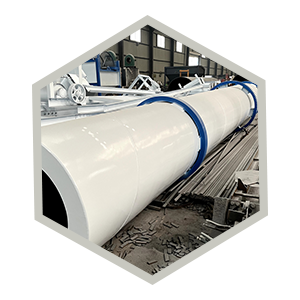
After drying and cooling, the moisture in the fertilizer granules is reduced, making it easier to transport and store.
Weighed and packaged to improve the quality of finished products and market competitiveness.
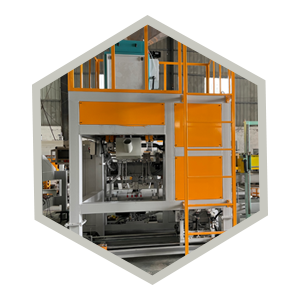

As a specialised machinery manufacturer, we produce products strictly according to the needs of our customers and suggest improvements based on our experience.