

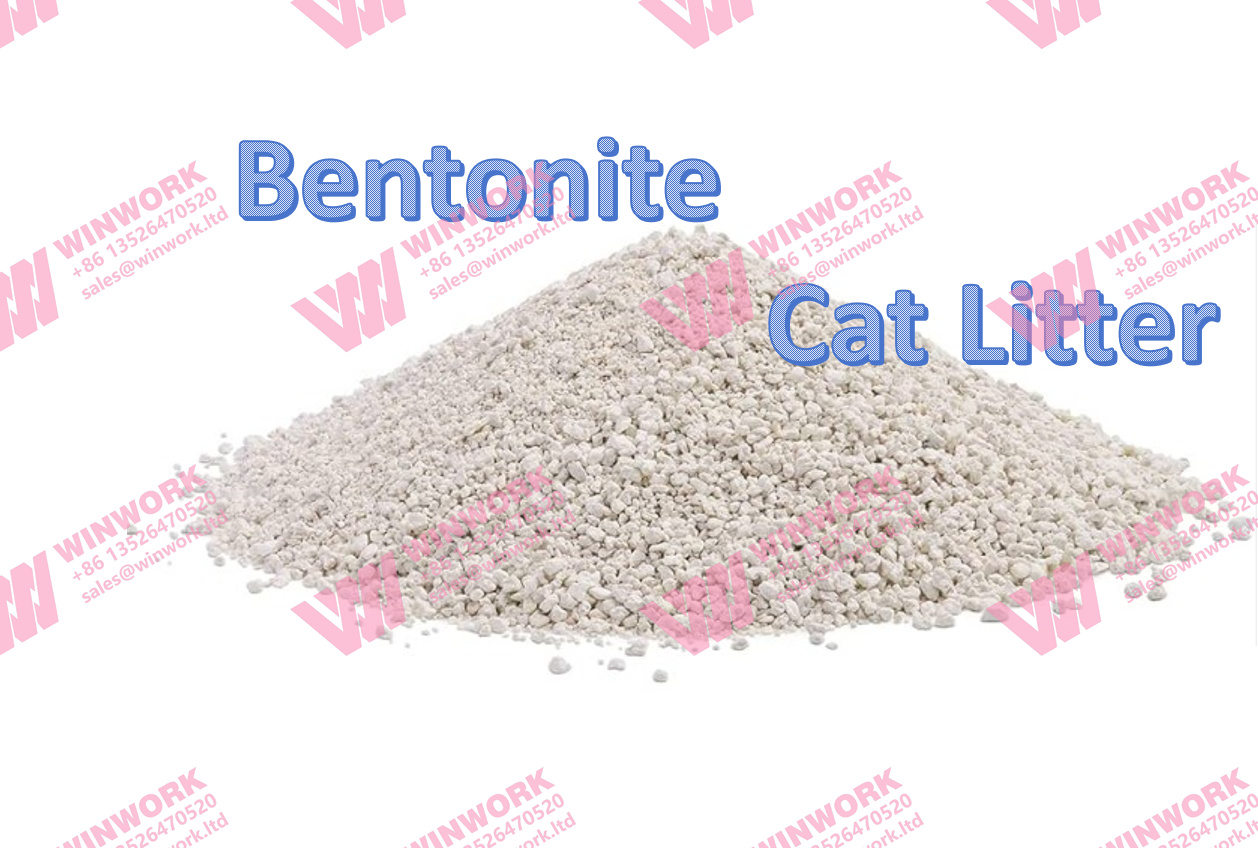
Introduction about 5 t/h Bentonite Cat Litter Production Line
The global pet industry has been growing steadily over the past decade, and cat litter has emerged as a stable and recurring consumer product. Bentonite cat litter remains the most popular choice due to its strong clumping ability, odor control, and relatively low production cost.
Many manufacturers and investors are now exploring the opportunity to acquire a 5 t/h bentonite cat litter production line because it provides a balanced scale of production, moderate investment, and potential for stable profits. However, investing in a production line requires careful planning, including raw material sourcing, equipment selection, workflow design, and market strategy.
This article provides a practical and data-driven guide for investors considering a 5 t/h bentonite cat litter production line, offering insights into equipment, costs, profit potential, and real-world operational considerations.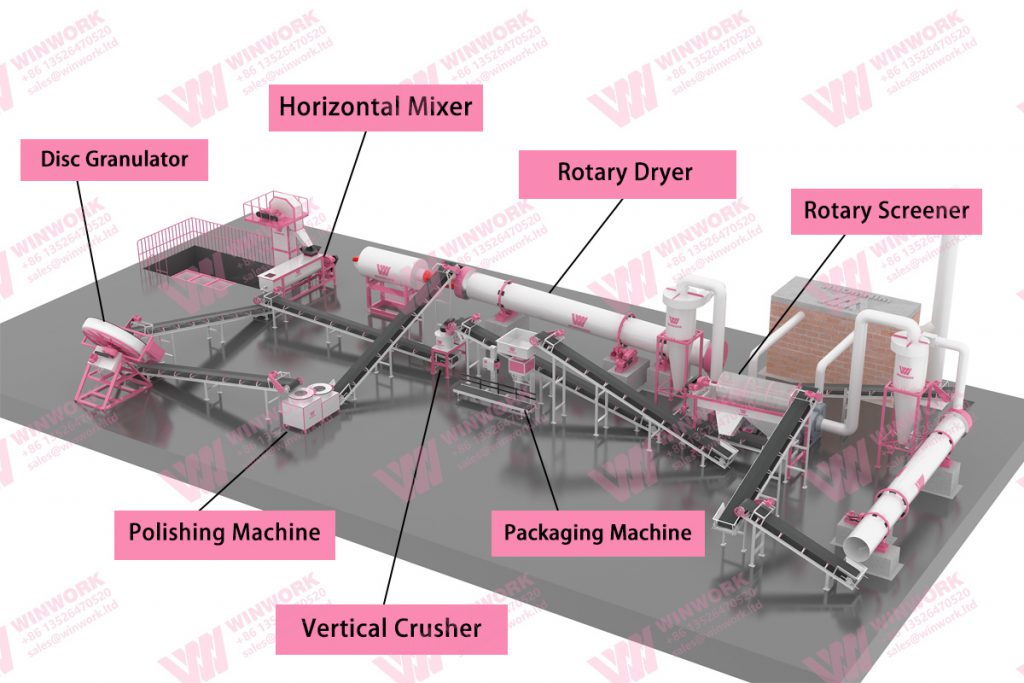
Market Demand for Bentonite Cat Litter
Bentonite cat litter continues to dominate the global market, even as biodegradable alternatives grow in popularity. Its clumping property allows pet owners to clean litter boxes quickly, while its high absorption helps control moisture and odor.
In developing markets, bentonite is often preferred because of affordability and consumer familiarity. For example, a medium-scale factory in Vietnam supplying 5 t/h bentonite cat litter lines to local pet stores reported a monthly increase in sales of 20% after targeting multiple retail channels.
This example illustrates that a properly planned 5 t/h bentonite cat litter production line can meet both retail and distributor demand, creating a reliable revenue stream.
Equipment Overview for a 5 t/h Line
A 5 t/h bentonite cat litter production line typically consists of several core components. Understanding these machines is crucial for evaluating suppliers and optimizing production efficiency.
| Equipment | Function | Example / Case |
|---|---|---|
| Crusher | Crushes raw bentonite lumps into powder | A factory in Turkey reduced particle size from 50 mm to 1–2 mm before granulation |
| Mixer | Blends additives such as fragrances or deodorizing agents | Mexican factory added antibacterial agents, improving product value |
| Granulator | Forms clumps of consistent size | Disc granulator used for 2–5 mm particle size with stable output |
| Dryer | Removes moisture to ensure stability | Rotary dryer achieving 8% moisture content for long shelf life |
| Screener | Separates over- and under-sized particles | 4-layer screener improves particle uniformity and reduces dust |
| Packing Machine | Fills bags automatically | 5–10 kg branded bags increased retail sales by 15% |

Profit Potential
The profitability of a 5 t/h bentonite cat litter production line depends on raw material cost, market demand, branding, and distribution strategies. Real-world examples help illustrate each factor:
Raw Material Price: Bentonite clay prices fluctuate regionally. For instance, a factory in Turkey reported that a 15% increase in bentonite cost reduced profit margins by 5% on a 5 t/h production line. Securing long-term supplier contracts can stabilize costs.
Local Market Demand: Matching production with regional consumption is essential. A Vietnamese factory supplying local pet stores with a 5 t/h bentonite cat litter line saw a 20% monthly increase in sales after analyzing customer preferences. Producing more than local demand risks unsold inventory.
Branding and Packaging: Packaging can improve product value. In Mexico, a factory switched from unbranded bags to eco-friendly branded 5–10 kg packs. Sales increased by 15% without losing customers, demonstrating how presentation can impact profitability.
Distribution Channels: Diversified sales channels enhance stability. A factory in Poland using e-commerce combined with retail distributors increased turnover by 30%, compared to relying on a single distributor. For a 5 t/h bentonite cat litter production line, having multiple channels reduces risk and ensures consistent cash flow.
Investment and Operating Costs
Investors should consider all cost components when planning a 5 t/h bentonite cat litter production line:
-
Equipment purchase and shipping
-
Installation and commissioning
-
Workshop construction and utilities
-
Labor cost
-
Raw material supply
-
Electricity, fuel, and maintenance
For example, a factory in Eastern Europe investing $120,000 in a fully automated 5 t/h line projected monthly operating costs of around $12,000, with expected monthly revenue of $25,000. This demonstrates that mid-scale production lines can recover investment within 1–2 years under stable demand.
Operational Tips and Common Challenges
-
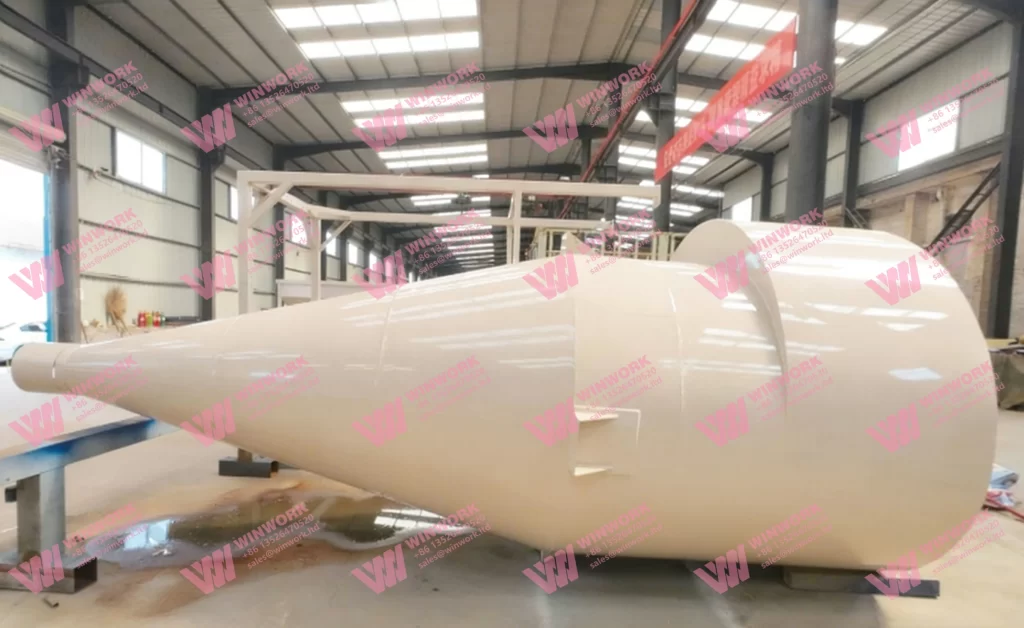
Dust Control: Excess dust can harm worker health and reduce product quality. A 5 t/h line should include dust collectors and sealed conveyors.
-
Moisture Control: Over- or under-dried litter impacts clumping. Real-time moisture monitoring ensures consistent product quality.
-
Spare Parts Availability: Choosing a supplier that provides fast access to spare parts reduces downtime.
-
Staff Training: Operators familiar with machinery and quality control can significantly improve output and reduce waste.
-
Maintenance Schedule: Regular inspection of crushers, mixers, and granulators prevents unexpected breakdowns and ensures steady 5 t/h output.
Future Outlook
While biodegradable litter is growing, bentonite cat litter continues to dominate in many regions due to affordability and consumer familiarity. Emerging markets show strong demand growth, making mid-scale production lines increasingly attractive.
A 5 t/h bentonite cat litter production line allows manufacturers to produce sufficient volume to supply multiple distributors or launch private-label brands. The line can also be upgraded with automation or improved dust control features as the business grows.
Conclusion
Investing in a 5 t/h bentonite cat litter production line can be a viable and profitable opportunity for manufacturers and investors who carefully analyze market demand, raw material availability, branding strategy, and distribution networks. Real-world examples indicate that moderate-scale production is sufficient to achieve steady revenue while remaining flexible for future expansion. Proper planning, supplier selection, and operational management are key to maximizing the return on investment and establishing a reliable cat litter business.
For more details, please feel free to contact us.
Email: sales@lanesvc.com
Contact number: +8613526470520
Whatsapp: +8613526470520

Get A Quote