

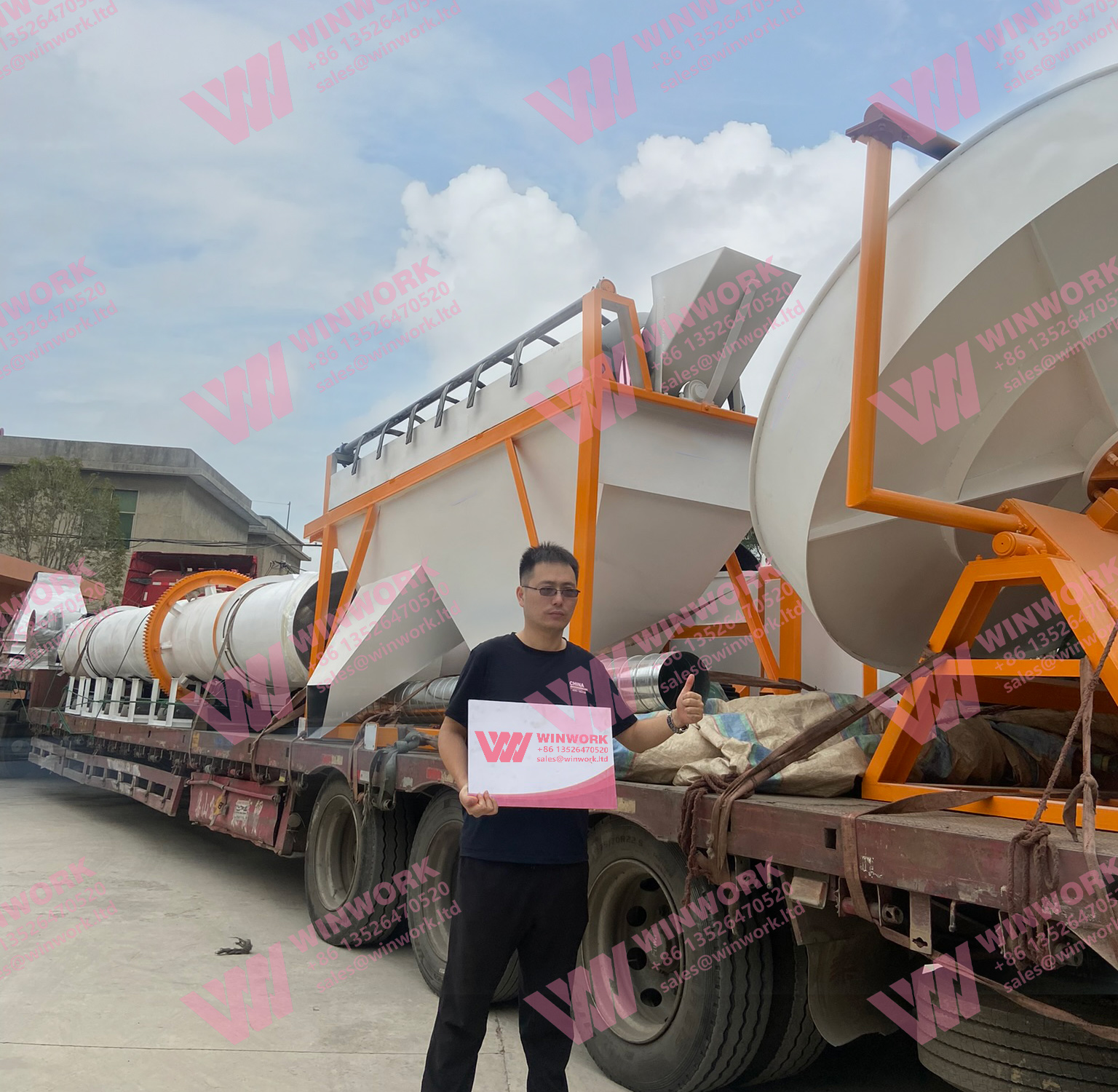
Introduction about Optimizing 5T/H Cat Litter Plant Layout Design
In modern industrial production, layout planning plays a decisive role in determining overall efficiency, cost control, and long-term stability. For a medium-capacity facility with a production target of five tons per hour, thoughtful engineering design is essential to ensure smooth material flow, balanced equipment performance, and scalable development. A well-structured 5T/H cat litter plant layout design directly influences productivity, energy consumption, safety management, and maintenance convenience.
Optimization of the 5T/H cat litter plant layout design should not be limited to simply placing machines inside a workshop. Instead, it requires systematic planning based on process logic, capacity matching, spatial efficiency, and operational coordination. When the layout is carefully designed, the plant can achieve stable output with reduced labor intensity and minimized internal transportation distance, which ultimately improves both profitability and competitiveness.
This article provides a comprehensive guide to optimizing a 5T/H cat litter plant layout design for higher efficiency in real industrial applications.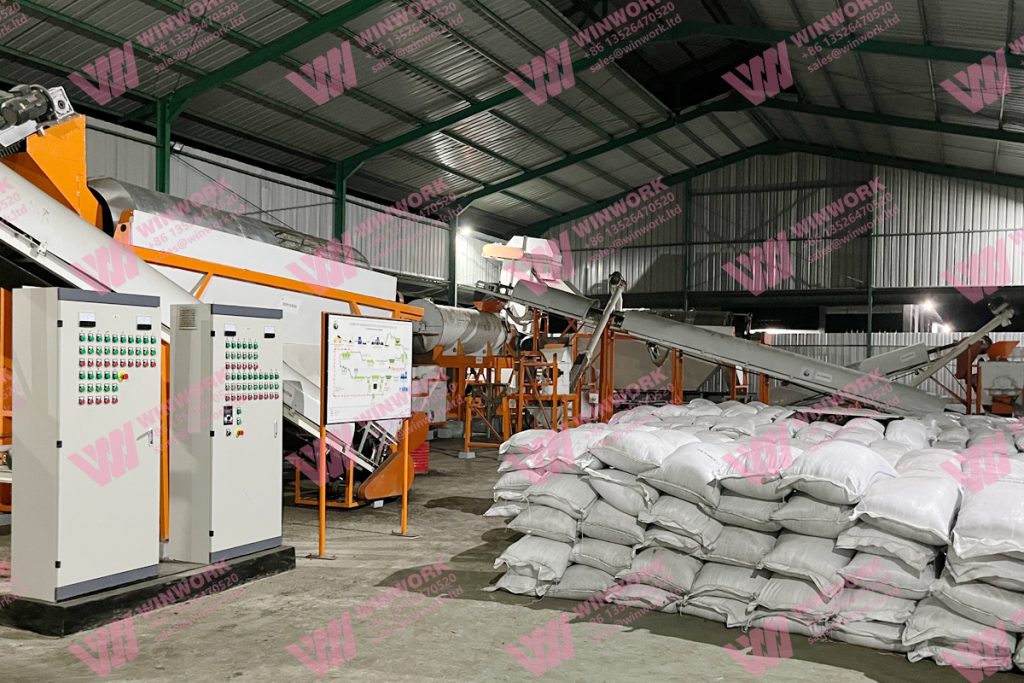
Establish Clear Capacity Logic
The first step in improving a 5T/H cat litter plant layout design is to ensure that every section of the production system is capable of handling the required throughput without bottlenecks. Since the target capacity is five tons per hour, all equipment must be selected and arranged to support continuous and synchronized operation.
When production capacity is not properly balanced, certain sections may operate under excessive load while others remain idle, leading to inefficiency and uneven wear on equipment. Therefore, capacity matching should guide spatial arrangement, ensuring that crushing, mixing, granulation, drying, screening, and packaging systems are aligned with the overall production target. A balanced configuration strengthens stability and improves the performance of the entire 5T/H cat litter plant layout design.
Align Layout with Process Flow Principles
One of the most effective optimization strategies for a 5T/H cat litter plant layout design is to follow the natural production sequence. The physical arrangement of equipment should reflect the technological transformation of materials, allowing them to move forward in a logical direction without unnecessary backtracking.
By organizing the workshop according to process stages, material transfer distance can be minimized, which reduces energy consumption and handling time. A clear directional workflow also helps operators understand production logic more easily, improving supervision efficiency. When equipment placement follows process order, the overall structure of the design becomes more intuitive and efficient.
Improve Zoning and Functional Division
Efficient layout planning requires clear separation of functional areas within the factory. In a professional cat litter plant layout design, zones should typically include raw material storage, processing areas, finished product storage, control rooms, and maintenance spaces.
Functional division prevents interference between operations and enhances safety. Raw materials should be handled in designated areas to avoid contamination of finished products, while packaging zones should remain separate from heavy processing equipment. Clear zoning also simplifies traffic management and supports organized workflow, making the entire 5T/H cat litter plant layout design more structured and manageable.
Optimize Equipment Arrangement and Spatial Coordination
Equipment positioning significantly influences efficiency in a cat litter plant layout design. Machines should be installed according to operational logic rather than random availability of space. Crushing equipment is typically placed near raw material input areas, followed by mixing systems, granulation units, drying equipment, screening machines, and finally packaging systems.
This structured arrangement reduces unnecessary transport and shortens internal logistics routes. By minimizing vertical and horizontal transfer distances, energy consumption can be reduced while maintaining stable production. Proper coordination between machines enhances continuity and ensures that the layout design operates smoothly under full capacity.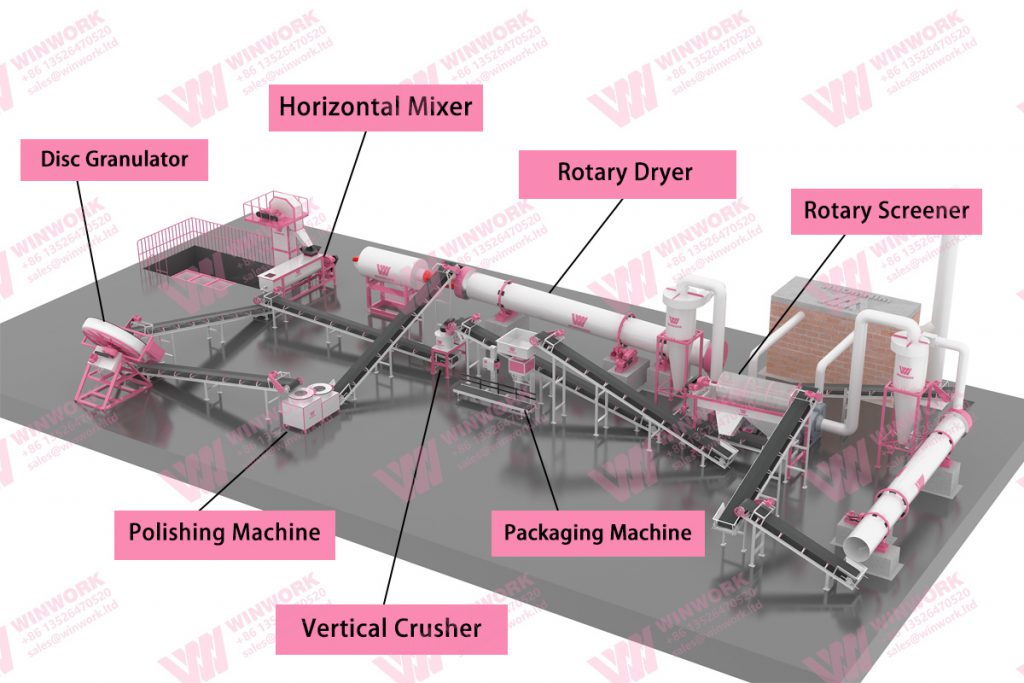
Enhance Material Handling Systems
Reducing manual material handling is essential for improving efficiency. In a modern cat litter plant layout design, conveyors, bucket elevators, and enclosed transfer systems can be integrated to automate internal movement.
Continuous mechanical transport improves cleanliness, reduces labor requirements, and minimizes material loss. When material flow becomes consistent and controlled, production stability increases significantly. Efficient handling systems contribute directly to the overall optimization of the cat litter plant layout design by reducing delays and improving synchronization between stages.
Integrate Dust Control and Environmental Measures
Dust management should be incorporated during the initial planning stage rather than added later as an auxiliary system. A well-designed design includes dust collection units positioned at crushing points, drying outlets, screening areas, and packaging stations.
Strategic placement of dust collectors prevents airborne particles from spreading throughout the workshop and maintains a clean production environment. Effective dust control not only improves workplace safety but also supports compliance with environmental regulations. Clean operational conditions strengthen the reliability of the 5T/H cat litter plant layout design and enhance product quality.
Provide Adequate Maintenance and Service Access
Maintenance accessibility is a crucial factor in long-term efficiency. When developing a 5T/H cat litter plant layout design, sufficient clearance must be reserved around major machines to allow routine inspection, repair, and component replacement.
If equipment is installed too closely, maintenance operations may require partial shutdown of adjacent systems, reducing productivity. By ensuring easy access to critical components, downtime can be minimized and equipment lifespan extended. Maintenance-friendly planning improves the sustainability of the plant layout design and protects operational continuity.
Plan Control Room and Automation Integration
Modern industrial facilities increasingly rely on centralized control systems to monitor production performance. In an advanced 5T/H cat litter plant layout design, the control room should be located in a safe and strategically visible position, allowing operators to supervise equipment status, production data, and energy usage.
Centralized monitoring enhances communication between departments and improves operational responsiveness. Automation integration helps stabilize output, reduce manual intervention, and increase precision. When digital systems are incorporated into the cat litter plant layout design, efficiency and consistency both improve.
Improve Space Utilization and Structural Planning
Efficient use of workshop space reduces construction costs while maintaining operational safety. A compact 5T/H cat litter plant layout design does not imply overcrowding equipment, but rather organizing machines in a way that maximizes functional density while preserving necessary clearance.
Vertical transport solutions and modular installation techniques can help optimize space usage. Thoughtful structural planning allows future upgrades without significant reconstruction. By improving spatial efficiency, the overall performance of the 5T/H cat litter plant layout design becomes more scalable and adaptable.
Consider Energy Efficiency in Equipment Placement
Energy consumption is closely related to layout decisions. In a well-optimized 5T/H cat litter plant layout design, reducing material transfer height and distance helps decrease power usage and mechanical resistance.
Proper arrangement of drying systems, insulation of pipelines, and streamlined workflow design contribute to lower operating costs. Energy-efficient layout planning improves profitability while maintaining stable production levels. Sustainable design principles strengthen the competitiveness of the 5T/H cat litter plant layout design in long-term industrial operations.
Ensure Safe Traffic and Operational Flow
Safety planning must be integrated into layout optimization. A professional design separates pedestrian pathways from material handling routes to prevent interference and reduce accident risks.
Loading and unloading areas should be clearly defined to avoid crossing production lines. Logical traffic organization improves operational discipline and creates a safer working environment. When safety and efficiency are combined, the 5T/H cat litter plant layout design becomes both productive and reliable.
Prepare for Future Expansion and Scalability
Even if the current production target is fixed, future expansion should always be considered during layout planning. A forward-looking 5T/H cat litter plant layout design reserves sufficient space for additional equipment, capacity upgrades, or automation enhancements.
Planning for scalability prevents expensive modifications later and allows the facility to adapt to market growth. Flexible design principles can support long-term business development.
Conclusion
Optimizing a 5T/H cat litter plant layout design requires comprehensive planning that integrates capacity logic, process flow alignment, functional zoning, equipment arrangement, material handling efficiency, dust control, maintenance accessibility, automation integration, space utilization, energy management, safety coordination, and future scalability.
When these factors are systematically considered, the entire production system operates more smoothly, with improved efficiency and reduced operational costs.
For turnkey projects and manufacturing investments, thoughtful layout optimization remains one of the most critical foundations for achieving stable and high-performance operations.
For more details, please feel free to contact us.
Email: sales@lanesvc.com
Contact number: +8613526470520
Whatsapp: +8613526470520
Get A Quote