

Introduction
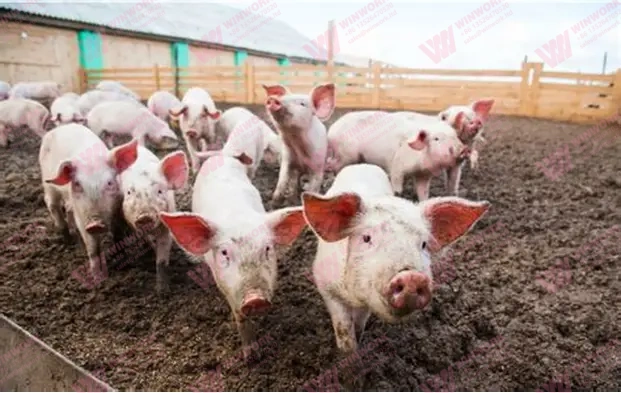
Step into any livestock farm, and you’ll find one constant: manure. For generations, the solution was simple—pile it up or spread it on fields, hoping for the best. But this approach often leads to nutrient runoff, polluted water, and complaints from neighbors about the smell. A new wave of farmers is waking up to the financial and environmental advantages of manure recycling. This isn’t just about being green; it’s about plugging into a circular economy where waste simply doesn’t exist, and every dollar saved is a dollar earned.
Why the Shift? The Core Advantages of Manure Recycling
The old model is broken. You pay for feed, pay for energy, and then pay again to get rid of the manure. The modern advantages of manure recycling flip this script by creating a closed-loop system. Here’s why farmers are making the switch:
Slashing Input Costs: Chemical fertilizers are notoriously expensive and subject to global supply chain shocks. By producing your own organic fertilizer, you cut out the middleman entirely.
Creating a New Revenue Stream: What was once a disposal liability is now a marketable asset. Well-processed manure compost and pellets can be sold to nurseries, landscapers, and other farmers for a premium price.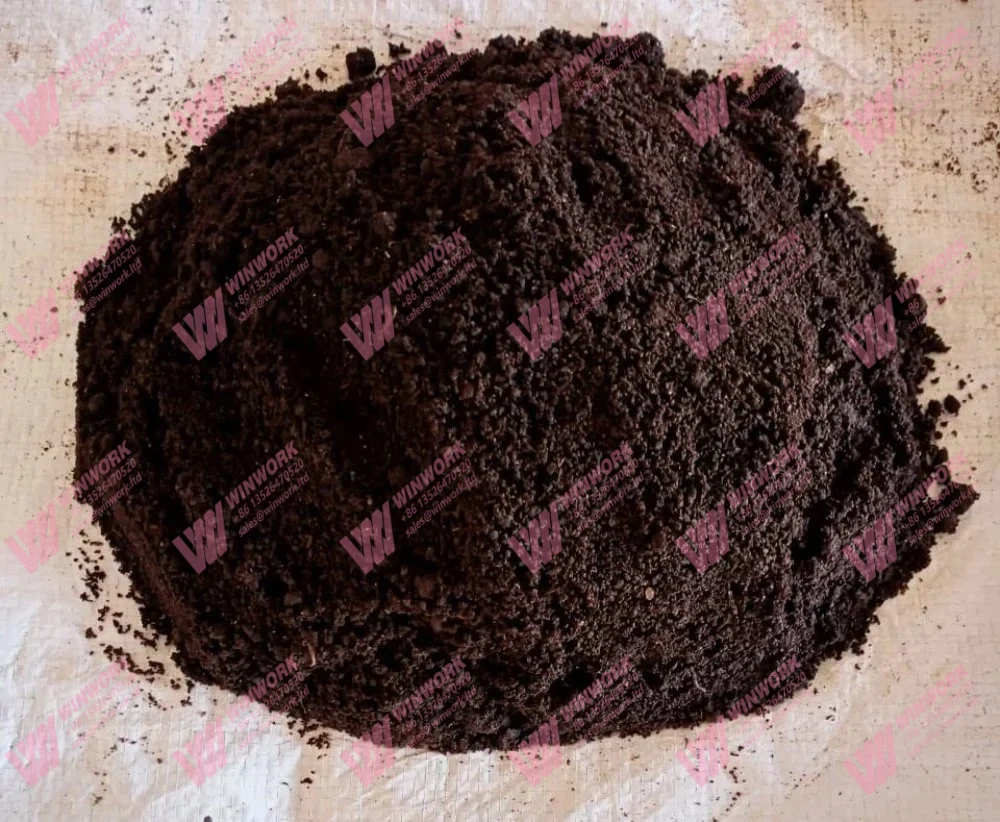
Environmental Compliance and Safety: Raw manure can contaminate groundwater and emit potent greenhouse gases. Recycling it through controlled processes eliminates pathogens and locks nutrients into a stable form.
Building Soil Health: Unlike synthetic fertilizers that can degrade soil structure over time, recycled manure adds organic matter, improving water retention and microbial life.
This fundamental shift highlights the primary advantages of manure recycling: turning a cost center into a profit center.
How It Works: The Step-by-Step Process
Understanding the advantages of manure recycling is easier when you see the process in action. It’s not just about piling stuff up; it’s about controlled transformation.
Step 1: Collection and Separation
The first step is to stop the mess before it starts. Using a Solid-Liquid Separator, you divide the waste stream. The solids are perfect for making high-quality compost, while the liquid (slurry) is directed to an anaerobic digester or a storage lagoon. This separation is key to efficient processing.
Step 2: Fermentation and Composting
This is where the magic happens. The solid manure is mixed with carbon-rich materials like straw or sawdust. A Compost Turner is then used to aerate the pile. The internal temperature rockets to over 60°C, killing weed seeds and pathogens. Within weeks, you have a dark, crumbly, earthy-smelling product. This demonstrates the clearest advantages of manure recycling—transforming a toxic waste into a safe, valuable soil amendment.
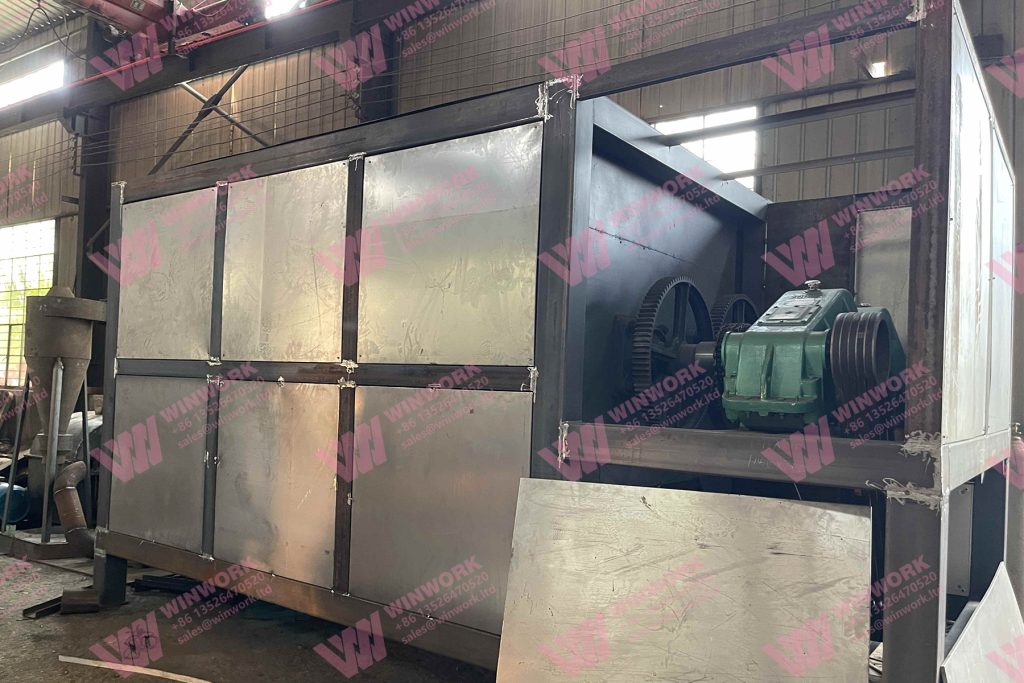
The Horizontal Fermentation Tank is a state-of-the-art equipment designed for the effective aerobic fermentation of organic waste, agricultural residues, sludge, and other compostable materials. Unlike vertical tanks, the horizontal design allows for larger capacity and more uniform fermentation.
The Horizontal Fermentation Tank is widely used in the production of organic fertilizers and compost, offering numerous advantages in terms of efficiency, control, and environmental impact.
Step 3: Granulation for Market Value
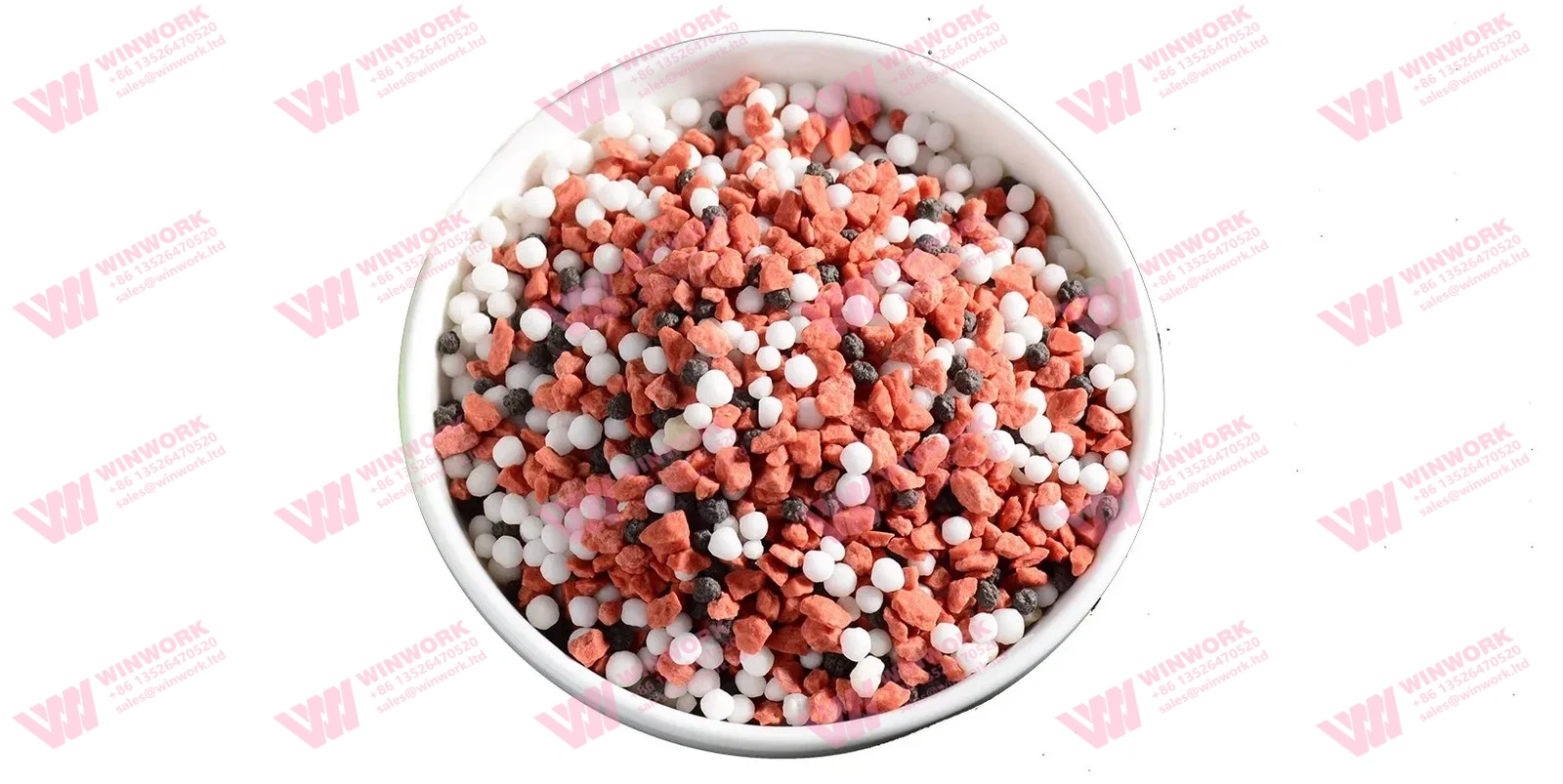
Loose compost is useful, but bagged pellets sell for more. By feeding the finished compost into a Flat Die Pelletizer, you compress it into uniform, easy-to-handle fertilizer nuggets. This step maximizes the economic advantages of manure recycling.
Flat die granulator also called flat die pellet mill, it is a kind of pelletizing equipment used to press powdery raw materials into pellets, which is widely used in feed, fertilizer, biomass energy, chemical industry and other industries.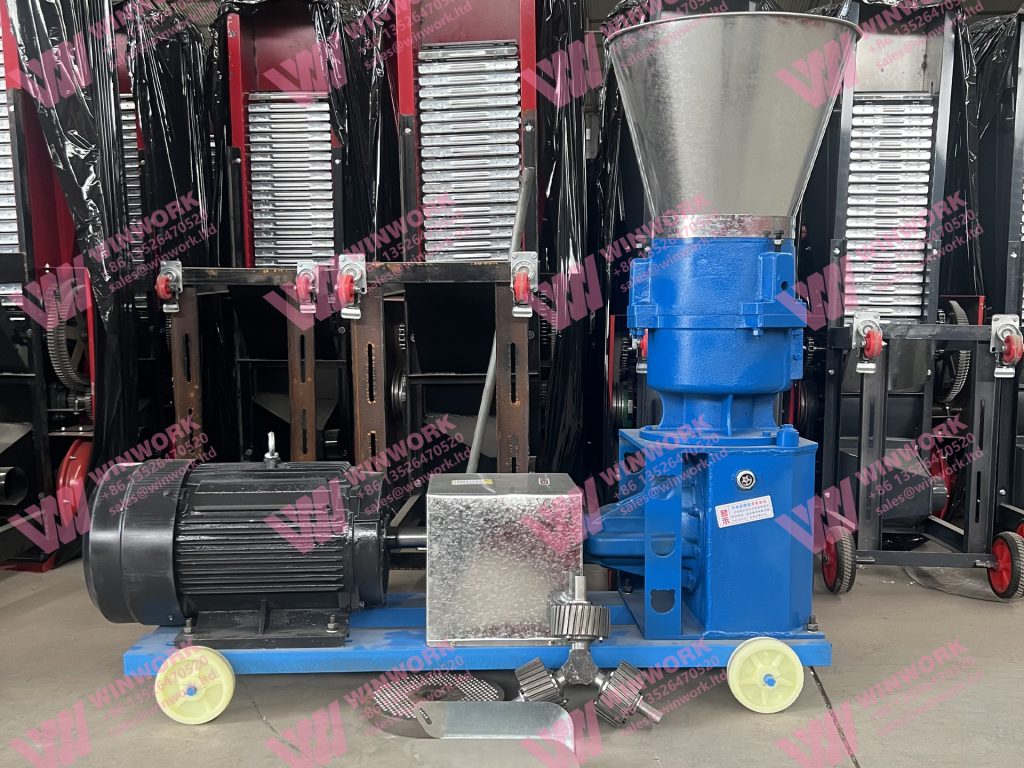
The equipment compresses the raw materials into high-density granules through the interaction of pressure roller and flat die, featuring high molding rate, uniform granules and low energy consumption.
Step 4: Biogas Capture (The Energy Bonus)
Don’t forget the liquid! The slurry from the separator can be pumped into an Anaerobic Digester. Here, bacteria break it down to produce methane-rich biogas, which can fuel a generator or boiler. This provides free energy for the farm, further cementing the advantages of manure recycling.
The Essential Equipment: Low Cost, High Return
You don’t need a massive budget to start. The beauty of the advantages of manure recycling is that the equipment pays for itself.
Screw Press Solid-Liquid Separator: The essential first step to manage moisture ($1,500–$3,000).
Compost Turner: The workhorse that ensures aerobic decomposition and high temperatures ($2,000–$10,000).
Flat Die Pelletizer: Turns finished compost into a premium, bagged product ($2,000–$4,000).
Anaerobic Digester Tank: Captures methane for free energy ($10,000–$30,000).
Real Farm Example
The Rodriguezes run a 100-head dairy farm. They used to spend $400 a month trucking away manure. After investing $18,000 in a separation and pelletizing system, they now produce 15 tons of fertilizer pellets per month.
Their fertilizer bill dropped to zero.
They sold $2,500 worth of pellets to local organic farms.
Their propane bill for heating water dropped by 60% thanks to biogas.
They are living proof of the advantages of manure recycling, having recouped their investment in under two years.
FAQ: Your Questions About the Advantages of Manure Recycling Answered
Q1: Is manure recycling expensive to start?
A: The initial equipment cost is the main barrier, but the return on investment is incredibly fast. Most farmers see payback within 2-3 years through savings and sales, proving the advantages of manure recycling are financially sound.
Q2: Does the recycled fertilizer smell bad?
A: Properly composted manure should smell earthy, not rotten. The advantages of manure recycling include eliminating the offensive odors associated with raw waste.
Q3: Can I use this fertilizer on all my crops?
A: Yes. It’s suitable for pastures, corn, vegetables, and orchards. The slow-release nature of the nutrients is one of the key advantages of manure recycling for soil health.
Q4: What if I don’t have enough animals for a big system?
A: The system is scalable. Even a small farm with 10 cows or 500 chickens can implement a mini version of this process to see the advantages of manure recycling.
Q5: Is the biogas dangerous?
A: Biogas is flammable, but when managed with standard safety procedures (like any propane tank), it is perfectly safe. It is a core component of the advantages of manure recycling for energy independence.
Q6: Do I need a special license to sell the fertilizer?
A: For small-scale, local sales, regulations are often minimal. However, it’s always wise to check with your local agricultural department.
Q7: How does this help with water pollution?
A: Raw manure runoff carries nitrogen and phosphorus into rivers, causing algae blooms. The advantages of manure recycling include stabilizing these nutrients so they stay in the soil, not in the water.
Q8: Can I mix different types of manure?
A: Yes. Chicken, cow, and pig manure can all be processed together. Adjusting the carbon-to-nitrogen ratio is part of the process.
Q9: What is the biggest advantage?
A: For most farmers, the biggest of the advantages of manure recycling is achieving financial self-sufficiency—no longer being dependent on volatile fertilizer markets.
Q10: Where do I start?
A: Start by calculating your daily manure output. That number will determine the size of the separator and composter you need to begin realizing the advantages of manure recycling.
Conclusion
The days of viewing manure as a liability are over. The advantages of manure recycling are clear: it’s a practical, profitable, and environmentally responsible strategy for the modern farm. By turning waste into fertilizer and energy, you reduce your operational costs, protect the environment, and create a resilient business model. Whether you have 5 cows or 500, the path to a cleaner, more profitable farm begins with embracing the advantages of manure recycling.
For more details, please feel free to contact us.
Email: sales@lanesvc.com
Contact number: +8613526470520
Whatsapp: +8613526470520
Get A Quote